

Leave the US Budget Plan: The 6–12 Months “Easy Out”
So you want to GTFO and leave the US on a budget…
Not “someday.” Not “maybe in five years when the vibes are right.”
Like… soon. Within 6–12 months. On a normal person budget. Without a six-figure remote tech job or rich parents.
Cool. That’s literally what I did.
I did not do it perfectly. I:
- Paid $900 cash for my first one-way flight (Tampa → Bangkok, RIP my bank account).
- Bought an overpriced TEFL course because I didn’t know any better.
- Worked myself into the ground for two years because I was broke and scared to leave solo.
So this “Easy Out Plan” is the version I wish I had when I was stuck in the US, working 3 jobs, and obsessing over how to escape.
This is not magic. You still have to work, save, and be a semi-responsible human.
But if you follow these steps, you can be on a one-way flight out of the US in 6–12 months without needing lottery money.
Let’s go.
Step 1 – Pick Your “Out Date” and Minimum Money Goal
Before we touch cards, flights, or visas, you need two decisions:
- Your Out Date
- Pick a real date 6–12 months from now.
- Example: “June 1 next year I’m gone.”
- Put it in your calendar. Tell a friend. Make it real.
- Your Minimum Money Goal
- This is your “I can leave and not instantly panic” number.
- For a lot of people, that might be something like:
- A one-way flight covered by points (we’ll handle that next), plus
- A cash buffer for 4 months in an affordable country (think $3–5k, depending on where you go).
- Emergency fund.

You don’t need the “perfect” number. You need a target so you can reverse-engineer:
- How much you need to save per month
- How many shifts, side gigs, or cuts you actually need
No spreadsheets, no math olympics. Just:
“I’m leaving on X date with at least $Y saved.”
That’s the foundation of everything else.
Step 2 – Lock In Your “Free(ish)” Escape Flight
Next: let’s make that one-way flight out of the US someone else’s problem (hi, points).
When I first left, I had no idea what I was doing with cards or miles. I paid $900 cash for a one-way Tampa → Bangkok flight. I still cringe thinking about it.
Don’t be me.
The idea
You get one beginner-friendly travel credit card, put your normal life on it for a few months, hit the welcome bonus, and use those points to pay for your one-way out.
No coupon-clipping. No travel-hacking cult spreadsheets. Just using a welcome bonus like a normal person.
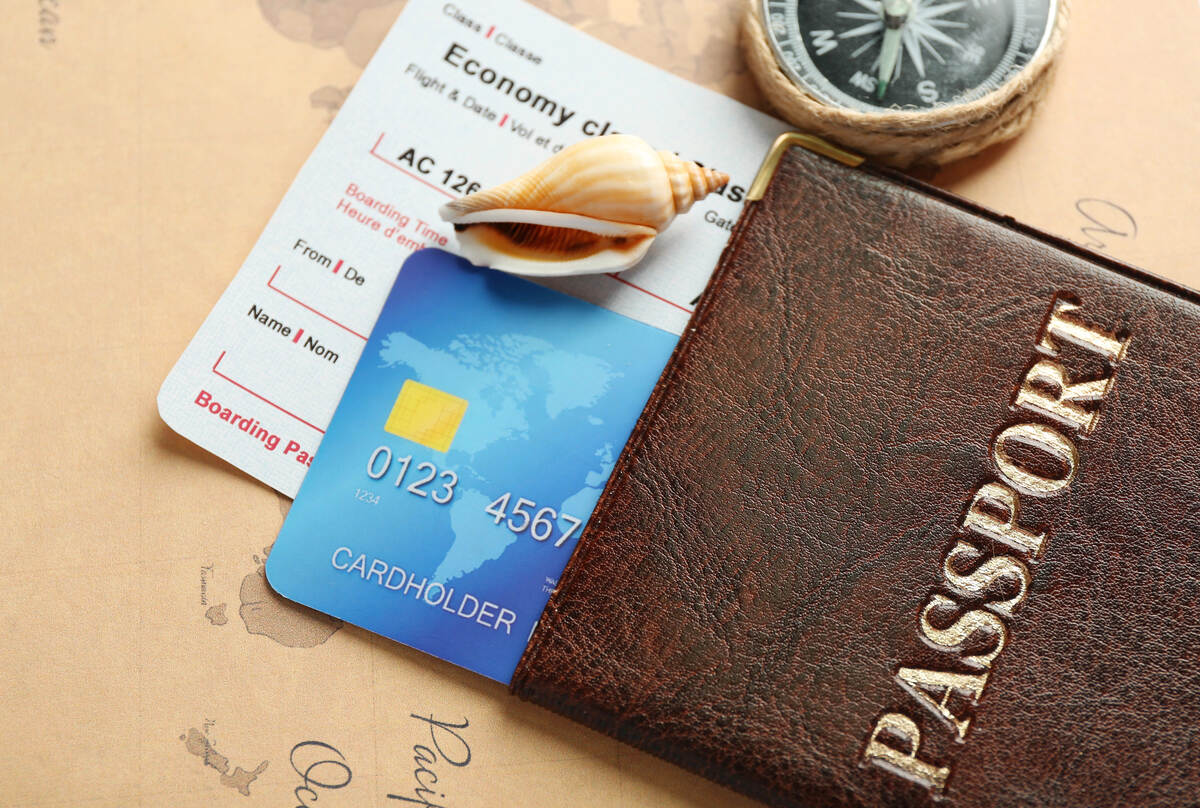
What am I talking about? You know, those bonuses you see where a card is running a promo that says “spend $5,000 in 3 months and you’ll get 100k points.” One of those! Do it!
Two solid beginner cards
Here are two great starter options to consider. Both offers are typically big enough to cover your flight out of the US. That means your escape will cost you nearly $0!
- Chase Sapphire Preferred
👉 Learn more and check the current offer - Capital One Venture Rewards
👉 Learn more and check the current offer here
I like these as “Easy Out Plan” cards because:
- They’re popular and beginner-friendly
- They have no foreign transaction fees
- They’re useful after you land abroad too
In case you’re curious, I personally use the Capital One Venture X credit card for all of my credit card points and transactions. This one has a steeper annual fee, which might scare some of you, but for me, it’s well worth it.
More resources for choosing the best card to travel with for YOU:
The rule: you are not buying extra stuff
This is the part everyone ignores and then cries about later.
- Put your normal spending on the card: groceries, gas, bills, maybe rent if possible.
- Pay it off in full every month.
- Do not treat this like free money. Treat it like a debit card that gives points.
If you can’t trust yourself not go wild with it, skip this step. Nothing is worth going into dumb debt for.
But used correctly?
You’re buying the exact same crap you already buy… and the bank buys your escape flight!
READ MORE: Dealing With Money Abroad
Step 3 – Pick the Easiest First Money Route
Cool, so you have an Out Date and a plan for your flight.
Next problem: How do you actually make money abroad?
Cue the overthinking:
- Remote jobs
- Freelancing
- Dropshipping
- Editing YouTube videos
- Selling your toenail clippings on the internet (jk… mostly)
All of those can work long term. But if you just need a simple, realistic first way out, teaching English is still one of the easiest paths.
Why Teaching English is still the easiest “starter path”
- Schools all over the world need English speakers
- You don’t need to be a super teacher to start
- In many countries, TEFL + being a native/near-native speaker is enough to get hired
- You can teach in person abroad or online from anywhere later
Many schools will ask for a 4-year degree in ANYTHING, but there are teaching jobs if you don’t have a degree, too.

I personally:
- Took a TEFL back when it was wild-west scammy
- Paid almost $1,000 for a course that was… not it
- Later discovered a cheaper, easier option and retook a course just so I could recommend something I actually trust. Don’t make my mistakes!
👉 You can read my full myTEFL Review or just grab the course.
Your TEFL + a basic game plan (e.g. “teach in Thailand/Spain/Korea first”) is your step-one income. You can always pivot to online work, freelancing, or your own thing later.
PS – No, it’s not all the riches in the world, but it’s enough to live and kickstart yourself in a new country. Income, work permit, community – this option hits all the marks. It’s literally how many others and I started our lives abroad, btw.
Oh, and it’s a job that can eventually lead to teaching English online, so you can have a more flexible situation and make some extra cash too.
— 👉 TIP —

BEST TEFL COURSE
There are tons of TEFL programs out there, and it’s hard to sift through which are actually worth it, trust me, I made a mistake when choosing mine! DON’T BE ME!
I’ve got you covered with the best TEFL program so you can teach English around the world and travel!
50% off with code: nina50
Wait, is that it?! No other work abroad options?
LOL, NO! There are like a million other options, but if you’re looking to get out, now, and have no other ideas, skills, or knowledge of anything, this one will get you out and earn you some money ASAP.
There’s no way I can get into all the jobs here, but check out my other resources because you have more options than you think if this one is truly not for you.

Read more about living and working abroad:
This guide gives you the *exact* steps, visa options, and decision tools to pick the best country for *you*.
No fluff. No BS. Just straight-up ✨virtual hand holding✨ so you can stop dreaming and get out of the US!

- 26 Digital Nomad Jobs: Best Remote Jobs for Travelers!
- 10 BEST Digital Nomad Jobs For Beginners
- 13 Easiest Travel Jobs So You Can Stay Abroad Longer
- 73 Travel Jobs—How to Make Money While Traveling!
- 20 Online Jobs With No Experience Needed!
- How to Start Freelancing for Beginners—Work Online & Travel!
- All Articles About Living and Working Abroad
Step 4 – Slash Expenses and Liquidate Your Life
Here’s the not-cute part: if you’re trying to leave in 6–12 months, you have to act like someone who is leaving.
As in:
“I’m leaving a burning building with a suitcase and a laptop” energy.

This is the part where you grow your GTFO fund
Some ideas:
- Sell a ridiculous amount of your stuff
Furniture, clothes you don’t actually wear, electronics, random gear… if it doesn’t fit into “future life abroad,” it’s probably funding your exit. - Cut your recurring bills
- Subscriptions you forgot about
- Cable, gym, and random memberships
- Eating/drinking out like you still live in happy-hour land
- Move cheaper if you can
- Parents’ house (I didn’t do this for my own sanity, but if you can stand it, it can shave thousands off your runway)
- Roommates, smaller place, or a cheaper city
- Stack income
I did THREE JOBS:- A 9–5Beer promosWaitressing
Also, stop waiting for someone to go with you. I did that for way too long. Nobody came. Going solo was the best thing that happened.
Step 5 – Put Your Safety Net and Basics in Place
Okay, now we’re into “boring adult” territory: the stuff that keeps your life from exploding once you actually leave.
You don’t have to overcomplicate this, but you do need a few basics.
1. A global-friendly bank + card setup
At minimum:
- A bank card that refunds ATM fees and doesn’t freak out every time you withdraw cash abroad
- A credit card with no foreign transaction fees and decent protections (like the Chase Sapphire Preferred or Capital One Venture from Step 1)
This is how you:
- Don’t pay 3% extra on every card swipe
- Don’t get your card frozen because you dared to buy a coffee in another country
- Have some purchase protection if things go sideways
You already looked at starter travel cards in Step 1. Here is where you double-check that whatever you pick plays nice internationally.
READ MORE: Dealing With Money Abroad
2. Travel insurance (yes, the boring part)
Is it sexy? No.
Do I love talking about it? Also no.
Do I recommend having something instead of nothing? Yes.
At the bare minimum, you want a travel insurance plan that:
- Covers emergency medical care
- Covers accidents (hi, motorbikes and street food)
- Doesn’t require you to be “on vacation” for only 2 weeks
This is where I personally use a long-term-ish travel plan that’s built for nomads—SafetyWing. It’s affordable, easy, and covers emergencies.
“Is this the most exciting use of your money? No. Will you be glad you had it if you end up in a hospital abroad? Absolutely.”
👉 TRAVEL TIP: You NEED Travel Insurance!
Travel insurance can save your @$$ abroad, and it doesn’t have to be expensive!
Safety Wing is what I use because it’s affordable, perfect for long or short-term travelers, and covers the important stuff.
3. Digital basics
Quick hits:
- Back up important docs (passport scans, visas, etc.)
- Have 2FA set up on key accounts
- Keep copies of your card numbers + emergency phone numbers somewhere safe
It’s not fun content, but this is all the stuff that ensures one stolen wallet doesn’t nuke your entire trip.
Step 6 – Land Soft: Cheap Housing and Community
Now let’s talk about your first months abroad.
This is where a lot of people burn through all their savings:
- Expensive Airbnb in a pricey country
- Hanging out in tourist neighborhoods
- Eating out like they’re on a two-week holiday, not starting a new life
Your Easy Out Plan version is different:
You land somewhere affordable and keep your housing costs as close to $0 as possible at the beginning.
Two of my favorite ways to do this
1. Work exchange with Worldpackers
Worldpackers connects you with hosts (hostels, projects, eco-lodges, etc.) that give you housing (and sometimes meals) in exchange for a set number of hours helping out. You’re…
- Sleeping basically for free
- Meeting people
- Getting time to figure out your next moves without burning through $1,500/month in rent.

2. Pet-sitting with TrustedHousesitters
TrustedHousesitters is another gem: you take care of someone’s pets and home, and in return, you stay there for free.
Perfect if you:
- Love animals
- Want to live in actual neighborhoods, not just backpacker zones
- Need a quiet place to work, job hunt, or get to know a place before committing.
👉 Check out TrustedHousesitters
Also: pick a country that actually makes sense
Be honest: your first stop should not be Switzerland if you’re scraping together your first GTFO fund.
Think:
- Cheaper parts of Europe
- Latin America (Mexico, Colombia, etc.)
- Southeast Asia (Thailand, Vietnam, etc.)
Save the expensive countries for later or for short visits. Your first few months are all about runway, not flexing.

ALSO – The two recommendations I mentioned above offer free rent, but they are not for everyone. These are just temp options. Remember the point of this article is a BUDGET plan. So that’s why those are worth mentioning.
Many of you will just choose to get your own place instead of doing one of these options, which is fine, but I presented them as a way to save a buck while you just get sorted in a new place.
READ MORE:
39 Cheapest Countries in the World
An Honest TrustedHousesitters Review [+ DISCOUNT CODE]
Worldpackers Review: Doing a Work Exchange For Free Rent!
Step 7 – Stay Connected Without Getting Ripped Off
Please do not pay your US carrier $300 so you can text “I landed!” and scroll Instagram.
You have better options.
The play: eSIMs
You can:
- Land
- Scan a QR code
- Be online in 2 minutes
- Ditch the sketchy airport SIM desk and confusing plans
eSIMs to check out: Nomad | HolaFly | Saily | Gigsky
Sort out your data before you leave, or as soon as you land, so you’re not dependent on hotel Wi-Fi and vibes.

Main way to stay connected:
- Get a local eSIM once you get life sorted. It’s the cheapest, but the other eSIMs get you going for your first month without any hassle. They are also the best to use when you are traveling.
- You should keep your US number for all those 2FA texts. I use GoogleFi’s cheapest plan, and it’s the easiest and best imo. When I visit the US, I automatically have a number and data too.
READ MORE:
How to Get Internet While You Travel: ALL Your Options Explained
What’s The BEST International Data Plan? How to Get Data Abroad
Step 8 – Build the Longer-Term Version of Your Life Abroad
At this point in the plan, you’ve:
- Picked your Out Date and money goal
- Set yourself up for a free(ish) flight
- Chosen a starter income path
- Slashed your expenses and sold half your life
- Put a basic safety net in place
- Lined up cheap housing options
- Figured out how to get data
You’re out. 🎉
Now the question becomes: how do you NOT crawl back to the US in 6 months?
This is where you start upgrading
Some ideas:
- Move from teaching abroad into:
- Digital nomad jobs (customer support, marketing, tech, etc.)
- Freelancing (writing, design, video, etc.)
- Your own online thing (content, products, services)
- Look at longer-term visas:
- Digital nomad visas
- Student/language visas
- Work permits in places that need your skills
- Start thinking beyond “how do I escape” and into “how do I want my life to actually look long term?”
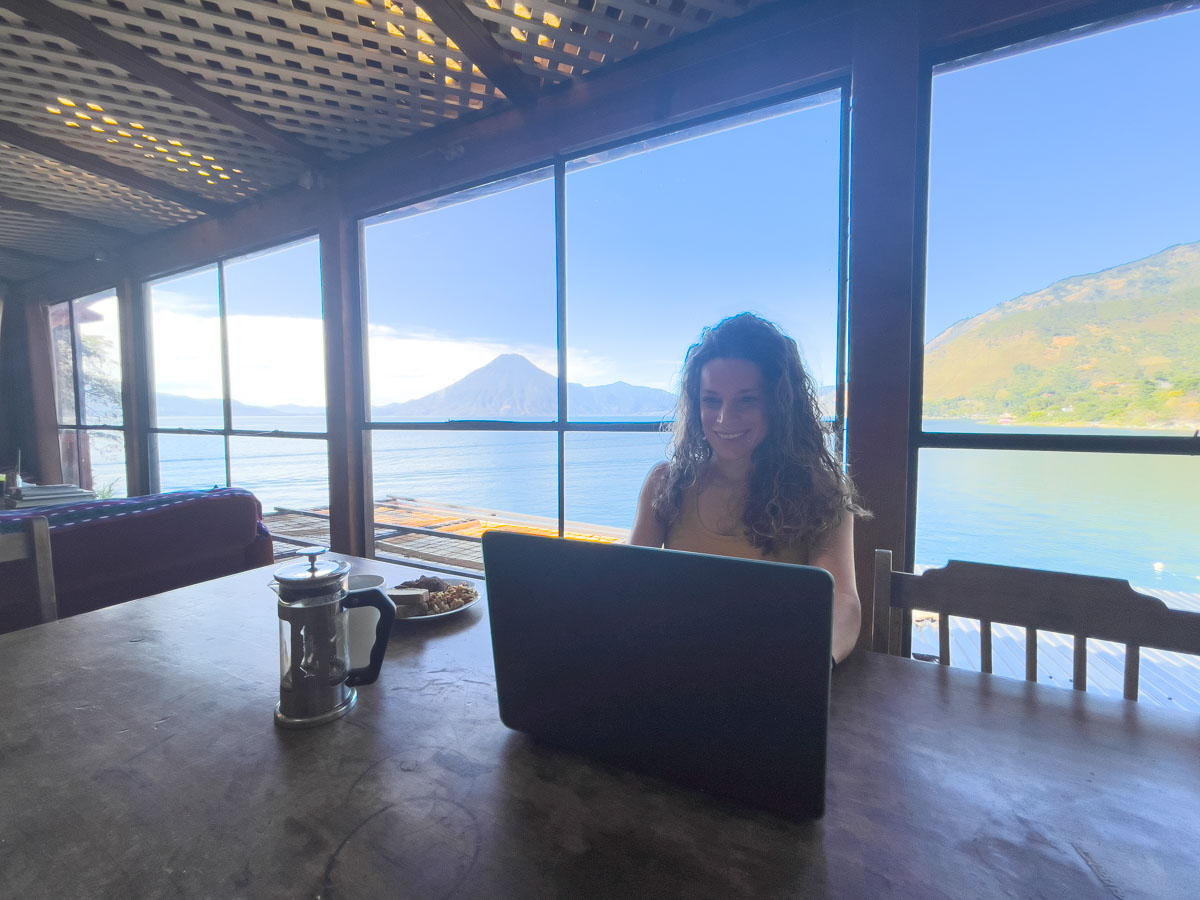
With that said, there’s nothing wrong with sticking with teaching abroad—people of all ages and walks of life do it. You can stay there as long as you need.
Some of these visa options might also spark some ideas for ways to stay abroad longer or in a different way:
Read more about visas:
- 21 Visas to Help Americans Move Abroad (That You Haven’t Heard of)
- 28 TOP Digital Nomad Visas for Remote Workers
- Longest Tourist Visas for U.S Citizens, How to Extend, & More
- 6 Working Holiday Visas for Americans
- Skilled Work Visas: How to Move Abroad with Your Profession
- ALL Resources on visas
Start building a future fund too
Once you’re stable-ish abroad, this is a great time to:
- Start investing something, even if it’s tiny
- Automate a little money to Future You every month
If you want a dead-simple way to start, I’m a fan of Acorns!
This is not about becoming a Wall Street goblin. It’s about:
“I left the US, but I’m also not screwing over 50-year-old me.”
The key: Start now, even if it’s small. Because compound interest will exponentially help you grow, and the only way to get that is with TIME!
I wish I started mine sooner, and maybe you’re thinking the same thing, but remember—The best day to start was yesterday, and the next best day is today. Literally feed it only $20/month if that’s all you got, it’s better than nothing.
Final Thoughts: Your Easy Out Plan Isn’t Complicated. It’s Just Uncomfortable.
Nothing in this plan requires:
- A trust fund
- A fancy degree
- A remote job at a tech company that sends you a laptop
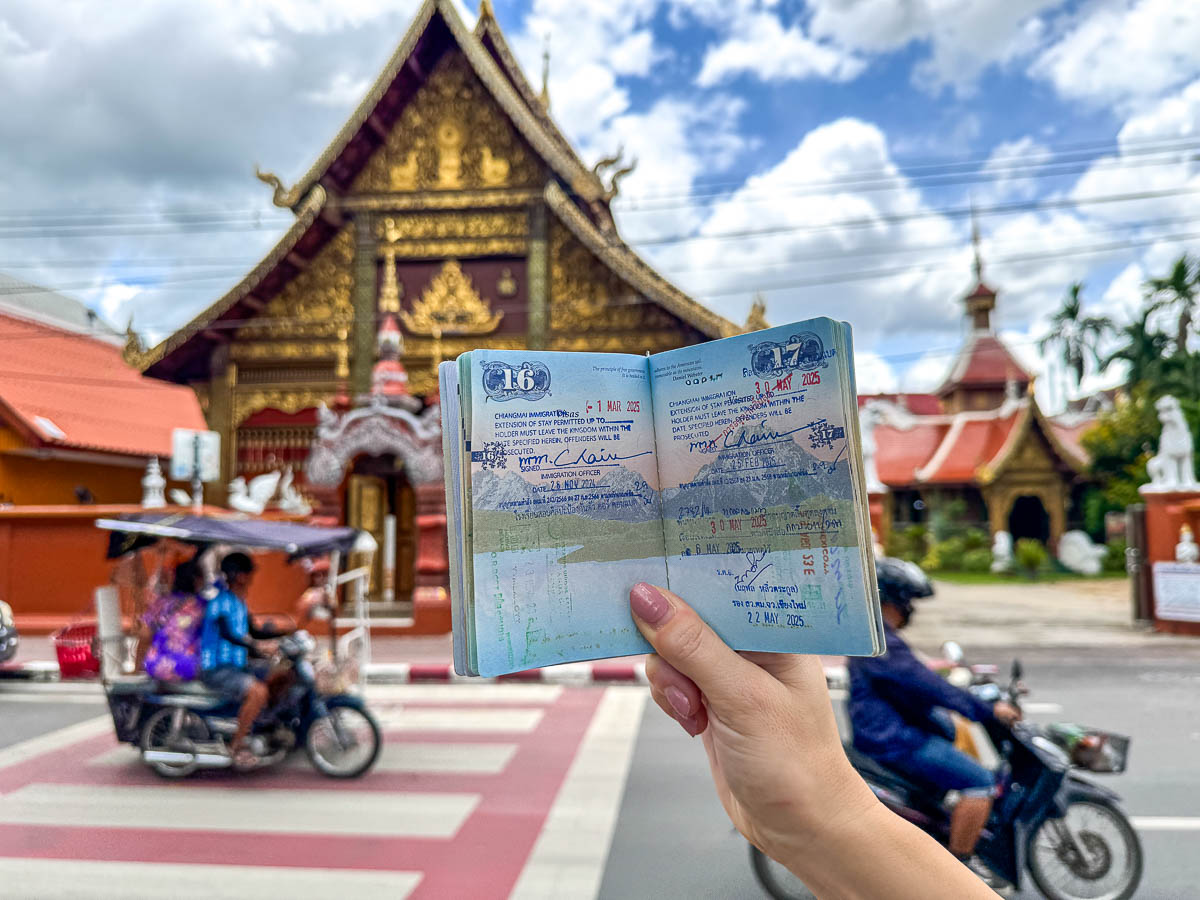
It does require:
- Making a real decision (Out Date + money goal)
- Being brutally honest about your spending
- Taking boring steps like getting a TEFL, opening a travel card, and selling your crap
- Letting go of the idea that someone needs to come with you
If you work this plan, you can be out of the US in 6–12 months on a normal person’s budget.
You do not have to do it perfectly. I absolutely did not.
But I’m so, so glad I started.
If you want me to help you map this to your life and situation, you can always:
- Grab my GTFO guide
- Or book a consult, and we’ll sketch your version of the Easy Out Plan together
More on Moving Abroad:

- How To Move Out of The USA ASAP—7 Ways to Leave
- 21 Visas to Help Americans Move Abroad (That You Haven’t Heard of)
- How to Make Money While Traveling—73 Travel Jobs
- Easiest Countries for Americans to Move To
WANT TO MOVE ABROAD BUT OVERWHELMED BY OPTIONS?
GRAB THE GUIDE that gives you the exact steps, visa options, and decision tools to pick the best country for you.
No fluff. No BS. Just straight-up ✨virtual hand holding✨ so you can stop dreaming and get out of the US! Let’s GO!
I hope this helped you put together a move abroad plan!

This guide gives you the *exact* steps, visa options, and decision tools to pick the best country for *you*.
GRAB THE GUIDENo fluff. No BS. Just straight-up ✨virtual hand holding✨ so you can stop dreaming and get out of the US!