

How to Get Internet While You Travel: ALL Your Options Explained
So you’ve just landed in a new country, you’re buzzing with excitement, and then it hits you… You’re offline. No Google Maps, no Uber, no way to message your Airbnb host.
Just you, a baggage claim carousel, and maybe some sketchy airport Wi-Fi that kicks you off after 15 minutes.
Been there, done that, hated it!
That’s why getting internet while traveling is a must, not a nice-to-have. The good news? There are several ways to stay connected abroad, from old-school SIM cards to futuristic digital eSIMs. Some are cheap, some are easy, some are… well, a little bit of a headache.
I’ve tried them all over the years — roaming, Wi-Fi hunting, pocket hotspots, local SIMs, and now eSIMs. Here’s the full breakdown so you can figure out how to get internet when you travel and what actually works for your trip.
How to Get Internet While You Travel
👉 Quick lowdown:
You’re busy, I get it. Here’s the short and sweet version.
- Keep your home plan active on the lowest plan so you still have a phone number for calls, texts, and those annoying two-factor authentication codes (because you will need it at some point).
- Get an eSIM like Holafly for data. It’s the fastest, easiest way to get online abroad without wasting time at airport kiosks or swapping tiny SIM cards.
Done. You’re connected. This is what I do all around the world!
Option 1: International Roaming With Your Carrier
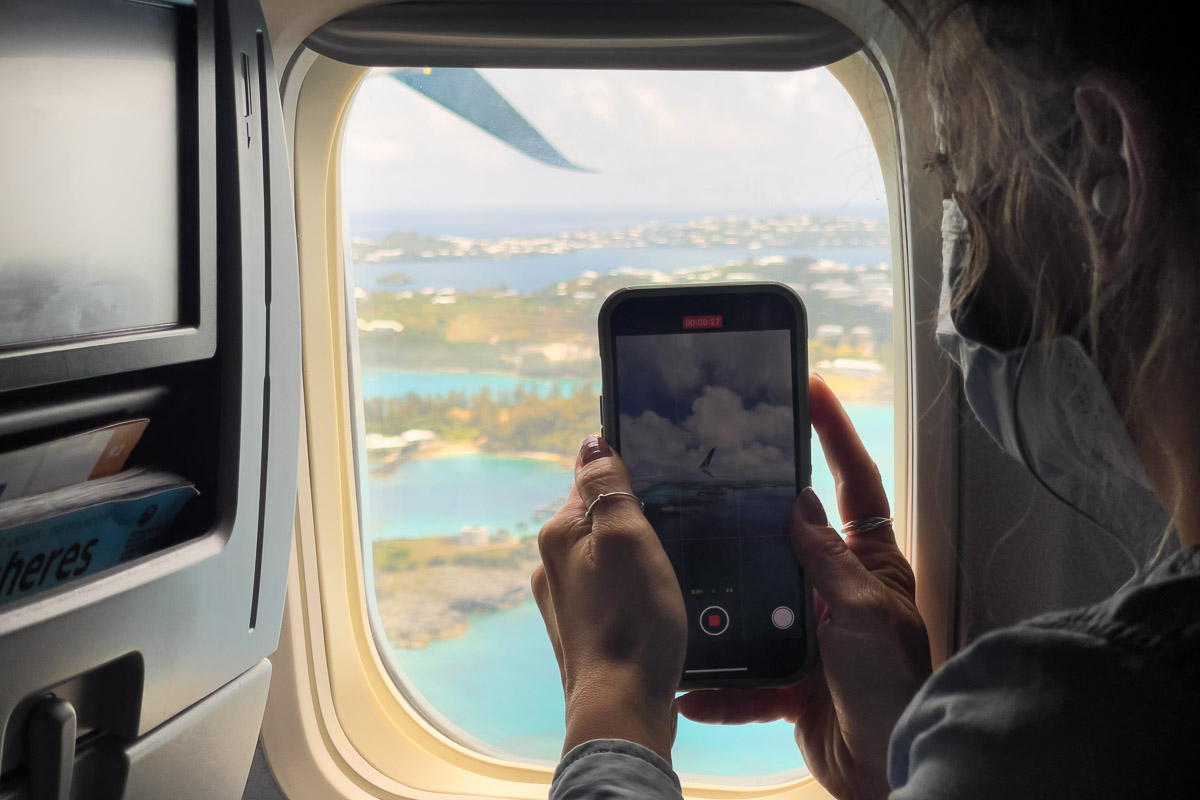
The “simplest” option is to just let your home phone plan handle it. Many carriers offer international roaming packages where you can keep your normal number and data.
Pros:
- Super easy — no setup required.
- You keep your regular number for calls and texts.
Cons:
- Pricey. Some plans charge $10+ per day just for the privilege of being online.
- Data is often limited or throttled. You might get 500MB before your speed drops to a crawl.
- Only works in certain countries — not everywhere is covered.
- You’ll probably have to call them, beg to speak to a human, and double-check if your plan will even work in “X country.” Nobody wants to do this.
👉 My take: Roaming is fine for a short trip (like a weekend getaway or a quick work trip), but if you’re traveling longer, those daily charges add up fast.
Option 2: Relying on Free Wi-Fi
If you’re on a strict budget, free Wi-Fi is everywhere: airports, hotels, cafes, even buses sometimes.
Pros:
- Free (yay).
- Easy to find in most cities.
Cons:
- Unreliable — signal strength is hit or miss.
- Unsecure — public Wi-Fi is a hacker’s playground.
- Doesn’t work when you actually need it (like mid-taxi ride or when your Airbnb host is waiting at the door).
- Get ready to sign up every single time, and then get spam emails forever.
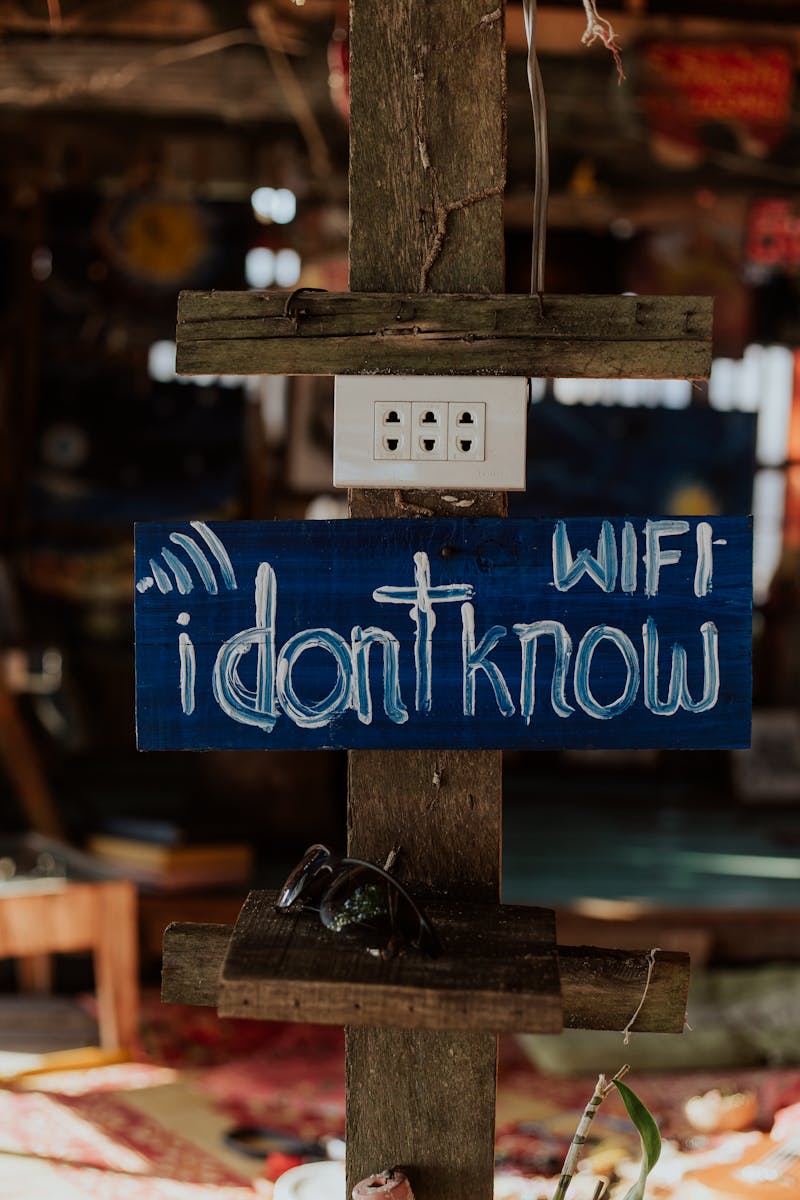
👉 My take: Wi-Fi is fine as a backup, but relying on it 100% is a recipe for stress and a clogged inbox. Also, you can guarantee it’ll vanish the moment you really need it — because that’s life.
Use it to “relieve” your phone’s data so you don’t burn through it, but otherwise, when you’re out and about, you will hate this option.
Option 3: Buying a Local SIM Card
This is the classic backpacker move. Land in a new country, find a kiosk or phone shop, buy a prepaid SIM, and pop it in.
Pros:
- Usually the cheapest option.
- Local carriers = local speeds and coverage.
- Sometimes includes a local number (handy if you need to call hotels or delivery drivers).

Cons:
- Involves waiting in line at the airport or hunting down a shop in town.
- Some countries require a passport to register. Maybe even a photo (looking at you, Nepal — that was weird).
- Swapping SIMs is fiddly — plus, it’s way too easy to lose your home SIM card while traveling. Some phones don’t even have ports anymore.
- You don’t have access to your home number because you took the SIM out.
- If you’re visiting multiple countries, you’ll need to repeat this process over and over.
👉 My take: If you’re staying in one place for a while, local SIMs are solid. But if you’re crossing borders or want less hassle, it’s not my first choice.
RELATED: 6 BEST International eSIMs for Data Abroad
Option 4: Portable Wi-Fi Devices (Pocket Wi-Fi)
These little gadgets are like personal routers you carry in your bag. They connect to local networks and let you share Wi-Fi with multiple devices.
Pros:
- Great for groups — one device can power everyone’s phones.
- Works with laptops and tablets easily.
Cons:
- You have to carry (and charge) yet another device.
- Expensive rental fees, plus deposits if you lose it.
- Forget it in your hotel room? Good luck until you go back.
👉 My take: Pocket Wi-Fi can be great for families or digital nomads who need multiple devices online. But for most trips, it just feels like extra baggage.
RELATED: Best eSIM for Europe | Travel Without Roaming Fees!
Option 5: eSIMs — The Game-Changer
This is my go-to now. An eSIM is a digital SIM card that lives inside your phone.
No swapping tiny plastic cards, no airport kiosks, no hunting for shops. You just buy a plan online, scan a QR code, and boom: instant data.

Why I love eSIMs:
- Instant setup — I usually buy mine the night before I fly.
- Works as soon as you land (maps! rideshare! hotel directions!).
- No risk of losing your physical SIM card.
- Many eSIMs now offer regional coverage, so one plan can cover you across multiple countries.
👉 GRAB YOUR ESIM: Holafly eSIM
5% off with discount code: NINA5
Throwback Moment: How I Survived Before eSIMs
Here’s where I have to laugh at myself. Back in my early years of travel (we’re talking over a decade ago), I didn’t have eSIMs. Heck, I didn’t even have data.
I literally used paper maps from my Lonely Planet, or used my guesthouse’s faintly printed map of the city. My “phone” was an old-school Nokia whose biggest perk — aside from actually making calls — was playing Snake.

Honestly, I don’t know how I survived. eSIMs have made life on the road so much easier. And yes, admitting I once relied on paper maps is really showing my age — eek! Shh… moving along…
My Experience With Holafly
There are a few eSIM providers out there, but Holafly is one I’ve personally used several times around the world. Setup was stupidly easy: I scanned the QR code, added the eSIM in my phone settings, and within minutes, it was ready.
When I landed, I just turned off airplane mode and had internet instantly. No fiddling, no waiting. Honestly, it feels like a small luxury.
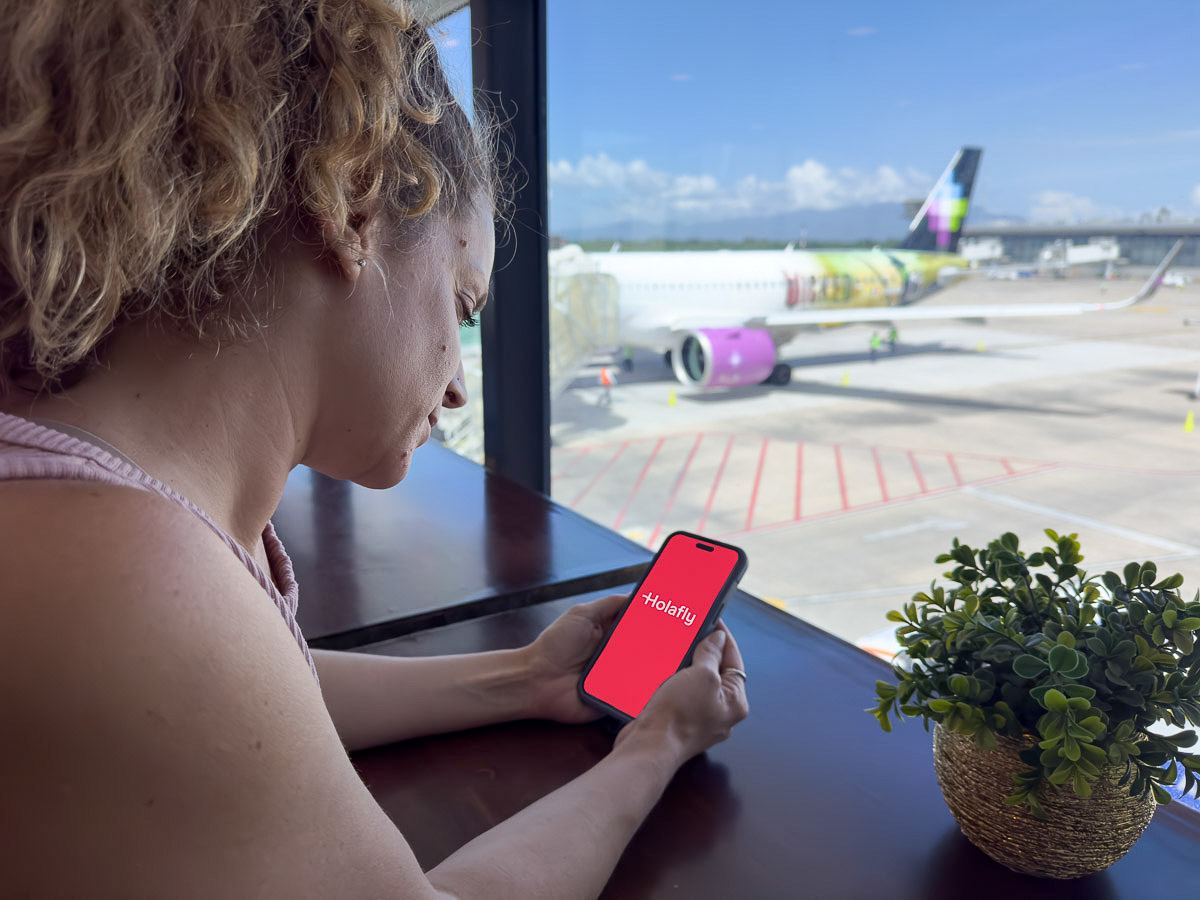
Holafly also stands out because most of their plans offer unlimited data (with fair-use limits, of course). They added hotspot/tethering too, which is a game-changer if you need to connect a laptop.
Another big perk? You can choose the length you want for your plan. So many other providers force you into rigid 7-day, 14-day, or 30-day plans — sometimes expiring before you even use up all your data. Holafly lets you pick a length that actually makes sense for your trip.
👉 GRAB YOUR ESIM: Holafly eSIM
5% off with discount code: NINA5
How to Choose the Right Option for You
So which internet option should you actually go with? It depends on your trip:
- Short trip: Roaming might be worth it for convenience.
- Budget backpacking: Local SIMs will stretch your dollars.
- Family/group travel: Pocket Wi-Fi can keep everyone connected.
- Frequent traveler / multi-country trip: eSIMs (like Holafly) save you the most hassle.
Personally, I lean eSIM every time now. I like landing and knowing I’m covered immediately, without wasting time in the airport. For me, the peace of mind is worth paying a little extra.
Tips for Smooth Internet While Traveling
- Install before you fly: With eSIMs, you can set everything up on home Wi-Fi and just activate it when you land.
- Check your phone compatibility: Not all older phones support eSIMs.
- Keep offline maps saved: Even with data, coverage can drop in remote areas — download Google Maps offline as a backup.
- Keep a phone number: I keep a U.S. number through GoogleFi so I can still call or text when needed. But remember, most eSIMs are data-only — so for calls, just stick to apps like WhatsApp or Messenger.
READ MORE: Holafly Review: Is This the Easiest Way to Get Data Abroad?
Final Verdict: Staying Connected Doesn’t Have to Be a Headache
There are plenty of ways to get online while you travel, from Wi-Fi cafes to pocket hotspots. But if you want the perfect mix of convenience and reliability, eSIMs have quickly become the top choice.
Holafly in particular has made my life so much easier — unlimited data, wide coverage, quick setup, and no fiddling with tiny SIM cards. It’s not the only option out there, but it’s the one that consistently saves me stress and keeps me connected when it matters most.
So next time you’re planning a trip, don’t be that person frantically searching for Wi-Fi at the airport. Get yourself sorted ahead of time, and step off the plane already connected. Trust me — your future, less-stressed self will thank you.
👉 GRAB YOUR ESIM: Holafly eSIM
5% off with discount code: NINA5
