
Living in Chiang Mai, Thailand as a Digital Nomad
I don’t know how I lived here on and off for years and never wrote this dang post, but here we are. Chiang Mai has been one of the world’s most popular digital nomad hubs for well over a decade, and honestly? It still hits.
I first lived here in 2013 when I was just getting started online. Came back in 2016. And now? I’ve been back again since 2024 — older, wiser, still eating Khao Soi on repeat, and now armed with the shiny new DTV visa that lets me stay up to 5 years without the visa-run circus.
This guide spills all the juicy details about what it’s really like living in Chiang Mai as a digital nomad. From finding an apartment and scoring a SIM card to dodging smoky season and knowing exactly which grocery stores sell good cheese and bulk nuts (important stuff, OK?!).
If you’ve been wondering if living in Chiang Mai as a digital nomad is still worth it — or if it’s just some outdated nomad cliché — keep reading. Spoiler: I wouldn’t be living here again if it weren’t still that good.
Can I Work as a Digital Nomad in Thailand?
Technically, working online while on a tourist visa isn’t legal, but it’s common. That said, Thailand is finally catching up with the times and offering actual visa options for remote workers (like the new DTV, more on that soon).
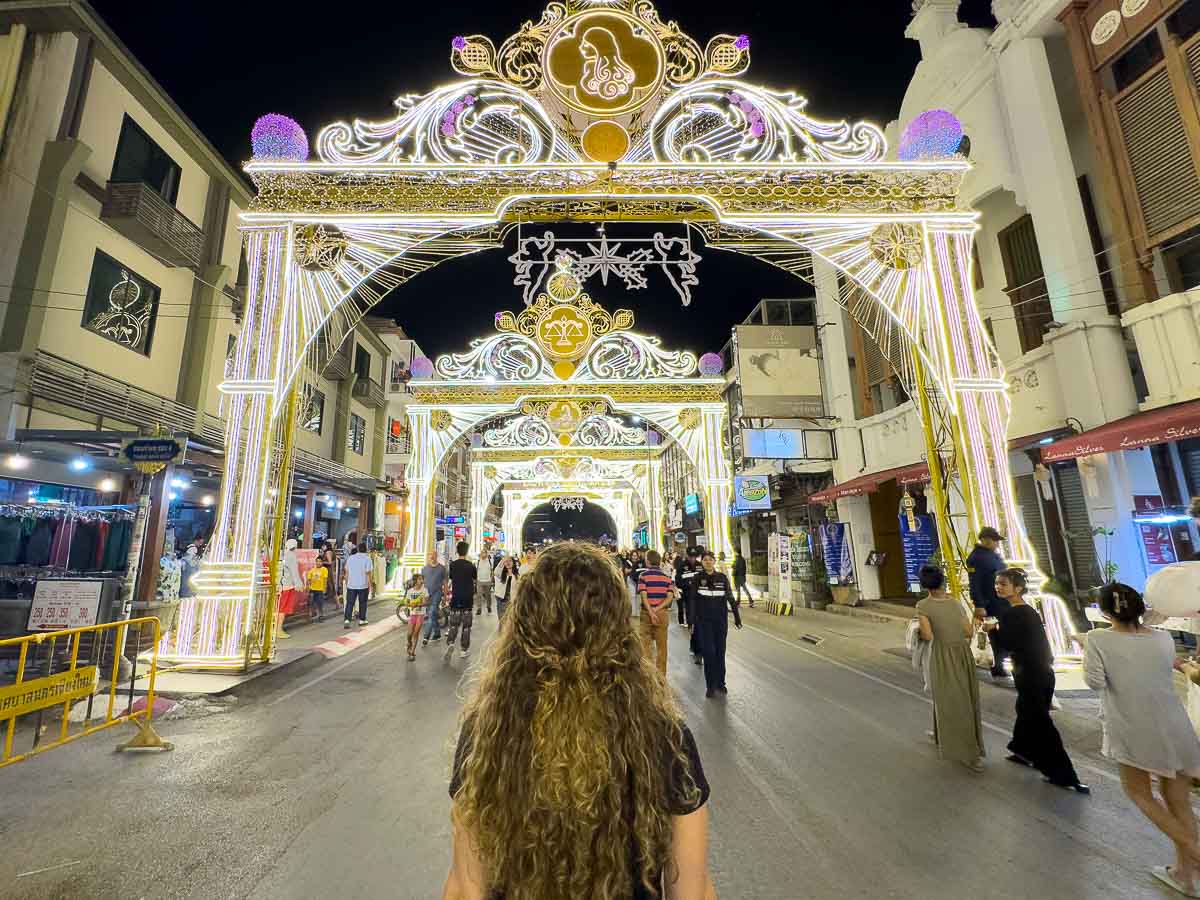
If you’re just passing through and working quietly from your laptop, you’ll be one of many. But if you want to stay long-term and actually settle in, there are better and more legal ways to do it now.
NOTE: All prices listed here are in baht (฿) and USD, with an estimated conversion rate of around ฿34 = $1. Exchange rates are constantly fluctuating.
Is Chiang Mai Good for Digital Nomads?
Still? Absolutely. Chiang Mai isn’t just some leftover trend from the early nomad days. It’s still one of the most livable places to work remotely, and it actually deserves the hype.

- It’s affordable. You can live comfortably without sacrificing good food, a decent apartment, or a social life.
- It’s low-stress. Renting a place, grabbing a SIM card, and finding great food is super straightforward.
- It’s safe. I’ve lived here on and off for over a decade, and I’d walk a street here at night any day over one back home. (Not that I wander the streets at night, but you know what I mean!)
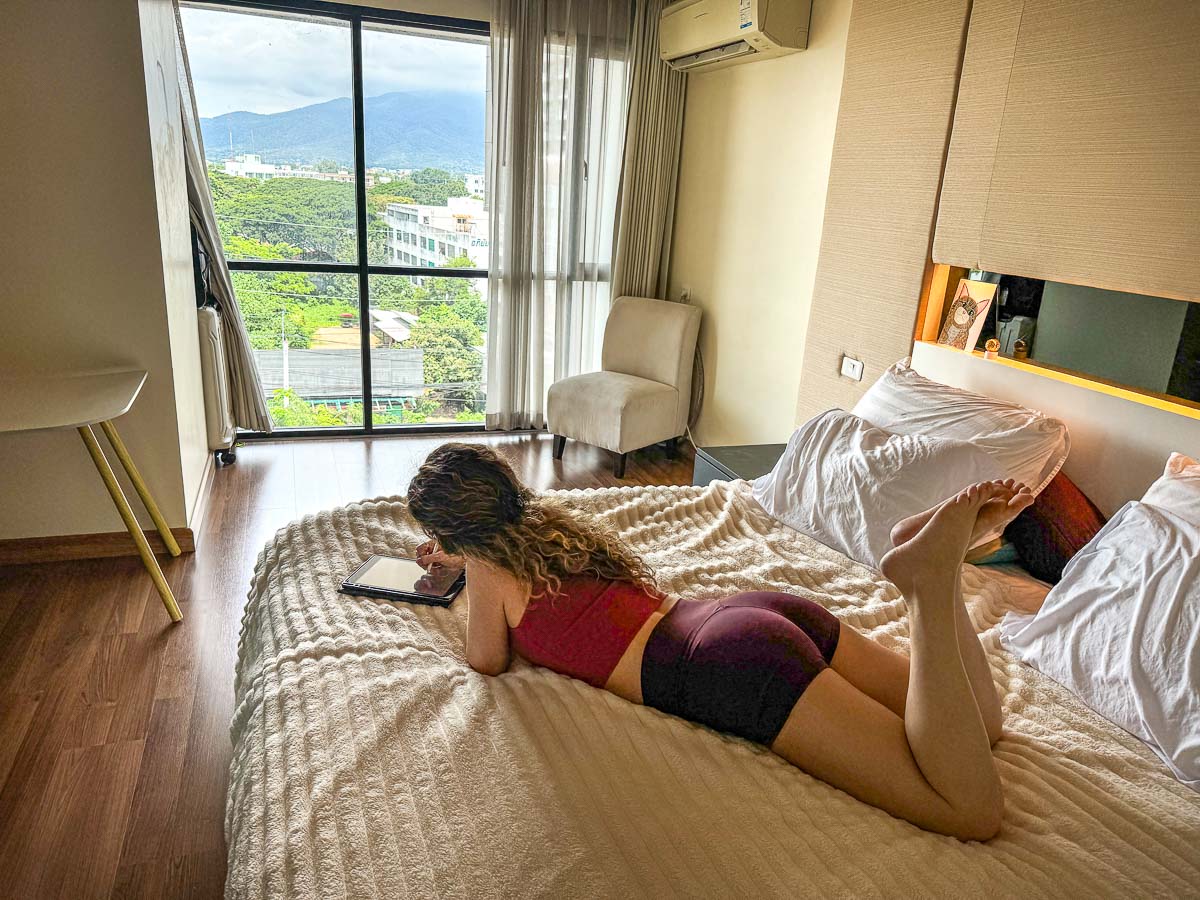
- It’s chill but functional. You get big-city perks (fast internet, coworking spaces, food delivery apps) without the constant sensory overload and concrete towers. My condo view has more tree tops in view than buildings, and I’m only a few minutes outside the square!
- It’s community-driven. There’s always someone hosting a meetup, building a thing, or casually talking crypto or new business ventures over craft beer or a cheap Singha.
Want a swanky condo with a rooftop pool? Done. Prefer a tiny street-side apartment next to a noodle stand? Also an option. Chiang Mai’s got room for all kinds of nomads—fresh newbies and seasoned laptop-hobos alike.
Do Digital Nomads Pay Tax in Thailand?
In most cases, no, unless you’re here long-term on certain visa types or meet tax residency thresholds (like 180+ days/year). Most nomads on tourist or education visas are still tax residents in their home countries.
BUT — if you’re on a work visa, DTV, or setting up a Thai business, you may have tax obligations. If you’re unsure, it’s worth talking to a local tax consultant.
Visas for Digital Nomads
There are plenty of ways to stay in Thailand, but the new Destination Thailand Visa (DTV) is finally one that makes actual sense for long-term visitors, especially digital nomads, creatives, and freelancers who have been flying under the radar for years.
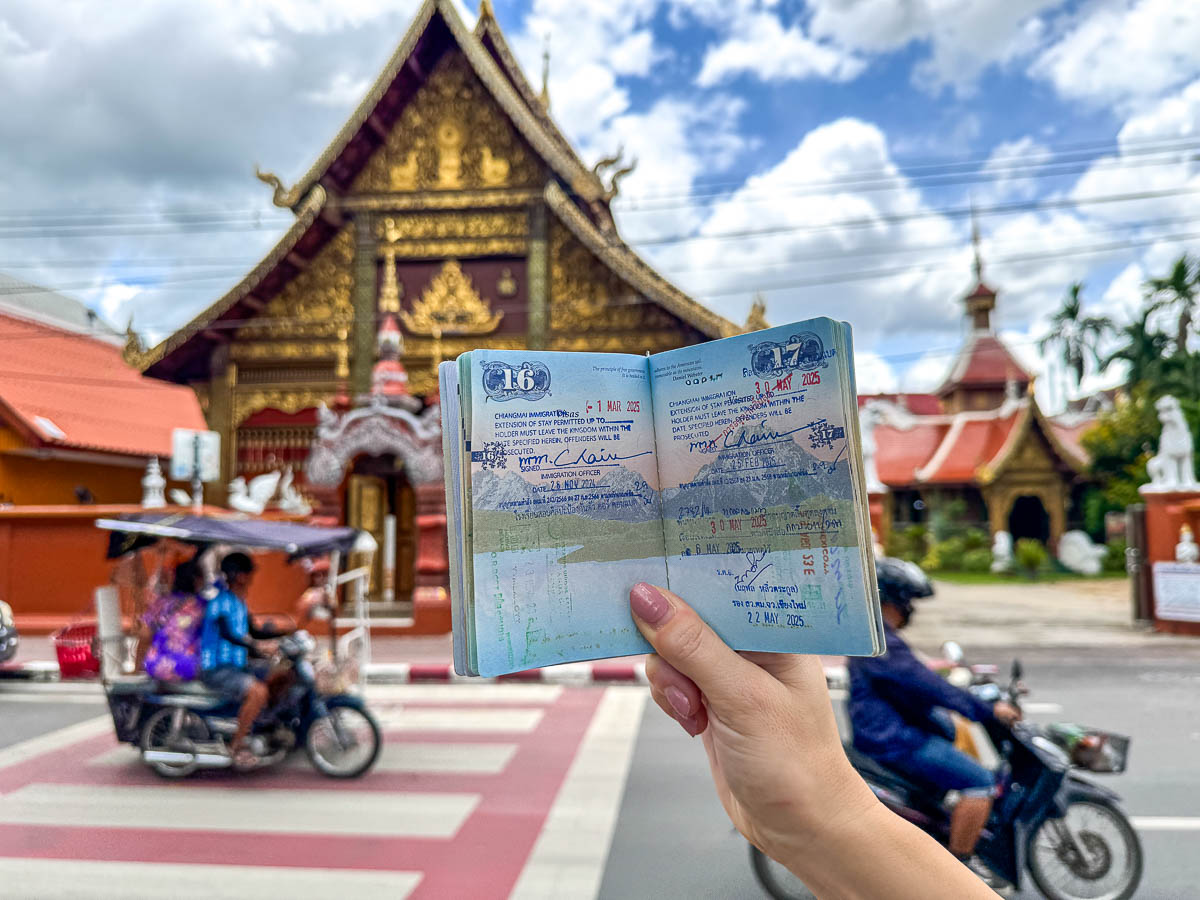
Introduced in 2024, the DTV visa offers a legal, flexible way to stay in Thailand for up to five years, with six-month entries and multiple re-entries allowed.
It’s ideal for digital nomads, but it’s also open to others with specialized skills or interests, not just remote workers.
Who is the DTV For?
The DTV isn’t just for people with laptops. It’s open to foreigners aged 20+ in several categories, including:
- Remote workers / freelancers (yep, digital nomads!)
- People involved in:
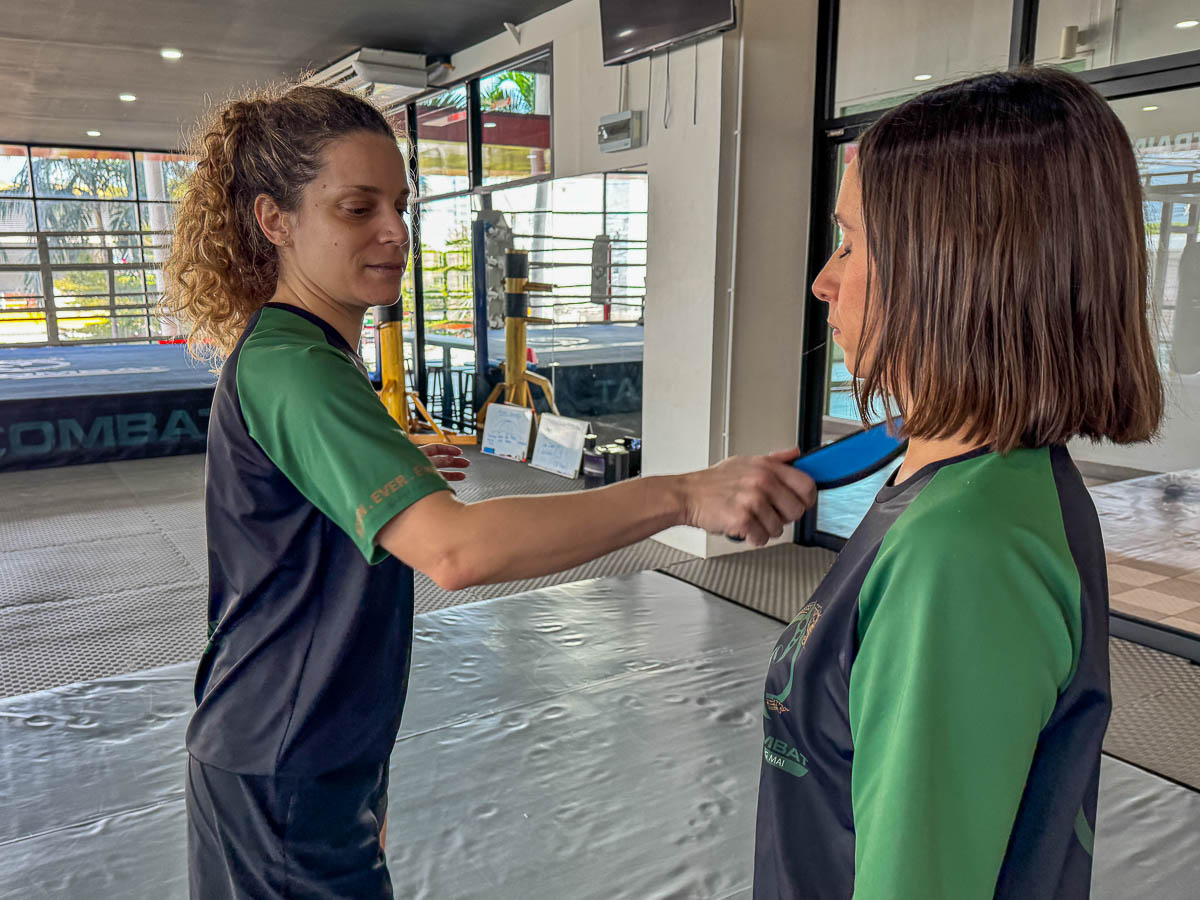
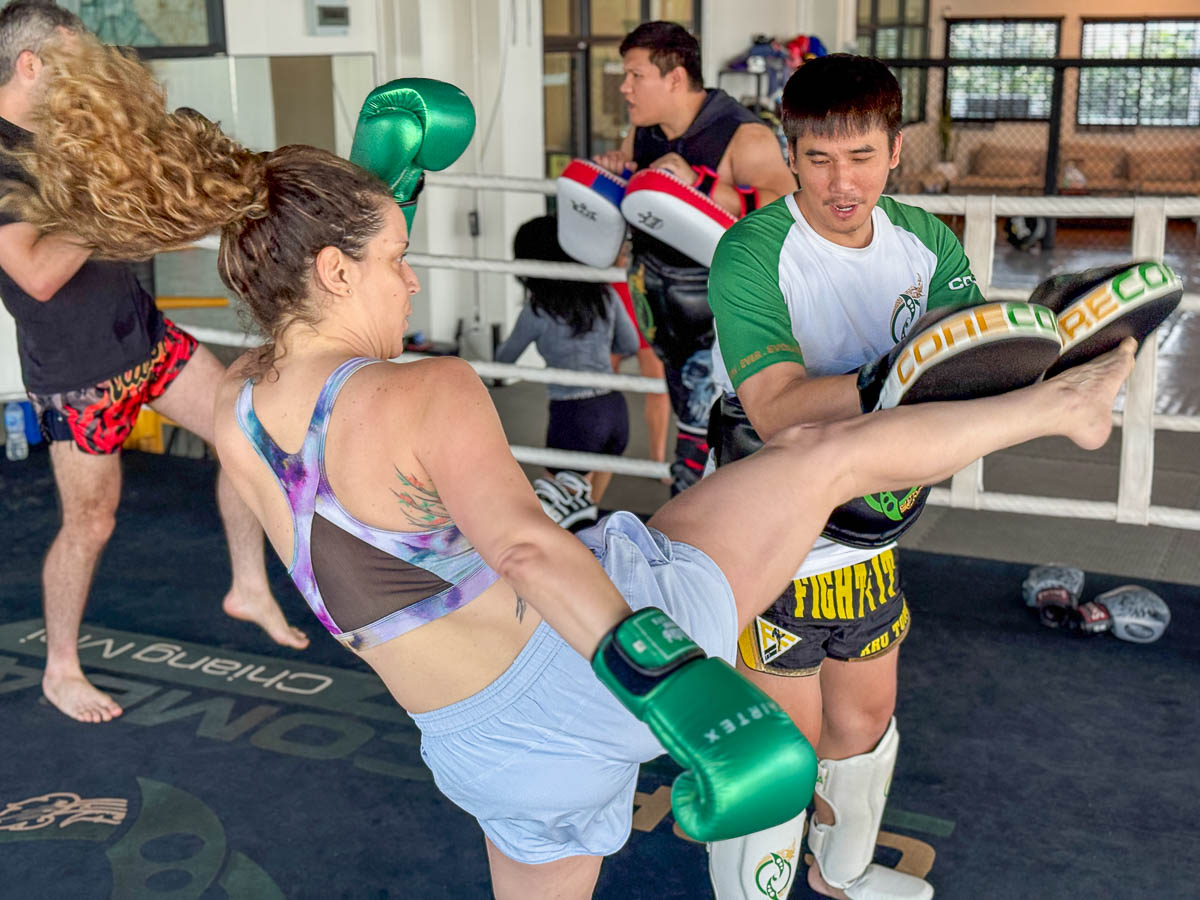
- Sports (e.g. Muay Thai, martial arts training)
- Culture, Culinary, & Arts
- Language learning
Basically, if you’re contributing to Thailand’s image abroad or actively engaging with its cultural exports, or you’re a digital worker with a stable income, this visa might work for you.
You don’t need to apply through the “digital nomad” lane specifically if you’re here to study Muay Thai or engage in another eligible soft power category. The general requirements are mostly the same.
Requirements for the DTV Visa
- Age: You must be 20+ years old
- Proof of funds: At least $15,000 USD in your bank account (maintained over the past 3 months)
- Remote work proof (if applying as a digital nomad): Invoices, portfolio, contract, or website that shows your work
- Soft power category proof (if applying through another path): Certificate of enrollment, training agreement, proof of activity, etc. Core Combat offers this program – Tell them Nina says hello!
Key Facts About the Visa
- Valid for up to 5 years, issued as multiple 180-day entries
- You must check in with immigration every 90 days
- You must leave Thailand every 180 days, but you can return right after (extension in country sometimes possible)
- Cost: ฿10,000 (~$300+ USD), though this may vary slightly depending on the Thai embassy you apply through
- Apply from abroad: You need to apply from outside Thailand — this visa can’t be converted from a tourist visa
My Experience
I got the DTV in 2024 under the digital nomad category, and it’s been such a relief not to worry about back-to-back visa runs or reapplying constantly.
I applied from Da Nang, Vietnam, which is a great spot to chill for a couple of weeks while your visa is processed.
I still travel in and out of Thailand frequently, so the six-month exit rule is no big deal, but the peace of mind that I can just come back anytime is huge.
It’s easily one of the best visa upgrades Thailand has rolled out in a long time.
I’ve actually stayed in Thailand through a few different visa types over the years.
One was the work visa, back when I was teaching English in Thailand — a super common option for those wanting a more structured setup and a job on the ground.
I also used an Education Visa before switching to the DTV. At the time, I was enrolled in self-defense and Muay Thai classes, which allowed me to stay long-term while training.
Coworking Spaces in Chiang Mai
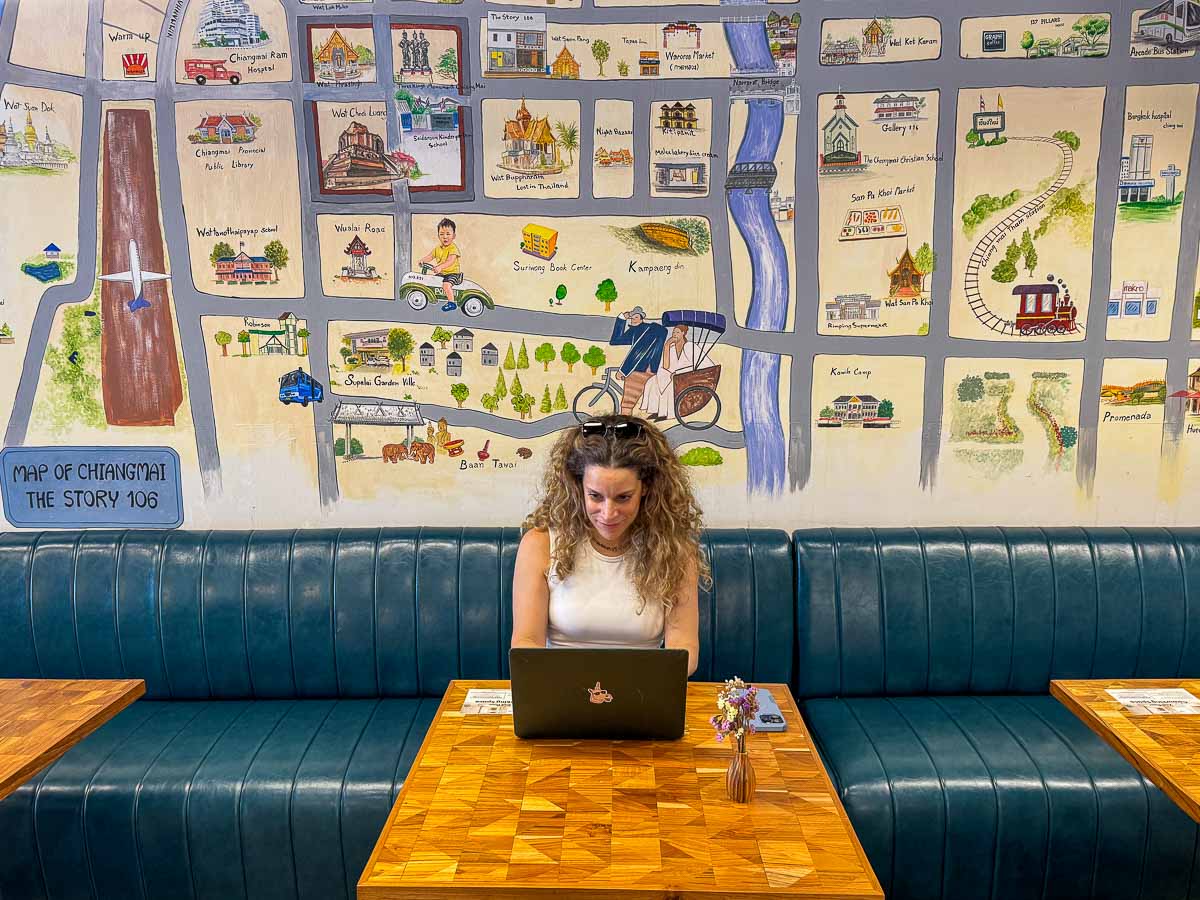
There are dozens — Punspace, Yellow, Alt_, Hub53, The Story 106, and more. They’re mostly in Nimman or near the Old Town, and most offer day passes or monthly options.
But real talk? I don’t go that often. I prefer working from home, especially when I have a killer desk setup and good enough internet.
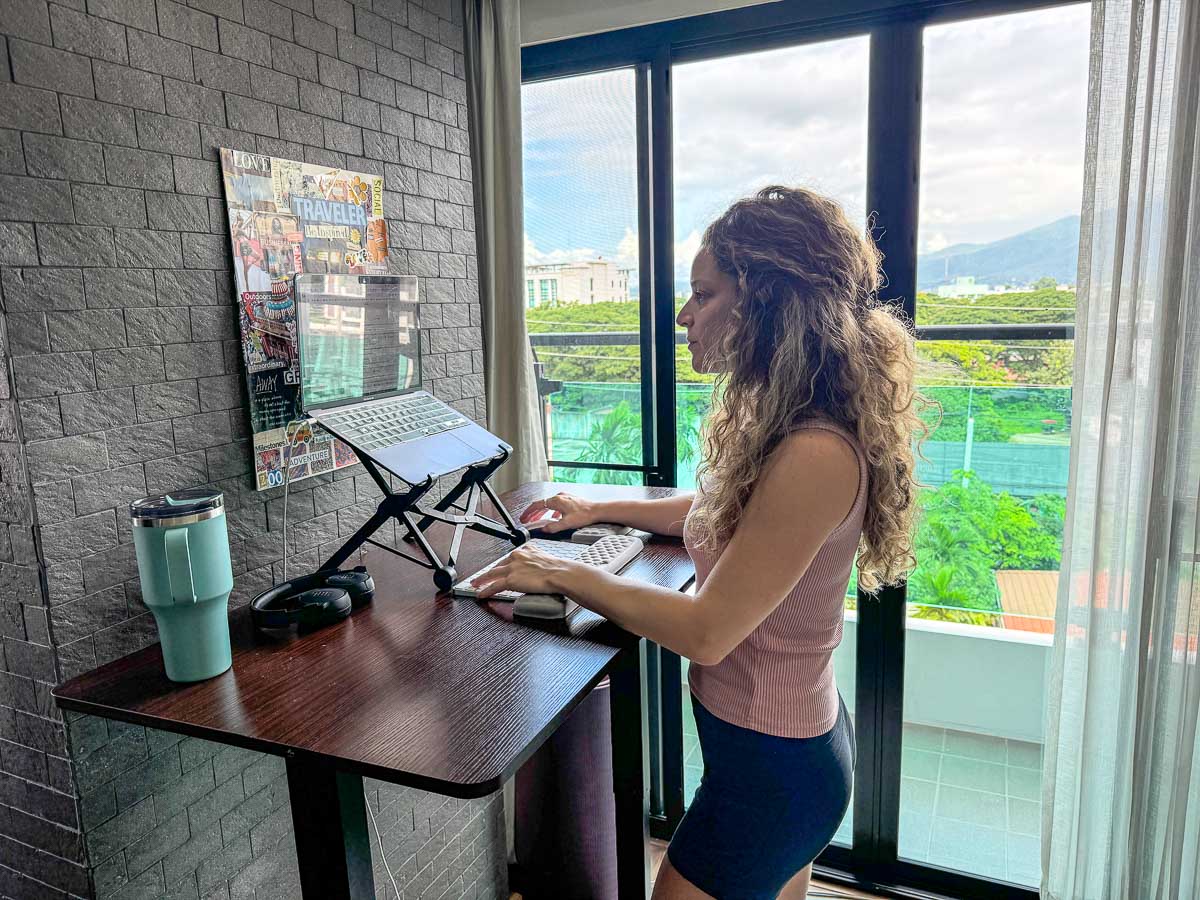
That said, coworking spots are great if you need a change of scenery, want to meet people, or are on a short stay and your apartment setup ain’t cutting it!
Pro tip: Please don’t treat random cafés like your personal WeWork unless they’re clearly okay with it. Order regularly, tip, and don’t hog space during the lunch rush. PLEASE don’t be that digital nomad in Chiang Mai.
Where to Live in Chiang Mai as a Digital Nomad
Chiang Mai is pretty compact, but where you stay in the city matters. What’s your vibe? What are you looking for? Here’s a quicky summary of each area I think is worth mentioning!
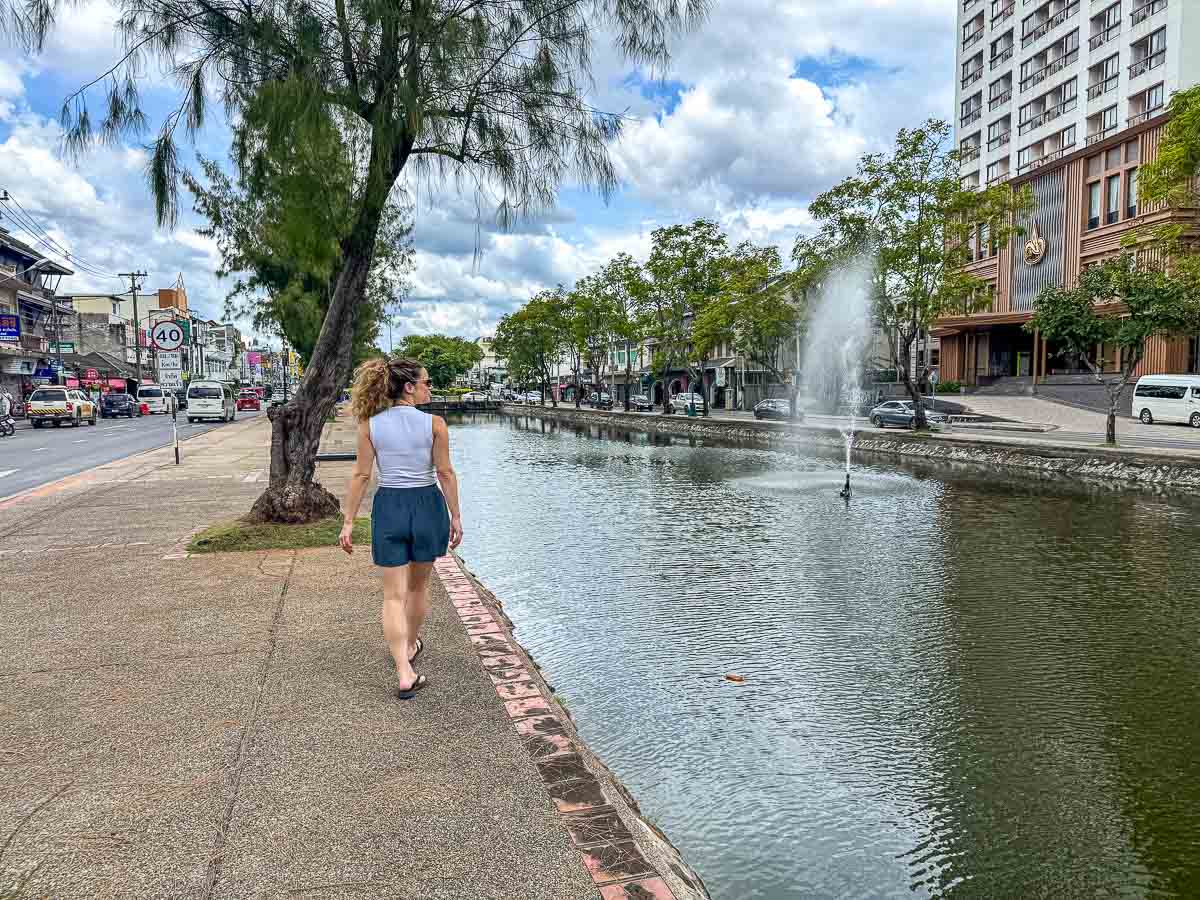
- Nimman: The OG digital nomad zone. Full of coworking spaces, trendy cafés, furnished condos, and craft beer joints. It’s walkable, foreigner-friendly, and a little bougie. Great for first-timers or anyone who wants to be in the middle of it all.
- Old Town: Surrounded by a moat and ancient walls, this is Chiang Mai’s historic heart. It’s beautiful, central, and touristy. A fun area to explore or stay short-term, but long-term living here means dodging temple-hopping crowds.
- Santitham: Just north of Nimman, a bit more local and budget-friendly. You’ll still find good cafés and apartments, but with fewer influencers and a more relaxed pace.
- Chang Khlan (near Night Bazaar): Southeast of Old Town — close to markets, malls, and more local life. Has some newer condos and good long-stay options.
- Central Festival area: Near a big mall and a bit more suburban-feeling. You’ll find modern high-rise condos and all the big stores (IKEA, Decathlon, etc.) nearby. Great if you like space and don’t mind being a bit outside.
- Hang Dong & Mae Hia: Further out, more suburban or countryside vibes. You’ll need transport, but it’s quieter and cheaper. Good if you want something super low-key or more house-style living.
How to Find an Apartment in Chiang Mai
You can book online at places like Airbnb, Booking.com, or Facebook groups, but long-term rentals are way better found in person.
At least that’s how I prefer to find mine, particularly if I’m staying for longer than a month or two.
Here’s our system:
- Book a hotel or Airbnb for 5–6 nights.
- Use Google Maps to spot big condos or apartment buildings, walk around and look for “for rent” signs, search Facebook…
- Ask to see the place in person.
- Repeat until you find your place.
We’ve never needed to extend our hotel stay; however, we have been doing this for years. The main point is to see the neighborhoods and the houses before deciding anything long-term.
You’ll find everything from basic Thai-style studios for ฿7,000/month (~$200 USD) to fancy 1- or 2-bed condos with gyms, pools, and mountain views for ฿30,000+ (~$900 USD).
We’ve done both ends of the spectrum depending on the season, the area, our bank account, and our mood. There’s so much inventory in this city, especially outside of high season, that you’re bound to find something great even if you’re picky.
TIP: This is for anywhere in the world, really—you’ll always find a better deal once you’re here.
Tips and Things to Know
Here are all the questions you probably have about actually LIVING in Chiang Mai as a digital nomad. Let’s get into it…
Transportation
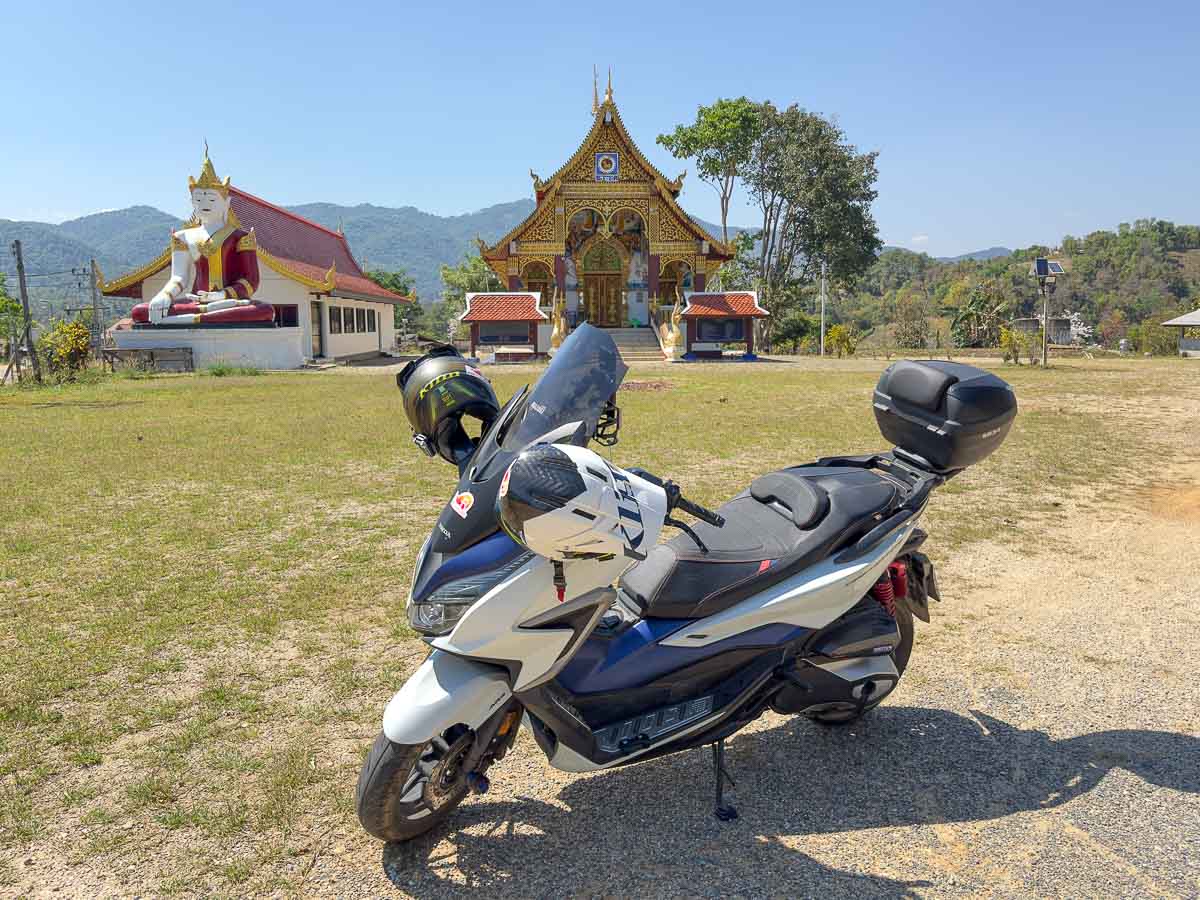
We bought a Honda Forza for ฿130,000 (~$3,700 USD) and use it for short trips and errands.
Gas is insanely cheap — we spend around ฿300/month (~$10 USD). I don’t drive (Chiang Mai traffic is controlled chaos), but Garrett’s solid on a bike. We’ll get most of that money back when we eventually sell.
Don’t ride? No problem:
- Grab (Thailand’s Uber) is widely available
- Bolt is usually cheaper, but I’d rather use Grab since it charges your card instead of using cash.
- Songthaews (red shared trucks) run fixed-ish routes
- Plenty of neighborhoods are fully walkable
Groceries & Food Shopping
You can eat super cheap or live a fancy life or do a mix of both:

- Rimping – import groceries, wine, fancy cheese, organics
- Macro – bulk buys: rice, pasta, nuts, cleaning supplies
- Big C / Lotus’s – regular supermarkets
- Local markets – the cheapest place to buy produce
- Grab – grocery delivery for when you’re lazy
- Meal prep delivery – we got 10 veggie meals per week delivered to our door daily for ฿2,150 (~$60 USD). We used this service.
Utilities, Mobile & Internet
This will depend on where you’re living, if it’s included in rent or not, etc, but here are some estimates.
- Water: ฿100–฿200/month (~$3–5 USD)
- Electricity: ฿1,500–฿2,000/month (~$42–56 USD) if you use A/C
- Internet: ฿500–฿1,000/month (~$14–28 USD) unless included
- Drinking water: You can’t drink from the tap — you’ll either buy bottles or use a refill service (cheap and easy, like $1.50 a crate)
- Home internet: ฿500–฿1,000/month (~$14–28 USD) if not included in your rent. Fiber is widely available and usually reliable
- SIM: I use a DTAC eSIM — one-year prepaid for about ฿2,200 (~$61 USD), Garrett uses AIS and tops up monthly (also cheap and easy)
Health, Fitness & Wellness

- Muay Thai / Self-Defense Classes: ฿3,500–7,000/month (~$97–195 USD)
- Gyms: Estimates depending on how fancy the gym is – Day pass ฿120 (~$3.60), Monthly memberships: often under ฿1,200 (~$37) – Plenty to choose from.
- Massages: ฿600–฿800/week for two (~$16–22 USD) for regular Thai, oil, or foot massages for one hour.
READ MORE: Cost of Living in Chiang Mai, Thailand
WANT TO MOVE ABROAD BUT OVERWHELMED BY OPTIONS?This guide gives you the *exact* steps, visa options, and decision tools to pick the best country for *you*.
GRAB THE GUIDE
No fluff. No BS. Just straight-up ✨virtual hand holding✨ so you can stop dreaming and get out of the US!
Seasons & Weather
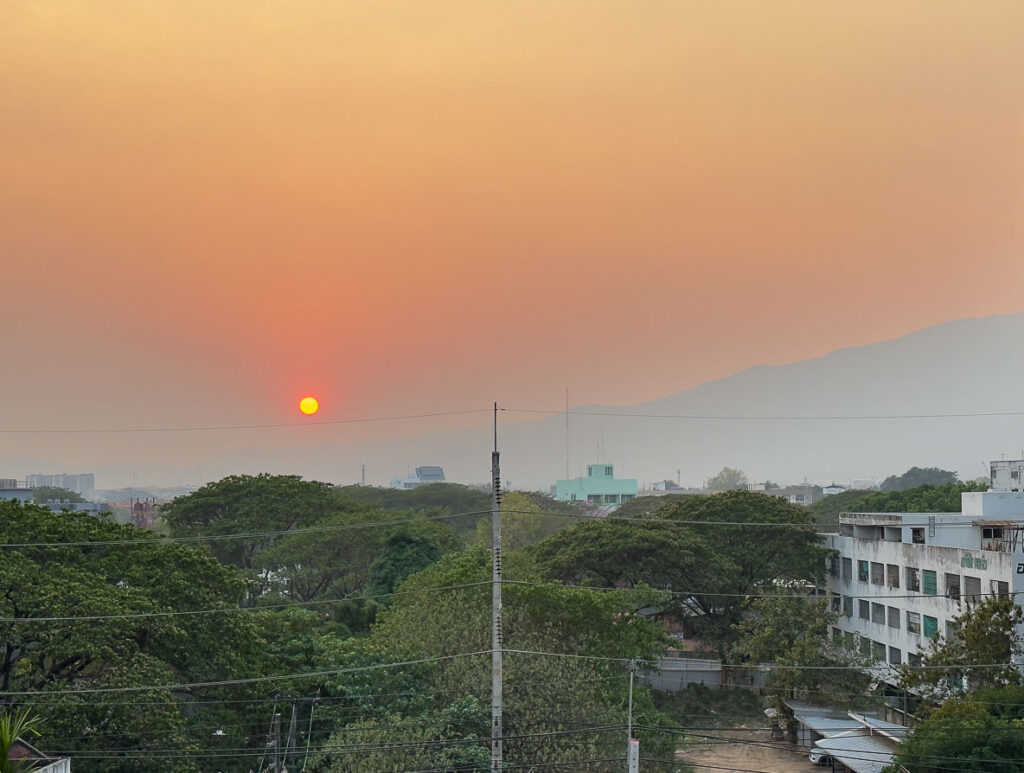
- Dry Season (Dec–Feb): High season — blue skies, cool temps, more tourists.
- Smoky Season (March–April): Don’t come. Agricultural burning makes the air quality awful. Some years are okay, some are not. If you’re sensitive, plan to leave. Also, these are the hottest months.
- Rainy Season (May–Oct): Green, cooler, and surprisingly nice. Expect short afternoon showers. Honestly, it’s my fav time.
- Flooding: Can affect neighborhoods along the Ping River — rare but real. If you live farther from the river, you’re likely unaffected.
Healthcare
You can get everything handled in Chiang Mai—mammograms, pap smears, dental, dermatology, labs—quickly and affordably. I usually go to Bangkok Hospital Chiang Mai (private, polished, super organized).
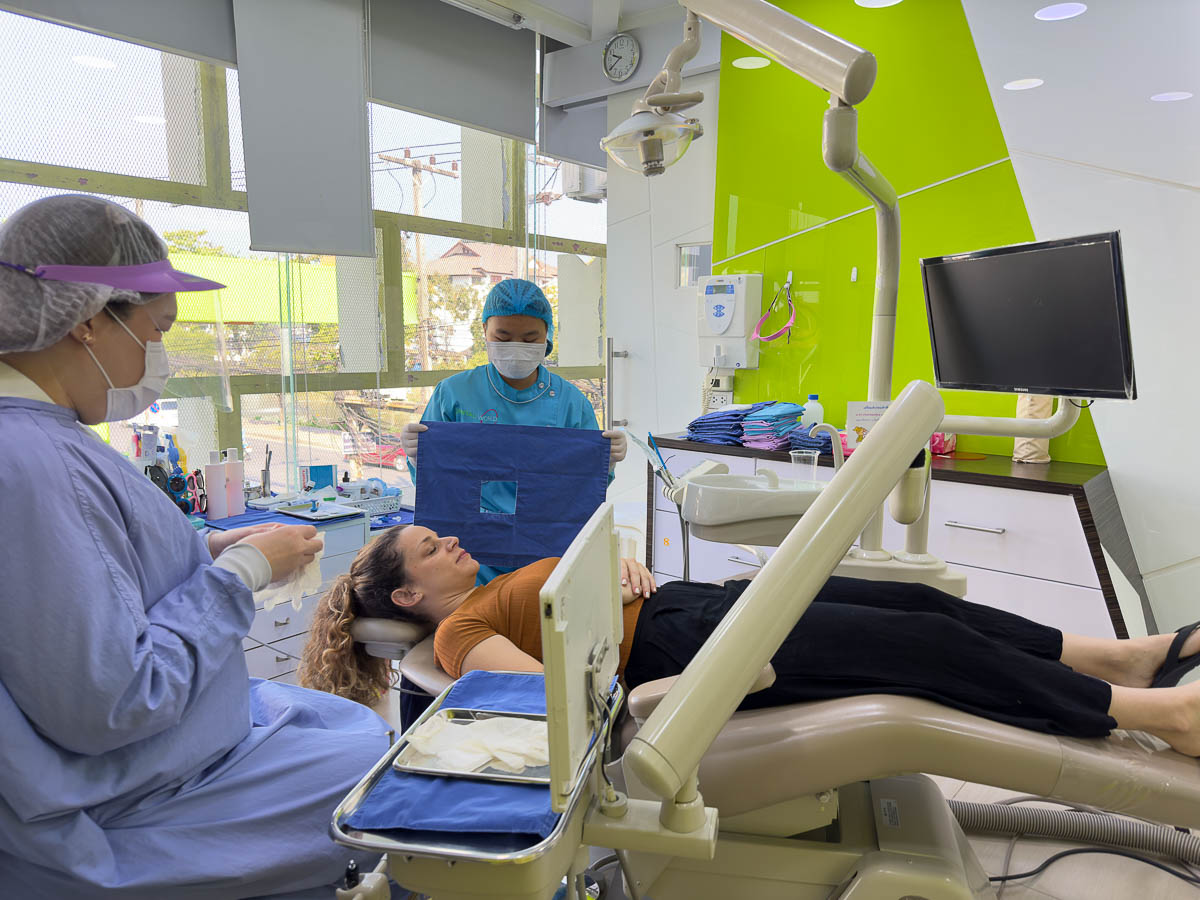
It’s pricier than smaller clinics but worth it for speed, English-speaking staff, and modern equipment. Cheaper options include Chiang Mai Ram and Rajavej (also private), plus plenty of excellent standalone clinics.
Typical ballpark costs (THB):
- Mammogram + breast ultrasound: ~3,500–5,500
- Pap smear (ThinPrep): ~1,200–2,000
- General doctor consult: ~800–1,500 (excludes tests)
- Derm consult: ~500–1,000; mole removal (small): ~1,500–3,000
- Dental cleaning + exam: ~800–1,500; fillings: ~1,000–2,500 each
- Basic bloodwork panel: ~800–2,500
- Pelvic/abdominal ultrasound: ~1,500–3,500
Pharmacies: Walk in, ask the pharmacist, and you’ll often walk out with what you need (many meds are OTC or easy to obtain with a quick doc consult). Prices are low compared to the U.S.
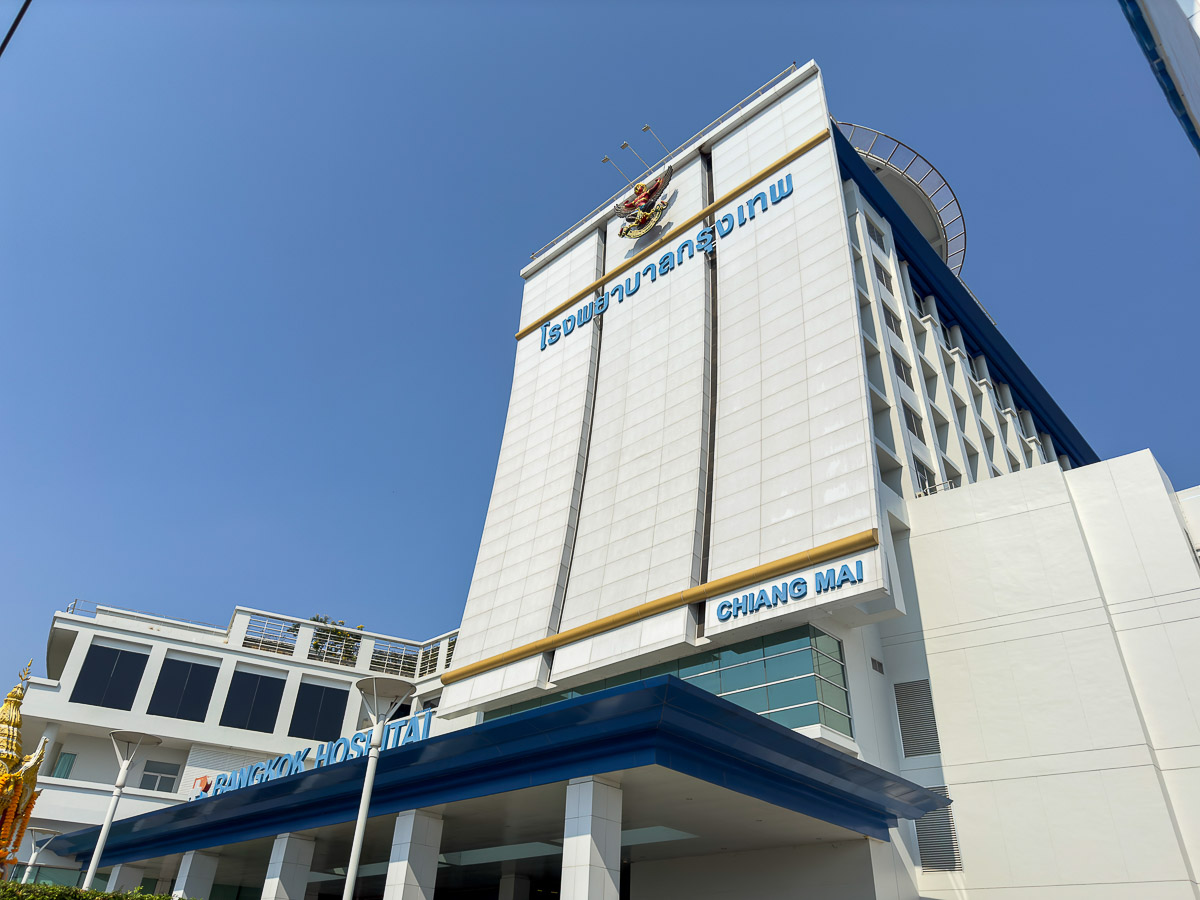
Insurance: Private hospitals expect pay after your visit; claim later with your insurer (e.g., SafetyWing/Nomad Health). Keep itemized receipts + doctor notes. For bigger procedures, ask about direct billing in advance.
How to book: I recommend booking online, and you will usually be accommodated within 72 hours. Alternatively, you can walk in if needed. We’ve done that too and never had to wait more than 20 minutes. Bring your passport.
My take: I do my routine maintenance here—mammogram, pap, skin checks, dental—because it’s fast, thorough, and reasonably priced. Bangkok Hospital CM is my go-to; you can go cheaper if budget is tight, but BKK Hospital is consistently “on it.”
Hidden/Unexpected Costs: Visa Runs & Exits
If you’re on a DTV or tourist visa, you’ll need to leave the country every 180 days. That could be:
- A full-on vacation to Vietnam, Laos, or Indonesia
- A quick visa run — like flying to Kuala Lumpur or Singapore overnight and coming right back
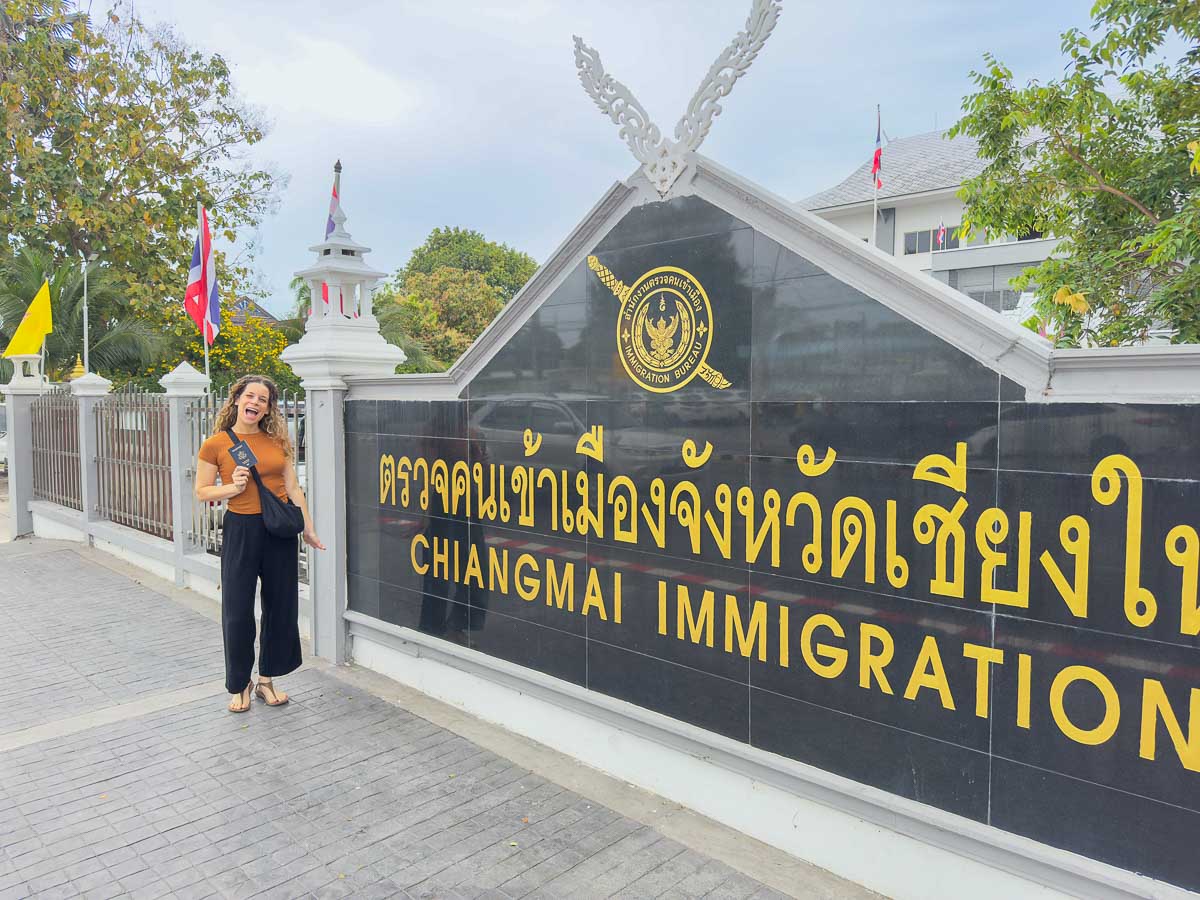
These trips aren’t crazy expensive, but they do add up. Think flights, hotels, meals, transport, easily $100–$300+ USD depending on how you do it. It’s one of those forgotten costs that sneaks into your budget if you’re staying long-term.
Some also choose to take a bus ride ALL day to the border and come back the same day, very cheap but kinda hell-ish if you ask me. Even the costs of just running to immigration to do extensions are something to keep in mind.
Other Living Tips

- Cleaning service: ฿300–฿800 per visit (~$8–24 USD) depending on the person, size of the house, if it’s in a condo, etc.
- Trash/Recycling: Handled by your building or local municipality. Just ask your landlord
- Laundry: Most condos have machines, or you can use local wash/fold services (฿30–฿50/load = ~$1–1.50 USD). Dryers are rare; use the sun!
- Facebook Groups: Join Chiang Mai Digital Nomads, Chiang Mai News, and niche groups for meetups, rentals, news, and events.
- Where to shop: Mr. DIY (cheap basics), Index Living Mall (furniture), Decathlon (sports), Macro (bulk everything, like Costco), Rimping (fancy groceries), Big C and Lotus (regular supermarkets), local markets (cheap produce)
- Learn Thai: If you’re not doing it for the visa, I’d recommend learning on Preply to make things uber convenient. This is what I do, check out my Preply Review.
So… How Much Does it Cost to Live in Chiang Mai as a Digital Nomad?
We’re a couple living comfortably in Chiang Mai — no hardcore budgeting, no packaged ramen-for-dinner energy.
We order Western food on weekends, get massages regularly, have a cleaner, and even splurge on things like meal delivery and Muay Thai training.
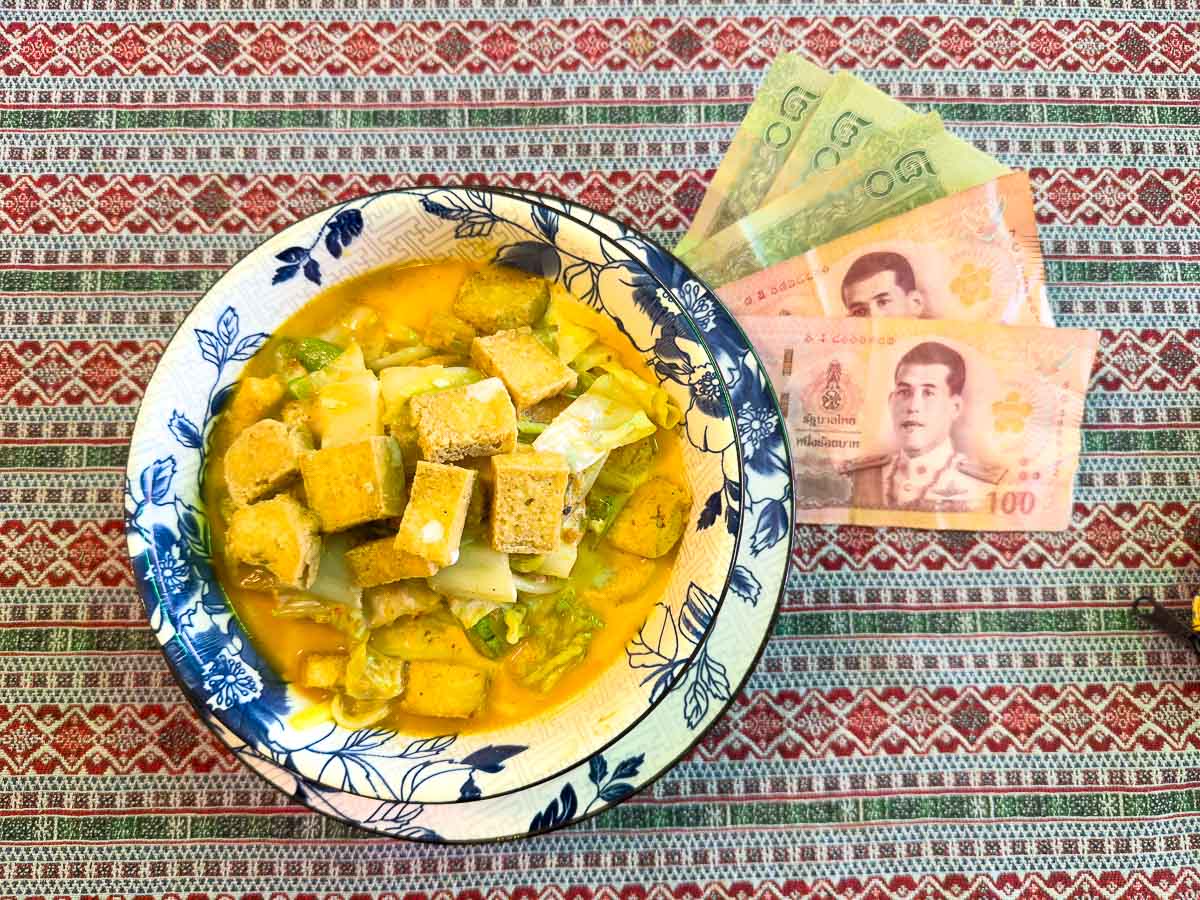
We spend around $2,000 USD/month and that’s living a darn good life, not a minimalist one.
You could easily spend much less if you’re solo, skip the fitness extras, or stick strictly to local eats. Chiang Mai’s flexibility is part of what makes it such a long-term favorite for digital nomads of all types.
You can read my guide on the cost of living in Chiang Mai for a more detailed breakdown.
My Experience Living in Chiang Mai as a Digital Nomad
I first lived here in 2013, again in 2016, and came back in 2024 on the DTV visa. I’ve lived all over Thailand (Pai, Krabi, Ayutthaya), but Chiang Mai always pulls me back.
It’s a city… but doesn’t feel like one. You get all the essentials—coworking spaces, international food, fast internet, and affordable housing, without the constant chaos.
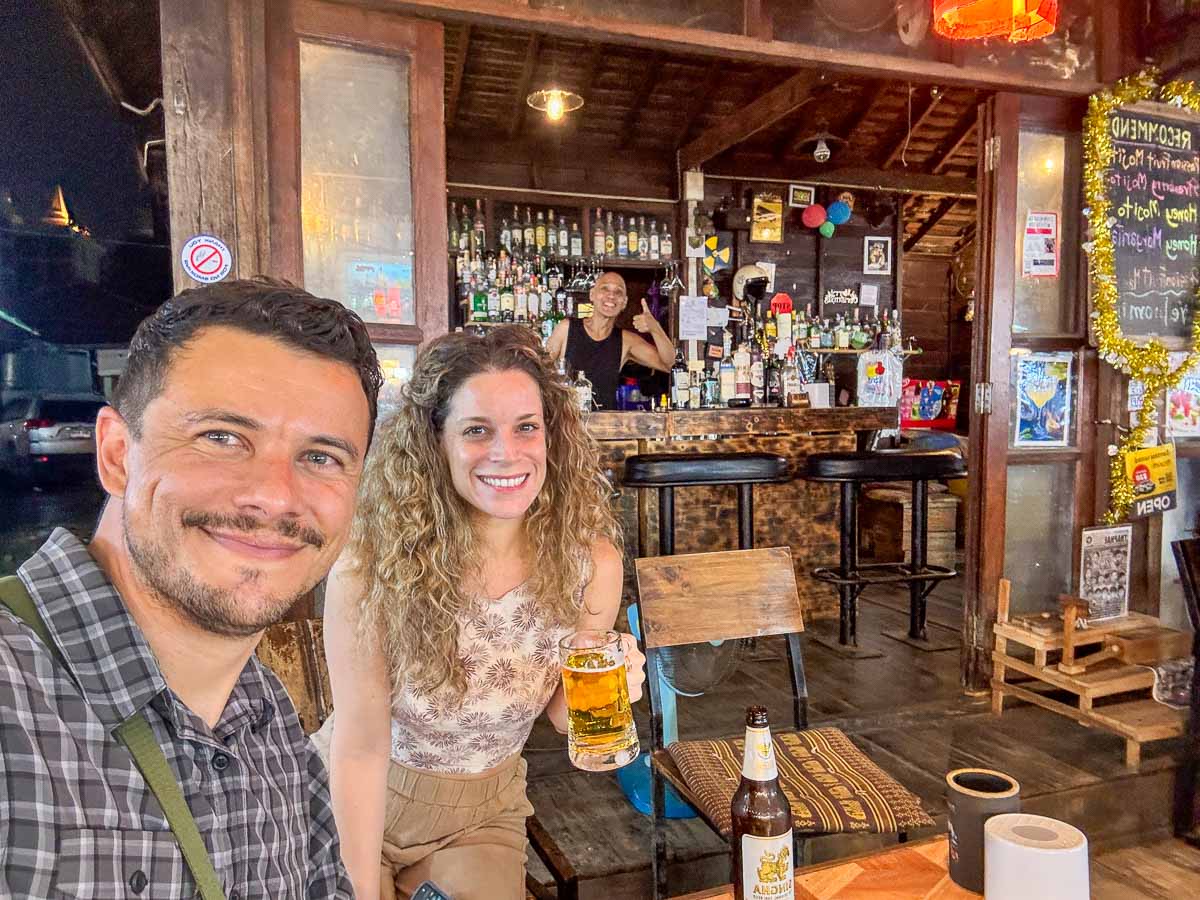
I live in a condo with a mountain view, a gym down the road, and street food outside my door. It’s walkable, friendly, and comfortable. And it still feels like Thailand, even with the growing mix of people that are around.
I can’t say enough great things, and hey, there’s a reason I keep coming back!
Final Thoughts on Living in Chiang Mai as a Digital Nomad
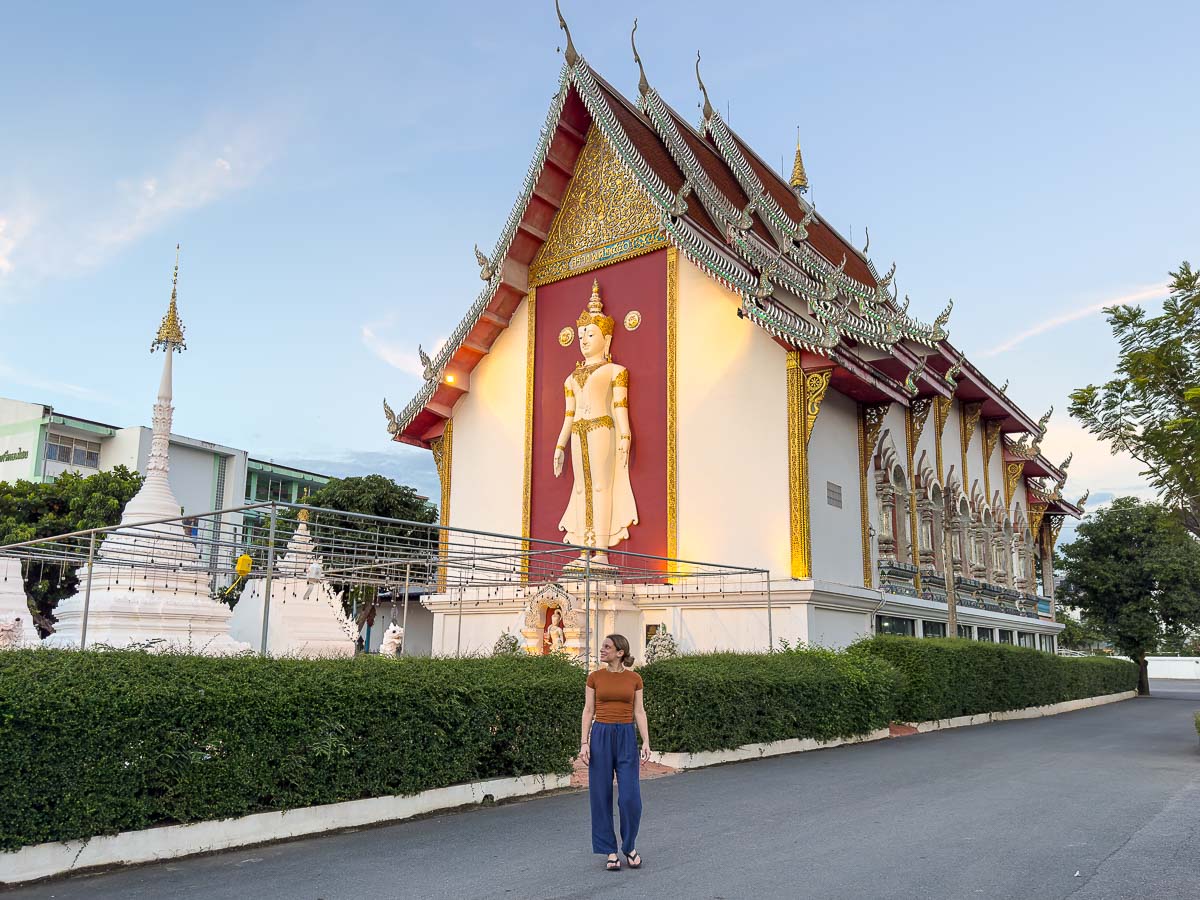
Chiang Mai has long been a favorite for remote workers—and for good reason. It’s affordable, easy to navigate, full of creature comforts, and rich with culture.
If you’re here to kickstart your digital nomad journey, train Muay Thai, or just soak up the vibe while working online, this city makes it all incredibly doable.
Is it perfect? No. The air quality has its bad months, visa logistics still take effort, and the expat/immigrant scene isn’t for everyone. But overall, it’s one of the easiest places in the world to live well on a modest budget.
After years bouncing around the globe, Chiang Mai continues to deliver.
I hope this helped you decide if living in Chiang Mai as a digital nomad is for you!
More On Living in Thailand:
Read more about living in Thailand:

This guide gives you the *exact* steps, visa options, and decision tools to pick the best country for *you*.
GRAB THE GUIDENo fluff. No BS. Just straight-up ✨virtual hand holding✨ so you can stop dreaming and get out of the US!