
Easiest Countries for Americans to Move To
Every week, someone asks me, “What’s the easiest country to move to?” And every week, I wish I had a simple answer. But I don’t. Because ‘easy’ depends entirely on who you are and what you need.
For some, Mexico is the easiest place to move. For others, it’s Portugal. For someone else? Thailand, Canada, or maybe even Albania.
Why? Because ‘easy’ isn’t just about a country—it’s about your situation, your passport, your job, your income, and how much hassle you’re willing to deal with.
So, instead of throwing out a random country name, let’s break this down properly. What actually makes a country easy to move to? And more importantly, what’s easy for you?
What Actually Makes a Country ‘Easy’ to Move To?
When people ask for the ‘easiest’ country, they’re usually thinking about one or more of these factors:
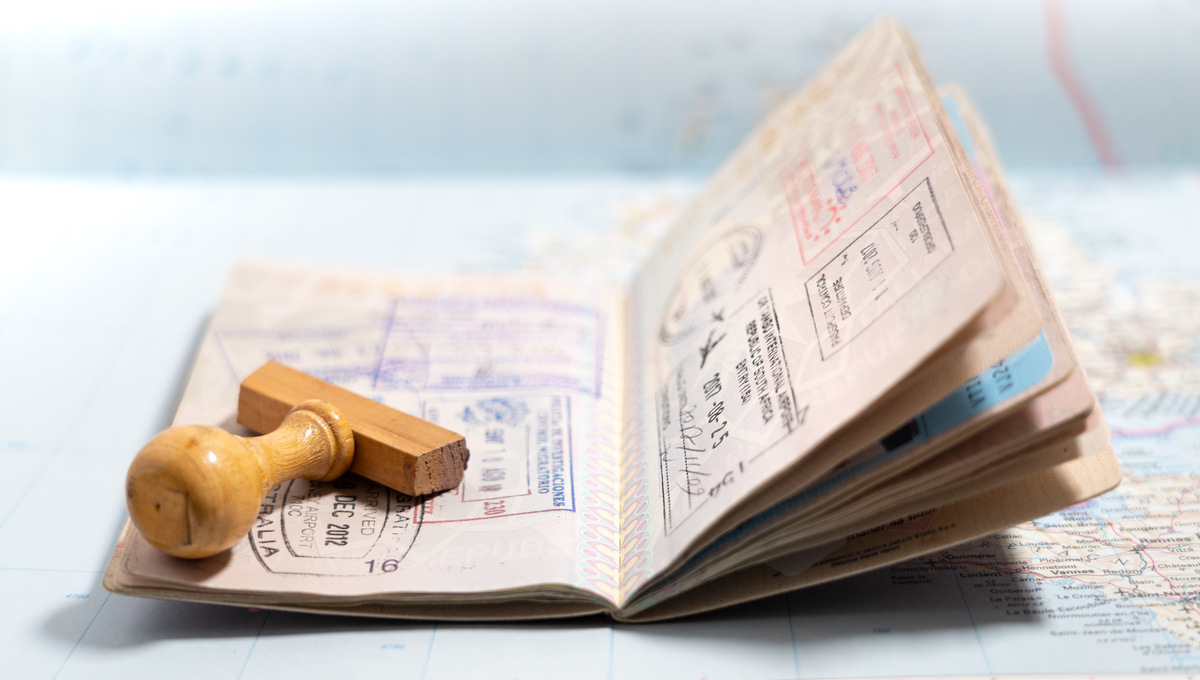
- Visa & Residency Rules – Some countries practically roll out the welcome mat. Others make you jump through hoops while juggling fire.
- Cost of Living & Financial Requirements – Can you afford to live there? Do they require proof of income or a big bank deposit?
- Work & Income Rules – Can you legally work? Is there a digital nomad visa? Do they welcome freelancers or only full-time employees?
- Language & Cultural Barriers – Do you need to speak the language, or can you get by in English for at least a while?
- Healthcare & Safety – Can you actually live there long-term without stressing about safety or medical emergencies?
A country that’s ‘easy’ in one category might be impossible in another. For example, Thailand has a great digital nomad scene and an easy tourist visa system—but getting long-term residency is another story.
Meanwhile, Germany has a clear path for skilled workers, but you’ll need a job contract before arriving. See how it’s not one-size-fits-all?
Who You Are Determines What’s ‘Easy’ for You
Rather than searching for a magic list, ask yourself: What kind of move do I want? Because what’s easy depends on your situation. Here’s how that breaks down:
*countries listed are simply examples, it’s not an exhaustive list!
1. Remote Workers & Digital Nomads
If you work online, your best bet is a country with:
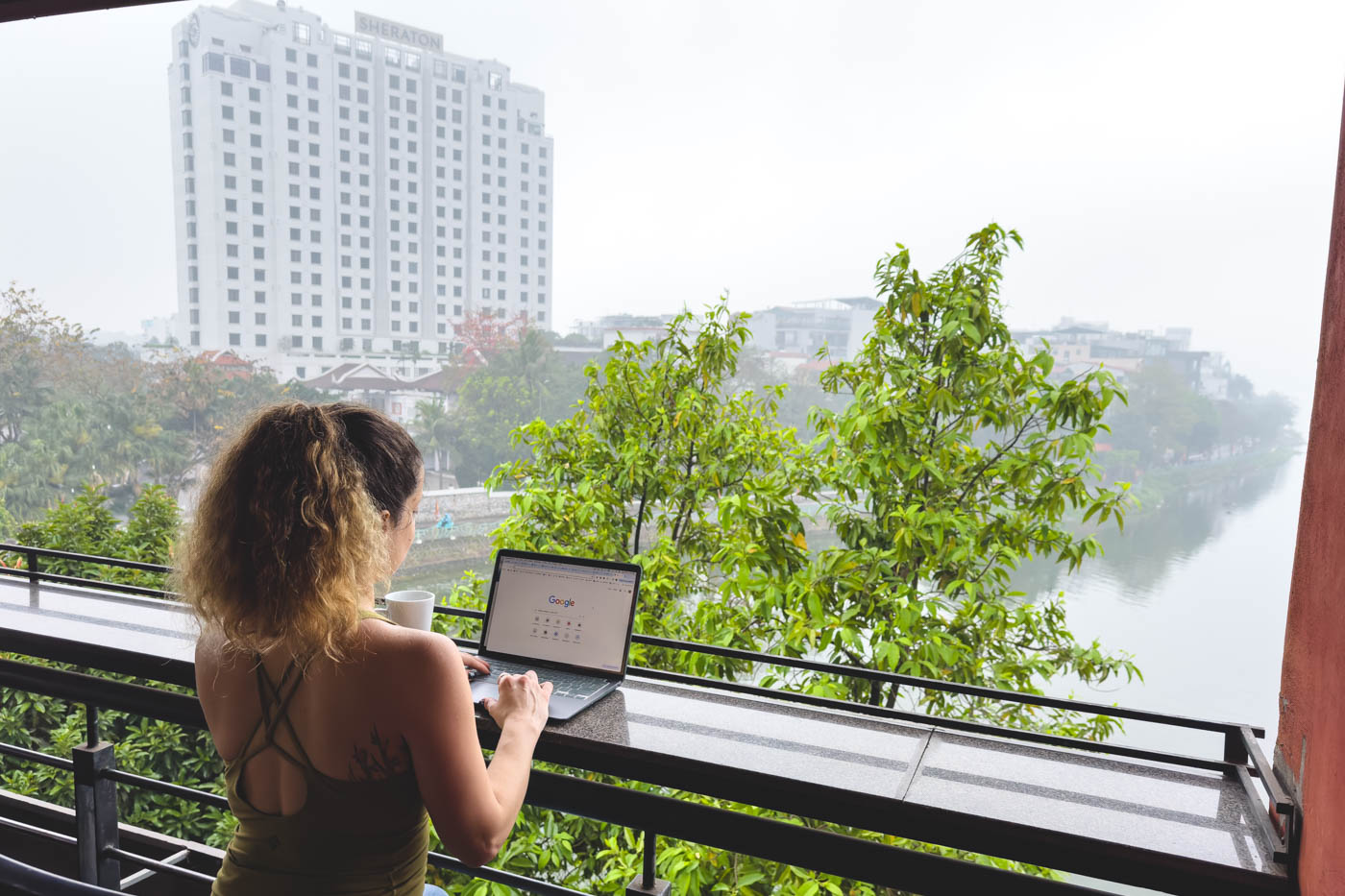
- A digital nomad visa (Portugal, Spain, Thailand, Mexico)
- A long tourist visa or easy extensions (Albania, Georgia, Indonesia)
- A low cost of living so your USD income stretches further (Vietnam, Colombia, Mexico)
RELATED: 21 Visas to Help Americans Move Abroad (That You Haven’t Heard of)
2. People With In-Demand Skills
If you need a job to relocate, you want a country that wants you, like:

- Germany (skilled worker visas for engineers, healthcare workers, IT pros)
- Canada (Express Entry for professionals, plus provincial nominee programs)
- Australia (skilled migration visas, though costly)
- Portugal (job seeker visa lets you look for work after arriving)
RELATED: Skilled Work Visas
3. Retirees & Passive Income Earners
If you don’t need to work, look for:

- Mexico’s Temporary Resident Visa (low income requirements)
- Spain’s Non-Lucrative Visa (perfect if you have savings or a pension)
- Costa Rica’s Pensionado Program (easy for retirees with steady income)
This guide gives you the *exact* steps, visa options, and decision tools to pick the best country for *you*.
No fluff. No BS. Just straight-up ✨virtual hand holding✨ so you can stop dreaming and get out of the US!
4. The ‘Just Want to Show Up’ Crowd
Some places make it easy to stay long-term with:

- Mexico’s 180-day tourist visa
- Albania’s one-year visa-free stay for US citizens
- Georgia’s one-year visa for remote workers and long-term travelers
RELATED: Longest Tourist Visas for U.S Citizens, How to Extend, & More
RELATED: Countries Where You Can Stay Long-Term on a Tourist Visa
Examples of ‘Easiest’ Countries Based on Different Priorities
Let’s be real: there’s no single “easiest country,” but if we break it down by goals, some places stand out:

- Easiest for Digital Nomads: Mexico, Thailand, Portugal
- Easiest for Getting a Work Visa: Germany, Canada, Australia
- Easiest if You’re on a Budget But Want Out: Albania, Georgia, Vietnam
- Easiest for Long-Term Residency or Citizenship: Portugal, Spain, Mexico
RELATED: 39 Cheapest Countries in the World
The Reality Check – Moving Is a Process
No matter where you go, it won’t be 100% easy. Even if a visa is simple, you still have bureaucracy, cultural adjustments, and challenges.
- You won’t get everything instantly. Residency, work rights, and healthcare take time.
- You might have to compromise. Maybe you can’t get the perfect visa but you can move somewhere with fewer hurdles.
- Partial access is still better than being stuck. Even if you don’t get every “luxury,” living abroad might give you a better quality of life than staying where you are.
Things to Research Before You Move
If you’re serious about moving abroad, here’s what to look into:
✅ Visa options – What’s actually available to you?
✅ Cost of living – Can you afford to live comfortably?
✅ Healthcare – Will you have access to medical care?
✅ Work situation – Can you legally work, be remote, or need to be self-sufficient?
✅ Language barriers – Will not knowing the language make life difficult? How quickly can you learn?
✨Everything you need to know to move abroad✨
Final Thoughts
There’s no universal ‘easiest country,’ but there is a best option for you. Instead of looking for a simple answer, figure out what matters most to your situation—and go from there.
You do have options. It’s just a matter of choosing the right one for YOU!


This guide gives you the *exact* steps, visa options, and decision tools to pick the best country for *you*.
GRAB THE GUIDENo fluff. No BS. Just straight-up ✨virtual hand holding✨ so you can stop dreaming and get out of the US!