
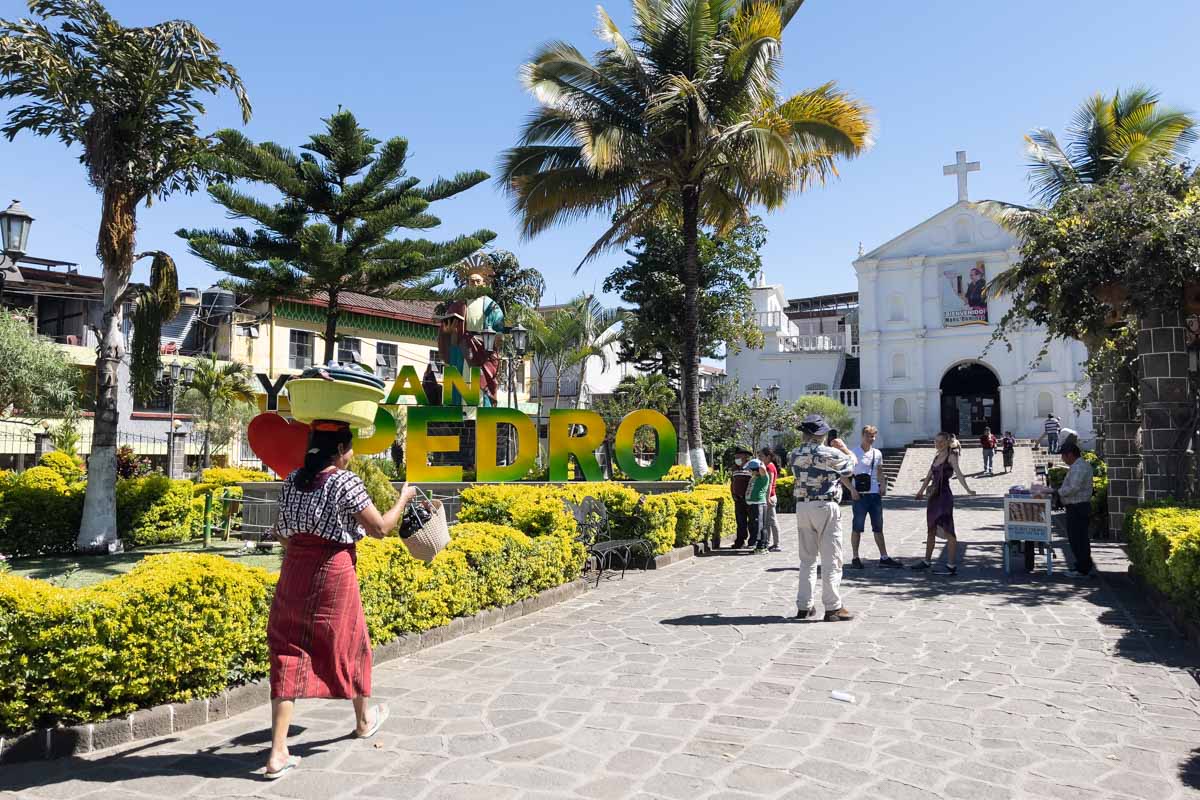
Guatemala Travel Tips and Budget
Guatemala is one of those countries that quietly hooks people. You come for volcanoes, lakes, and colonial towns… and somehow end up staying longer than planned.
It’s affordable, adventurous, chaotic in small doses, and very backpacker-friendly.
This guide is for first-time backpackers, budget travelers, and long-term travelers who want the basics before landing.
How to get around, how much things cost, what’s actually worth worrying about, what’s overhyped, and what will make your life easier.
Think of this as advice from a friend who’s already stumbled through it. I got you! Here are my tips for traveling Guatemala.
1. Getting Around Guatemala
Use buses and shuttles as transportation — if you value your time and sanity.
- Guatemala has “chicken buses” (colorful old local buses) and tourist shuttles. Chicken buses are dirt cheap — think $1–$5 for medium routes — but they can take twice as long, involve multiple transfers, and pack people in tight. A 3-hour shuttle ride can easily turn into a 6-hour chicken bus adventure. Cool experience, but you sacrifice time.
- Shuttles cost more (usually $15–$30+), but they pick you up at your hotel, drop you at your next hotel, and save a lot of friction. Decide what your time is worth and choose accordingly. I’ve done my fair share of chicken buses, so this is what I opt for!
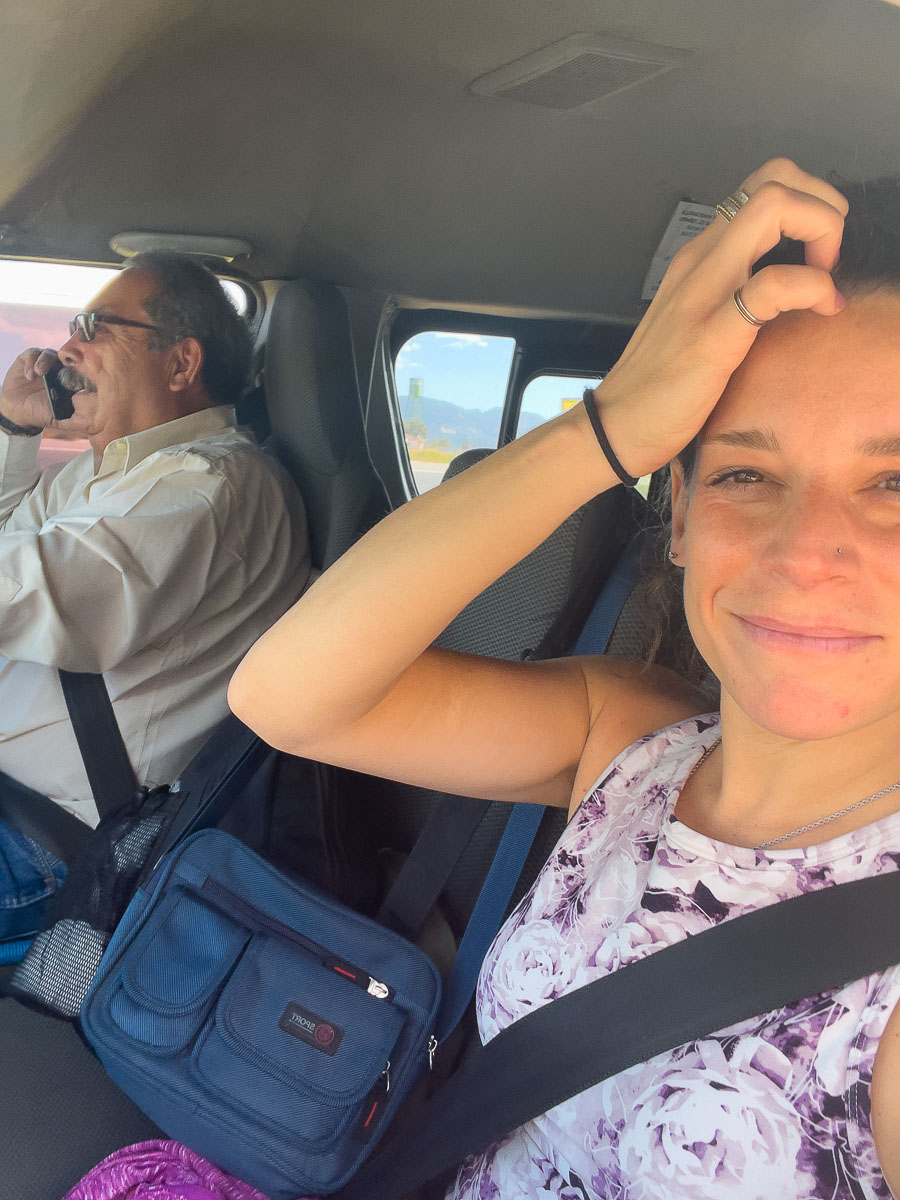
Booking transport on a whim is possible, but popular routes do sell out. If you have a loose schedule, you’re fine. If you’re working remotely or timing a volcano hike, pre-book.
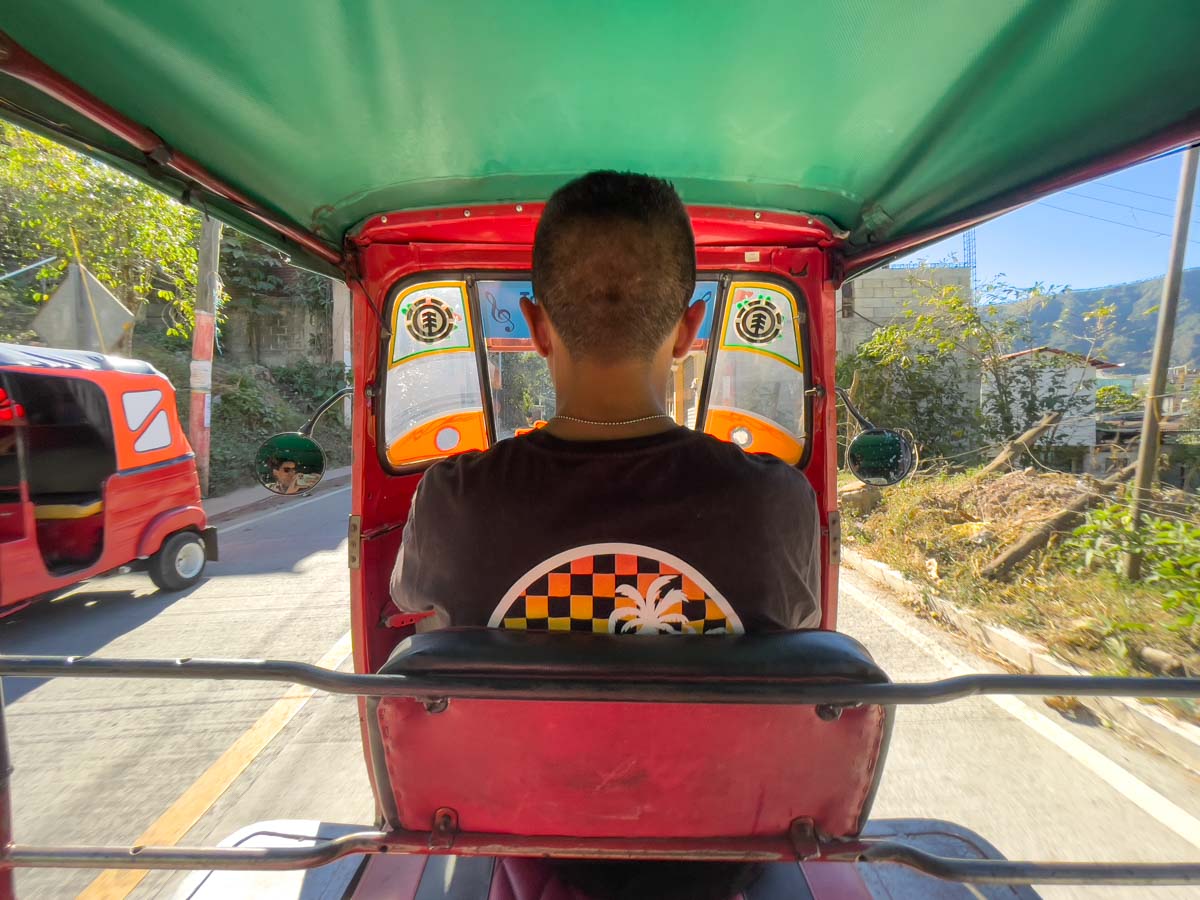
Taxis, tuk tuks, and Ubers are all common. Ubers work in Antigua, Xela, and Guatemala City. Tuk-tuks are great for short hops in smaller towns. Taxis are affordable, just agree on the price first.
👉 SEARCH BUSES AND SHUTTLES:
Check for routes and times
2. Safety & Common Sense Stuff
I personally had zero safety issues in Guatemala. That said… I travel with street smarts turned ON.
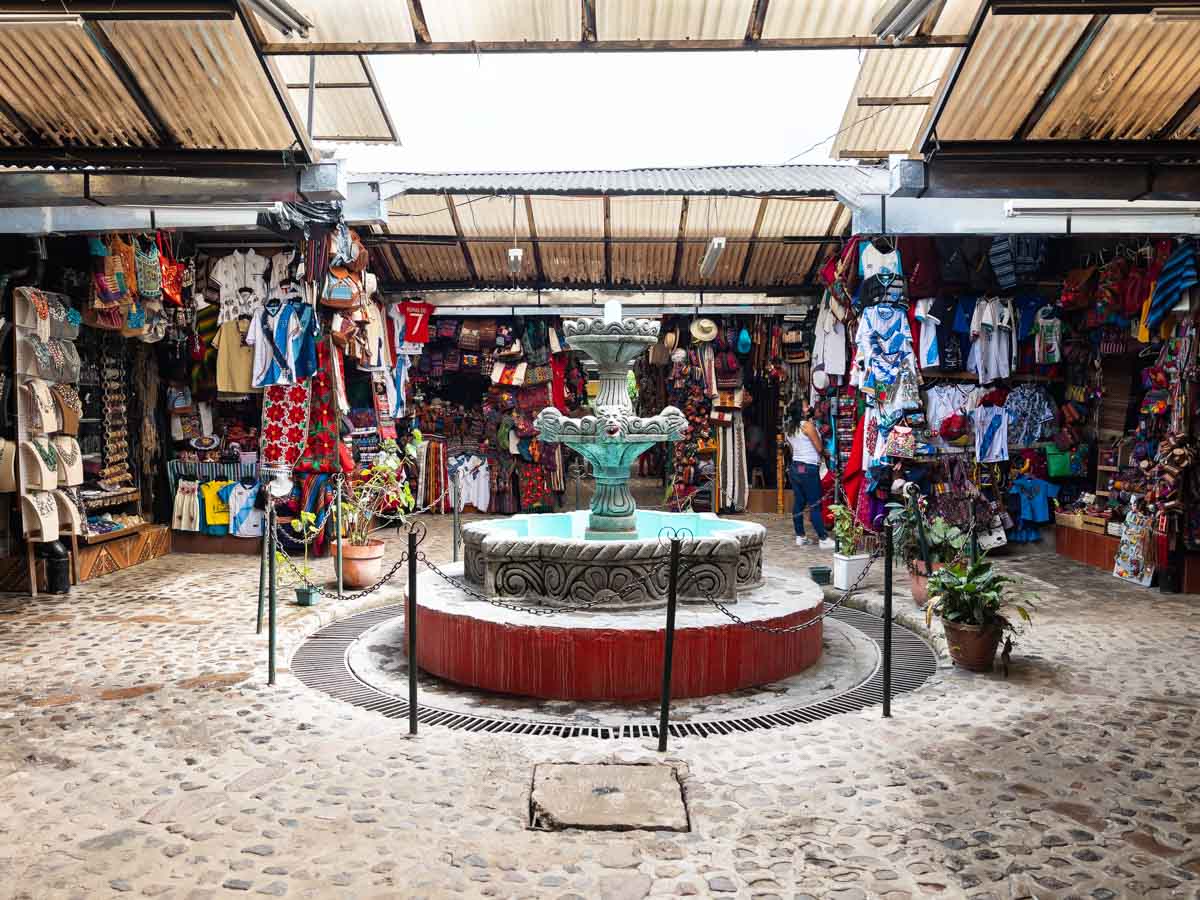
- Use anti-theft bags. I always travel with my anti-theft bags. Zippers that lock, slash-resistant fabric, hidden pockets — all boring features that prevent annoying problems. Mine still look new after years of abuse.
- Nighttime rules: I don’t get smashed and wander around alone. Ever. Go out with people, pace yourself, and use safe ride homes.
- ATMs only — skip currency exchanges. Exchanges are where people get burned. Use ATMs inside banks or grocery stores. Bring a card with no foreign transaction fees and always check that your destination town actually has an ATM (El Paredon does NOT).
- Bring the right debit and credit cards – More about good travel cards here.
- Keep copies of your documents. I’m reminding you as your mom would. Screenshot your passport, insurance, and important bookings. Email them to yourself. Save offline. You’ll thank yourself if your phone dies or something goes sideways.
3. Money & Budget Expectations
Overall, Guatemala is still a very budget-friendly country, but prices do vary depending on where you are, how you travel, and how “local” your choices are.
Most backpackers today spend roughly $40–$70 per day, while travelers opting for private rooms, shuttles, and a few tours often land closer to $60–$90 per day.
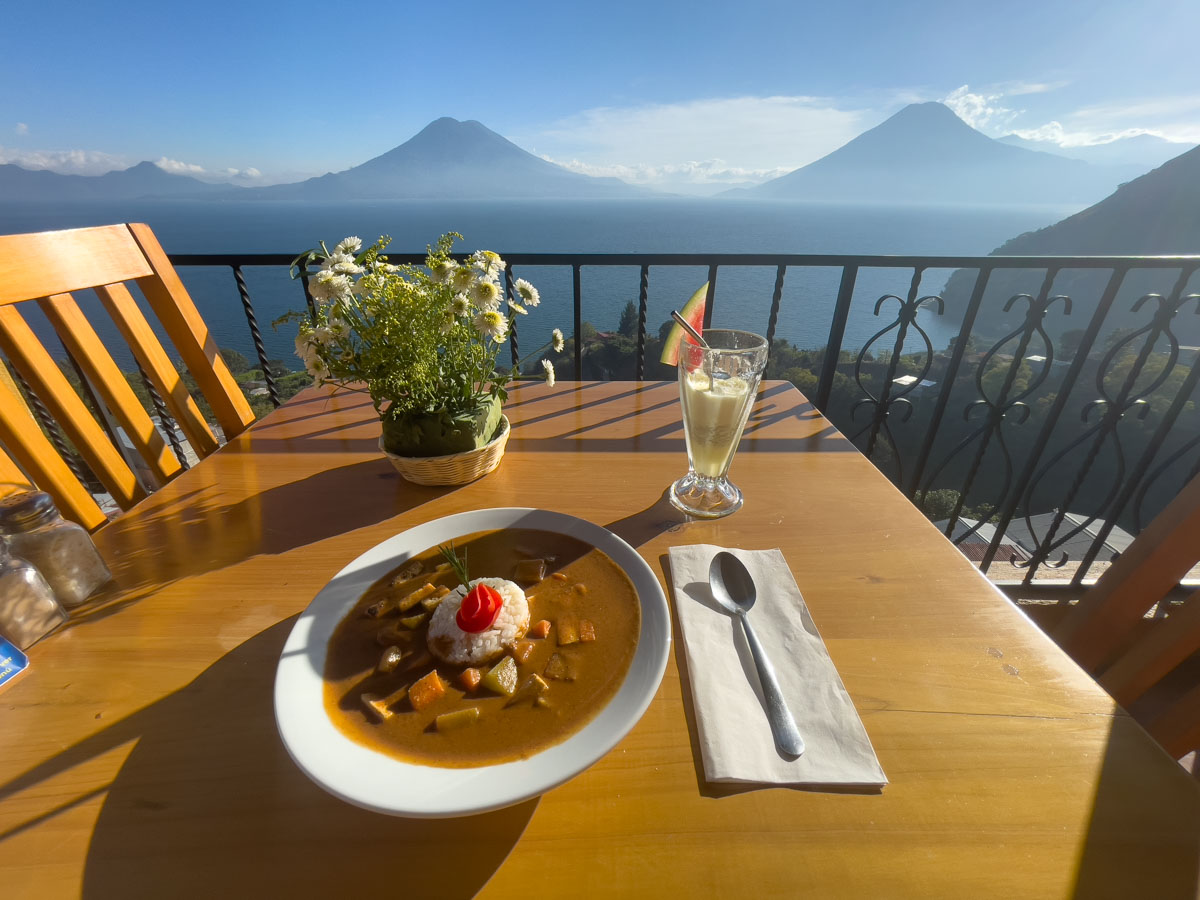
Here are realistic examples of what you can expect to pay right now:
Tours & Activities
- Overnight Acatenango Volcano hike – $80–$110
- Pacaya Volcano day trip – $15–$25
- Cerro Tzankujil Nature Reserve – ~$2.50
- Mirador in San Juan (Lake Atitlan) – ~$4
Accommodation
- Hostel dorm bed – $8–$15
- Private room in hostel or budget guesthouse – $12–$25
- Cute bungalow or nicer guesthouse – $40–$60+
Most backpackers bouncing between hostels and simple guesthouses average around $15–$40 per night.
Food
- Local breakfast or street food – $2–$6
- Lunch at a casual local spot – $5–$8
- Simple dinner – $8–$12
- Western food or nicer restaurant – $12–$18
Eating mostly local can keep food costs around $10–$20 per day.
Transportation
- Uber or taxi in town – $3–$6
- Shuttle between towns – $15–$30+
- Airport shuttle to Antigua – ~$20
- Boat on Lake Atitlan – ~$2
Public buses and tuk tuks are cheaper, but shuttles are often worth paying extra for comfort and convenience.
Daily Budget Reality
- Budget backpacker: $40–$70 per day
- Comfortable budget / mid-range: $60–$90+ per day
If you’re volunteering, cooking some meals, and limiting tours, you can absolutely land on the lower end. If you’re doing volcano hikes, private rooms, and lots of shuttles, expect the higher end.
4. When to Visit Guatemala
Guatemala is good year-round.
Rainy season: May–September (usually short afternoon rain, not all-day misery).
Dry season: roughly November–April.
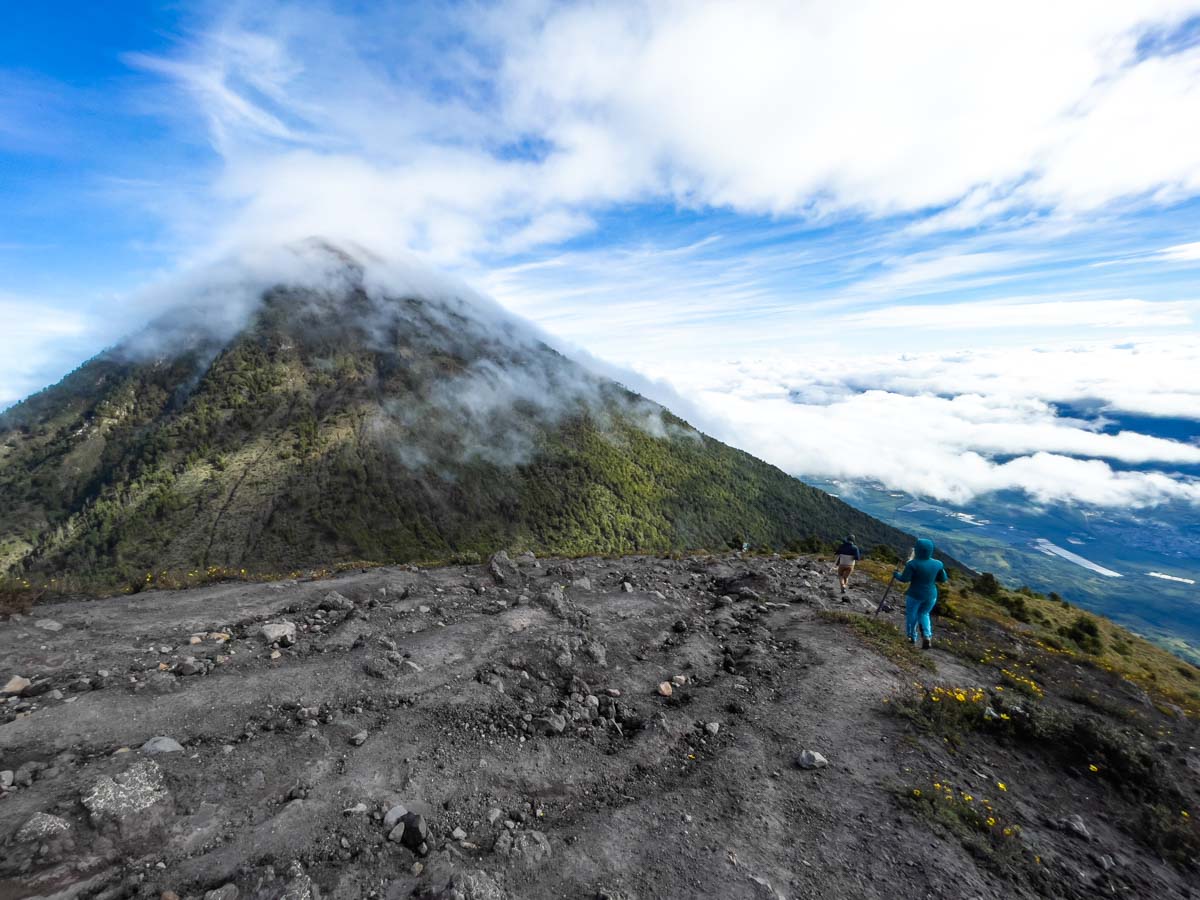
Important: Even if it’s hot during the day, high-elevation areas and volcano summits get COLD. I visited in November and froze at night on hikes. Bring layers.
5. Tours vs Doing It Yourself
Walking towns, wandering markets, cafes, viewpoints? Easy DIY.
Volcano hikes and remote nature? Just take the tour.
Could you piece together buses, guides, permits, and gear yourself? Yes. Will it eat time and mental energy? Also yes.
Tours in Guatemala are affordable, safer, include transport, and are one of the easiest ways to meet people. Sometimes convenience is the move.
You can look into getting a local Guatemala travel agent or booking once you arrive.
6. How to Backpack Guatemala for LESS
Want to travel to Guatemala without paying for accommodation?
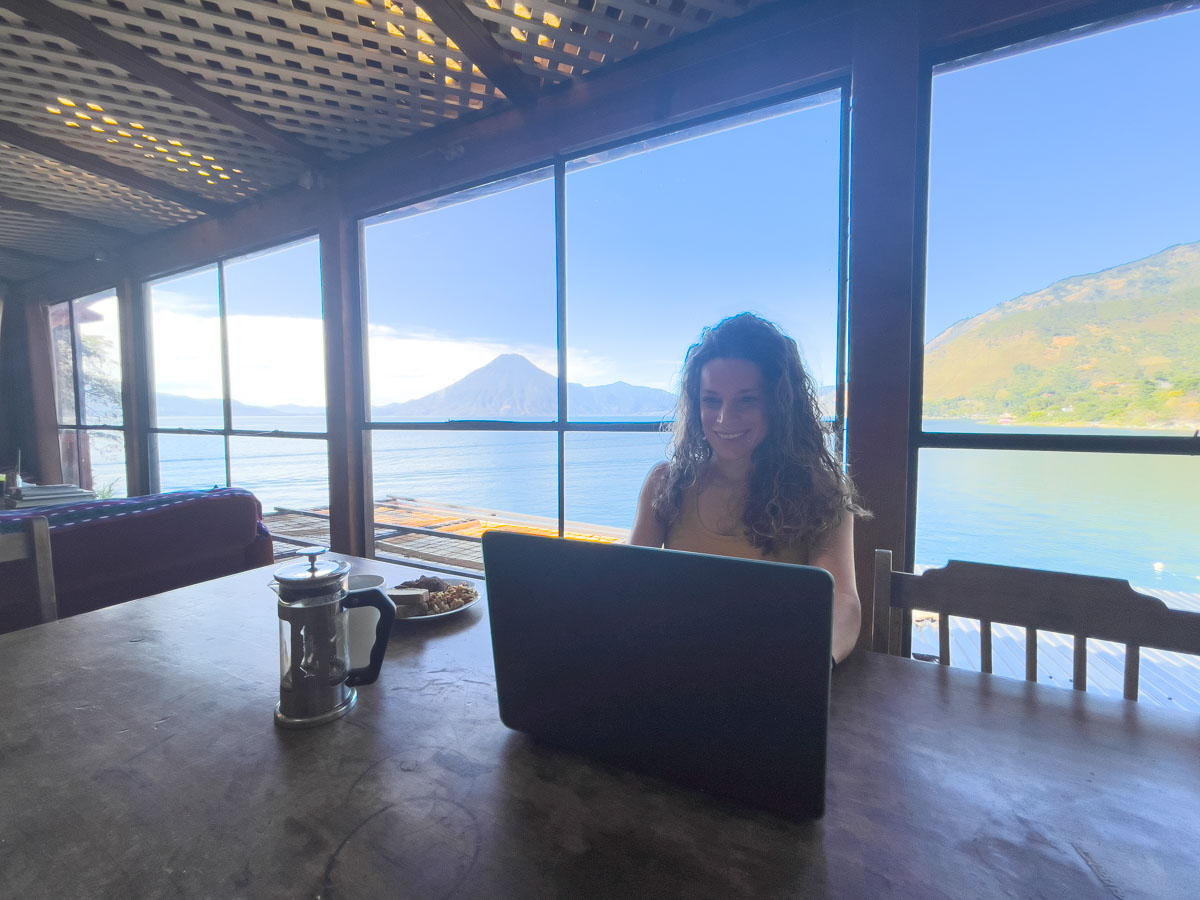
This is exactly what I did using Worldpackers. I volunteered in exchange for housing (and sometimes meals) in Xela and Lake Atitlan. I saved a ton of money and met locals instead of only other travelers.
👉 Grab $10 off Worldpackers
Browse Guatemala opportunities
READ MORE: Worldpackers review – see how it works.
7. SIM Cards, eSIMs & Internet
Guatemala has solid internet in most tourist towns and cities. Hostels, cafes, and apartments usually have Wi-Fi that’s good enough for remote work.
I personally like using eSIMs when possible so I’m connected the second I land. It avoids airport SIM lines and sketchy kiosks.
If you prefer a physical SIM, Tigo and Claro are the two main networks. You can buy SIM cards at airports, phone shops, or convenience stores. Data is cheap.
Expect slower speeds in rural areas, but overall Guatemala is workable for digital nomads.
👉 EASIEST WAY TO GET DATA: eSIM for Guatemala
8. Language Tips
Spanish isn’t required, but life gets easier if you know a few basics.
Hola (hello), gracias (thank you), por favor (please), cuánto cuesta? (how much?).
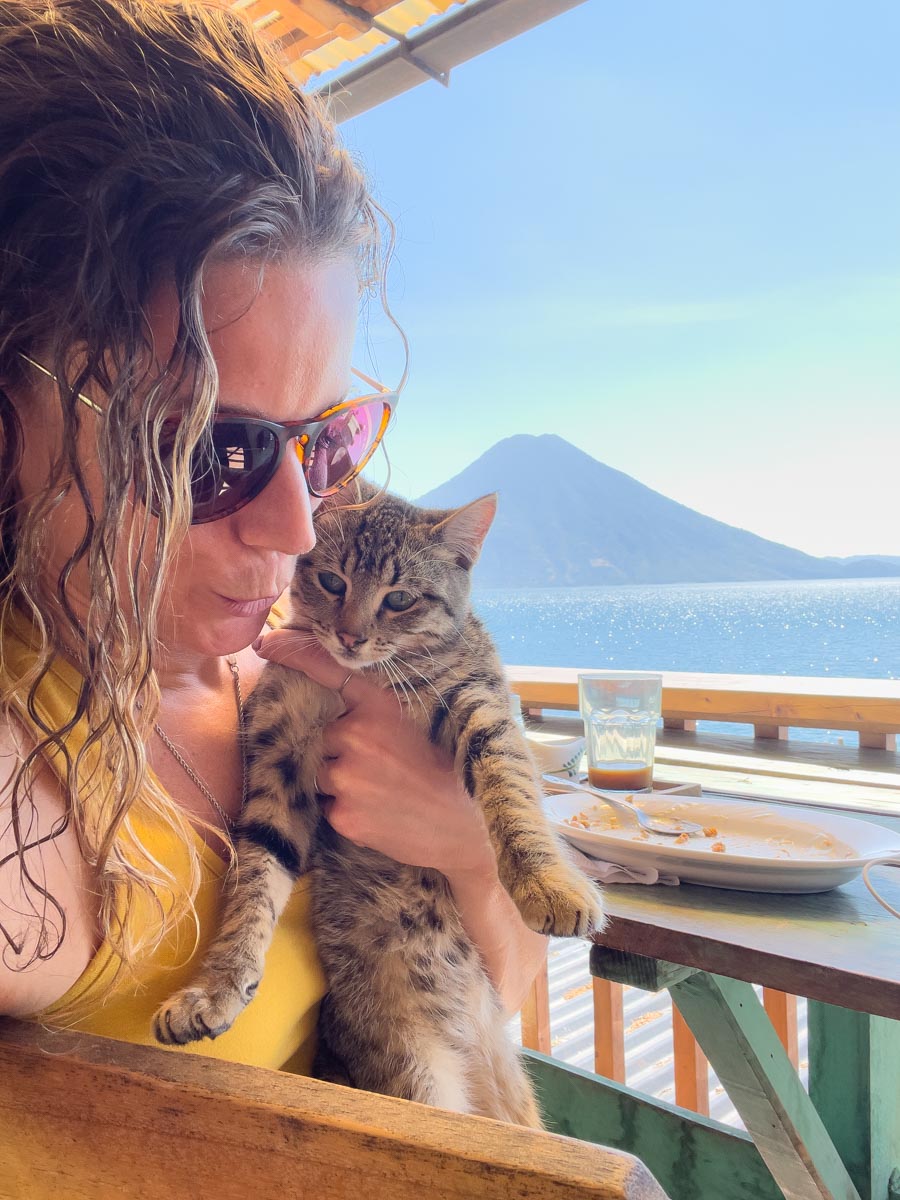
Guatemala is an excellent place to take Spanish classes. Lots of travelers combine language school with volunteering.
9. Altitude & Health Notes
Many popular places sit at high elevation: Antigua, Xela, Lake Atitlan towns.
You might feel a mild headache or fatigue on your first day. Drink water, take it easy, and don’t plan a hardcore hike immediately.
Travel insurance is highly recommended if you’re hiking volcanoes. I hiked three volcanoes, only told my mom I was super close to volcanoes and lava AFTER I got home, and luckily didn’t need to file an insurance claim.
10. What to Pack for Guatemala
- A good backpack: Check out these backpacks for women.
- Portable water bottle with filter
- Headlamp
- Sarong
- Debit card + credit card
- Portable charger
- Lightweight clothes + warm layer + rain jacket
- Good hiking shoes
- Insect repellent
- Sunscreen (bring from home)
11. Solo Travel Reality Check
Guatemala is one of the easiest countries in Central America to backpack solo. Well-worn backpacker route, lots of hostels, easy tours, and plenty of other travelers.
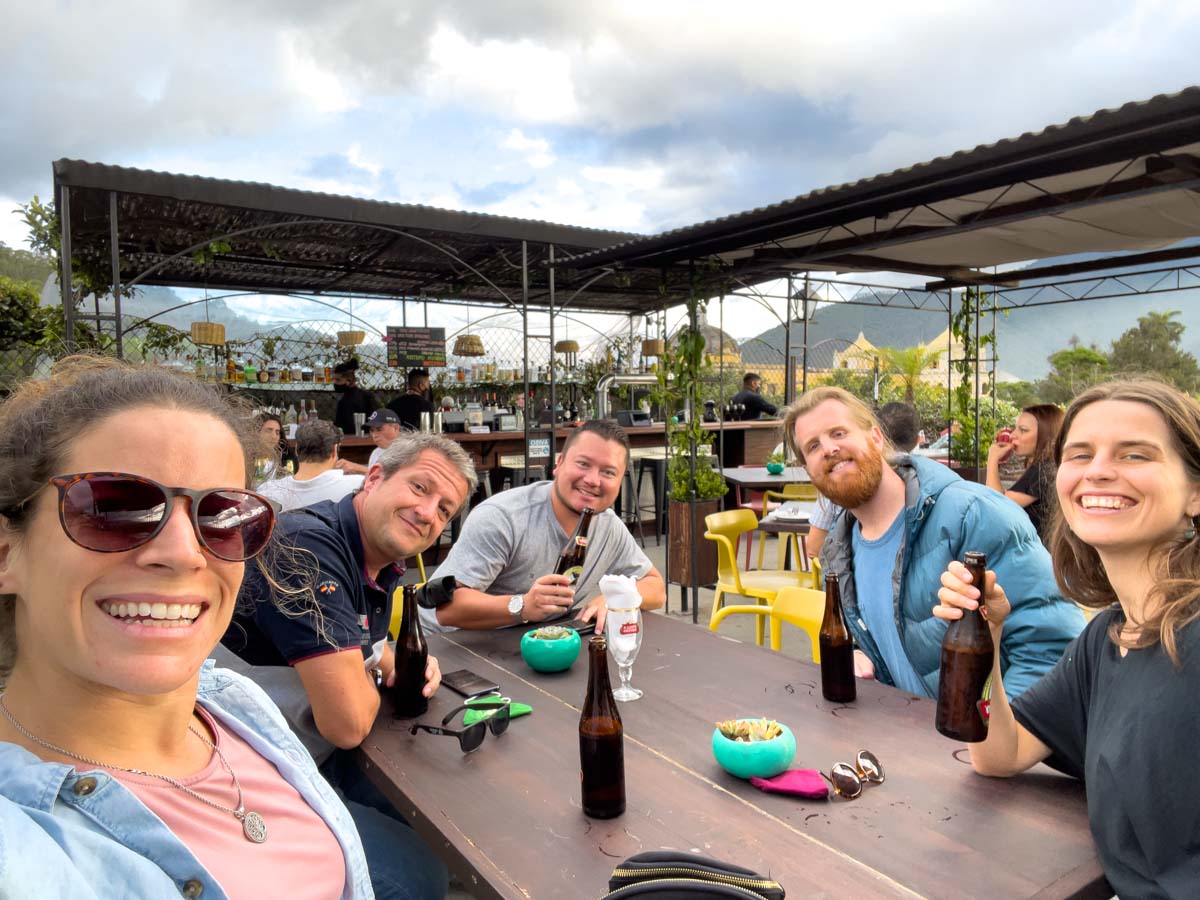
Use basic street smarts, trust your gut, and you’ll likely have a great time. I was here for a month solo, but I did meet other travel friends through tours and made friends with locals through my work exchanges!
I hope these Guatemala tips help you on your travels.
More Guatemala
More guides to Guatemala:
- 17 Adventurous Things To Do in Guatemala + Tips For Your Visit!
- Your Perfect Guatemala Itinerary: 1-3 Weeks + Tips!
- Guatemala Travel Tips and Budget
- 15 of The BEST Things To Do in Antigua, Guatemala
- 8 Awesome Day Trips From Antigua, Guatemala
- Pacaya Volcano Hike in Guatemala: What to Know!
- Hiking Acatenango and Fuego Volcano: Is it Worth It?
- Lake Atitlan, Guatemala: Things to Do and Which Towns to Explore
- 5 Best Things to Do in Xela, Guatemala
- Hiking Santa María Volcano Outside Xela, Guatemala
