
Europe Packing List: What to Pack for Any Season + Trip
There is no single perfect Europe packing list because Europe is not one climate, one type of trip, or even remotely one weather forecast.
What you need for Portugal in July is wildly different from what you need for Norway in November. And a week of museums, cafes, and city wandering requires a very different bag than a trip involving hiking, beaches, road trips, or all of the above. I’ve traveled around Europe in all seasons and have packed wildly differently for each trip!
So instead of giving you a massive list and pretending you should pack everything on it, this is the baseline I would start with. Then tweak it for your season, destinations, activities, and whether you’re traveling carry-on only or checking a bag.
Europe Packing List: Quick Checklist
- 4-5 tops
- 2-3 bottoms
- 1 versatile dress or slightly nicer outfit
- 1 lightweight layer or overshirt
- 1 weather-appropriate jacket
- Underwear + socks for roughly a week
- Sleepwear, if you actually wear it
- Swimsuit if relevant
- 1 pair of comfortable walking shoes
- 1 secondary pair based on your trip
- Phone + charger
- Power bank
- Travel adapter
- Reusable water bottle
- Day bag or crossbody
- Medications + basic toiletries
- Passport, cards + travel documents
For a one- to two-week trip, this is plenty if you’re willing to do laundry once. You do not need 14 entirely different outfits for a two-week vacation.

Before You Pack for Europe, Answer These 4 Questions
- Where are you going? Southern Spain and Iceland should obviously not have identical packing lists.
- What season is it? Check the usual climate, but also look at the actual forecast right before you leave.
- What are you doing? City hopping, hiking, beaches, nightlife, road trips, and fancy dinners all change what deserves space in your bag.
- Are you carrying everything or checking luggage? If you’re hopping on trains every other day, lighter luggage gets appealing very quickly.
Pack for the trip you’re actually taking, not every possible scenario that could theoretically happen somewhere on the continent.
What Clothes to Pack for Europe
I like building around pieces I can rewear and mix together rather than planning a completely different outfit for every day. For most trips, the baseline above is enough.
Four or five tops and two or three bottoms give you plenty of combinations, especially if the colors work together. Add one dress or slightly nicer outfit if you know you’ll want it for dinners, museums, wineries, or wherever else you want to look a little less like you just walked off a bus.

I also almost always like having an oversized button-down, chambray-style shirt, or similar lightweight layer. I can throw it over a tank, use it for extra sun coverage, cover my shoulders for religious sites when required, or make a basic outfit look slightly more put together.
And don’t be afraid to rewear things. You’re traveling. Nobody at your next hotel knows you wore those pants three days ago, I promise!
Shoes for Europe: Please Prioritize Your Feet
You are probably going to walk more than you think. European trips have a magical way of turning “we’ll just wander around for a bit” into 20,000 steps over cobblestones, stairs, hills, museums, and train stations.
For most trips, I would bring two pairs of shoes:
- Main pair: Broken-in sneakers or comfortable walking shoes you can wear for hours.
- Second pair: Choose based on the trip. Sandals or flip-flops for summer/beaches, waterproof shoes for wet weather, nicer flats or boots for city trips, or proper hiking shoes if you’re actually hiking.

If your itinerary is genuinely hiking-heavy or you’re heading somewhere cold and wet, bring the proper footwear. I used real hiking boots in Iceland and was extremely happy I did. But don’t pack hiking boots for an imaginary hike you probably won’t take.
And unless you have an actual event requiring them, I would leave the high heels at home. Cobblestones do not care about your cute outfit, and they will find a way to humble you!
What to Pack for Europe by Season
Europe in Summer
- Breathable tops
- Shorts, skirts, lightweight trousers, or dresses
- Swimsuit if relevant
- Comfortable sandals or other breathable second shoe
- Sunglasses + sun protection
- One light layer for evenings, planes, trains, and aggressively air-conditioned spaces
Mediterranean Europe can be brutally hot in summer, while northern Europe can still be cool and rainy. Check your actual destinations instead of packing for the word “summer.”
Europe in Winter
- Proper warm coat
- Thermal or base layers where needed
- Warm mid-layer
- Warm socks
- Beanie, gloves + scarf
- Waterproof or weather-resistant shoes
I used a 3-in-1 Columbia jacket for Iceland and loved having the option to wear the puffy inner layer, waterproof outer shell, or both together depending on the weather. That kind of layering system makes much more sense than packing several bulky coats.

Europe in Spring + Fall
- Layers
- Long pants
- Light sweater or fleece
- Waterproof or water-resistant jacket
- Closed-toe walking shoes
This is the time of year when mornings, afternoons, and evenings may have completely different personalities. Layers solve most of that without requiring three separate wardrobes.
A Few Regional Packing Tweaks
- Southern Europe + the Mediterranean: Prioritize breathable clothing, sun protection, and something that covers shoulders or knees when visiting religious sites that require it.
- UK, Ireland + wetter parts of Western Europe: Bring rain protection and layers, even if you’re traveling outside winter.
- Nordic countries + mountains: Temperatures can drop quickly, especially at elevation. Bring warmer layers and weatherproof gear if your itinerary calls for it.
- Mostly cities: Focus on comfortable shoes and versatile clothes that work for sightseeing during the day and dinner afterward.

Europe Travel Essentials Beyond Clothes
The clothes are only half the bag. These are the other Europe travel essentials I would actually bother bringing:
- Reusable water bottle: Useful basically everywhere.
- Small laundry bag: Especially if you’re moving around and doing laundry along the way.
- Day bag or crossbody: Something comfortable that closes securely.
- Sunglasses + hat: Depending on season and destination.
- Medications: Plus any prescriptions or health items you genuinely need.
- Basic toiletries: Don’t bring your entire bathroom. Europe has stores.
- Dry bag: One of my long-time travel staples, but mostly worth bringing if your itinerary includes beaches, boats, kayaking, wet weather adventures, or anything else where keeping electronics dry matters.

Electronics to Pack for Europe
- Phone
- eSIM for Europe
- Chargers + cables
- Power bank
- Travel adapter
- Camera, if you’ll actually use it
- Laptop, if you genuinely need it
- Kindle or tablet if you use one

If you’re visiting multiple parts of Europe, a universal adapter is easiest because the continent does not use one single plug type. Continental Europe commonly uses different plugs from the UK and Ireland, so check the countries on your itinerary before leaving.
If you’re bringing certain electronics (i.e., a hairdryer or straightener), be sure they are dual voltage, or grab a converter so you don’t blow out the electricity in your hotel (I’ve been there and done that btw lol)
Also, don’t pack electronics for your fantasy vacation self. If you take 95% of your photos on your phone at home, you probably don’t suddenly need a giant camera setup because you’re in Italy.
I usually sort out an eSIM for data rather than relying on random public Wi-Fi everywhere.
RELATED: Best International SIM Cards + How to Stay Connected Abroad
Backpack or Suitcase for Europe?
A backpack is still hard to beat if you’re changing cities every couple of days, taking lots of trains, staying in old buildings without elevators, or dealing with stairs and cobblestone streets constantly.
It’s also a little easier when you’re 23, and your spine hasn’t started submitting formal complaints. I am NOT 23 anymore!

These days, I use both backpacks and rolling luggage depending on the trip. If I’m moving constantly or heading somewhere rougher, a backpack can make life easier. If I’m traveling more slowly, basing myself in cities, using taxis, or staying somewhere with elevators, I am perfectly happy rolling a suitcase behind me instead of carrying my life on my body.
I learned the durability lesson the annoying way on my first Europe trip. I brought a cheap wheeled suitcase, one of the wheels fell off after about a week, and I ended up buying another suitcase in Italy. That replacement barely survived the rest of the trip before I had to throw it away.
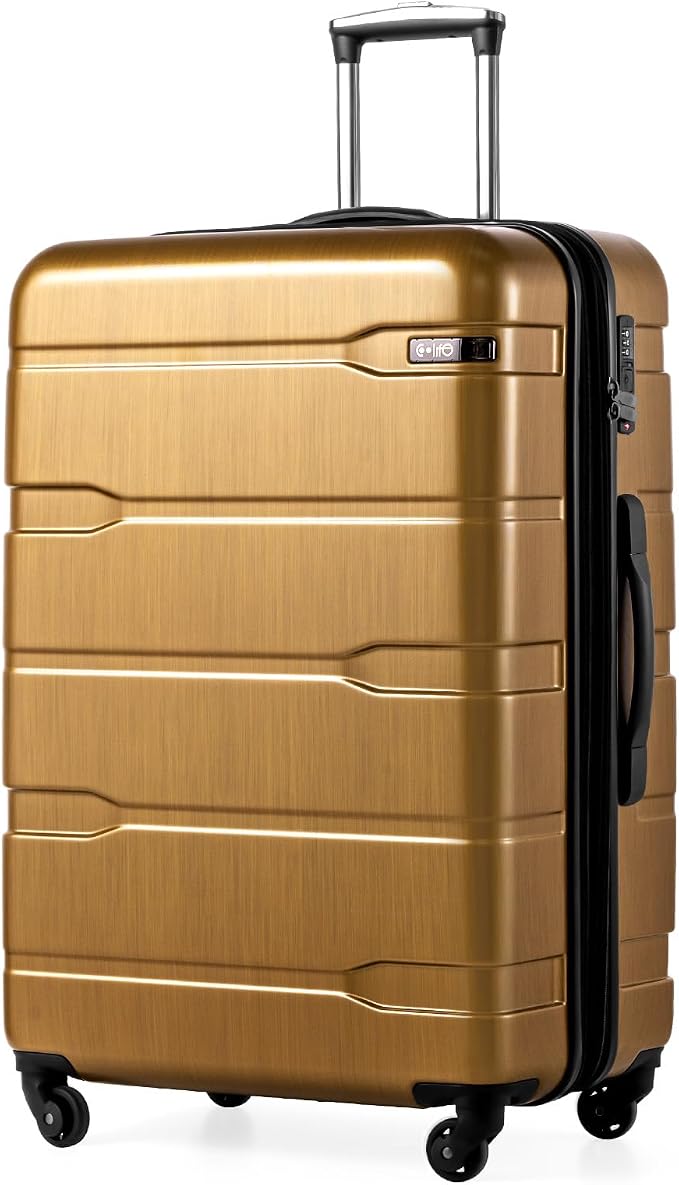
So if you’re going with wheels, get something that can handle being dragged around. Something like this COOLIFE hard shell luggage, which is a newer version of one of their existing suitcase designs with upgraded materials, more packing space, and improved durability without breaking the bank.
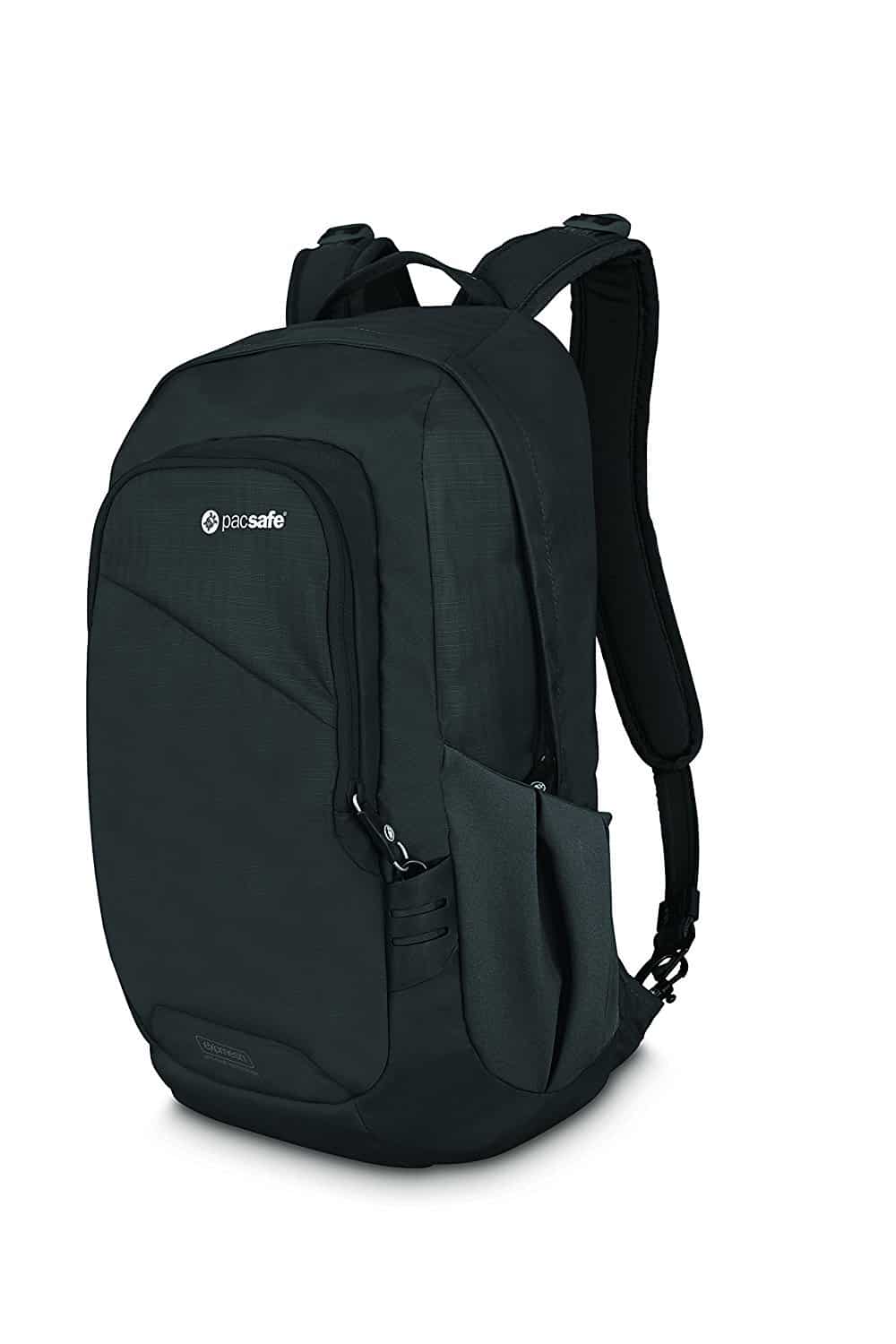
I like using my Pacsafe day backpack for my carry-on and day pack when wandering around.
Basically, choose your luggage based on your itinerary and your body, not some imaginary rule that traveling Europe requires a backpack.
Quick tip: you may also want to pack a dry bag. I never travel without one. It’s a rainy day bag, extra bag for souvenirs, beach bag, and more!
Carry-On Only or Checked Bag for Europe?
Carry-on only can make a Europe trip dramatically easier if you’re moving around a lot. There are trains, stairs, cobblestones, tiny elevators, compact hotel rooms, and budget airlines where every extra bag becomes another thing to manage.
But checking a bag is not a moral failure.
If you’re traveling for longer, crossing several climates, carrying hiking or specialty gear, or you simply prefer having more room, check the suitcase. I do.
If you’re trying to pack lighter, the easiest rule is to pack for roughly a week and do laundry. Whether the trip is 10 days or one month, you don’t need one month’s worth of clothes.

What I Would NOT Pack for Europe
- Too many shoes: Two is usually plenty. Three max if your trip genuinely requires very different footwear.
- High heels: Unless you have a specific event where you know you’ll wear them. Those cobblestone streets will humble you.
- Expensive jewelry: I don’t want to worry about losing it, leaving it in a hotel room, or making myself a more appealing target.
- A pile of cash: Carry what you reasonably need and use cards/ATMs as appropriate.
- Heavy physical guidebooks: Download maps, save information offline, or use a Kindle version if you really want the book.
- A formal outfit “just in case”: Unless an actual event is on your itinerary, bring something versatile instead.
- An outfit for every single day: Rewear things. Do laundry. Save your shoulders and your suitcase zipper.
- Stuff for activities you probably won’t do: Fantasy-self packing is how bags become enormous.

My Final Europe Packing Tips
- Check the weather again right before you leave. Historical averages are useful, but they won’t tell you about the random cold snap arriving Tuesday.
- Wear your bulkiest items on travel days. Big shoes, coats, and heavier layers don’t need to eat half your suitcase.
- Plan to do laundry. This is how one week of clothes becomes three weeks of clothes.
- Leave a little room. Unless you have superhuman self-control, there’s a decent chance something from Europe is coming home with you.
- Pack for the hardest part of your itinerary. If you’re doing cities plus three days in cold mountains, make sure those three days are actually covered.
- Don’t pack from anxiety. Europe has stores. Forgetting one normal item will not ruin your trip.
The best Europe packing list is the one that matches your actual trip. Start with a small versatile wardrobe, add what you genuinely need for the season and activities, and stop before “but what if…” turns into another 10 pounds of luggage.
You can always buy toothpaste in Paris. Your back will be much happier if you don’t pack for every possible version of yourself before you get there.

Hi. In your travel packing list for Europe, you refer to “Chambrays”. What do you mean? Here in Europe, “chambray” is a type of fabric, not a specific garment.
Hey Pauline, If you click the link or look at the pic it shows you the article of clothing I’m speaking about!