

Rental Car Insurance 101: Understanding Coverage Types Before Your Trip
Renting a car can empower you to explore new destinations with flexibility and freedom. According to a recent study by CarInsuRent, more than 60% of rental car damage claims are not at renters’ fault.
Thus, understanding the various rental car insurance options available is crucial before hitting the road. Rental car insurance can be a complex terrain, with myriad options and terminology that might seem daunting.
This guide elucidates the main types of car rental insurance to equip you for a swift, worry-free rental experience.
The Main Coverage Types
Collision Damage Waiver (CDW)/Loss Damage Waiver
The Collision Damage Waiver (CDW), often referred to as Loss Damage Waiver (LDW), is not traditional insurance but a waiver relieving you of financial responsibility for damage to the rental car. This coverage usually excludes damage to parts like tires or the undercarriage and includes a deductible
Theft Protection
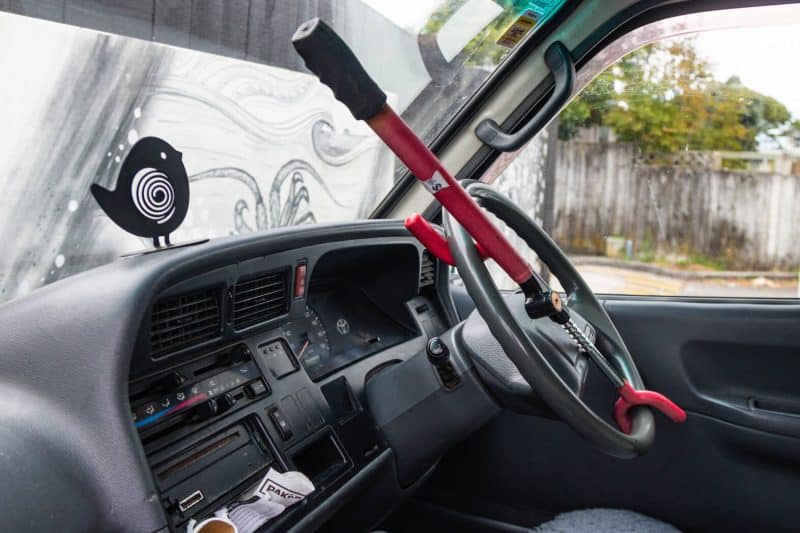
Theft Protection (TP)is a coverage option that primarily safeguards you against financial loss if the rental car is stolen. Rental companies typically bundle this with Collision Damage Waiver, but it’s essential to understand its scope.
TP covers theft and damage caused by attempted theft and reduces the renter’s financial liability to a pre-set deductible amount. However, it usually doesn’t cover personal belongings stolen from the vehicle.
Personal Effects Coverage
Personal Effects Coverage protects the personal belongings inside your rental vehicle against theft or damage.
This option is particularly beneficial for travelers carrying valuable items as it provides compensation for stolen or damaged personal items and often extends to all passengers in the vehicle.
Despite its advantages, coverage is usually limited to a certain monetary threshold and may not cover high-value items in full.
Super Collision Damage Waiver (SCDW)
The Super Collision Damage Waiver (SCDW) is an optional, premium upgrade to the basic Collision Damage Waiver.
It further reduces or eliminates the excess fee that you might otherwise pay for damage to the rental vehicle. SCDW broadens coverage to include damage to parts typically excluded, like tires and windshield and often includes coverage for theft attempts, expanding Theft Protection.
Despite these benefits, SCDW is very expensive and may double the rental price. According to another study, 73% of travelers overpay on average $18.42/day for car rental insurance when purchasing coverage at airport counters.
Supplementary Liability Insurance
Supplementary Liability Insurance (SLI) provides crucial coverage for third-party claims, ensuring that you’re protected financially if you’re deemed responsible for damages or injuries to others.
Third-party liability coverage is normally part of the rental price, and SLI extends coverage beyond the rental company’s minimum liability limits and can provide peace of mind in case of significant accidents.
Personal Accident Insurance (PAI)
Personal Accident Insurance (PAI) offers coverage for medical emergencies for both the driver and passengers in the rental car, providing financial assistance in case of accidents.
PAI pays medical expenses for injuries sustained in a car accident and provides a death benefit to the beneficiaries in the event of accident-related fatalities.
While PAI is beneficial, it’s redundant if you have comprehensive health insurance or travel insurance that covers accidents.
RELATED: DON’T Make These 21 Mistakes on a USA Road Trip
Third Party Car Rental Insurance
How third-party car rental insurance differs from rental company excess insurance
Third-party car rental insurance functions independently from the rental company’s provisions. It often provides more comprehensive coverage and usually at a lower price than the company’s excess insurance.
Key differences include:
- Cost: Third-party insurance tends to be more economical than coverage purchased directly from the rental company. Opting for CarInsuRent, for example, can save you up to 70% on car rental excess insurance costs.
- Coverage Scope: Third-party policies often include higher coverage limits and fewer exclusions. These polices often cover damage to tyres, wheels, undercarriage, roof and windscreen, which are typically excluded by rental car companies.
- Flexibility: Policies can be tailored to specific needs, such as long-term or frequent rentals. CarInsuRent, for example even offer annual coverage that is designated to frequent travellers.
- Claims Process: Often requires filing a claim after paying the rental company for damages, which varies from direct coverage by the rental firm.
Despite these advantages, it’s important to remember that claims must be filed with the insurer, requiring initial payment of damages to the rental company. This insurance is ideal for those who rent vehicles frequently or seek to maximize their financial peace of mind while minimizing costs.

What Other Options You Might Consider?
Your Existing Policy vs. Rental Company Insurance
Your personal auto insurance policy might already offer coverage that extends to rental cars, potentially saving you money on additional rental insurance. Many auto policies include liability coverage that applies when you’re driving a rental car, covering damage or injury to others.
If your policy includes collision and comprehensive coverage, it might also extend to rentals, handling vehicle damage and theft. Existing policies may cover medical expenses for injuries sustained in an accident with a rental car.
However, it is recommended to check with your insurance provider to confirm which aspects apply to rentals as exclusions can exist.
Understanding Credit Card Rental Benefits
Many credit cards offer rental car insurance as a built-in perk, providing valuable protection without additional cost. However, understanding these benefits is essential to fully leverage them.
Some credit cards often include a CDW that covers damage to the rental car, potentially negating the need for the rental company’s CDW. These cards may also extend coverage to theft and vandalism, offering peace of mind if incidents occur.
Despite these benefits, credit card coverage typically excludes liability and personal injury protection, and may have limitations on rental duration or vehicle types. Most credit cards do not provide liability coverage, leaving you exposed to claims from third parties.
In addition, coverage may be limited to short rental durations, commonly up to 30 days and certain vehicles such as SUVs, trucks, or luxury cars are excluded from coverage. Given these potential gaps, review your credit card’s specific terms and consider supplementary coverage if these exclusions could affect your travel plans.
RELATED:17 Legendary American Road Trips
Comprehensive travel insurance with rental coverage
Comprehensive travel insurance that includes rental car coverage offers a holistic approach to protecting yourself on trips. Such policies combine various travel protections into a single plan, enhancing convenience and security.
However, comprehensive travel insurance may have higher premiums and might exclude certain high-value vehicles. Ideal for travelers seeking all-in-one coverage, especially for international trips or vacations involving multiple destinations and complex itineraries.
Motorhome Rental Excess Insurance
What is Motorhome Rental Excess Insurance?
Motorhome Rental Excess Insurance is designed to protect travelers renting a motorhome from significant out-of-pocket expenses in case of accidents or damages. This specialized insurance fills the gap that standard rental agreements might not cover.
Campervan rental excess insurance lowers or eliminates the deductible for motorhome damage, reducing financial liability. It includes damages to the motorhome’s body, windows, tires, and undercarriage and covers repairs or replacements due to theft or vandalism attempts.
While it extends powerful protection, ensure the policy includes the specific motorhome class you’re renting, and consider additional coverage for personal effects. Ideal for those embarking on an adventurous road trip in a rented motorhome, ensuring peace of mind and financial protection.
Recognizing the benefits of such insurance can vastly enhance the experience of a road trip, turning potential logistical challenges into manageable scenarios. Remember, while motorhome rental may offer the freedom of the road, having a robust insurance policy ensures that freedom isn’t compromised by unforeseen circumstances.
Whether you’re traversing mountainous terrains or enjoying a leisurely coastal drive, having this level of coverage means you can focus on the adventure rather than worries about potential mishaps.
Smart Tips for Renting a Car
Be Aware of Additional Fees and Charges
When renting a car, it’s important to be informed about potential additional fees and charges that may arise, ensuring you’re not caught off guard financially.
- Airport Surcharges: Renting at airports often incurs extra fees due to convenience, so consider off-site options for cost savings.
- Fuel Charges: Be aware of the rental company’s fuel policy; returning a car with less fuel than required may lead to hefty refueling charges.
- Early/Late Return Fees: Returns outside of the agreed upon time, whether early or late, can sometimes attract penalties.
- Young Driver Fee: Renters under a certain age, often 25, may incur additional charges.
- Additional Driver Fees: Adding extra drivers, especially those outside immediate family, often costs extra.
Knowing these possibilities allows you to budget accordingly and look for ways to avoid unnecessary charges. This awareness is ideal for budget-conscious renters who want to ensure transparency and avoid unforeseen expenses.
Inspect the Vehicle for Pre-existing Damage
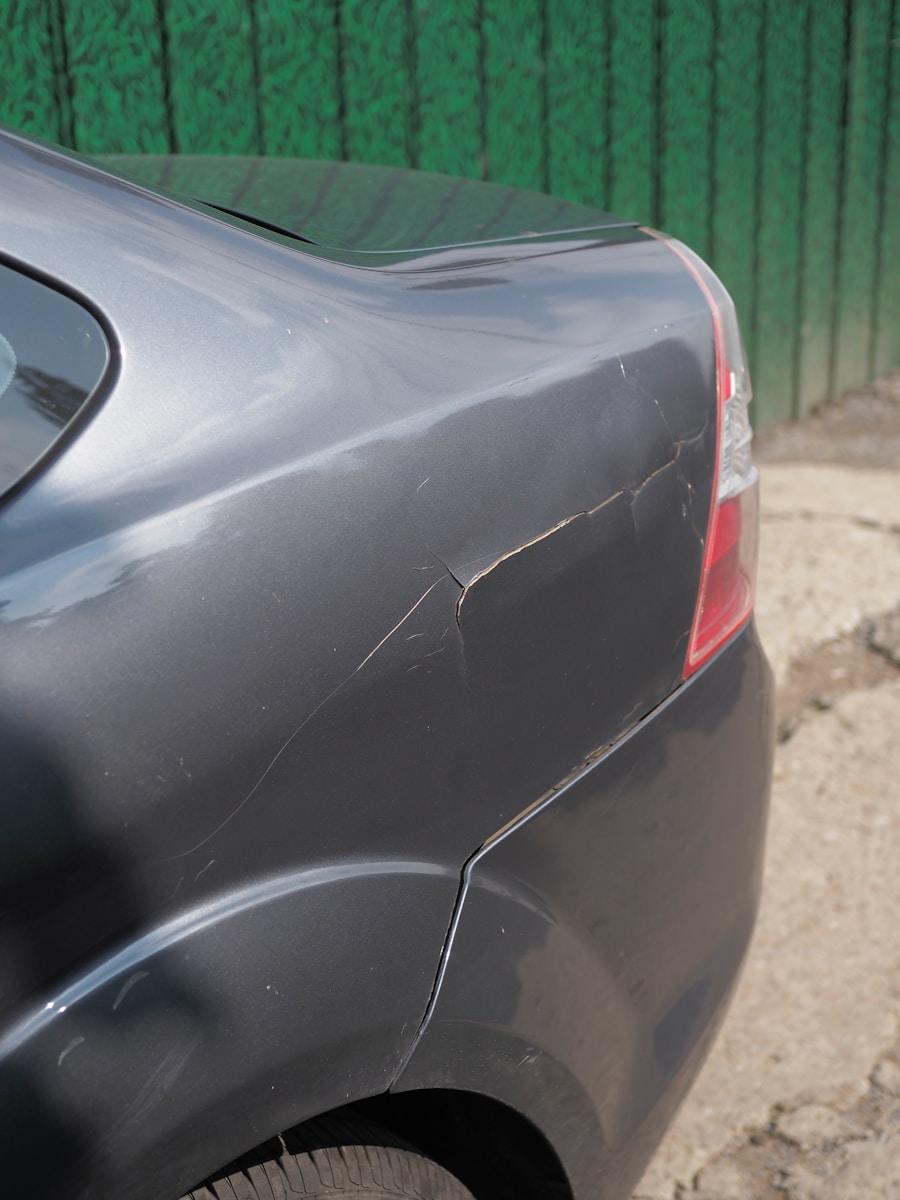
Inspecting the rental vehicle for pre-existing damage is crucial to avoid disputes and additional charges upon returning the car.
- Conduct a Thorough Walkaround: Start with a comprehensive visual inspection of the car’s exterior, checking for any scratches, dents, or other visible damage.
- Check the Interior: Don’t forget to inspect the interior for any stains, tears in upholstery, or broken equipment.
- Document with Photos: Take clear, timestamped photos of any damage you find before driving away. This documentation can serve as evidence if questioned later.
- Inspect Less Obvious Areas: Look at the tires, windshield, mirrors, and undercarriage, as damages in these places are commonly overlooked.
- Report Immediately: Notify the rental company of any damage before leaving the lot. Ensure they note it on the rental agreement or provide written acknowledgment.
By following these steps, you protect yourself from being unfairly charged for damages you didn’t cause. It’s especially important for inexperienced renters or those using a particular rental company for the first time.
Final Thoughts
As I previously wrote, preparation is key to a stress-free journey. When preparing for your adventure, most road trip checklists focus on physical items like navigation, baby wipes and snacks.
However, the most important ‘item’ is documentation. You should treat your rental car insurance policy—whether it’s purchased through the rental company, a third-party, or your personal auto insurance—as a non-negotiable part of your packing checklist.
Being informed not only safeguards you financially but also enhances your travel confidence, allowing you to enjoy your journey without unnecessary worry. As you embark on your next adventure, remember that investing time in understanding rental car insurance will pay dividends in peace of mind. Safe travels!
