

Your Guide to Finding Insurance for Your Move Abroad
So your “little trip” turned into a whole new life abroad. Same. I did not see that coming!
Now what? You don’t need just suitcase insurance—you need the kind that gets you into a doctor, plays nice with visas, and doesn’t panic if you hop countries again next month.
This is the move abroad insurance guide I wish I had on day one. Here are the best options if you’re like me and have a passport that never cools off!
Quick Rundown on Move Abroad Insurance:
- SafetyWing — Choose Nomad Health for real healthcare you can start abroad and keep rolling month-to-month.
- Allianz — Big-brand expat health with wide networks, pre-approvals, and paperwork that won’t make the embassy groan.
- Feather — Real healthcare abroad, visa-friendly docs, and cancel-monthly freedom if plans change.

What You Actually Need (and what you don’t)
If you’re American and moving around the world, you’ll generally have two options for insurance.
- Nomad – travel-medical: This is your “things went sideways” plan. Emergency treatment, evacuation, stabilization, the big stuff. It’s lighter, cheaper, and flexible. Think: broken wrist, gnarly infection, ambulance, “please get me to a real hospital,” that sort of thing.
- Expat/Immigrant – international health: This is proper healthcare abroad. Doctor visits, diagnostics, prescriptions, sometimes dental and maternity add-ons. This is “I live here now and want normal health insurance.”
Important: both types can work if you country-hop. The difference is the depth of coverage. Pick the bucket that matches what you actually need.

A few boxes to tick before you sign up to any move abroad insurance plan:
- You can buy and extend while abroad. Monthly billing is ideal. Cancel anytime is even better.
- You understand USA coverage. It’s often limited to nomad plans and costs extra or requires a special configuration on expat plans. Decide “including USA” or “excluding USA” up front.
- If you might face a visa appointment, ask if they can issue a clean certificate of coverage with your name, dates, benefits, and destination.
- Read the fine print on pre-existing conditions, waiting periods (common for dental/maternity), and any sports and activities that aren’t covered.
My Experience:
I’ve been lucky: I haven’t had to lean on insurance often. When I did, it mattered. In 2020, when Europe started spinning from the pandemic, I was in Portugal and confused AF!
Borders were wobbling, policies changed hourly, and everything felt… unstable. My insurer paid for my flight home. It was one of those surreal weeks where you just need your plan to work without a debate team. It did. That’s the bar.
Otherwise, I’ve paid out of pocket for plenty of small stuff abroad because it was so affordable:
- a dermatologist visit in Mexico for about $50,
- a chipped tooth in Portugal for $40,
- an Indonesia “I am dying” food-poisoning situation with an IV, meds, and a same-day doctor visit for about $90.
- a panel of bloodwork done in Thailand for $150…
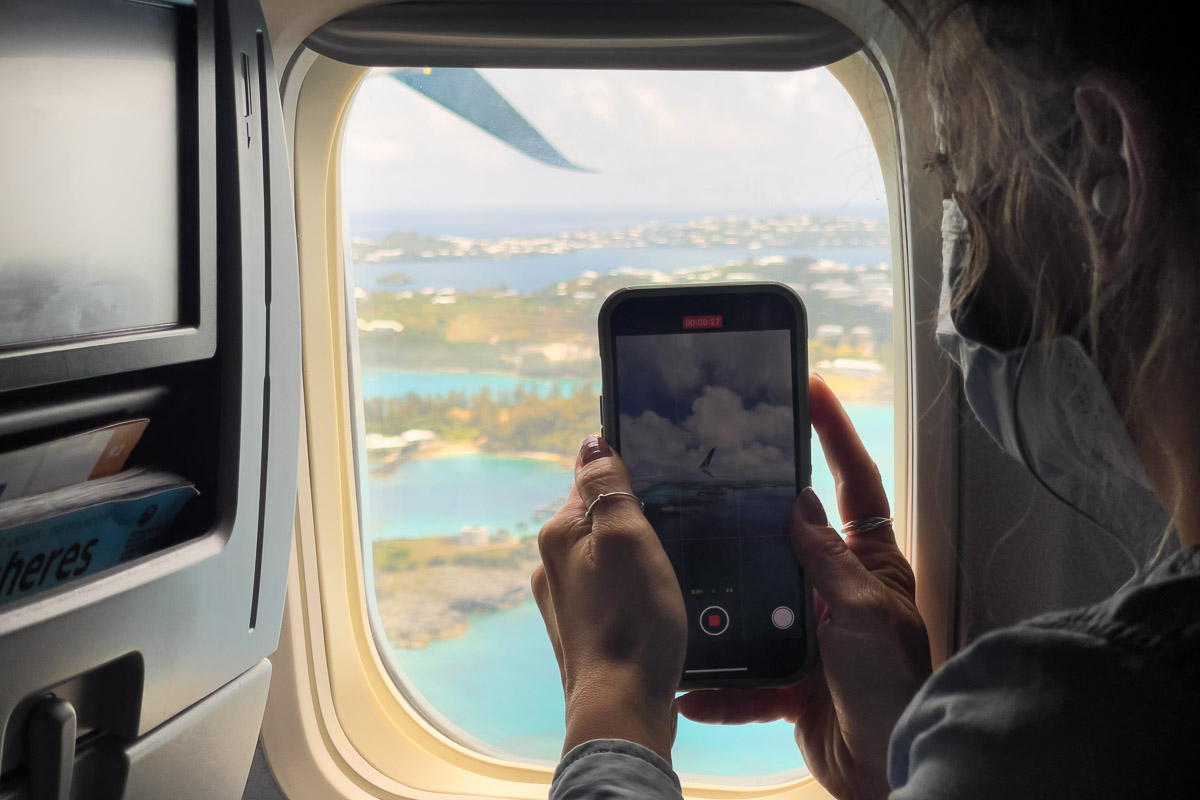
Those would be wallet-melters in the U.S., but abroad, they are no worries.
Point being: the “right” plan depends on your health, age, risk tolerance, and how much routine care you expect. In my 20s and 30s, I ran lighter.
Now I’m 40—half joking that I’m a geezer—and I care more about checkups and the random aches that show up uninvited.
So which do you REALLY need?
Nomad vs Expat Insurance
- Pick Nomad/Travel-medical if you mainly want disaster protection: you’re healthy, you don’t expect frequent appointments, and you want something you can start today from wherever you are. You can still move countries like a pro.This is what I chose in my 20s and 30s as a young and healthy person. Real emergency healthcare and evacuation are what’s covered.
- Pick Expat/International health if you want “normal” healthcare: clinics, prescriptions, routine visits, and check-ups. It costs more, but it behaves like a real health plan. This is me now that I’m an older fart, needing a bit more coverage and some check-ups.
No one gets a trophy for buying more coverage than they’ll use. Likewise, nobody enjoys gambling on hospital bills. Be honest with yourself and buy what you currently need.
The Shortlist of Move Abroad Insurance for Americans:
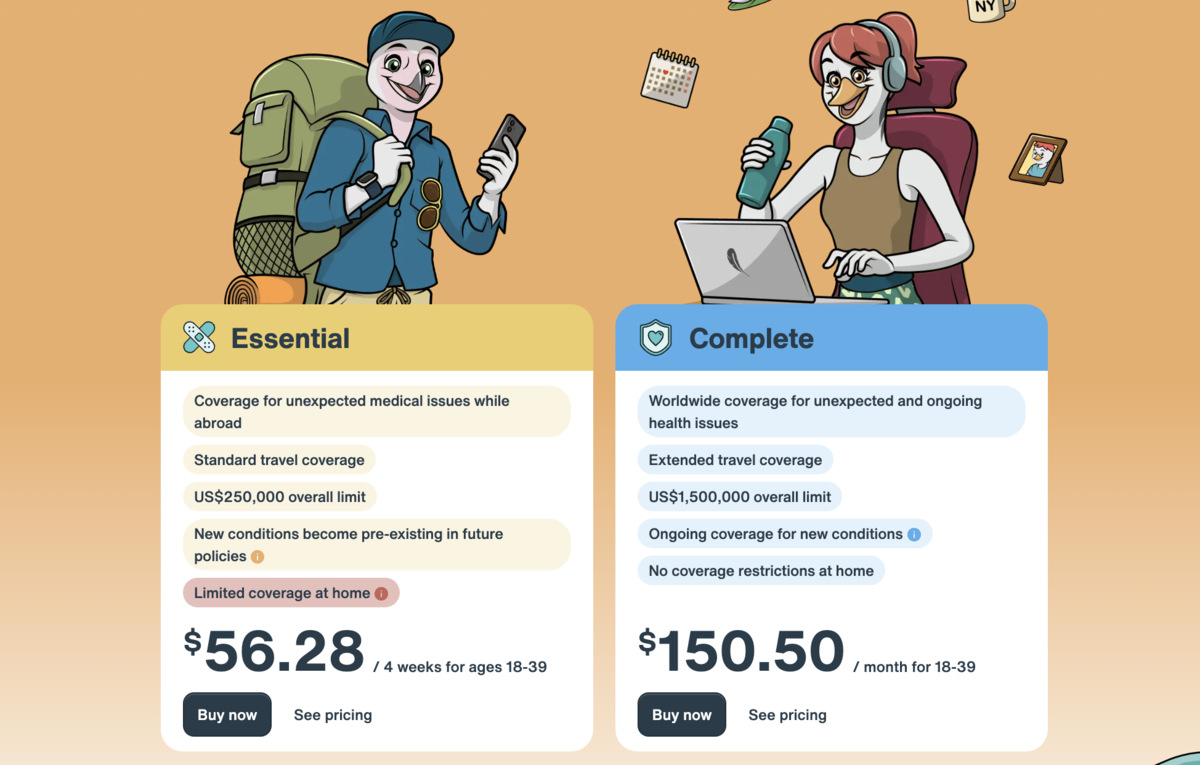
1. SafetyWing — Nomad Insurance (Emergency) and Nomad Health (Fuller Care)
Best for: Movers who value easy, plug-and-play coverage and might change countries more often than their coffee shop.
Highlights:
- Nomad Insurance covers emergencies and evacuation with subscription billing and “start abroad” ease. It’s the set-and-forget safety net for chaos seasons.
- Nomad Health is the step up when you want ongoing care, not just emergency band-aids.
- The interface is simple, which matters when you’re signing up from a hostel couch at 1 a.m.
- USA note: emergency plan has tight limitations stateside; Nomad Health can be broader, but read your specifics.
I’ve used SafetyWing the most during my travels.
READ MORE:
SafetyWing Review: Honest Opinion From a Nomad
Nomad Insurance: Travel Medical Insurance for Digital Nomads!
2. Allianz Care — International Health Insurance
Best for: People who want comprehensive expat cover and strong admin help when the system throws paperwork at your face.
Highlights:
- Allianz has full expat benefits with options for worldwide, including or excluding the USA
- Good hand-holding for pre-approvals, networks, and getting the right letter for the right office
- Works well for multi-country living and remote work arrangements.
- Big-brand stability when you want a grown-up in the room
3. Feather — International Health Insurance
Best for: New expats who want real healthcare abroad, clean visa paperwork, and freedom to cancel monthly.
Highlights:
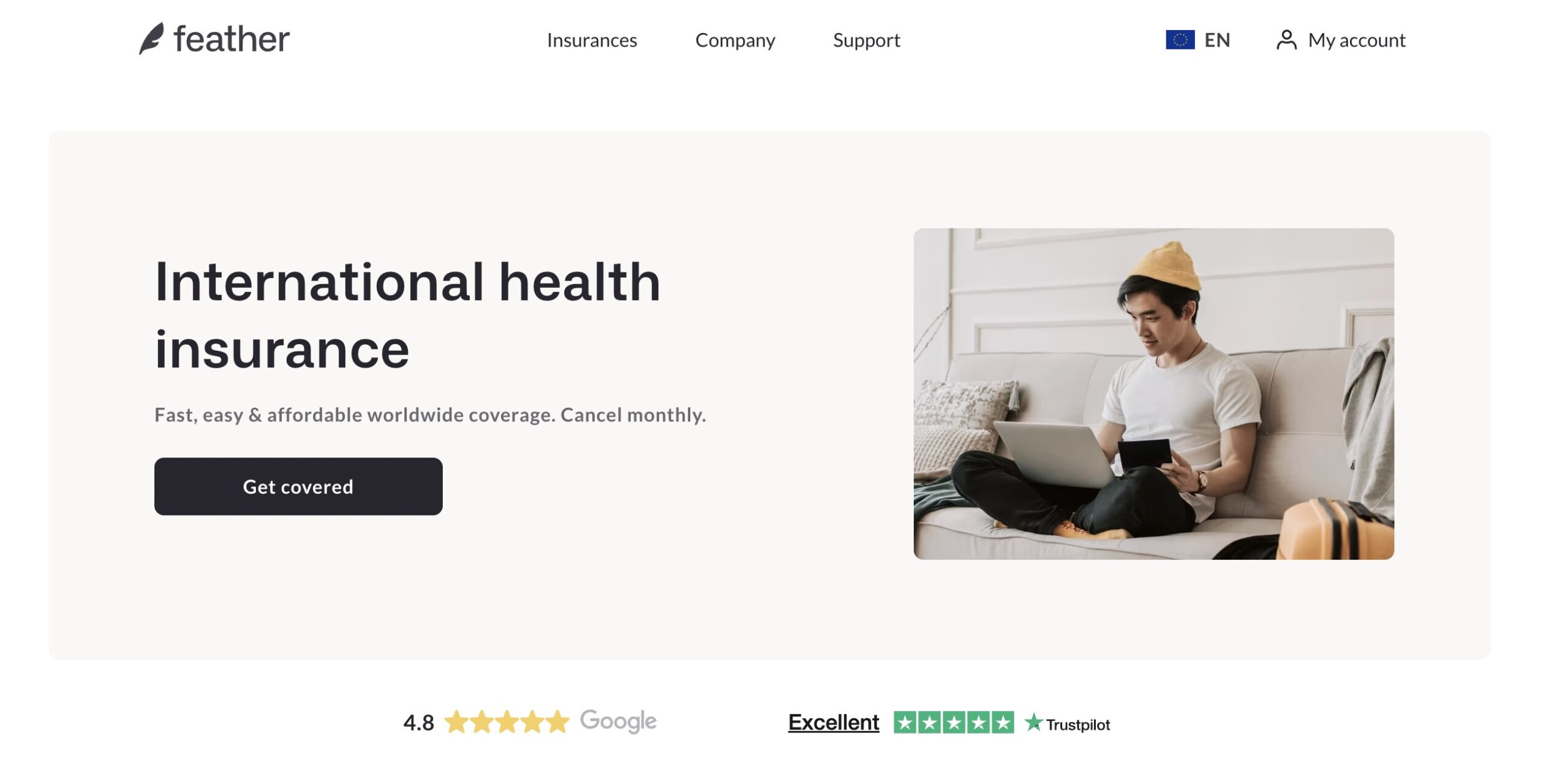
- Feather has global coverage built for people living abroad, not just visiting.
- Straightforward online signup and digital claims you can file on your phone.
- Visa-friendly documentation for first permits, with higher tiers that can help on renewals
- Month-to-month flexibility, so you’re not trapped if life pivots
- Practical vibe: great if you’ve picked a base but still want the option to move without drama
For Americans:
If you’ll pop back to the States, decide before you buy whether you want a plan that includes USA treatment. That setting changes pricing and networks.
If your visits home are short and you’re comfortable with urgent-care cash prices or travel-medical limitations in the U.S., choose accordingly.
If you want U.S. care to behave like “normal,” you’ll likely need an expat plan configured for the USA or a separate domestic solution while you’re back. No one likes this answer, but it’s the truth.
“Less Coverage” vs More?
Healthcare abroad can be wildly affordable. If you’re young(-ish), healthy, and not a walking stunt reel, a lean emergency plan plus a small “oh-no” fund can make sense.
I’ve paid out of pocket for dermatology, dental fixes, and food-poisoning theatrics for less than a U.S. co-pay.
That math may shift as you get older or if you have ongoing needs. There’s no one right answer; there’s only the right answer for this part of your life.

A simple way to decide:
- List the routine things you actually use in a normal year (checkups, a prescription refill, a couple of labs).
- Check what clinics charge in the country you’re moving to.
- Compare that to the cost difference between a lean nomad plan and a fuller expat plan.
If the gap is small and you value convenience and continuity, go expat. If the gap is big and you truly don’t use much care, go lean and keep a side stash for out-of-pocket visits.
FAQ (the questions you’ll Google at midnight)
Do I really need visa proof?
Sometimes. Many consulates want proof of coverage with dates and limits for certain visas.
Will any of this work if I’m already abroad?
Yes. That’s the point. These options all support starting coverage after you’ve left, so you can choose plans and change as your life abroad evolves.
What about pre-existing conditions?
Tell the truth. Non-disclosure can void claims, and arguing with an insurer is a full-time job nobody wants. You’ll have to look into specifics under each option.
Will this replace U.S. insurance?
Not automatically. If you need robust U.S. coverage during visits, you’ll need a plan that explicitly includes the USA or a separate solution while you’re home.

What if I just need coverage for a fun two weeks abroad with some sports?
World Nomads and SafetyWing offer simple and flexible travel insurance. Buy at home or while traveling and claim online from anywhere in the world.
Are all sports and activities covered?
Always double-check! If you’re snowboarding in Bulgaria or skydiving in New Zealand, those might not be covered by your average insurance plan.
Final Thoughts (From Someone Who Actually Lives This Way)
Buy for the life you’re living this year. Decide if you want emergency-only or full “go to the doctor like a normal human” healthcare.
Make a chat to support before you pay, confirm the details, and save everything. And if you’re on the fence, remember: abroad, a lot of routine care is refreshingly affordable.
You can run lean, or you can go comfy. Both are valid. Just don’t go 100% uninsured with little “uh oh” money and hope for vibes.
I hope this guide helped you choose the best move abroad insurance for your situation!
