
Thailand’s BEST and EASIEST Visas: What to Know
If you’ve ever spent five minutes in Thailand, you’ve probably thought, “Yeah… I could live here.” And honestly? You probably can.
Thailand makes it relatively easy to stay long-term, especially compared to other countries in Asia, if you pick the right visa.
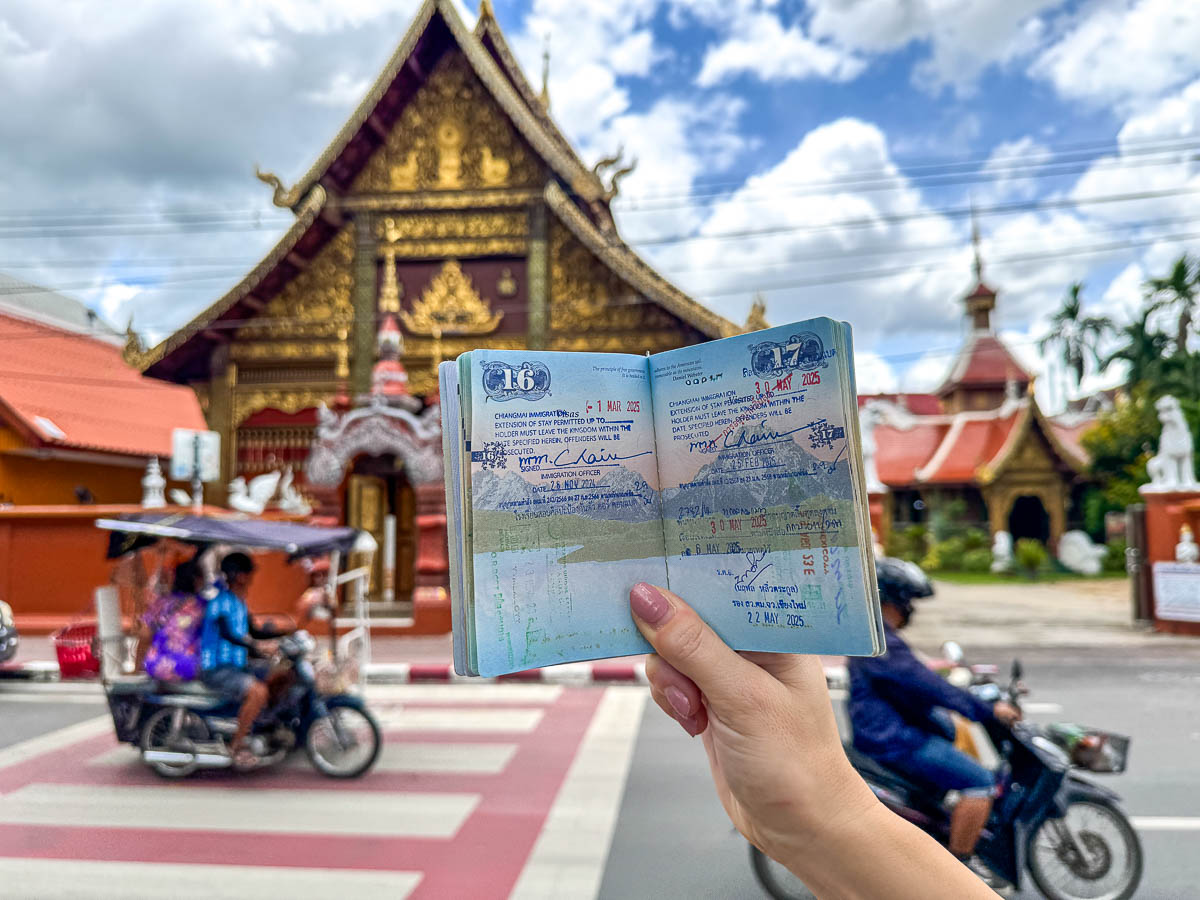
Over the years, I’ve lived in Thailand on three very different visa types. I taught English in Ayutthaya in 2011–2012, stayed on an education visa in Chiang Mai a few years later, and now I’m riding the DTV wave as a remote worker.
Each had its pros and cons, and depending on your situation, one of these routes might be the perfect fit for you. If not, don’t worry, I got more options for you too!
Let’s break it ALL down!
1. Destination Thailand Visa (DTV) – For Remote Workers & Digital Nomads
The newest addition to Thailand’s visa lineup and arguably the most exciting for nomads is the Destination Thailand Visa (DTV).
This long-stay visa was launched in 2024 and is tailor-made for remote workers, freelancers, and other location-independent folks.
In short? This visa is freaking amazing.
You get 180-day stays, renewable up to five years total — without having to apply over and over. It’s not totally hands-off, but it’s the easiest long-term solution Thailand has ever offered for remote workers.
Who Can Qualify for the DTV?
You must fall into one of these eligible activity categories:
- Remote Work or Freelancing (the most popular)
- Studying Thai Language or Traditional Arts
- Practicing “Soft Power” Sports like Muay Thai
- Volunteering or Community Work
- Medical Tourism
Basic Requirements (All Applicants)
Regardless of which category you fall under, you’ll need to show:
- Proof of activity (examples below)
- $15,000 USD minimum in your bank account (held for 3 months prior to applying)
Examples of Proof:
- If applying under remote work: contracts, invoices, proof of business ownership, online portfolio, etc.
- For education: enrollment documents from a Thai language school or cultural training center
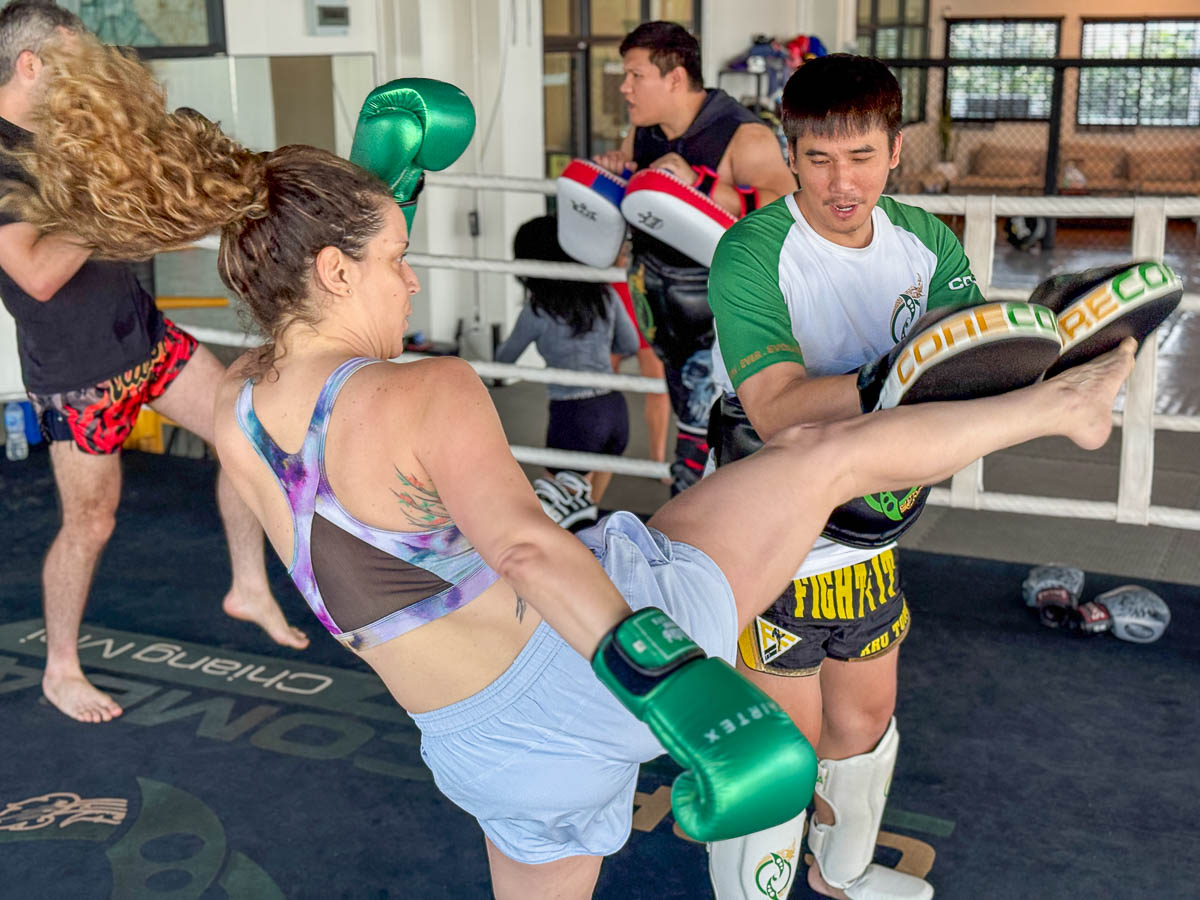
- For Muay Thai or Soft Power sports: proof of registration at a certified gym or school like Core Combat (tell them Nina says hi!)
- For volunteering: a formal agreement with a registered Thai NGO
- For medical tourism: appointment confirmation with a Thai medical provider
Fees:
- The application fee is ฿10,000–15,000 (~$280–$420 USD), depending on your location and conversion rates.
- I paid ฿12,500 (~$340 USD) applying from Vietnam.
- My partner, Garrett, applied from the U.S. and paid closer to $400 USD.
- Expect this to vary depending on where you apply.
Application Process:
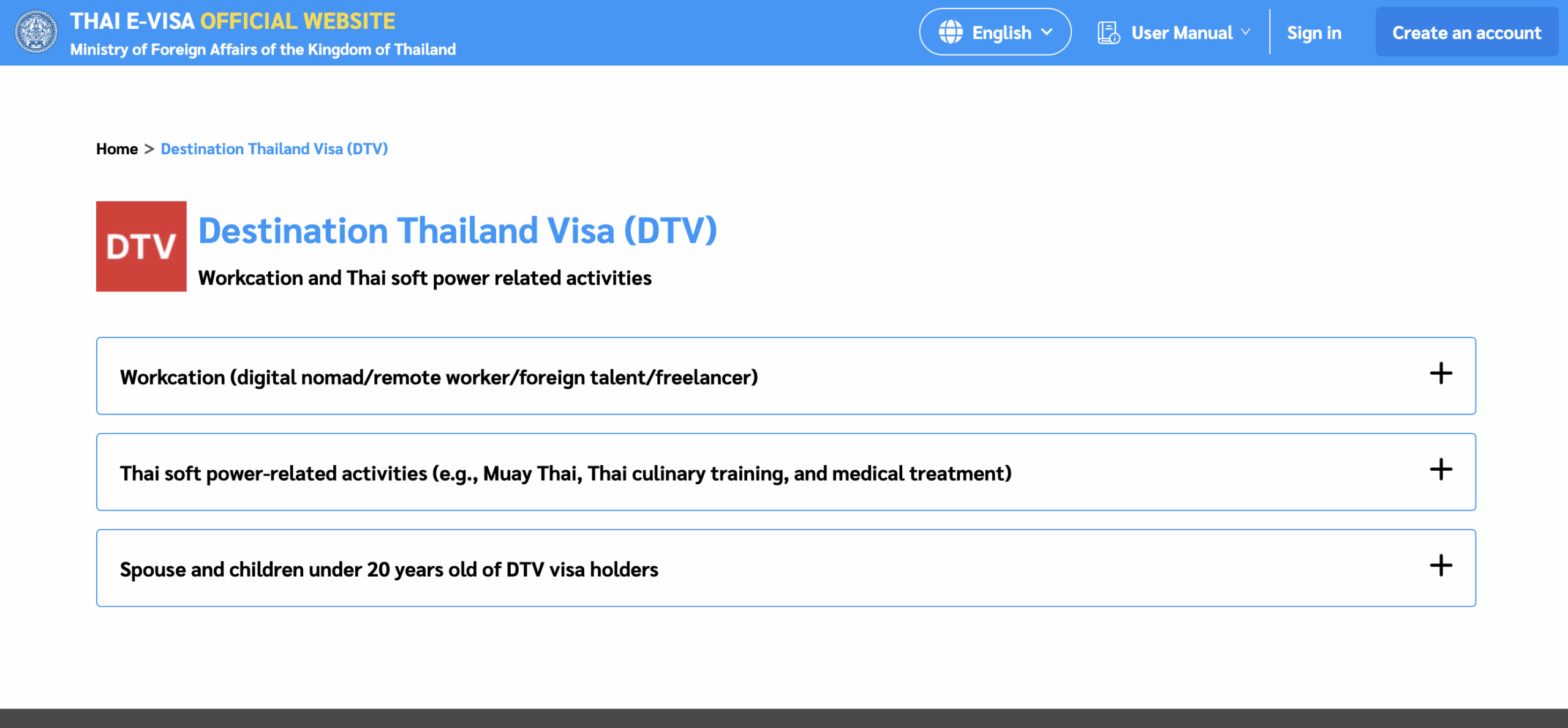
- You can apply through Thailand’s official eVisa portal.
- I applied while in Da Nang, Vietnam, and got approved in under two weeks.
- Garrett applied from the U.S. and had to wait over a month.
- Friends who applied in Japan got called in for interviews and had a much harder time.
So, yes, where you apply matters. A lot. Plan accordingly.
READ MORE: Living in Chiang Mai as a Digital Nomad
How the DTV Actually Works
You’ll get an initial 180-day stay when you enter Thailand on your DTV. The good news? You don’t automatically have to leave at the 6-month mark — you can apply for a one-time in-country extension for another 180 days.
That means you could stay up to about a year before needing to exit and re-enter. Every 90 days, you still have to do the standard immigration check-in. It’s just paperwork, nothing dramatic.
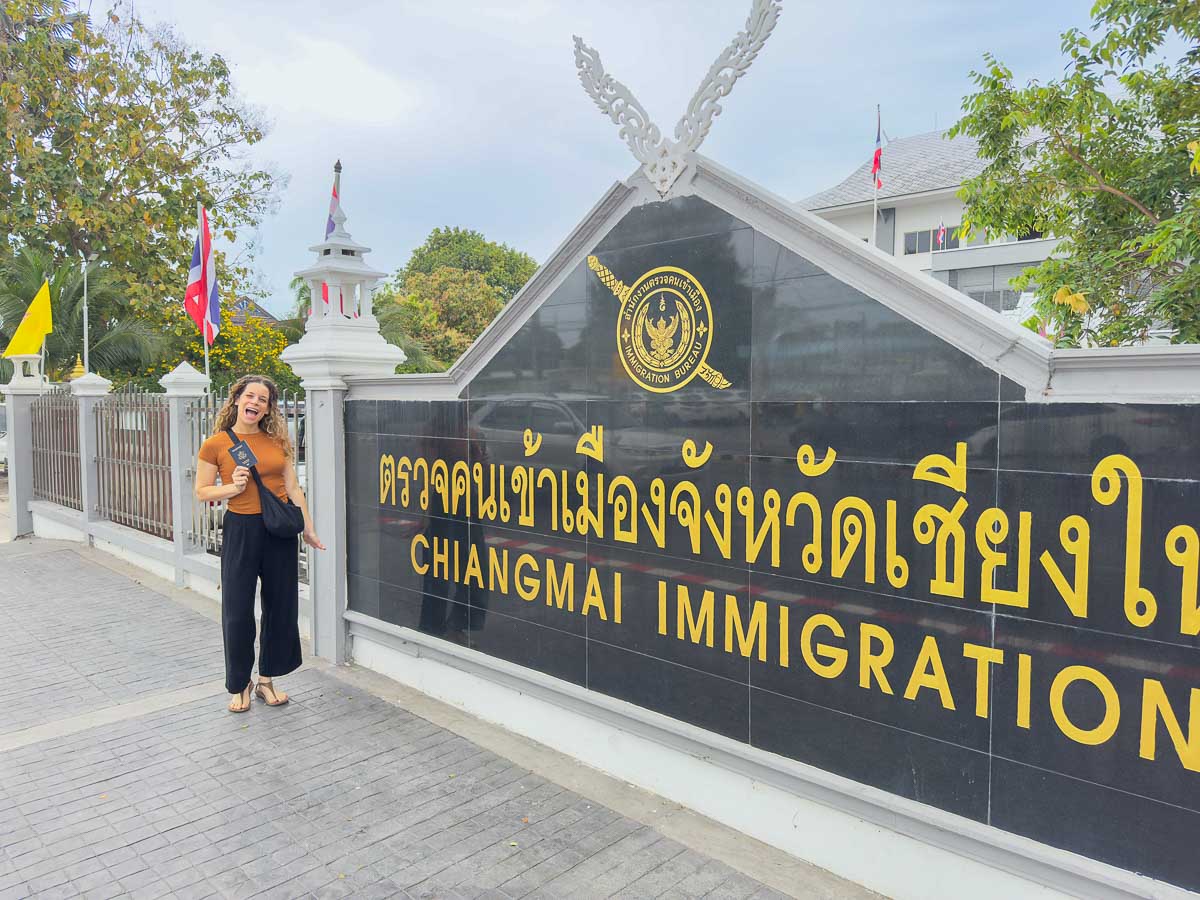
After your extension runs out, you’ll need to leave Thailand and come back in to reset the 180-day clock. Since it’s a multiple-entry visa valid for 5 years, you can repeat this cycle as many times as you want within that window.
Think of those exits as built-in excuses for a quick trip to Kuala Lumpur, Vietnam, or Indonesia. Flights in the region can be cheap— budget around $100–300 round-trip, depending on where you go and for how long.
2. Education Visa (ED) – For Learning Thai, Muay Thai, or Self-Defense
Before the DTV, I stayed in Chiang Mai on an education visa tied to a self-defense course. Yep — that’s a thing! You can legally stay in Thailand by signing up for approved programs in:
- Thai language schools
- Muay Thai gyms
- Self-defense courses
- Even massage schools
My Experience:
I originally signed up with Core Combat for self-defense — I liked the idea of learning something practical, and it kept me busy.
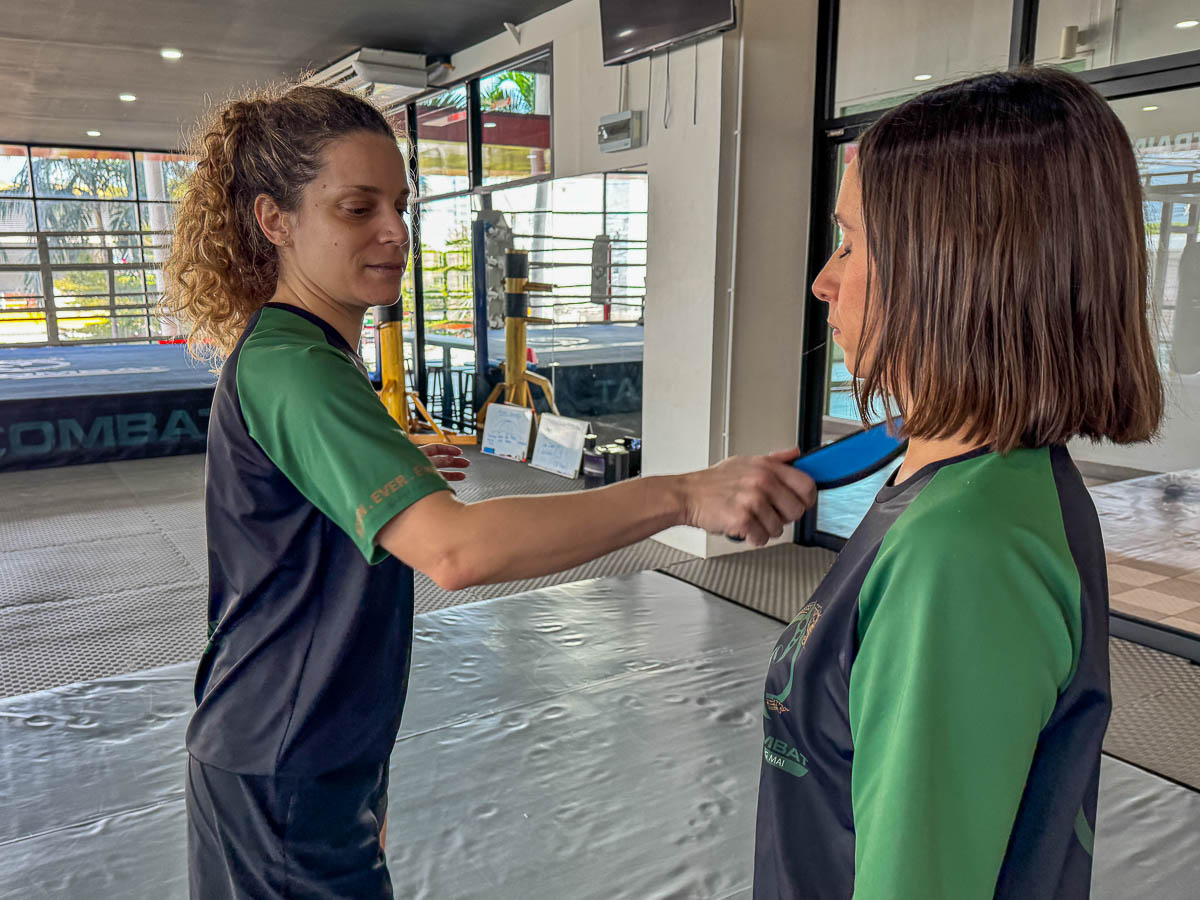
But after a few Muay Thai classes, I got completely hooked.
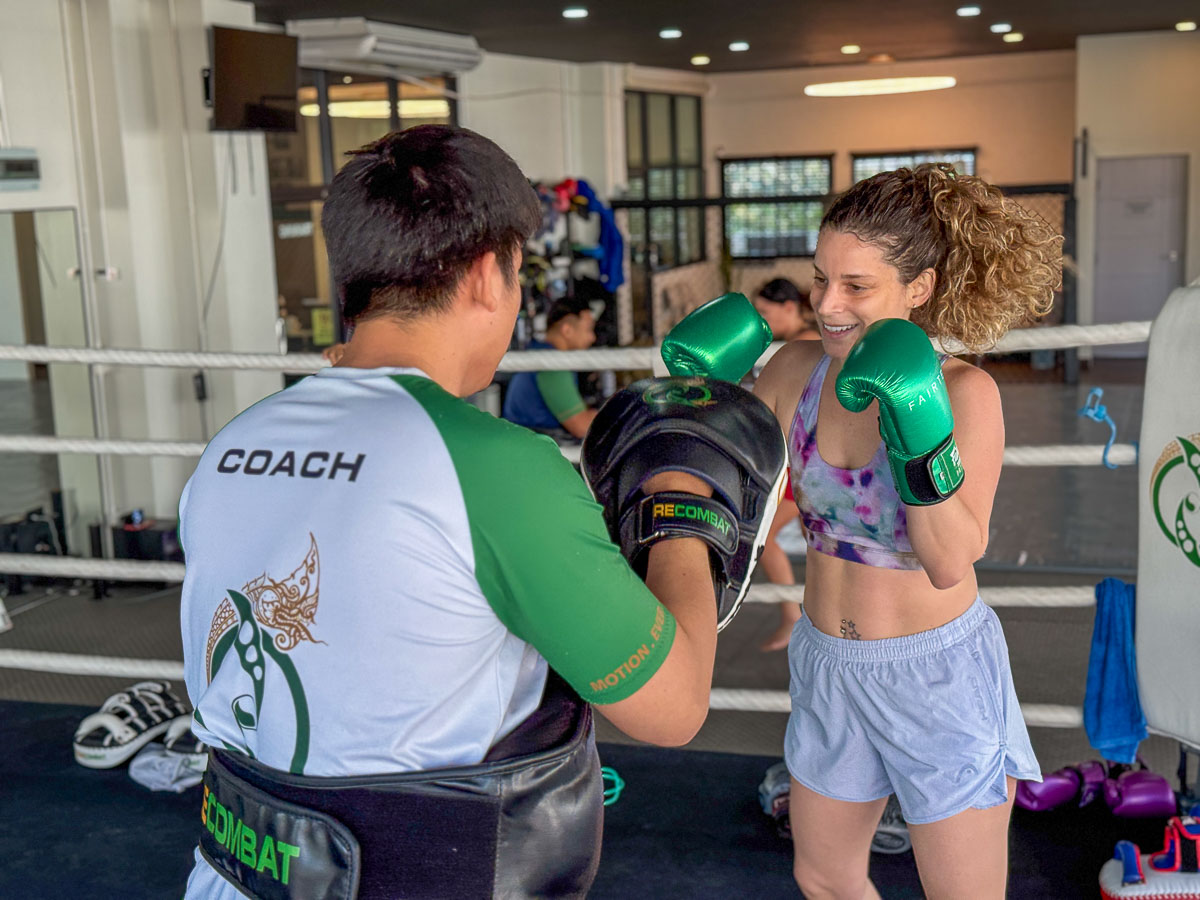
The workouts were way more intense and fun, and I stuck with that even though it wasn’t required for the DTV visa I was on (because I applied as a digital nomad). I’m now officially addicted.
How It Works:
- You enroll in an approved school or gym, and they help sponsor your visa.
- You’ll get a 12-month visa, renewed every 3 months with immigration check-ins.
- You’re expected to attend a certain number of hours each week.
- Some schools may conduct light testing or attendance tracking.
- Make sure your school is legit, immigration DOES check in! My school – Core Combat – is 100% legit, and they will do pretty much everything for you, too.
Costs:
- Training packages typically range from ฿3,500–฿7,000/month (~$95–$195 USD).
- Visa fees and paperwork can cost another ฿5,000–฿10,000 (~$140–$280 USD) upfront.
- Some programs offer full visa support included in the package price.
Pros:
- No income requirement.
- Great for people who want structure and local integration.
- A good “starter” visa for those figuring things out.
Cons:
- Less flexible than the DTV.
- You must be physically present for training (not really a con, but some people just want the visa and don’t want to show up, so…)
- Visa lasts 6–12 months total, depending on your program
3. Teaching English (Work Visa) – For Those Looking to Stay AND Earn
This was my first intro to long-term Thai life: I taught English in Ayutthaya in 2011–2012 on a work visa sponsored by my school.
It wasn’t glamorous, my salary was around $1,000/month (which is decent for out here), but it allowed me to live and travel in Thailand while legally earning too.

How It Works:
- You’ll need a job offer from a registered school or agency (you can come here first on a tourist visa, and I recommend that you do! Then find an offer).
- Most require a Bachelor’s degree (in any field) and a TEFL certification.
- Your school handles the visa paperwork, and you’ll receive a Non-Immigrant B visa and work permit.
— 👉 TIP —

BEST TEFL COURSE
There are tons of TEFL programs out there, and it’s hard to sift through which are actually worth it, trust me, I made a mistake when choosing mine! DON’T BE ME!
I’ve got you covered with the best TEFL program so you can teach English around the world and travel!
50% off with code: nina50
What You Get:
- A 1-year visa with regular renewals.
- Legal status to work and stay in the country.
- A stable income (though not usually a high one).
TIP: I also found work online while teaching here, which helped me earn more. Most schools don’t require you to work 40 hours a week, so you have time.
Typical Salaries:
- Government schools: ฿30,000–40,000/month (~$830–$1,100 USD)
- International or private schools: ฿50,000+ (~$1,400+ USD)
Is It Worth It?
- If you’re already interested in teaching or want an affordable way to live abroad — yes.
- If you’re trying to build a location-independent income, also yes, because you can live out here and work on that on the side. It’s what I did.
- It’s a more “traditional” path, but it’s legit and still widely used.
READ MORE: How to Teach English Abroad in Thailand – Live and Work in Thailand!
Other Visa Options (Brief Rundown)
If none of the above fit your vibe, here are a few other ways people stay in Thailand long-term:
Retirement Visa
- Must be 50+ years old.
- Requires proof of income (~฿65,000/month or $1,800 USD) or a ฿800,000 bank deposit ($22,000 USD).
- Great option for retirees or slow travelers who qualify.
- Read more
Marriage Visa
- If you’re married to a Thai citizen.
- You must show proof of relationship and financial support (฿400,000 in the bank or ฿40,000/month income).
- Typically renewed annually with 90-day check-ins.
- Read more
Elite Visa
- A luxury visa for those who want long stays without paperwork.
- Starts at ฿900,000+ (~$25,000 USD) for a 5-year package.
- Includes concierge services and fast-track immigration, a high-end solution for nomads with cash.
- Read more
Tourist Visas
- You can apply for a single-entry (60-day) visa and extend it for a further 30 days, or get a 30-day visa upon landing and then extend it for a further 30 days.
- These are not long-term solutions, but they’re great for testing the waters or staying short-term.
- Read more
Final Thoughts: Which Thailand Visa is Right for You?
If you’re a digital nomad or remote worker, the DTV is hands-down the best choice right now. It’s flexible and long-term.
If you’re still figuring things out or want structure in your days, an Education Visa is a great way to dip your toes into life in Thailand. And if you’re looking to earn while you stay, teaching English is still a tried-and-true route.
No matter which path you take, Thailand has more visa flexibility than most digital nomad hotspots, and I’ve personally tested the top options for you.
Which Thai visa is for you? I hope this guide helped you decide!
More On Living in Thailand:
Read more about living in Thailand:

This guide gives you the *exact* steps, visa options, and decision tools to pick the best country for *you*.
GRAB THE GUIDENo fluff. No BS. Just straight-up ✨virtual hand holding✨ so you can stop dreaming and get out of the US!