
Driving In Iceland: 11 Things To Know Before You Go
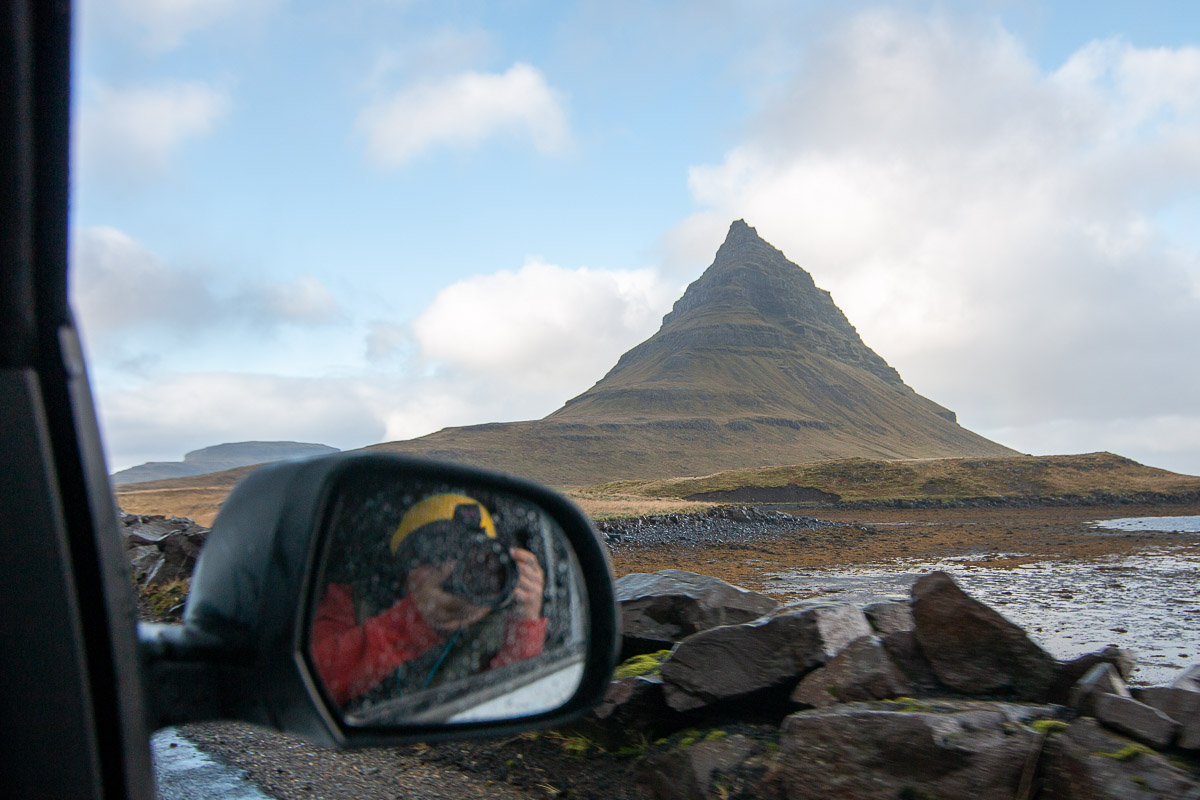
Driving in Iceland is one of the best ways to see the country. It gives you total freedom, lets you stop whenever you want, and opens up places tours simply cannot reach.
But it is not quite like driving at home.
Conditions can change quickly, roads are not always what you expect, and there are a few things that catch almost every first-time visitor off guard.
This guide breaks down exactly what you need to know before getting behind the wheel in Iceland so you can avoid mistakes and actually enjoy the drive.
➡️ Need a vehicle? You can compare car and campervan rental options here to find the best prices for your trip.
1. Driving In Iceland Is Easy Until It Is Not
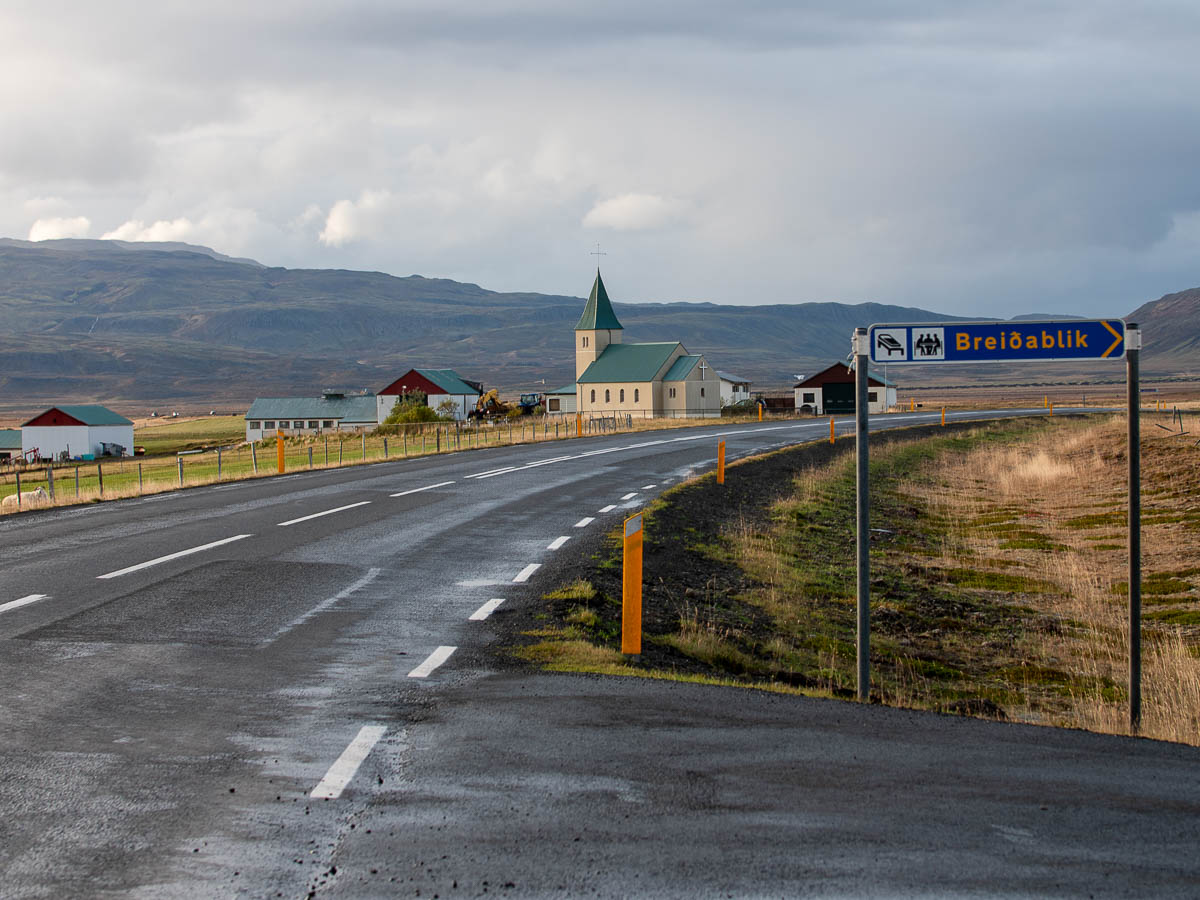
Most of the time, driving in Iceland feels straightforward. The main roads are well maintained, traffic is minimal, and navigation is simple.
But conditions can change fast. Wind, rain, fog, or even snow can roll in quickly, and that is when things get more challenging.
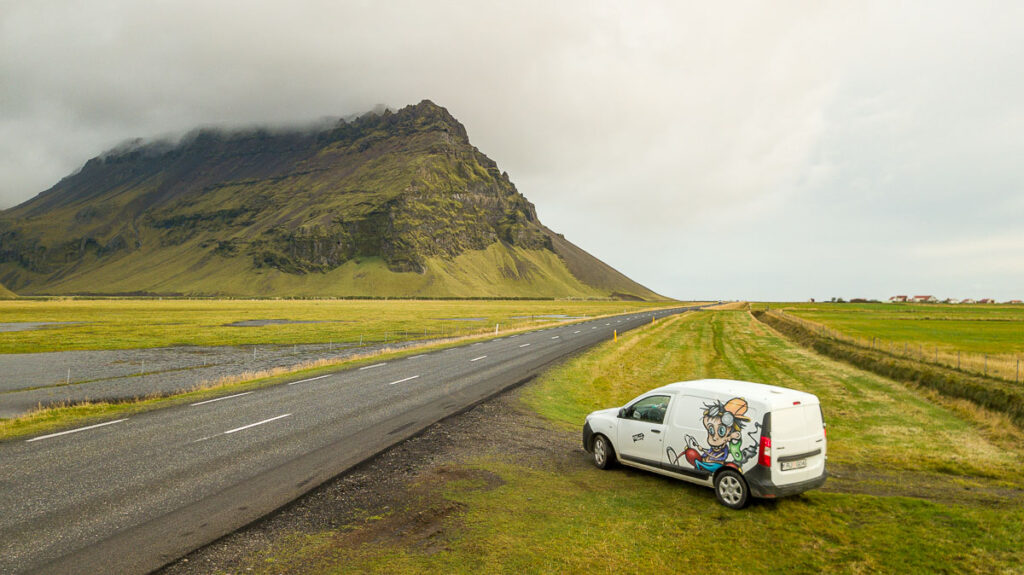
The key is to stay alert and not get too comfortable just because the road feels easy at first.
2. You Do Not Need A 4×4 For Most Trips
This is one of the biggest misconceptions.
If you are sticking to the Ring Road, Golden Circle, and other main routes, a standard 2WD vehicle is completely fine. Most travelers do not need a 4×4.
You will only need one if you plan to drive on F roads or head into more remote highland areas.
If you are unsure, start by checking rental options here and comparing 2WD vs 4×4 pricing before deciding.
3. F Roads Are A Different Game
F roads are rough, unpaved mountain roads that require a 4×4 vehicle. They are often remote, can include river crossings, and are usually only open in summer.
If you are not specifically planning for them, you can skip them entirely and still see incredible parts of Iceland.
For most first-time visitors, sticking to regular roads is more than enough.
4. The Wind Is No Joke
People expect rain and cold. They do not expect the wind.
Strong gusts can hit suddenly, especially in open areas, and they can make driving feel unstable if you are not ready for it.
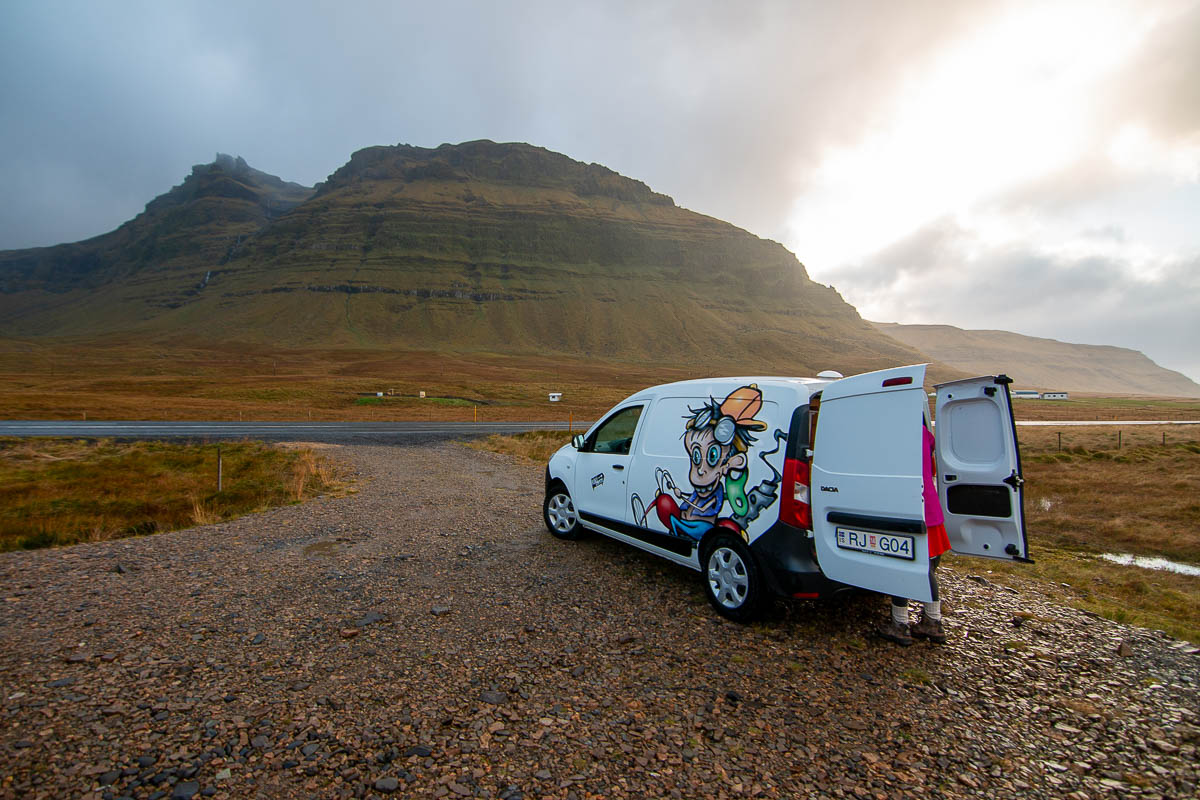
Hold the wheel firmly, slow down when needed, and be extra careful when opening car doors. Wind damage is one of the most common issues travelers run into.
They closed the road for a day to all taller campervans due to wind conditions one time, and another time we saw damage to a car door from a gust of wind (the door bent the opposite way).
RELATED: Visiting Iceland in September: Is It a Good Time to Visit?
5. One Lane Bridges Are Everywhere
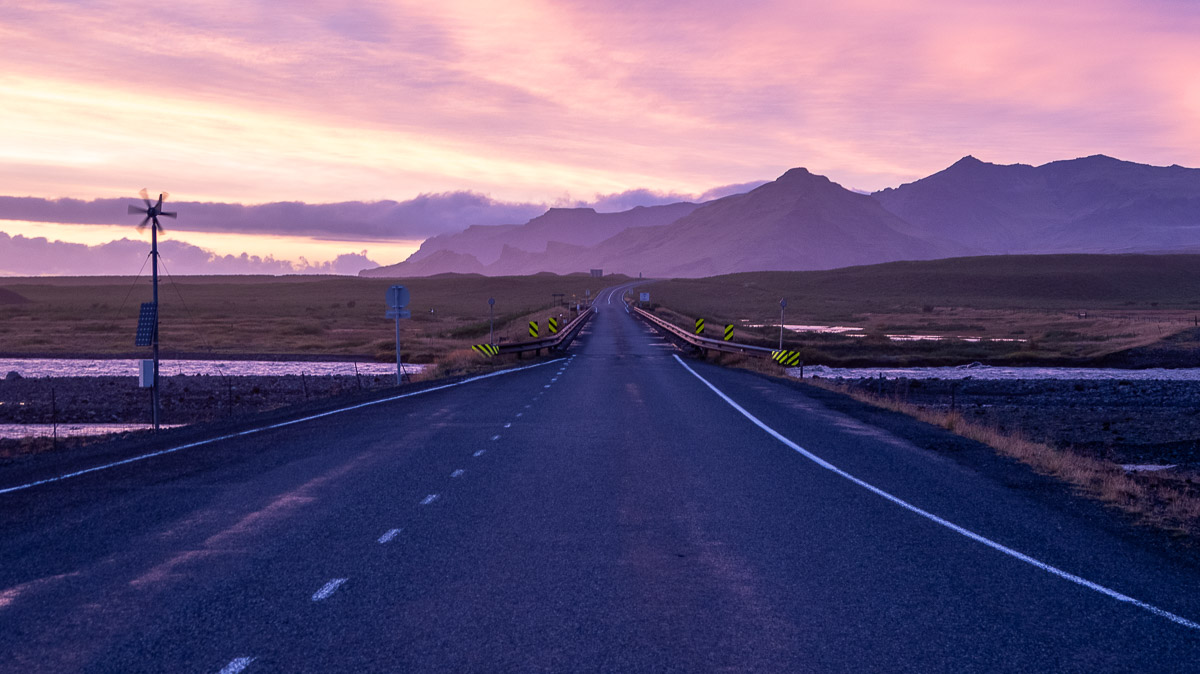
You will come across one-lane bridges often, especially outside of major areas.
The rule is simple. The first car to arrive has the right of way.
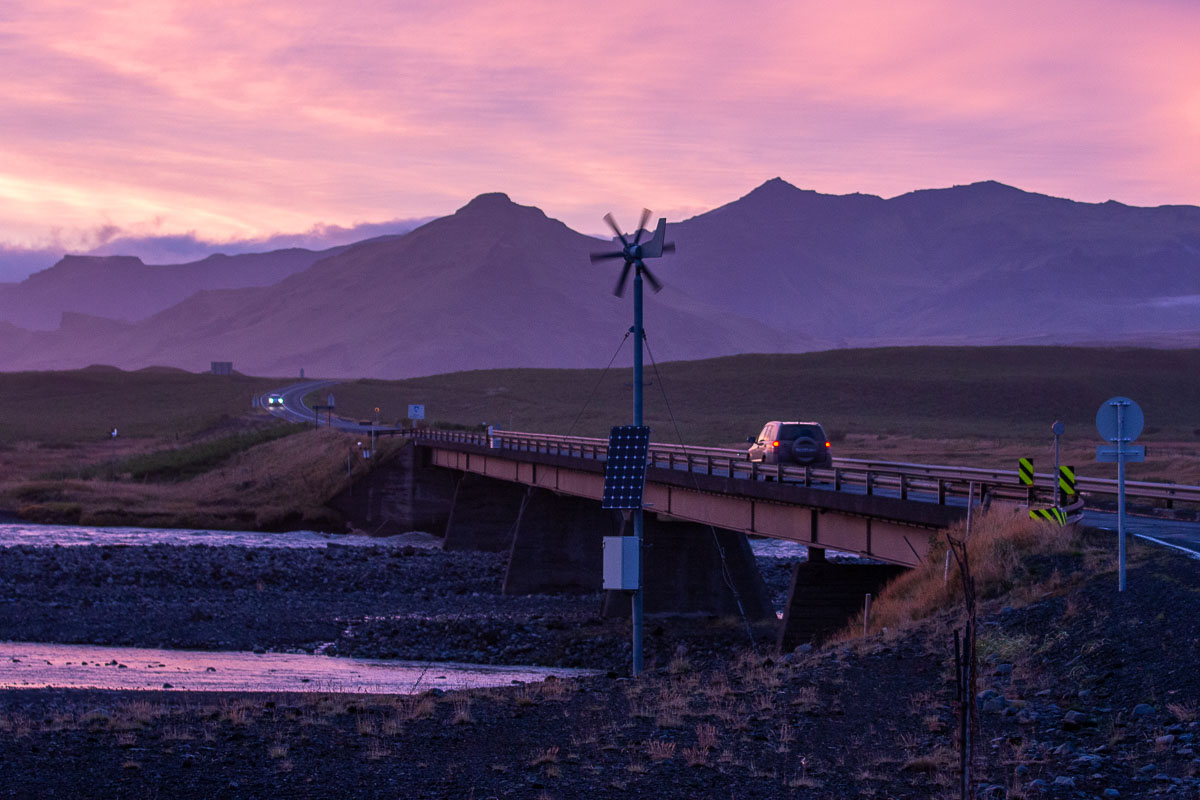
Slow down as you approach, check for oncoming traffic, and do not rush it. It is easy once you get used to it.
6. Sheep Will Walk Into The Road
This sounds funny until it happens.
Sheep roam freely across much of the country, especially in summer, and they will wander onto the road without warning.
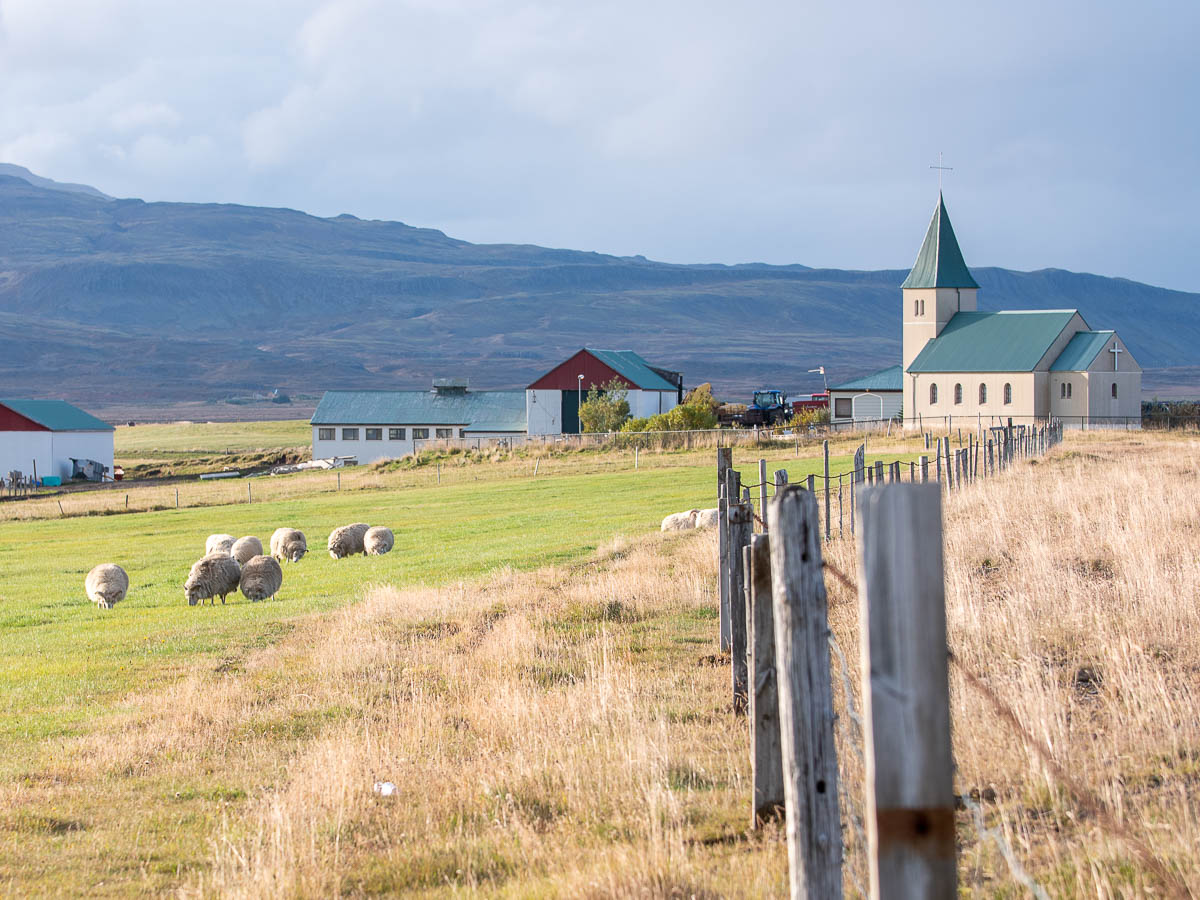
Always keep an eye out, especially in rural areas. It is more common than you think.
7. Gas Stations Are Not Always Close
In more remote areas, gas stations can be far apart.
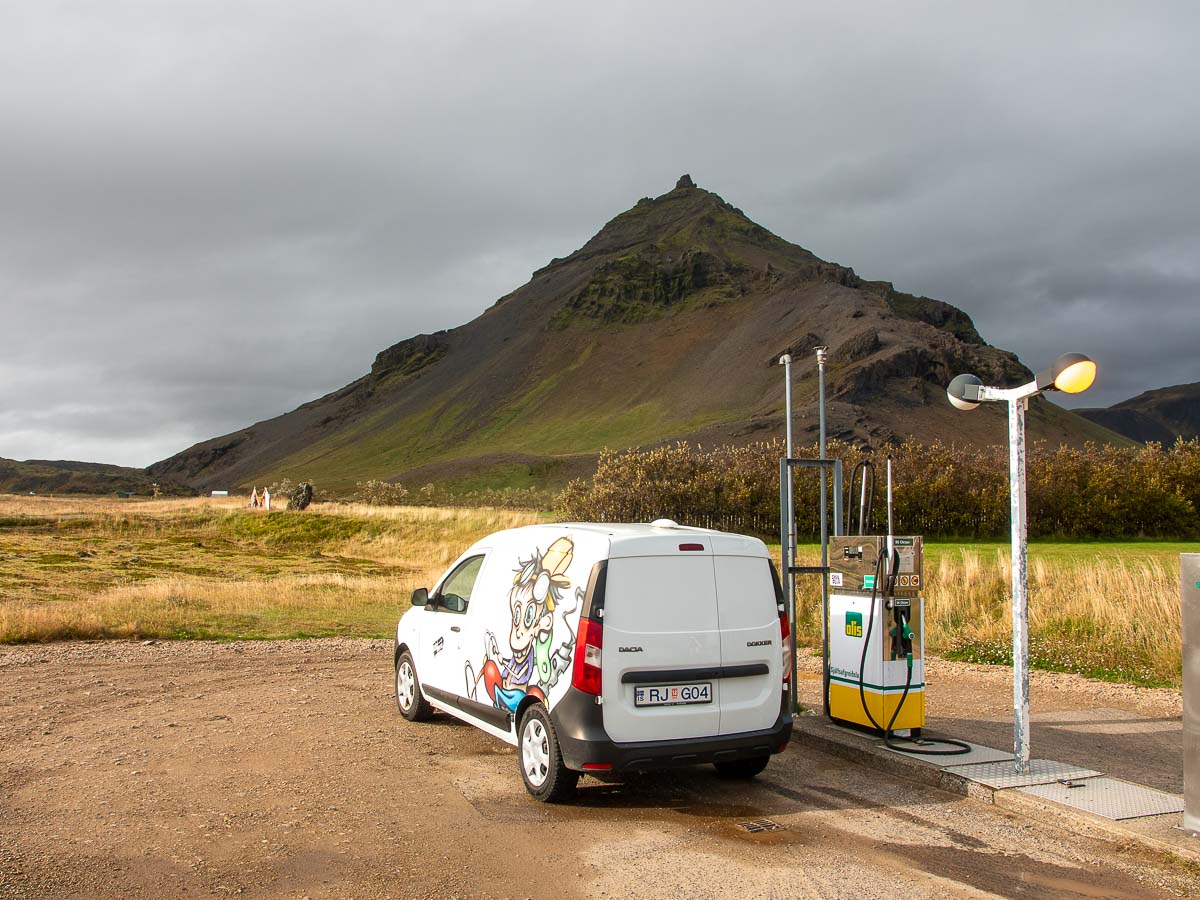
If you see one and you are not close to full, just fill up. It is not worth risking it.
Fuel is expensive, but running low in the middle of nowhere is worse.
8. Do Not Ignore Weather And Road Warnings
Iceland takes safety seriously, and if a road is closed or conditions are flagged, there is a good reason.
Do not try to push through or assume it will be fine. This is one of the most common mistakes visitors make.
If conditions look questionable, wait it out or adjust your plans.
We had to head the opposite way one day because the wind was so bad they closed the road to campervans!
9. Gravel Roads Happen Even On Popular Routes
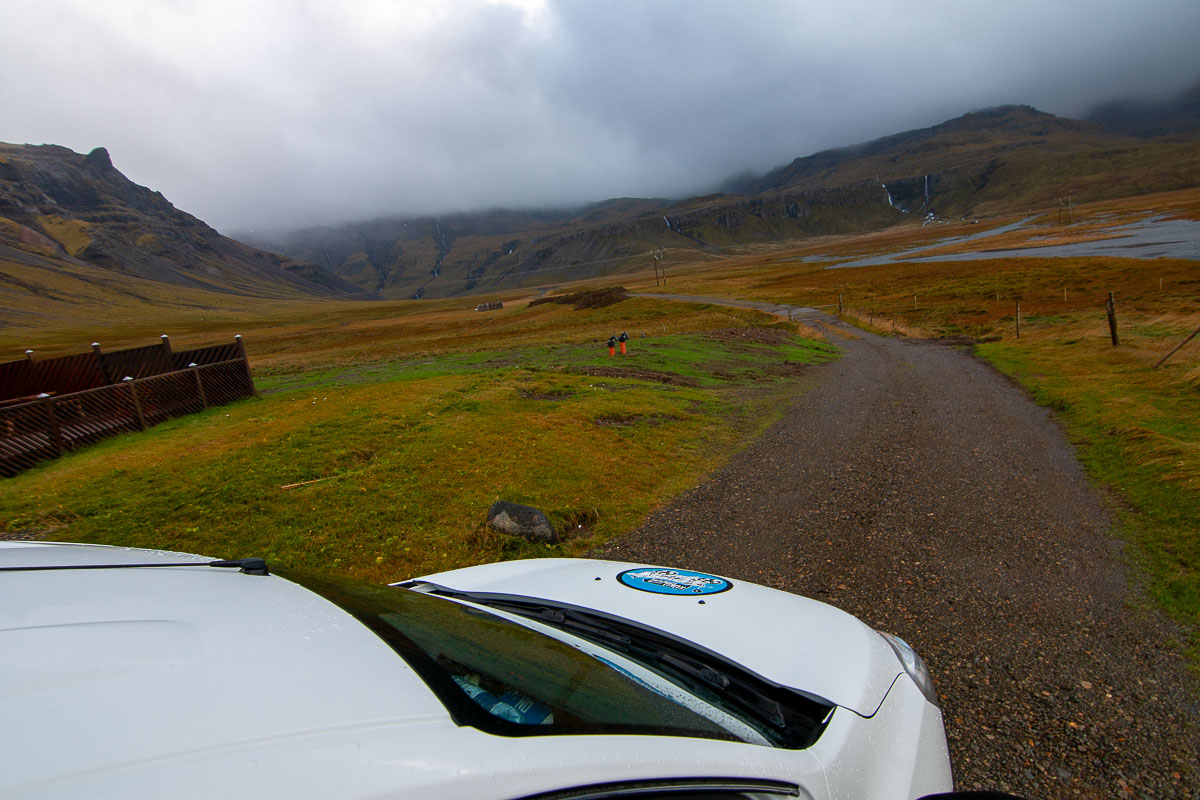
Even if you are not driving on F roads, you will likely encounter gravel sections at some point.
Slow down, keep a safe distance from other cars, and be aware of loose rocks that can kick up.
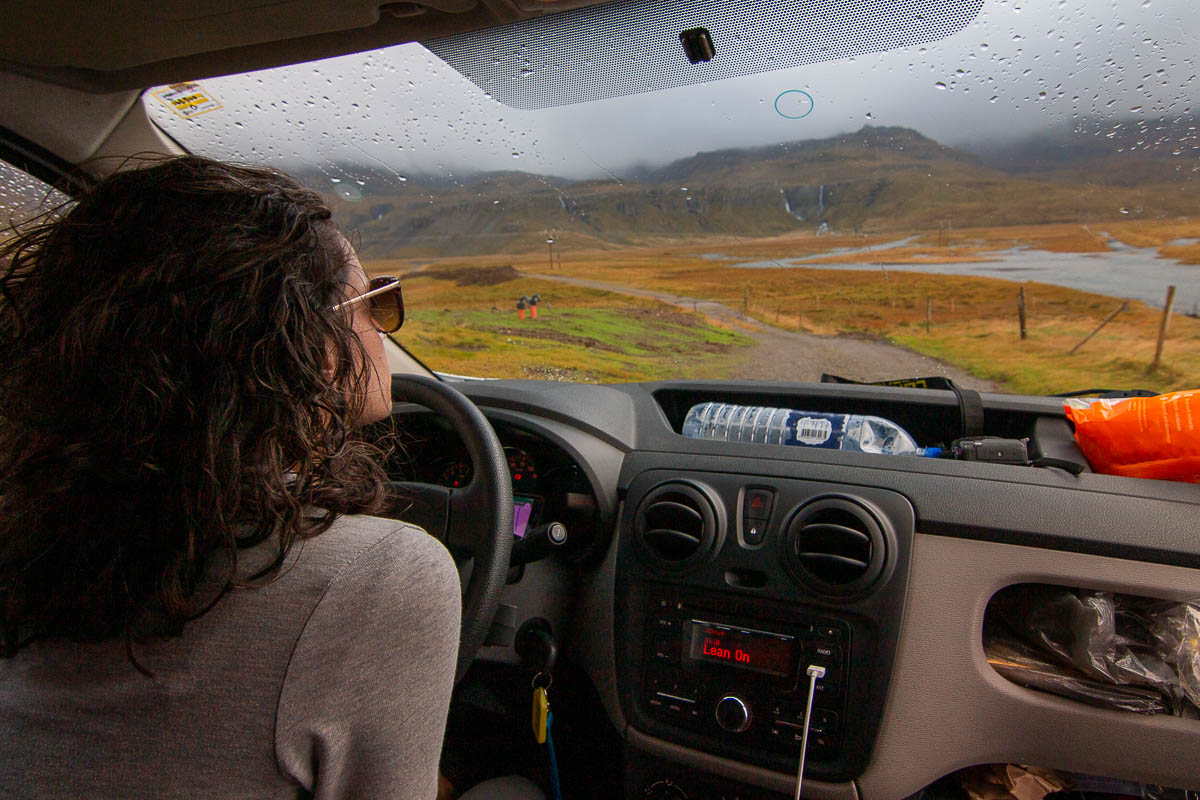
This is also why many people choose to add gravel protection to their rental. Seems silly until you have to drive on one of these roads and these black shards are dinging your ride!
10. Driving A Campervan Vs A Car Feels Different
If you are considering a campervan, just know that it handles differently than a standard car.
It is larger, catches more wind, and takes a bit more attention, especially in rough conditions.
That said, many travelers find it worth it for the flexibility and convenience.
If you are debating between the two, you can compare campervan and car options here and see what makes the most sense for your trip.
READ MORE: Renting a Campervan in Iceland: What to Know
11. Do Not Be That Tourist
This one is simple.
Do not stop in the middle of the road for photos (yes, so many people do this), do not drive off-road, and respect the rules and the environment.
Iceland is stunning, and keeping it that way is everyone’s responsibility.
Sooo Is Driving In Iceland Worth It…?
Yes. For most travelers, driving is the best way to experience Iceland.
It gives you freedom, flexibility, and access to places you would otherwise miss.
As long as you understand the basics and stay aware of conditions, it is a very manageable and rewarding experience.
➡️ Ready to plan your trip? You can browse rental options here to lock in the best vehicle for your dates.
More Iceland
Read more about destinations in Iceland:
- 7 Things To Do On The Reykjanes Peninsula Near Keflavík, Iceland Airport
- Snaefellsnes Peninsula In One Day (What To See + How To Plan)
- 8 Best South Coast Iceland Stops (From Reykjavik To Vík)
- Golden Circle Iceland Itinerary (Self-Drive Or Tour From Reykjavik)
- 13 Worth-It Day Trips From Reykjavik, Iceland
- Iceland 7-Day Itinerary: West And South Coast Route
Read more about campervanning in Iceland + tips:
- Renting a Campervan in Iceland: What to Know
- Driving In Iceland: 11 Things To Know Before You Go
- Visiting Iceland in September: Is It a Good Time to Visit?
- Iceland Packing List: What to Wear in Iceland
- How Much Does a Trip to Iceland Cost? (Real Budget Breakdown)
- Is Iceland Actually Worth It?
- 12 Iceland Travel Tips You Need to Know Before You Go
