
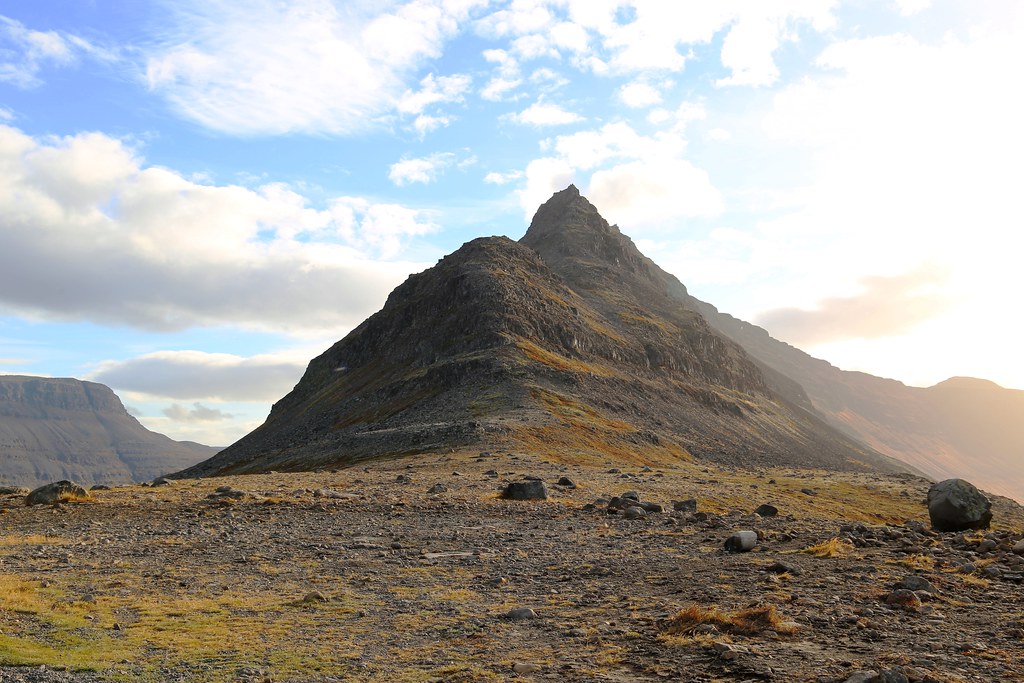
An Adventurous Escape to Seyðisfjörður, Iceland – Top Things to Do
Feature Photo “IMG_3927 Seydisfjordur, Westfiords” by Fernando Sa Rapita is licensed under CC BY-NC-SA 2.0
Authored by Sigga S., a licensed Icelandic guide
They say the best places are the ones you stumble upon unexpectedly—and that’s exactly how I found Seyðisfjörður, a tiny town tucked away in the remote fjords of East Iceland. I hadn’t planned on going there initially. In fact, it was just a suggestion from a fellow traveler I met in a Reykjavík coffee shop. “Trust me,” she said, “you haven’t seen Iceland until you’ve been to Seyðisfjörður.” Intrigued, I added it to my route. That spontaneous decision turned out to be one of the best I made on the entire trip.
The journey alone was worth it. As I drove along the dramatic Fjarðarheiði mountain pass—often shrouded in fog and mystery—I felt like I was entering another realm. Waterfalls gushed down steep cliffs, clouds clung to jagged peaks, and then, suddenly, the road opened to reveal a serene fjord and a town that looked like it belonged in a storybook. Colorful wooden houses, crisp mountain air, and a stillness that calmed my soul—it was love at first sight.
Seyðisfjörður isn’t just a destination; it’s an experience. It’s where creativity, nature, and Icelandic culture converge in the most surprising ways. From rainbow-painted streets and sound sculptures in the hills, to roaring waterfalls and cozy local cafés, every corner of this place invites you to slow down, explore, and feel something real.
If you’re planning a trip to Iceland and want to discover something beyond the usual Golden Circle highlights, keep reading. I’ll take you through the top things to do in Seyðisfjörður—based entirely on my own adventure—so you can experience its magic for yourself.
Discovering Seyðisfjörður – A Hidden Gem in East Iceland
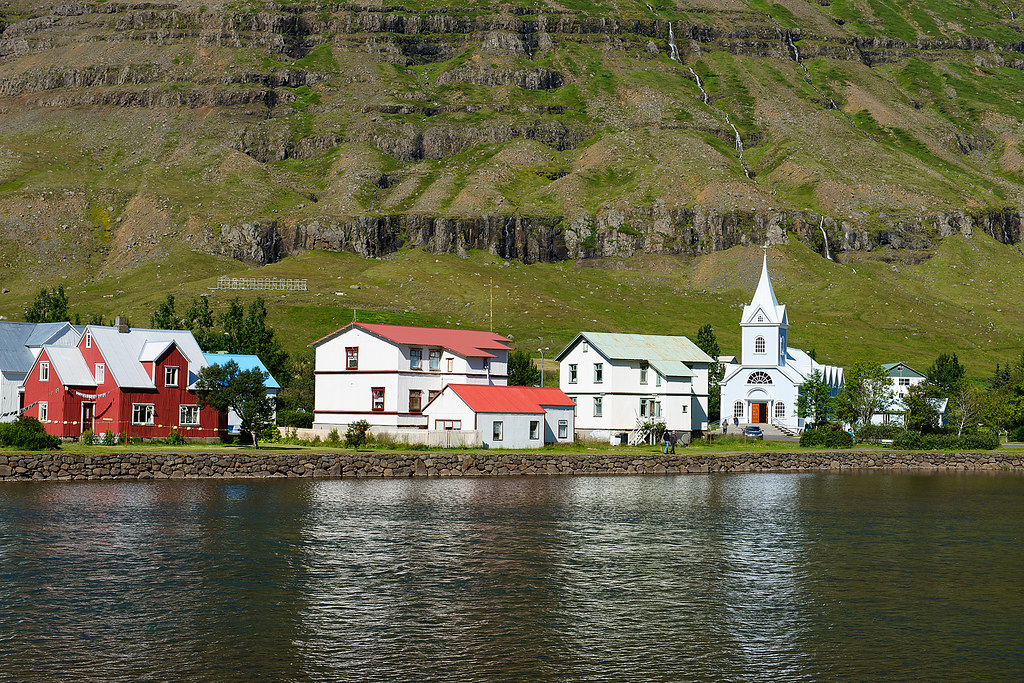
The journey to Seyðisfjörður itself is a spectacle. As I navigated the winding roads, waterfalls cascaded down the mountainsides, and the panoramic views of the fjord below were nothing short of breathtaking. Upon arrival, the town greeted me with its colorful wooden houses and the iconic Blue Church standing proudly at the end of Rainbow Street.
What to Do in Seyðisfjörður – My Must-Do Experiences
Hiking to Gufufoss – A Magical Waterfall in the Mist
Just a short drive or an invigorating walk from Seyðisfjörður’s colorful center lies Gufufoss, one of the most underrated waterfalls in Iceland. Although much smaller than its famous cousin, Skógafoss, Gufufoss has a wild and intimate charm that took me by surprise. The name translates to “Steam Falls,” and true to it, the constant mist gives the entire area an ethereal, almost cinematic atmosphere.
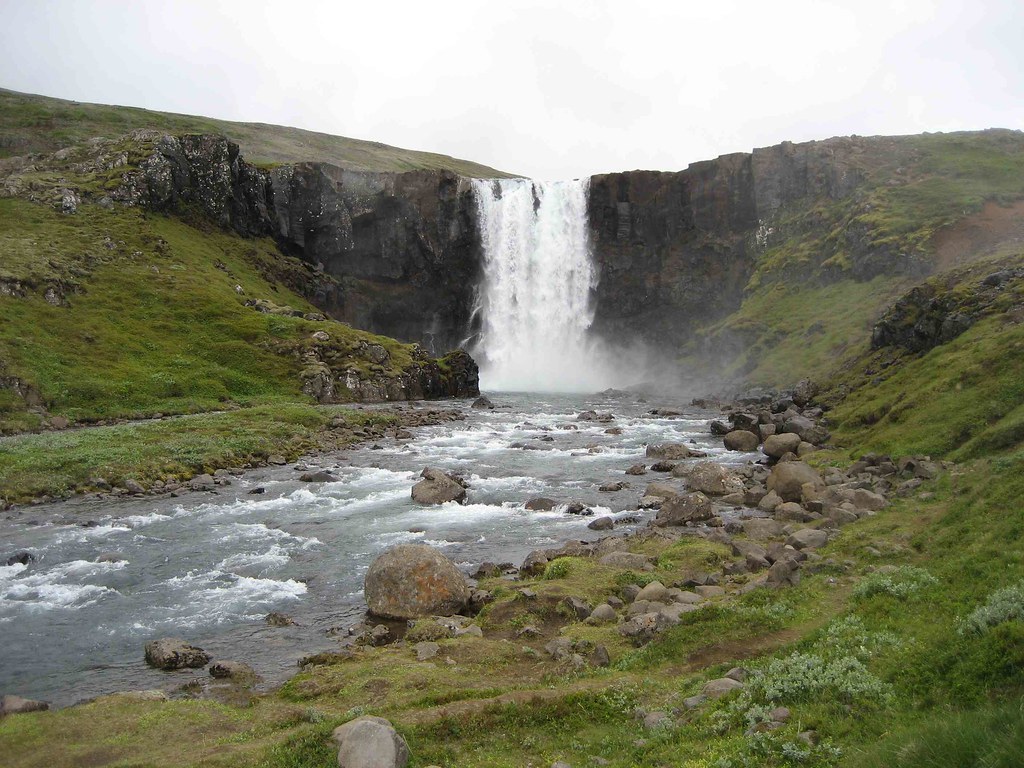
I arrived early in the morning, when the clouds were still hanging low over the valley. The waterfall thundered down the cliffside, surrounded by mossy rocks and lush greenery that shimmered under the fine spray. There were no crowds, no noise—just the sound of water and the occasional cry of a seabird echoing off the fjord walls.
The best part? It’s incredibly accessible. You don’t need to hike for hours to enjoy this natural wonder, which makes it a perfect stop whether you’re arriving in Seyðisfjörður or heading out for the day. If you’re into photography, bring your tripod. The soft morning light and mist swirling around the base of the falls create a mystical effect that’s hard to replicate elsewhere.
Visiting Gufufoss wasn’t just another checkbox on my itinerary—it was a moment of total immersion in Iceland’s raw, untouched beauty. I ended up sitting there for nearly an hour, just soaking it in.
READ MORE: Finding The Best Campervan Rental in Iceland and Where to Camp
Strolling the Rainbow Street to the Blue Church
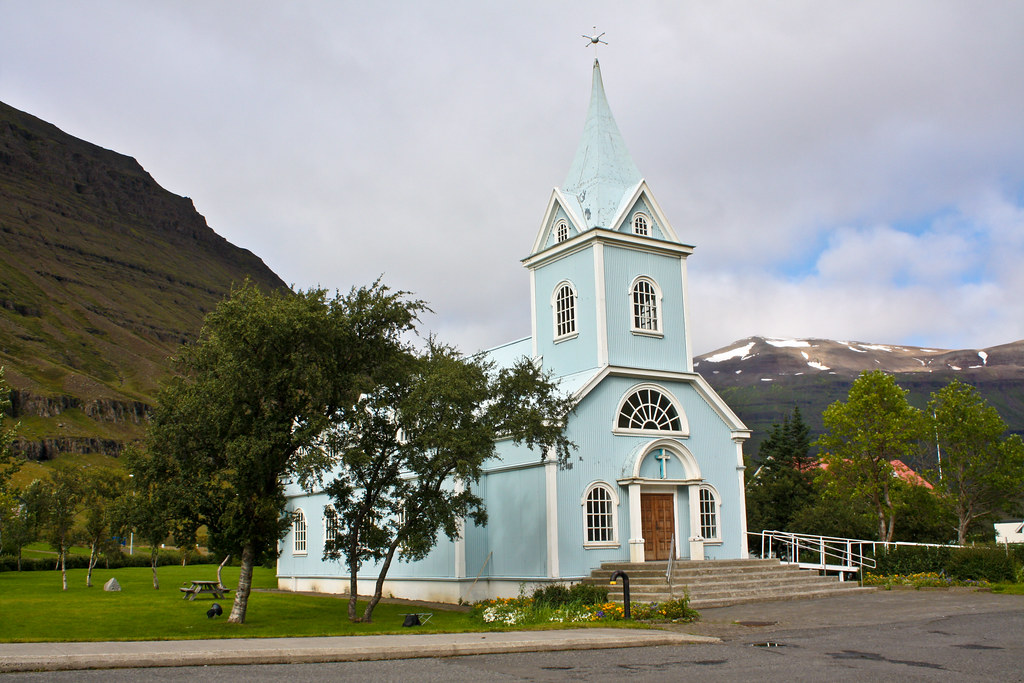
The most iconic image of Seyðisfjörður? Without a doubt, the Rainbow Street leading up to the quaint Blue Church (Bláa Kirkjan). And trust me, it’s even more enchanting in real life than in the Instagram shots.
I took my time walking the length of the street, which felt more like a canvas than a road. Each colored brick seemed to carry the joy and creativity of the town’s residents. This rainbow path isn’t just for aesthetics—it’s a symbol of inclusivity, unity, and the strong sense of community that pulses through this quiet corner of East Iceland.
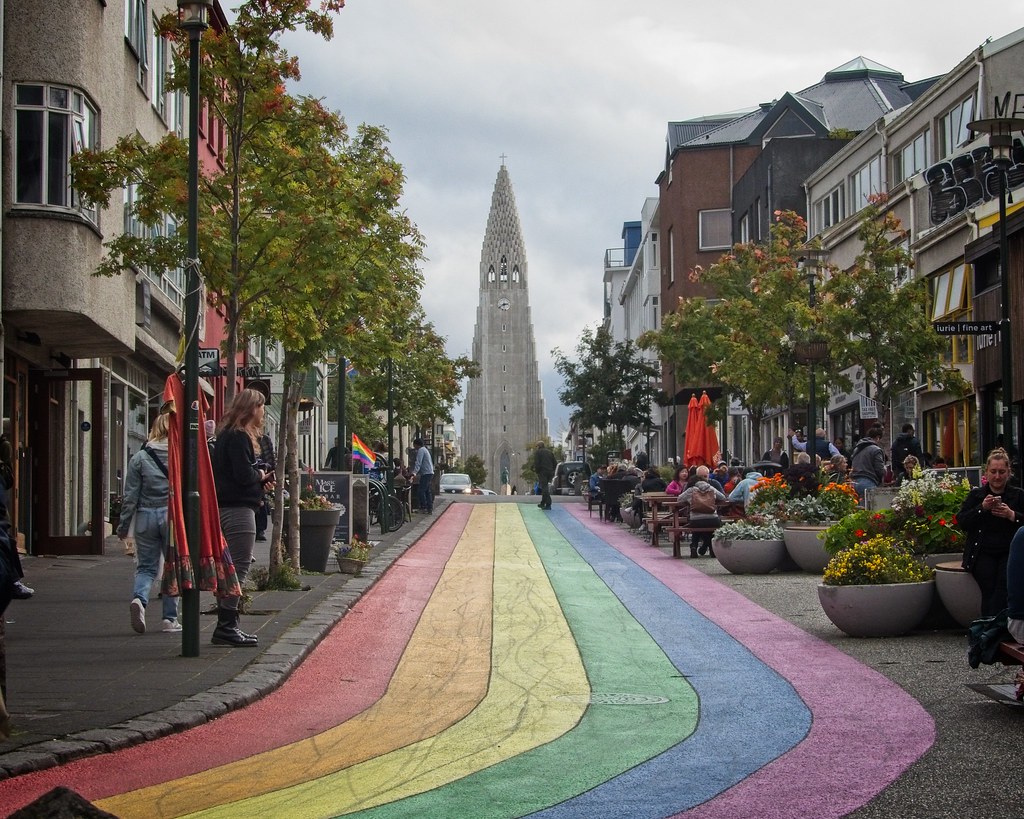
As I reached the end of the street, the striking powder-blue church came into full view, framed perfectly by the fjord and mountains behind it. Built in 1922, the church is a beloved local landmark and hosts everything from concerts to art installations. I stepped inside for a moment of stillness, admiring the simplicity and charm of the wooden interior.
This walk wasn’t just beautiful—it was meaningful. It gave me a feel for the soul of Seyðisfjörður: artistic, peaceful, and welcoming. Whether you’re an art lover, a photographer, or just someone chasing beauty in all its forms, this stroll will leave you smiling long after you’ve left.
READ MORE: Iceland Packing List: What to Wear in Iceland No Matter the Season
Exploring the Sound at Tvísöngur Installation
Not far from town, perched on a grassy hillside overlooking the fjord, I found one of Seyðisfjörður’s most intriguing attractions: the Tvísöngur Sound Sculpture. The name might sound abstract, but the experience was anything but.
The short hike up the hill was invigorating, with the town slowly shrinking behind me and the view expanding to reveal snowcapped peaks and the tranquil water below. Then, suddenly, the installation appeared—five interconnected concrete domes of different sizes, standing like a surreal alien outpost against the stark Icelandic landscape.
Designed by German artist Lukas Kühne, Tvísöngur is more than a sculpture; it’s a musical instrument. Each dome resonates at a specific tone, corresponding to Iceland’s traditional five-tone harmony. When I stepped inside and began to hum, the air filled with reverberations that felt both ancient and otherworldly. Singing inside the chambers made my voice feel like it was floating around me, echoing in perfect harmony with the space itself.
I had the entire place to myself. No tour guides, no entry fee, no schedule. Just me, the art, the wind, and the mountains. It was pure, unfiltered Iceland—mystical and interactive all at once. Even if you’re not into contemporary art or sound theory, Tvísöngur is worth visiting for the views alone. But if you do step inside and make a sound, prepare for a magical surprise.
Immersing in Local Art at Skaftfell Center
One of the things that makes Seyðisfjörður so unique is its vibrant art scene, and the Skaftfell Center for Visual Art is at the heart of it. Nestled in one of the town’s historic timber buildings, this cultural hub is a must-visit for anyone who enjoys art with a bit of soul and edge.
I visited in the afternoon and was lucky to catch an opening of a new exhibit by a local Icelandic artist whose work explored the intersection of nature, memory, and folklore. The pieces were raw and evocative, many made from driftwood, stone, and found objects—materials that seemed to echo the rugged terrain outside the gallery windows.
What I loved most about Skaftfell was how rooted it felt in the community. The center isn’t just a gallery—it’s a meeting place for artists, locals, and travelers alike. Downstairs, the Bistró offered fresh, seasonal food with a view of the fjord, and I lingered over a bowl of fish soup and a craft beer, chatting with a local painter who had just returned from a residency abroad.
There’s also a small bookstore and a cozy reading area that invites you to slow down and stay a while—something not always easy to do when you’re road-tripping around Iceland. Skaftfell reminded me that art doesn’t need to be grand or world-famous to be powerful. It just needs to be honest—and this place delivers exactly that.
Learning Local History at the Technical Museum
While Seyðisfjörður feels like a peaceful retreat into nature and art, it also has a rich industrial history that many travelers overlook. I didn’t want to be one of them, so I made a stop at the Technical Museum of East Iceland, and I’m so glad I did.
Housed in an old fish processing building near the harbor, the museum is a treasure trove of objects and stories that chronicle how this remote town evolved over the last century. As I walked through the different rooms, I found everything from antique radios and vintage telephones to early fishing gear, diesel engines, and a beautifully preserved printing press.
One of the highlights for me was learning about the undersea telegraph cable that once connected Seyðisfjörður to the rest of Europe. Who would’ve thought this quiet fjord town played a key role in Iceland’s communication with the world in the early 20th century?
The museum’s strength lies in its authenticity. It doesn’t feel overly curated or polished—it feels real, like stepping into someone’s workshop or attic where every object tells a story. The staff were friendly and knowledgeable, happy to answer questions and share anecdotes about life in Seyðisfjörður over the decades.
If you’re interested in getting a deeper sense of place—not just the scenic beauty but the human stories behind the town—this is an essential stop.
READ MORE: Iceland Itinerary: 7 Days West Coast Best Coast Road Trip
Discovering Fjord Views from the Hiking Trails
If there’s one thing you absolutely must do in Seyðisfjörður (besides eating fish soup and singing inside a sound sculpture), it’s hike. The town is surrounded by towering mountains and crisscrossed with well-marked trails that offer some of the most breathtaking fjord views I experienced anywhere in Iceland.
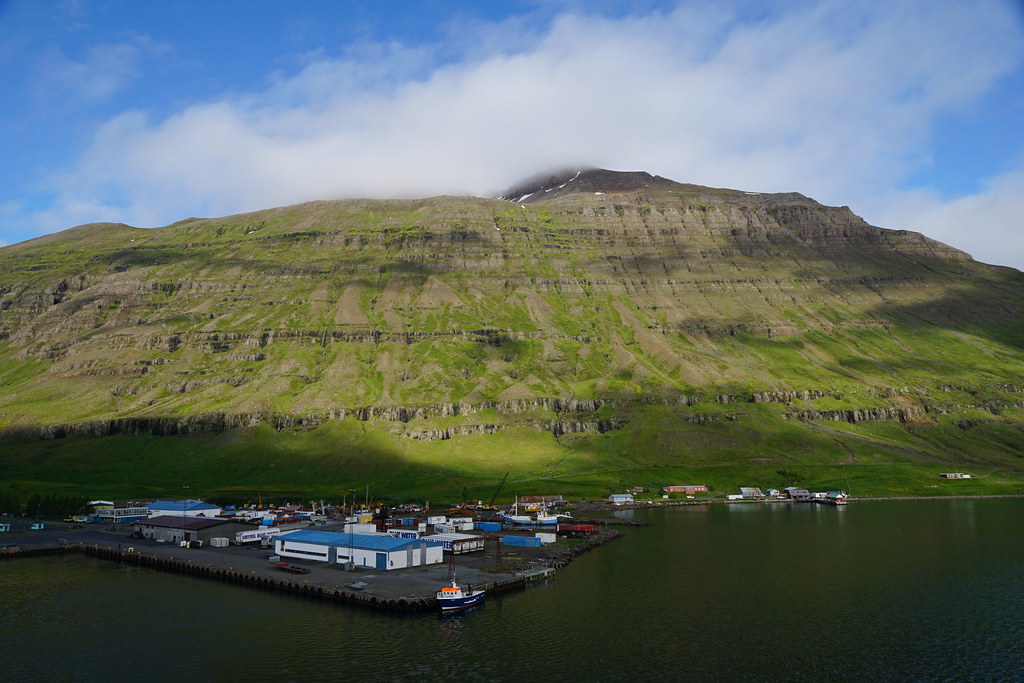
I chose a couple of routes based on time and weather. The Vestdalur Valley trail was my favorite: a moderately challenging hike that led me through grassy meadows, past cascading waterfalls, and finally to an overlook with a panoramic view of the entire fjord and the village below. I stood there for a long while, letting the wind hit my face and feeling a rare sense of stillness and perspective.
There are easier options too, like the short trail to Bjólfur, a mountain that towers protectively over the town. From the summit, I could trace the winding road I came in on, the calm blue water below, and the colored rooftops of Seyðisfjörður shimmering in the afternoon sun.
What I loved most about hiking here wasn’t just the scenery (though it was spectacular). It was the solitude. Unlike the crowded trails of southern Iceland, these paths were quiet and wild. I barely saw another soul, and that made the experience feel even more personal.
Whether you’re an experienced hiker or just looking for a peaceful stroll, Seyðisfjörður’s trails will reward you with views and moments that stay with you long after the hike is over.
Eating Local – Where I Found the Best Icelandic Flavors
One of the things I love most about traveling through Iceland is how food becomes a way to connect with a place—and Seyðisfjörður was no exception. Despite being a small town, it surprised me with a handful of cozy, character-rich spots that served up more than just sustenance—they served soul.
El Grillo Bar quickly became my go-to. Tucked into a rustic wooden building near the harbor, it had the kind of welcoming atmosphere that makes you want to linger. The chalkboard menu changed often, reflecting what was fresh and seasonal. I ordered the lamb stew, and it was hands down one of the best meals I had in Iceland—tender, flavorful, and served with homemade rye bread that I’m still dreaming about.
Beyond the food, it was the vibe that made El Grillo special. Locals gathered for a beer after work, and I ended up chatting with a couple who had lived in Seyðisfjörður their whole lives. They told me about the fishing history, the long winters, and how the town comes alive in summer. That conversation, over shared plates and Icelandic ale, made the experience even more authentic.
Other spots worth checking out include Nordic Restaurant, which offers a more refined twist on local cuisine, and the Skaftfell Bistró, attached to the art center—perfect for a post-gallery coffee or cake. Whether you’re a foodie or just hungry from a day of hiking, Seyðisfjörður has plenty to offer your palate.
The Magic of Seyðisfjörður in Summer
I visited Seyðisfjörður in late July, and I can say with full confidence: this town feels enchanted in summer. With the midnight sun casting a soft golden glow over the mountains and fjord, everything looked surreal—like living in a watercolor painting that never fades to black.
The long daylight hours gave me time to slow down and savor every moment. I didn’t need to rush from place to place like in other destinations. One evening, I found myself wandering past the harbor at 11 PM, soft pink skies overhead, with the scent of wildflowers in the air and the stillness of the water reflecting the mountain peaks. It’s the kind of peace you don’t realize you need until you’re living it.
Summer also brings life to the town itself. I stumbled into an outdoor concert outside the Blue Church one night—a local folk duo playing for a small crowd of both visitors and locals wrapped in blankets, sipping hot drinks and swaying with the rhythm. There were pop-up art installations, an open-air book market, and impromptu poetry readings that seemed to just… happen, like magic.
If you’re lucky, you might catch the LungA Art Festival, a weeklong celebration of creativity that transforms Seyðisfjörður into a cultural epicenter. I didn’t get to attend the full festival, but the traces of it were everywhere—in murals, in performance spaces, in the spirit of the town.
Whether you’re here to explore or just to be, Seyðisfjörður in summer is a reminder that nature and culture can co-exist beautifully—and that some of the richest travel experiences happen when you let the midnight sun guide your way.
READ MORE: Planning a Trip to Iceland in September + Iceland Tips & Costs
Hidden Corners & Local Tips You Shouldn’t Miss
While the main attractions in Seyðisfjörður are captivating, what really made my visit unforgettable were the unexpected discoveries—those quiet corners and quirky places you won’t find in every travel guide.
One afternoon, while exploring the side streets behind the harbor, I stumbled upon Joystick, a tiny art gallery built entirely from recycled materials. At first, I wasn’t even sure it was open—it looked more like an abstract sculpture than a functioning space. But as I stepped inside, I found a world of imagination: sculptures made from broken electronics, paintings on driftwood, and mobiles crafted from discarded bicycle parts. The artist, who happened to be there that day, told me he collects waste from the fjord and transforms it into commentary on consumption and rebirth.
It was raw, weird, and absolutely brilliant.
Here are a few more local tips I picked up during my stay:
- Bring a refillable water bottle – the tap water in Seyðisfjörður is glacially pure and delicious.
- Take your time on Route 93 – there are multiple pullouts with panoramic views and hidden waterfalls. It’s not just a road; it’s an experience.
- Check the ferry schedule – Seyðisfjörður is the port for the Smyril Line ferry to Denmark and the Faroe Islands. Watching it arrive or depart is oddly hypnotic.
- Ask locals about events – many happenings in town aren’t advertised online but are posted on the grocery store bulletin board or simply passed on by word of mouth.
Seyðisfjörður rewards curiosity. The more you wander, the more it reveals.
Day Trips Around Seyðisfjörður
As much as I adored the tranquility of Seyðisfjörður, I wanted to see what else East Iceland had to offer—so I set out on a few day trips that completely blew me away.
The highlight was undoubtedly Borgarfjörður Eystri, a small coastal village about 70 kilometers north. The drive alone was worth the effort: winding roads, fjords, and valleys that looked untouched by time. But the real draw? Puffins—hundreds of them.
Just beyond the village is a viewing platform at Hafnarhólmi, where you can observe puffins up close during nesting season (typically May to mid-August). I watched them waddle, dive, and bicker like miniature comedians in tuxedos. It was one of the most joyful wildlife experiences I’ve ever had.
But Borgarfjörður Eystri isn’t just about puffins. It’s also a hiker’s paradise. I tackled a section of the Víknaslóðir trail system, a network of paths that wind through valleys, over ridgelines, and past abandoned farmsteads. The silence out there was profound—just me, the wind, and the endless green slopes dotted with wildflowers.
Other worthy day trips from Seyðisfjörður include:
- Egilsstaðir – the regional hub, with a supermarket, fuel stations, and the calm shores of Lake Lagarfljót (where some say a serpent monster lives!).
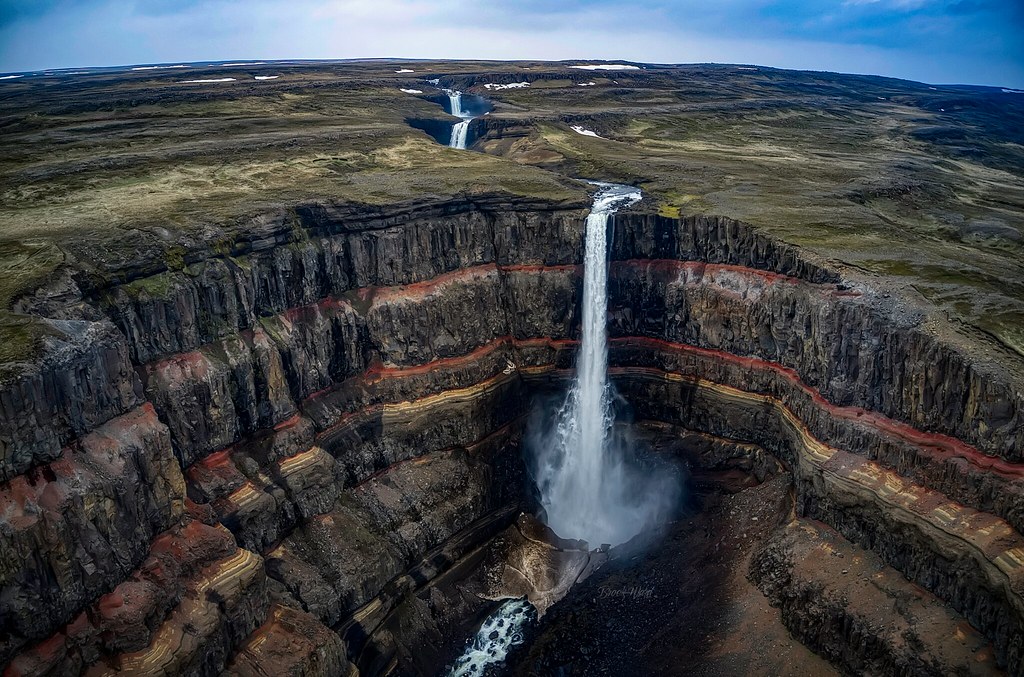
- Hengifoss – one of Iceland’s tallest waterfalls, framed by layers of red volcanic rock. The hike is moderate but absolutely stunning.
- Fardagafoss – a lesser-known waterfall with a short hike and the chance to walk behind the cascade if the weather cooperates.
Each trip was a reminder that East Iceland remains one of the country’s most underrated regions—and that basing yourself in Seyðisfjörður gives you access to some of its best-kept secrets.
My Travel Tips for Seyðisfjörður, Iceland
- Transportation: Renting a car is essential for flexibility when exploring East Iceland. If you’re planning a road trip across the country, I highly recommend checking out Camper Rental Iceland—they offer reliable and well-equipped campers that let you travel at your own pace, sleep surrounded by nature, and skip the stress of booking accommodations in remote areas.
- Accommodation: Book in advance, especially during summer.
- Weather: Pack layers; Icelandic weather is unpredictable.
- Local Etiquette: Respect nature and follow marked trails.
FAQs – Things to Know Before Visiting Seyðisfjörður
How do I get to Seyðisfjörður?
Drive from Egilsstaðir via Route 93, enjoying the scenic mountain pass.
How many days should I stay?
A two-day stay allows for a comprehensive experience of the town and nearby attractions.
Is it expensive?
While Iceland can be pricey, budgeting and local eateries can help manage costs.
Is it safe to drive there?
Yes, but always check road conditions, especially in winter.
Why Seyðisfjörður Should Be on Your Iceland Itinerary
Seyðisfjörður is more than just a pretty stop on the map—it’s a place that invites you to pause, breathe, and reconnect with the essence of travel. Between the cascading waterfalls, the colorful houses, the quiet hiking trails, and the spontaneous art tucked into every corner, this fjord town captured something in me I didn’t even know I was looking for.
It’s where I felt most connected to Iceland, not just through the landscapes, but through its people, its creativity, and its silence.If you’re planning a trip and want to go beyond the typical routes—if you crave a destination that’s soulful, scenic, and just a little bit magical—Seyðisfjörður belongs on your itinerary. Go for the views, stay for the feeling, and leave with a story you’ll never forget.
BIO:
Sigga S. is a licensed Icelandic guide with a deep passion for nature, history, and storytelling. Raised in Reykjavík and the countryside, she now shares her love for Iceland through personalized tours. With a background in journalism, media, and travel, she brings rich experience and local insight to every journey.
