
Portugal shut down the golden visa’s real estate route to fix housing prices — the Algarve’s numbers never got the memo
Portugal pulled the plug on one of Europe’s most popular residency shortcuts back in October 2023, and the reasoning was blunt: golden-visa real estate deals were pricing locals out of their own neighborhoods. Three years later, walk through the Algarve in high season and you’d never guess the fix actually worked.
I spent close to a year living across the region, splitting time between towns from Faro to Lagos. The math never stopped feeling uncomfortable — and the numbers say it still doesn’t add up.
Why Portugal actually killed the real estate route
Here’s the part that gets lost in the “golden visa is dead” headlines: it isn’t dead, just restructured. Investors can still buy their way into Portuguese residency through investment funds, job-creation projects, or cultural and scientific donations — routes that skip the beachfront condo entirely.
Real estate got cut specifically because regulators wanted to stop treating Portuguese housing like a speculative asset class for people who’d never actually live in it. Reasonable goal, honestly. Did it land? Depends which coastline you’re standing on.
A year in, the Algarve’s numbers still don’t add up
By mid-2026, an average Algarve apartment runs close to €320,000, and villas with an ocean view routinely clear €1.8 million. Per square meter, the region averages around €4,550 — and nine out of every ten properties sold there go to foreign buyers, golden visa or not, according to Engel & Völkers.
I lived this, not just read about it. Rent quotes shifted between the first inquiry email and the actual viewing more than once, and more than one landlord told me flat out they’d rather list short-term on a booking platform than sign a local to a year lease at Portuguese wages.
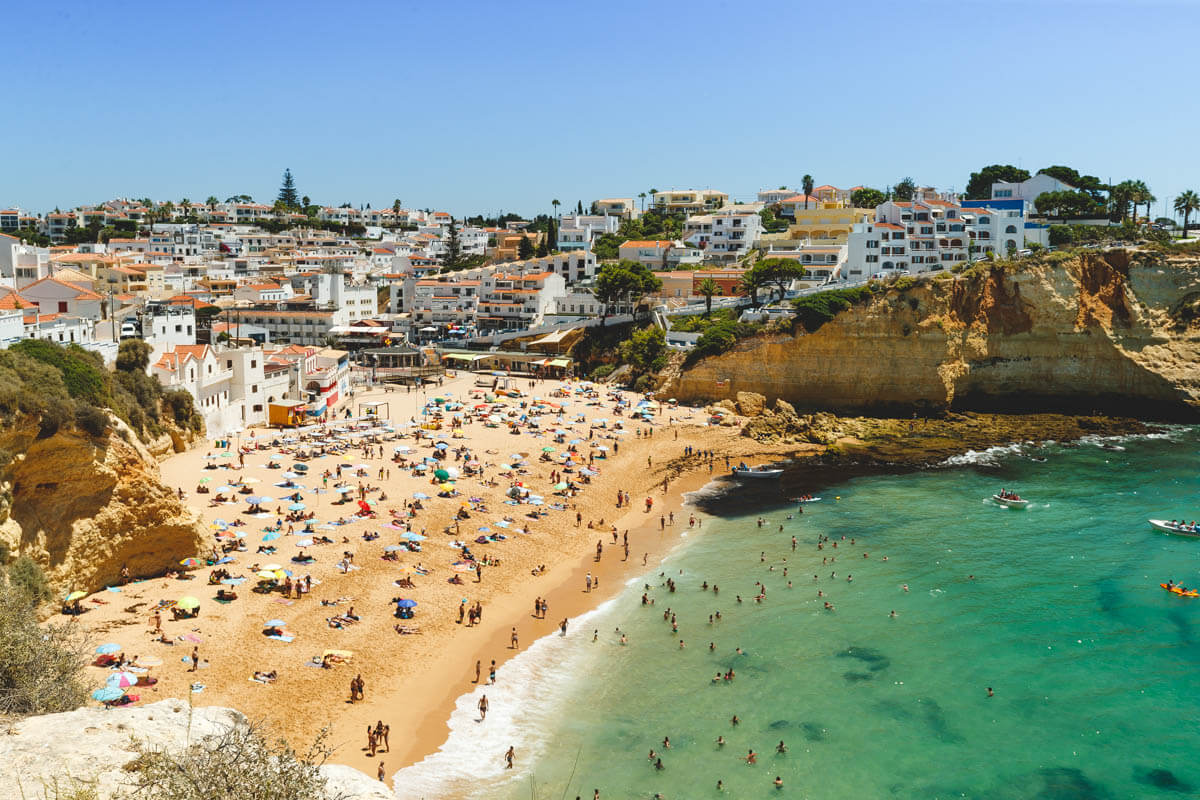
Tourism accommodation alone pulled in roughly €1.8 billion across the Algarve last year, up 6.5% on the year before. That’s not a region cooling off — that’s a region getting more popular at exactly the moment its “housing fix” was supposedly kicking in.
The tax break didn’t survive either
The golden visa isn’t the only perk that quietly disappeared. Portugal’s NHR program — the flat tax rate that made the country a magnet for American retirees and remote workers — expired around the same window.
Two of the biggest reasons people picked Portugal over its European neighbors disappeared within a few years of each other. None of it slowed the Algarve down, which tells you something about how little these programs actually drove the price problem to begin with.
So who’s actually getting squeezed
Locals, mostly — the exact group this policy change was supposed to protect. Foreign buyers never needed a golden visa to keep showing up; they just needed the Algarve to stay beautiful, which, annoyingly, it always will.
If you’re chasing a slower, cheaper version of Portugal, the coastline everyone pictures in the Algarve isn’t it anymore. The affordable version of this country is happening somewhere inland, not on the coast with the caves and the cliffside villas.
Would I still tell you to spend a season there? Honestly, yes — just go in knowing the “affordable Portugal” pitch applies more to the inland towns than the coast everyone’s picturing. Have you priced out the Algarve lately, or are you still working off numbers from a few years back?
