
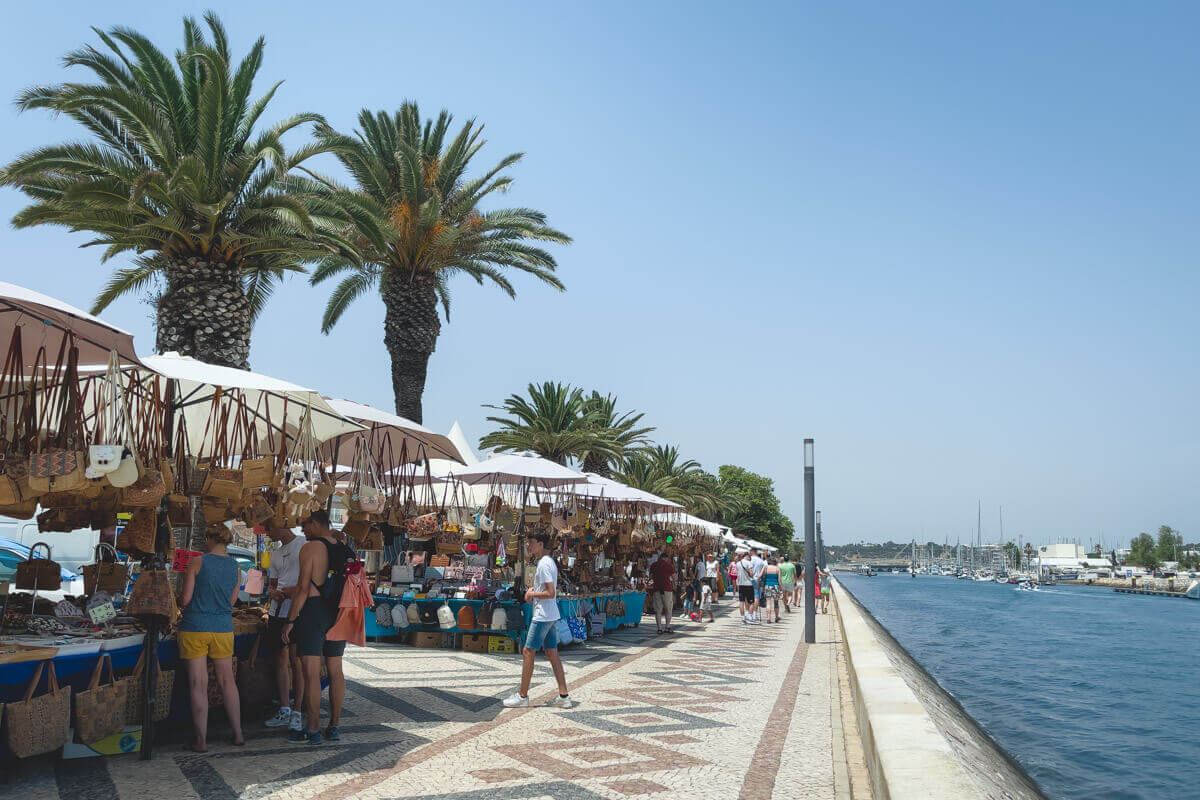
The tax break that made Portugal famous with American expats doesn’t exist anymore
Portugal’s most famous expat tax break has been dead for over a year, and a lot of the advice still floating around online hasn’t caught up. That’s NHR: a flat 20% tax rate and years of exemptions on foreign income that turned Portugal into the poster child for Americans plotting an exit.
Here’s the problem. NHR closed to new applicants back in January 2025. If you’re still building your Portugal plan around it, you’re building around something that no longer exists.
What actually replaced it
The government rolled out a new regime called IFICI, unofficially nicknamed NHR 2.0. It also offers a flat 20% tax rate, plus relief on a lot of foreign income for up to 10 years, which sounds like a like-for-like swap at first glance.
It isn’t. IFICI is built for highly qualified professionals working in specific fields like science, tech, healthcare, and green energy — not for retirees or anyone living off passive income. That’s the exact group NHR used to court hardest, and they’re now largely locked out. If your Portugal plan was “cash out and coast on foreign income,” you need a new plan.
The Portuguese Tax Authority only started issuing its first wave of IFICI approvals in early 2026, so this is a regime still finding its footing. Worth knowing before you assume it works like its predecessor.
The D7 visa is a moving target, not a fixed rulebook
The D7, Portugal’s passive-income visa, is still around and still the most common path for retirees and remote earners. But the income bar isn’t fixed — it moves most years. As of January 1, 2026, it sits at €920 a month for a single applicant, roughly €11,040 a year. Bring a spouse and that jumps 50%; each dependent kid adds another 30%.
You’ll also need a signed 12-month lease or property in Portugal, plan to spend 183 consecutive days there, and carry private health insurance with at least €30,000 in coverage, including emergency treatment and repatriation. (Here’s the policy I actually use, if you want a starting point.)
None of that is a dealbreaker. It’s just a different set of numbers than whatever blog post convinced you Portugal was the easy option three years ago — so double-check the current figures before you file anything.
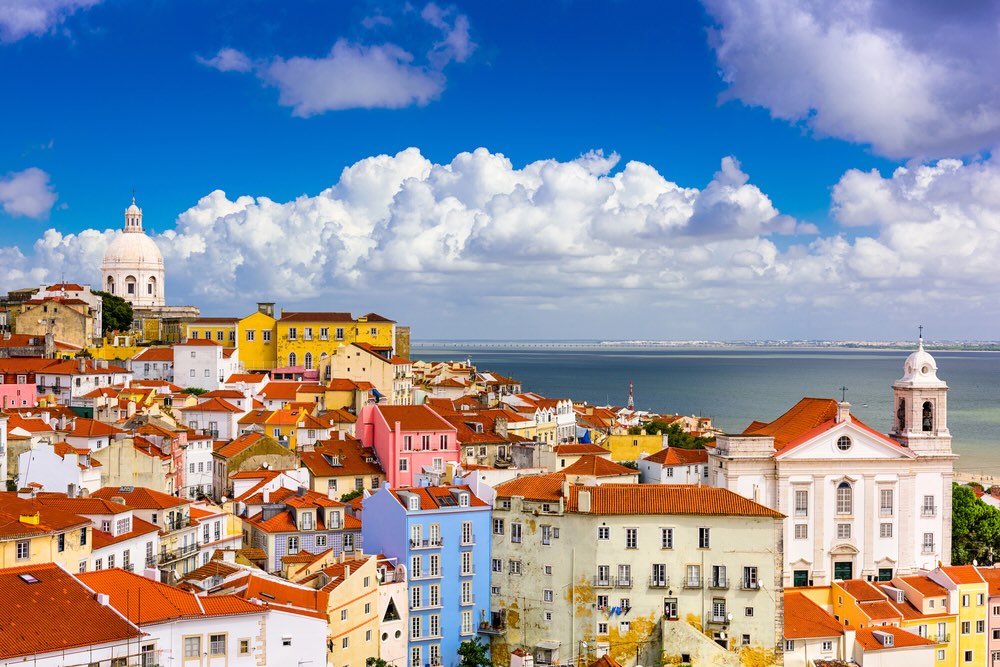
Nobody warns you about the wait after you’re approved
Getting approved for a visa is only step one. Portugal’s immigration agency, AIMA, took over from the old SEF system in 2025 and inherited a backlog of roughly 350,000 pending cases. Standard residence permits are now running 3 to 6 months, sometimes longer, and a nationwide AIMA strike in June 2026 added fresh delays on top of that.
AIMA has started issuing a proof-of-approval document so approved applicants aren’t left in limbo without a physical card, which helps. Still, if your plan has you landing and immediately opening a bank account, signing a lease, or starting a job, build in a real cushion. Ever tried doing any of that without your residency card in hand? Don’t put yourself in that position.
If you want the full rundown of visa paths beyond the D7, I’ve laid out eight of them here.
Is it still worth it?
I’ve spent close to a year total in the Algarve over the years, and my opinion hasn’t changed: Portugal still delivers. The weather, the food, the pace, the fact that you can be on a beach and in a cobblestone old town in the same afternoon — none of that went anywhere.
What did change is the paperwork behind it, and pretending otherwise just sets you up for a rough landing. Plan around the Portugal that exists in 2026, not the one from the blog post you bookmarked in 2021. Which part of this actually surprised you more: the tax change, or the visa math?
