
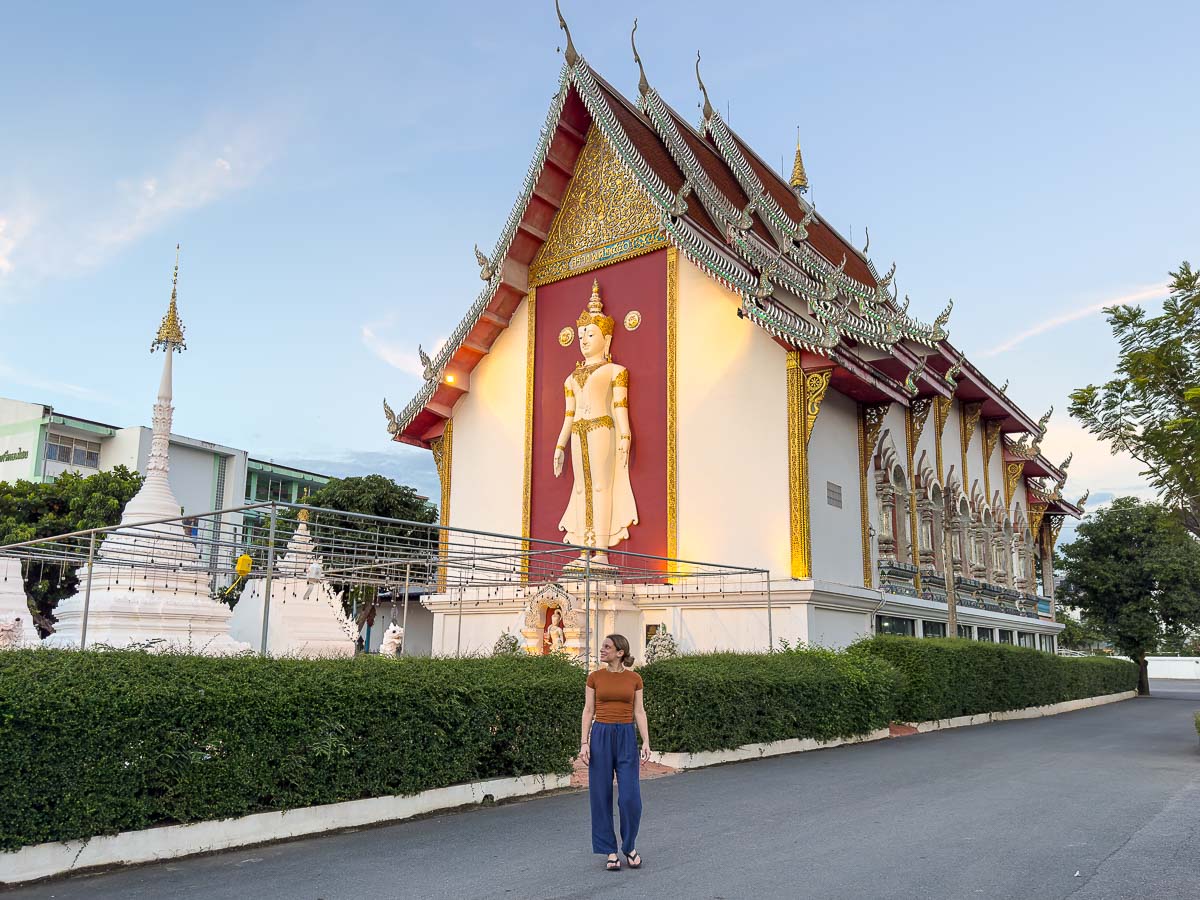
Chiang Mai’s cheap rent is all anyone talks about — nobody mentions it just got declared a disaster zone
Chiang Mai has been digital-nomad shorthand for “cheap and easy” for over a decade, and the numbers back it up. A one-bedroom condo in the city center runs around $495 a month, a full meal at a local spot can cost less than $2, and Thailand’s five-year DTV visa opens the door with no employer required. None of that is exaggerated — I’m currently based in Chiang Mai myself, and the math genuinely holds up.
Here’s what doesn’t make it into the budget reels: in April 2026, Thailand’s government declared Chiang Mai an official disaster zone. Not a vague air-quality advisory. An actual, on-paper emergency disaster declaration, alongside two neighboring provinces.
The hype is earned
Let’s give the city its due first, because none of this is a bait-and-switch. A single person can cover groceries, eating out, and basic utilities for around $550 a month before rent, and rent itself starts under $300 outside the city center. Add the DTV visa — a $300 government fee, proof of roughly $15,000 in savings, and five years of legal stay with no sponsor required — and it’s easy to see why this city keeps topping every “best places to live cheap” list.
Is any of that untrue? No. Would people keep coming back if it were some kind of scam? Also no. But “cheap and easy” is doing a lot of quiet work in every one of those posts, and it’s worth asking what it’s leaving out.
What actually happened this spring
Northern Thailand burns crop fields every year between roughly February and April to clear land for planting, and the resulting haze — “burning season” — is old news to anyone who’s spent real time in Chiang Mai. 2026 wasn’t a normal year, though. The smoke started as early as January and never really let up.
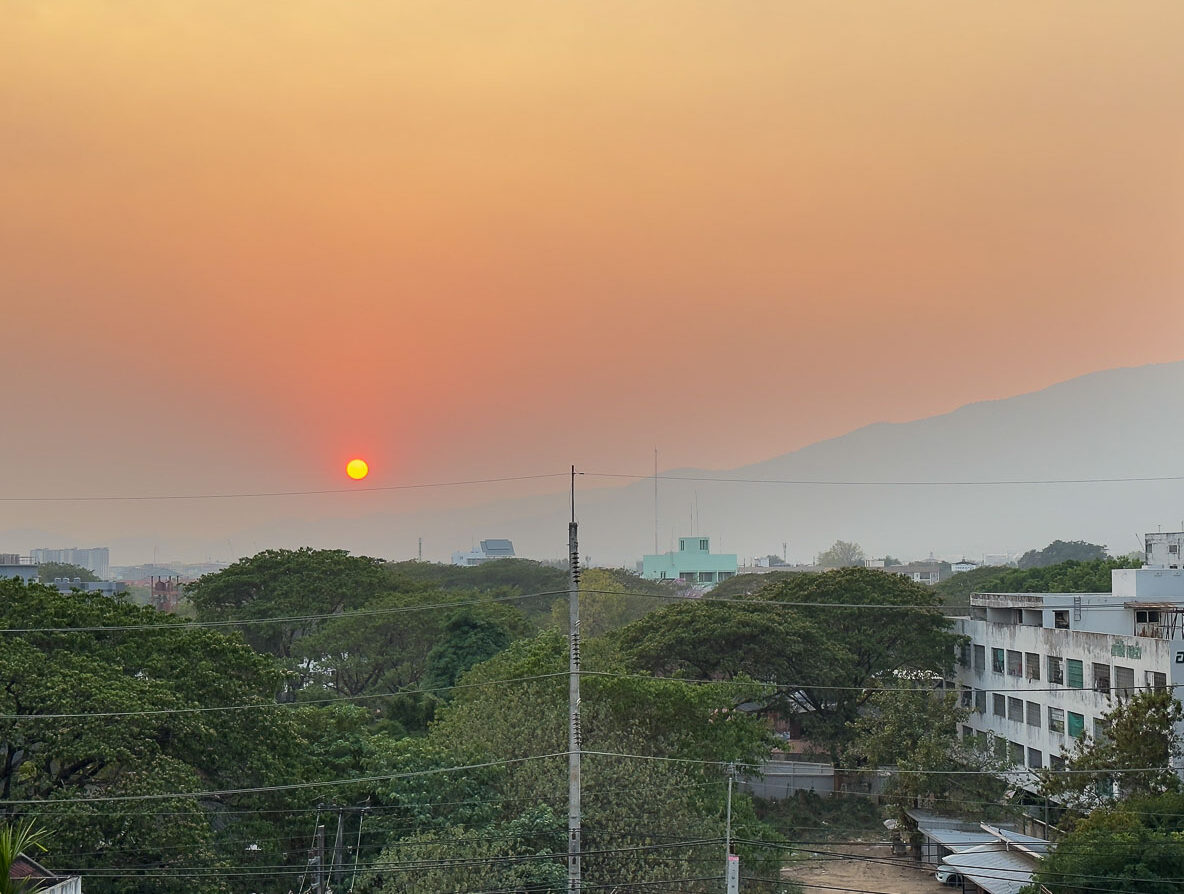
By late March, Chiang Mai was ranked the most polluted city on earth, more than once. On April 1, PM2.5 levels in some districts topped 300 micrograms per cubic meter — close to ten times the government’s own safety standard — and hospitals reported patient numbers tied to air pollution roughly doubling. Not exactly the detail that ends up stitched into a “cost of living in Thailand” TikTok, is it?
On April 4, Thailand’s Ministry of Interior made it official: Chiang Mai, Lamphun, and Phayao were declared emergency disaster zones, which frees up provincial funds for the response. Local business groups had already flagged canceled bookings ahead of Songkran, one of the city’s biggest tourist weeks, because of the smog.
This isn’t a one-week problem anymore
The old advice was simple: skip March, come back for Songkran in April, you’re fine. That’s roughly how my own cost of living breakdown treats it too — a seasonal asterisk, not the headline. That framing gets harder to defend when the smoke starts in January and the government is still declaring disaster zones in April.
When burning season starts eating into the shoulder months on both ends, “just don’t visit in March” stops being a complete plan. It becomes a three-to-four-month calculation, not a one-week inconvenience you route around.
The visa doesn’t fix your lungs
A five-year DTV doesn’t do anything for your air filter. If you’re weighing Chiang Mai against other low-cost bases specifically because of the visa terms, the quality-of-life math needs the air quality numbers in it too, not just the rent. My full DTV visa breakdown covers the paperwork side if that’s what you’re actually here for.
My addition to it: budget for a real air purifier, not a decorative one, and get health coverage that won’t blink at a pollution-related ER visit. Here’s the travel medical policy I actually carry, for what it’s worth.
So, still worth it?
My honest opinion: yes, but with eyes open. I’m not packing up over this. The rent, the food, the visa, the community — all of it still adds up to one of the best-value bases in the world for a solid chunk of the year.
What I won’t do is pretend the other few months don’t exist just because they’re inconvenient for the highlight reel. If you’re actually planning a move here, plan around the smoke, not just the version of Chiang Mai that only exists from November through February. So — still booking that one-way flight, or does the disaster declaration change the math for you?
