
How to Choose the Best Car Rental for Your Iceland Road Trip
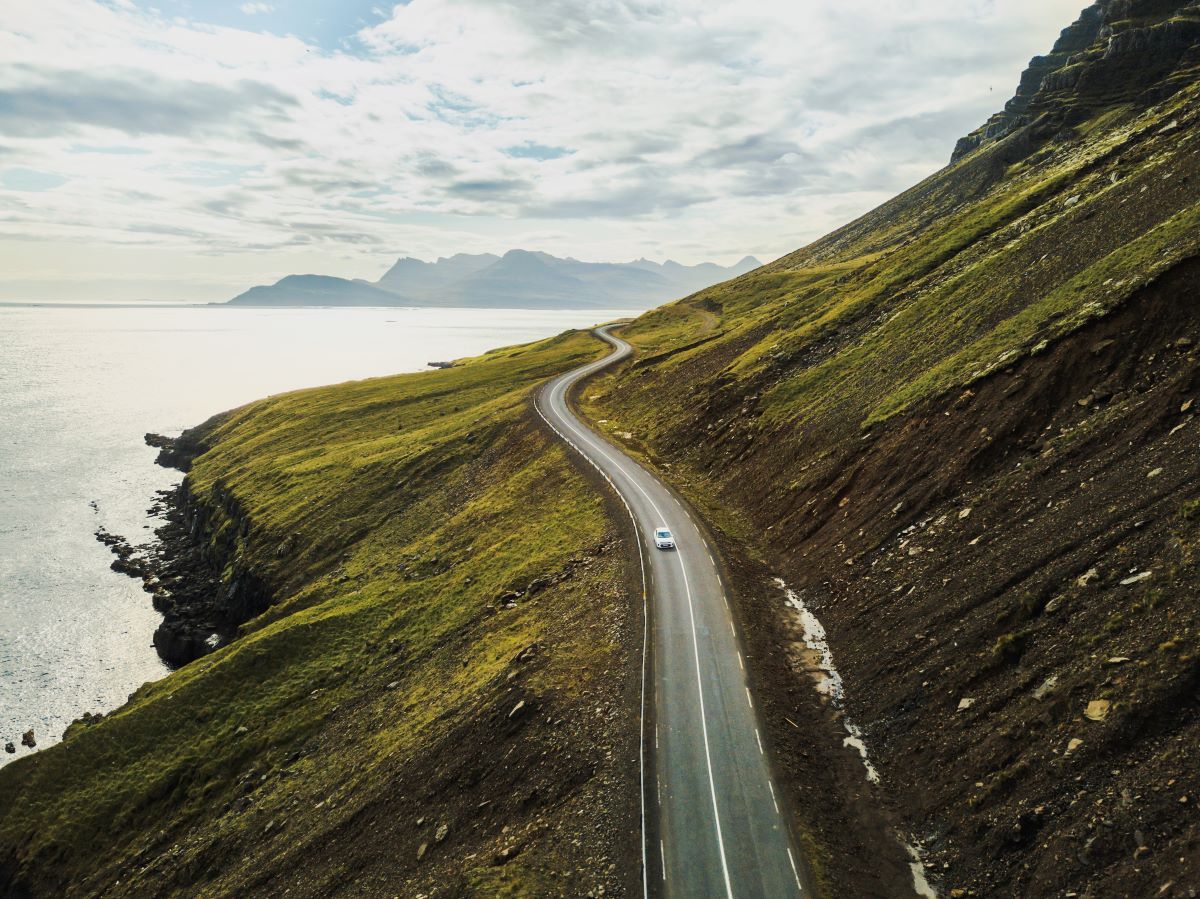
Planning a road trip in Iceland is less about ticking off landmarks and more about understanding how the country works on the ground: long stretches of open road, fast-changing weather, and landscapes that can shift from smooth asphalt to gravel within a single day.
Even travelers who usually prefer guided experiences often consider driving here because it can make it easier to shape each day around light, conditions, and personal pace.
Transportation choices have an outsized effect on what your itinerary can realistically include. The vehicle you use influences which routes feel comfortable, how you handle wind and rain, how much time you spend detouring for viewpoints, and how confidently you can adjust plans when conditions change.
Getting the basics right—route, season, driving distances, and vehicle suitability—tends to make the entire trip calmer and safer.
Understanding Iceland’s Geography and Driving Distances
Iceland looks compact on a map, but travel times can be deceptive. The Ring Road (Route 1) circles the island and forms the backbone of most self-drive itineraries, but the pace is shaped by more than kilometers. Single-lane bridges, weather exposure, occasional livestock near the roadway, and the simple temptation to stop frequently for scenery all stretch driving days.
A practical approach is to plan by time, not just distance. Two hours of driving near Reykjavik can feel straightforward—well-marked roads, services along the way, and relatively predictable conditions.
Two hours in more remote areas may include slower segments, fewer places to pull over, and reduced flexibility if weather turns. If you’re building a Ring Road plan, it helps to keep daily driving distances conservative and to decide in advance where you can shorten a day if needed.
Also consider the rhythm of resupply. Fuel stations, groceries, and dining options are concentrated in towns; between them, you may drive long stretches with limited services.
This doesn’t require overplanning, but it does reward awareness: know where you’ll refuel, keep water and snacks accessible, and avoid setting up a day where a missed stop creates stress later.
City Driving vs. Rural and Scenic Routes
Many visitors begin in Reykjavik, where driving tends to be manageable: traffic is lighter than in many capitals, and navigation is generally clear. Still, city driving introduces a different set of decisions than rural touring.
Parking rules, one-way streets in central areas, and limited spaces near popular sites can shape timing. If you’re spending your first day adjusting to the vehicle and local driving norms, an early start can make city logistics easier.
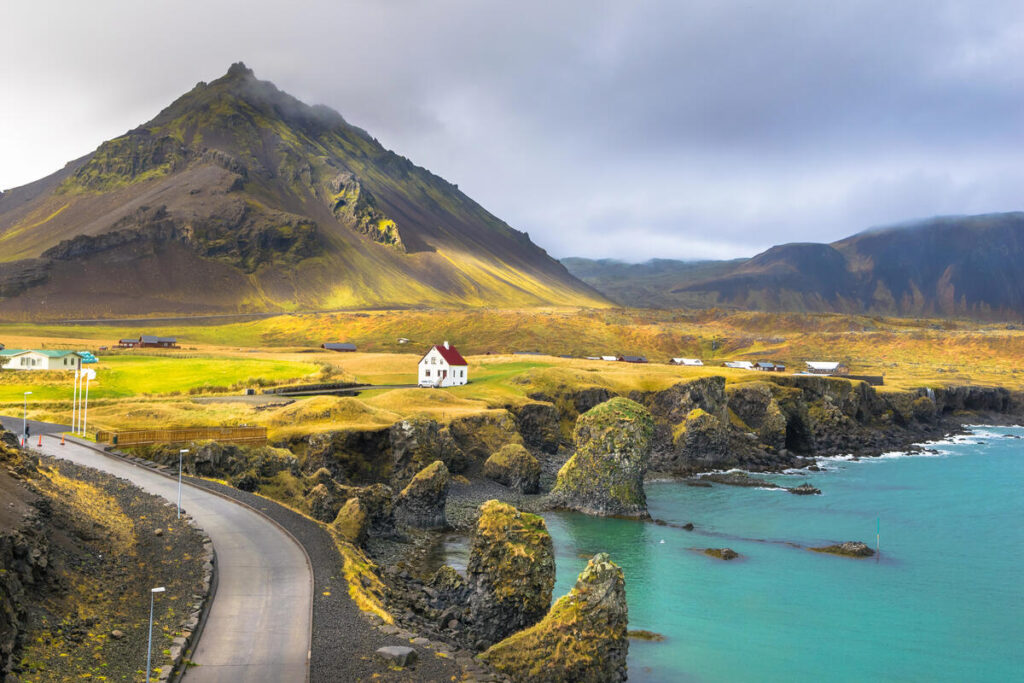
Once you leave urban areas, the experience changes quickly. Rural routes often deliver the “Icelandic terrain” people imagine—wide views, mountains, coastal cliffs, and open plains—but they also demand steadier attention.
Visibility can shift abruptly in rain or fog, and wind can be strong enough to affect steering and door handling when you stop. In some regions, especially outside the main corridors, gravel roads are common. Gravel requires slower speeds, longer following distances, and gentler braking to avoid skids or stone chips.
If your itinerary includes scenic detours—coastal loops, remote viewpoints, or lesser-traveled valleys—verify the road surface and seasonal accessibility before you commit. Some routes are straightforward in summer but difficult or closed in winter.
Even when a road is open, driving it in poor conditions can turn a relaxed day into a tense one. Build a plan that keeps the “must-dos” on reliable roads, and treat more remote segments as conditional based on weather conditions.
RELATED: Finding The Best Campervan Rental in Iceland and Where to Camp
Transportation Options for an Iceland Road Trip
Matching the Vehicle to Your Route
Choosing a vehicle is fundamentally a route decision. If you’ll stay largely on the Ring Road and focus on well-traveled areas, a standard car may be sufficient for many travelers—especially in summer and shoulder seasons with stable forecasts. If your plan includes frequent gravel, steep access roads to viewpoints, or higher exposure to wind in open areas, you may feel more comfortable with higher ground clearance and steadier handling.
Winter travel changes the calculation. Snow, ice, and reduced daylight can make even familiar routes slower. A vehicle suited to winter conditions can help, but it doesn’t replace cautious driving and flexible planning. The safest approach is to treat your daily schedule as adjustable: leave room for a delayed start, shorter distances, or an extra night in one region if storms arrive.
Understanding Road Types and Access Restrictions
A common point of confusion for first-time visitors is the distinction between regular roads and Iceland’s highland routes. Many interior roads—often labeled with an “F”—have restrictions and can involve river crossings, rough surfaces, and conditions that change day to day.
These are not casual detours. If you are not specifically planning for this kind of driving, keep your itinerary anchored to paved routes and well-maintained gravel roads, and treat any highland travel as a separate, deliberately researched plan.
Even outside the highlands, some access roads to popular sites can be uneven or potholed. That doesn’t necessarily mean they’re unsafe, but it does mean you should drive slowly and avoid feeling pressured by other drivers. A road trip in Iceland rewards patience; arriving ten minutes later is usually better than rushing on an unfamiliar surface.
RELATED: EPIC 7 Day Iceland Road Trip Itinerary
Choosing Your Car Rental Provider
After you’ve decided what type of vehicle fits your route and season, the next step is selecting a provider whose terms are easy to understand and whose pickup and return logistics fit your schedule.
When comparing policies, focus on practical points such as mileage limits (if any), where you can legally drive, how roadside assistance is handled, and what documentation you’ll need at pickup. For travelers reviewing car rental options in Iceland, the most useful information is often the fine print: permitted road types, winter readiness, and how changes to reservations are handled if weather disrupts your plan.
Seasons in Iceland and the Role of Weather Conditions
Iceland’s seasons are not just aesthetic—they affect driving behavior, route access, and the margin of safety in your day-to-day schedule. Summer typically offers long daylight hours, which can make a full Ring Road itinerary feel more achievable. But summer also brings popularity: higher traffic near major sights, busier parking areas, and a greater need to plan around crowding rather than darkness.
Shoulder seasons (spring and autumn) can be rewarding, but they demand flexibility. You might get clear skies and quiet roads, or you might face storms that change plans. In these months, it helps to keep accommodations and route segments less rigid. Build in “buffer days” or choose itineraries that allow you to linger in a region without losing the structure of the trip.
Winter is a different category. Reduced daylight compresses sightseeing time, and storms can close roads with little notice. Even when roads remain open, wind and ice can slow speeds dramatically. If you’re driving in winter, plan shorter driving distances, start earlier in daylight, and avoid stacking multiple “must-see” stops that require perfect conditions.
Across all seasons, wind is a central factor—often more disruptive than rain. Wind can affect high-profile vehicles, make it difficult to open doors safely, and contribute to sudden fatigue. Pay attention to forecasts, and treat wind warnings as a reason to simplify the day rather than push through.
Common Mistakes First-Time Visitors Make
Underestimating Time on the Road
One of the most frequent planning errors is assuming Iceland drives like a typical highway road trip. The reality is that scenery invites stops, and the roads themselves often encourage slower speeds. It’s easy to “schedule” a day that looks reasonable on paper and then find yourself rushing by mid-afternoon. A calmer template is to choose one primary region or set of sights per day, with optional add-ons if conditions and energy allow.
Overcommitting to the Entire Ring Road
The Ring Road is iconic, but it’s not mandatory for every trip. Trying to complete it too quickly can turn the experience into constant packing and driving. If your timeframe is limited, consider focusing on fewer regions—perhaps the South Coast and nearby day trips from Reykjavik—rather than forcing a full loop. A shorter itinerary often offers more time to explore, walk, and adjust to weather without stress.
Treating Weather as Background Information
Weather conditions in Iceland should be an active part of planning, not something you check only in the morning. Forecasts can change quickly, and microclimates vary by region. Make a habit of reviewing conditions for the areas you’ll drive through, not just where you’ll sleep. If you see strong winds or snow predicted along a mountain pass or an exposed coastal section, it may be wiser to reroute or shorten the day.
Not Accounting for Driver Fatigue
Driving in unfamiliar conditions—wind, glare, rain, or long focus stretches—can be more tiring than expected. Plan breaks even if you don’t “need” them, switch drivers if you can, and avoid scheduling late-night arrivals that leave little room for delays. Fatigue also affects decision-making, which matters when road surfaces change from pavement to gravel or when visibility drops.
TIP: Check out Iceland’s best tours!
Practical FAQs and On-the-Road Tips
How fast should you plan to drive?
Rather than fixating on speed, plan on variability. Even on the Ring Road, you may slow down for weather, traffic near popular sites, or roadwork. Build each day with extra time so that a slower stretch doesn’t force rushed driving later. As a rule of thumb, if a day looks “tight” even before you add stops, it probably is.
Do you need special preparation for gravel roads?
Gravel driving is mostly about smoothness: reduce speed, increase following distance, and avoid sudden braking or sharp steering. Be cautious on blind hills and curves, and watch for loose gravel at the edges of the road. If you hear stones hitting the underside of the vehicle, that’s a sign you may be going too fast for the surface.
What should you keep in the car?
Practical items matter more than gadgets. Keep water and snacks, a charged phone, warm layers accessible (not buried in luggage), and a plan for navigation that works offline if needed. In winter, add extra warm clothing and consider how you’ll stay comfortable if you must wait out a delay. None of this is about alarm—just about making the day easier if circumstances shift.
What about parking and popular sites?
At major sights, parking areas can fill quickly. Arriving earlier or later in the day can reduce stress. Read signage carefully, pay attention to marked zones, and avoid stopping on road shoulders where it’s unsafe or prohibited. Iceland’s landscapes are fragile; staying on designated paths and respecting closures is part of responsible road tripping.
Choosing the right car rental for an Iceland road trip is ultimately about matching transportation to reality: the Ring Road’s long stretches, the difference between Reykjavik driving and rural routes, the demands of Icelandic terrain, and the way seasons in Iceland can reshape a plan overnight.
When you build an itinerary around realistic driving distances and treat weather conditions as an active input—not an afterthought—you give yourself the best chance of a trip that feels steady, adaptable, and genuinely enjoyable.
