
5 bucket-list treks you can’t just show up for anymore — you need a permit, a lottery win, or a booking made months out
Buying the plane ticket used to be the hard part of a bucket-list trip. For a handful of the most-photographed hikes on Earth, that’s now the easy step — the actual challenge is getting permission to walk them at all.
Here are five where showing up without paperwork gets you turned around before you’ve taken ten steps.
1. Bhutan doesn’t run a lottery — it runs a $100-a-night toll
Bhutan skips the lottery system entirely and goes straight for a price tag. Every international visitor except those from India pays a Sustainable Development Fee of $100 per person, per night, locked in through August 2027 — on top of the visa itself.
That’s not a park entrance ticket or a hotel resort fee. It’s a flat charge for being in the country at all, trekking included, and a mandatory local guide is a separate cost on top of it.
Two weeks on the Druk Path trek runs about $1,400 in government fees alone, before a single meal or night’s stay. Steep, sure — but I’d rather a country be upfront about what tourism costs it than let the crowds show up unchecked and figure it out later.
2. Torres del Paine’s W Trek is basically booked out before the season even opens
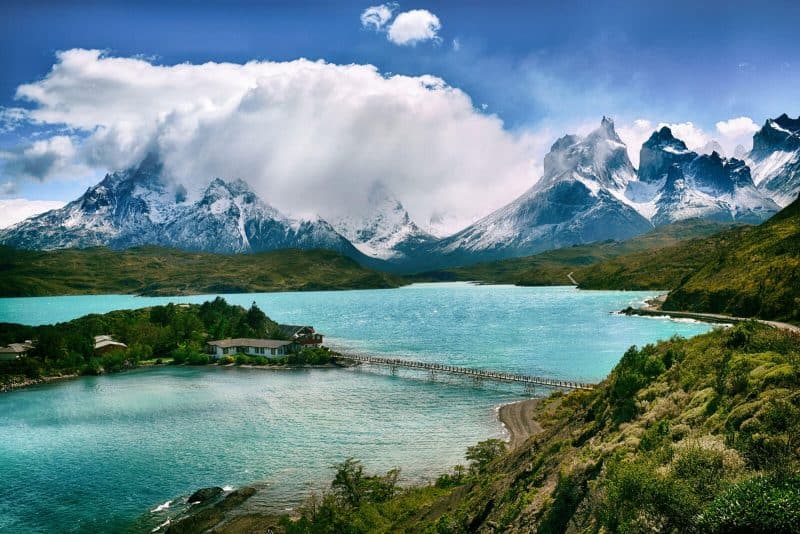
Chile’s Torres del Paine requires a confirmed reservation at every single campsite or refugio along the W Trek — there’s no walking in and pitching a tent wherever looks good. The park splits its lodging between two operators, Vertice Patagonia and Las Torres Patagonia, and hikers have to book directly with whichever one runs each stop on their route.
Reservations for the October 2026–April 2027 season open between April and June 2026, and the popular refugios fill up fast enough that a lot of people build their entire South America itinerary around whatever dates they can actually lock down.
Show up without a confirmed bed at Camping Torres Central and rangers will actually turn you away. This is not a “we’ll figure it out when we get there” kind of hike.
3. The Wave in Arizona runs on a lottery with worse odds than most raffles
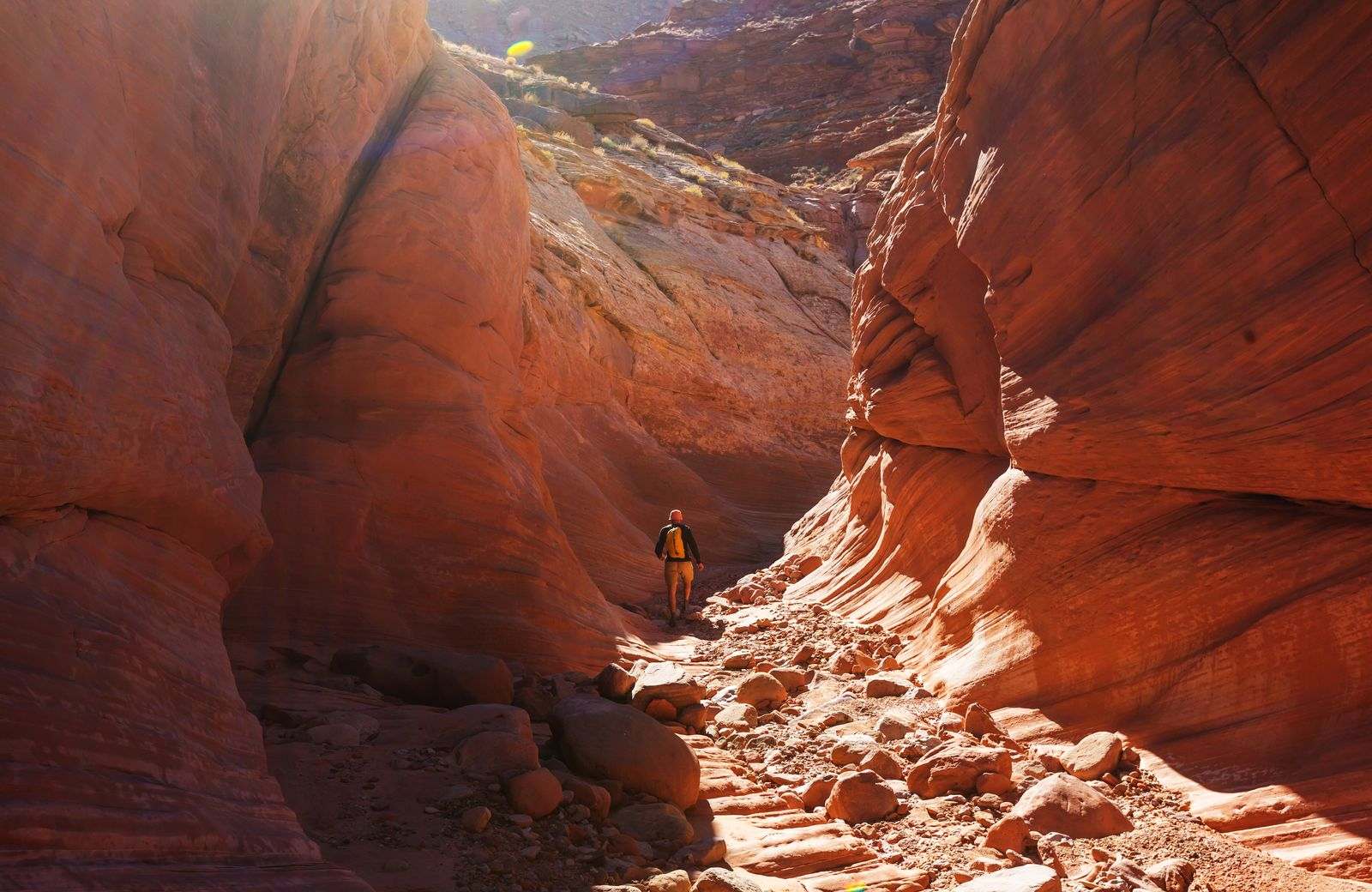
Coyote Buttes North — better known as The Wave — caps visitors at 64 people a day, split between 16 spots in a daily walk-up lottery and 48 in an online advance lottery. During peak months like April, May, September, and October, an estimated 300 people apply for those sixteen daily spots.
Do the math and that’s roughly a 5% shot on a good day, with the online advance lottery running closer to 1–3% overall. Apply in December or January instead, and your odds get a lot friendlier — mostly because nobody else wants to hike a desert in winter.
Vegas odds, basically, except the jackpot is a sandstone swirl instead of cash. If you’re waiting on a permit to come through, Arizona has plenty else worth the drive in the meantime.
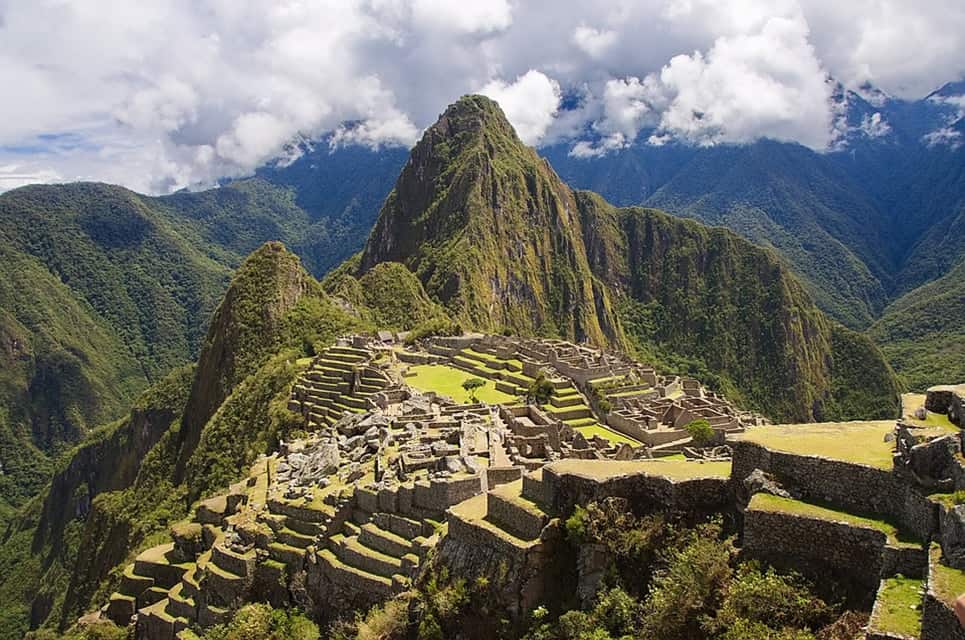
4. Machu Picchu’s Inca Trail caps you at 200 hikers a day — permits included
The classic four-day Inca Trail allows 500 total permits a day, but only 200 of those actually go to trekkers — the other 300 are guides, porters, and staff. You also can’t buy a permit yourself; Peruvian regulations require booking through a licensed tour operator, who reserves it on your behalf.
Permits for the full 2026 season went on sale in October 2025, and the most popular July and August dates have sold out within 24 to 72 hours in past years. Shoulder-season dates in March or November are more forgiving, usually needing just two to three months’ notice.
If the Inca Trail itself is the point of your trip, book it almost a year out — the ruins aren’t going anywhere, but the permits are. Cusco has other multi-day hikes worth building a backup plan around too.
5. New Zealand’s Milford Track can sell out its whole season in minutes
The Milford Track caps at 90 walkers starting the trail each day — 40 on the independent side and 50 booked through guided tours — during the Great Walks season from November through April. Outside that window, the huts run first-come, first-served with no booking required.
Bookings for the Great Walks season open on a set date each year, and the most popular months have been known to sell out within minutes. It’s one of New Zealand’s most in-demand hikes for a reason — glacier-carved valleys, waterfalls dropping straight into the trail, the works.
Missed the booking window? New Zealand has other jaw-dropping day hikes that don’t require setting an alarm for a website launch.
None of this makes these places impossible — it just means they reward planning over spontaneity now. Set a calendar reminder for whenever bookings open, or accept that “someday” might need a backup itinerary.
Which one’s actually on your list — the sandstone swirl, the ruins, or the fjord?
