
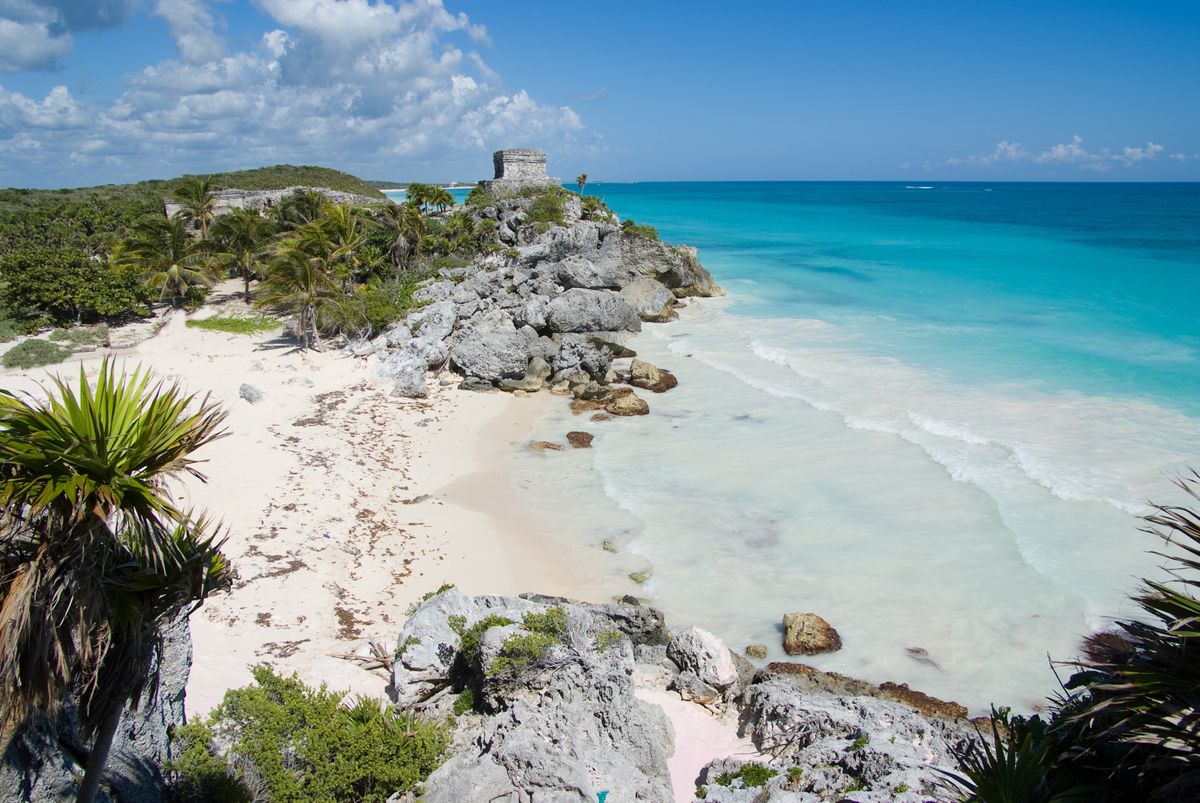
Tulum’s tourism boom just went bust — and I don’t think it’s coming back the same
Tulum spent the last decade selling itself as the boho paradise that had everything: jungle, coastline, ancient ruins, and a wellness scene glossy enough for Instagram. In 2025, the paradise stopped selling. Hotel occupancy fell off a cliff, major airlines cut flights, and the archaeological zone that used to pull in tens of thousands of visitors a month is running a fraction of that now. I don’t think this is a slow season — I think it’s a correction.
The numbers behind the slump
Hotel occupancy along the Tulum coast dropped from 66.7% in September 2024 to 49.2% in September 2025, a 17.5 percentage point fall in a single year, according to hotel association data reported by Mexico News Daily. Summer numbers were worse: coastal hotels ran around 30% occupancy, and hotels in the town center dropped to just 15%.
The archaeological zone tells the same story. It logged nearly 75,000 visitors in September 2024. This September, that number was 18,000, a drop of roughly 76%. United and JetBlue have both cut flights to the region, and Air Canada dropped its seasonal route entirely. That’s not a lull. That’s a town losing its audience.
It’s not just tourists staying away
Average room rates in Tulum hit around $450 a night in 2025, up 25% from 2023, while the water, sewage, and power systems built for a sleepy beach town in the 2010s groan under a population and tourist load nobody planned for. Water rationing now hits multiple neighborhoods on a rotating basis, and pollution from overwhelmed waste systems has reached the cenotes and mangroves that Tulum built its whole brand on.
Charging five-star, Cancun-adjacent prices for a town with rationed water is, to put it gently, a hard sell. Locals have been priced out of the town they built, replaced by short-term rentals and beach clubs that don’t need a functioning sewer system to sell a sunset. Add in the largest sargassum bloom officials have logged since 2018, rotting on the beaches during peak season, and you get a destination that can’t reliably deliver on the basics anymore.
The safety headlines are chasing the wrong story
Quintana Roo, the state that includes Tulum, sits at the US State Department’s Level 2 rating, “exercise increased caution,” the same tier as France, Germany, and the UK. That rating hasn’t moved since August 2025, despite the crime headlines circulating around the destination.
What has genuinely increased is gang-on-gang activity tied to drug trafficking. A local crackdown effort branded Blindaje Tulum reported a sharp rise in drug seizures and dozens of arrests between July and September 2025 alone. Tourists aren’t the target, and violent incidents against foreign visitors in the hotel zone remain rare. The stuff that actually trips travelers up is duller: taxi overcharging, ATM skimming, and drink tampering in nightlife spots, the same petty-crime playbook you’d find in any oversaturated resort town.
So is Tulum still worth it?
Here’s my honest opinion: Tulum isn’t dangerous in the way the headlines imply, but it’s also not the deal it used to be. You’re paying peak-season, five-star prices for infrastructure that can’t reliably deliver water to your hotel room. That math doesn’t work for me, and I don’t think it works for most travelers once the initial photo-op wears off.
Would I still go? Sure, for a few days, with realistic expectations and a hotel I’d actually vetted. Would I build a whole trip, or a whole move, around it right now? Not a chance.
Where I’d look instead
If Tulum’s price tag was ever the real appeal, it’s worth widening the search. Mexico still has plenty of coastal towns running functional infrastructure at a fraction of the cost, and my breakdown of the cost of living in Mexico’s top destinations shows where those numbers actually land.
If you’re weighing Mexico as a longer-term base rather than a week-long trip, my guide to living in Mexico as a digital nomad is a better starting point than a single overhyped beach town.
The bottom line
Tulum will probably pull itself out of this eventually. Tourism towns usually do. Whether it’s worth waiting around for that recovery, or just booking somewhere else this year, is the real question. What would it actually take to get you back to Tulum?

Couldn’t agree with you more about Tulum, which is an extreme disappointment. We saw all of this coming during the first of our 5 trips to Tulum starting in 2015, with 2021 being our last trip there, possibly for good, unless some drastic infrastructure improvements happen. Based on your article, it doesn’t appear this is happening, which is a shame, as the Tulum before it was ruined by “Influencers” was a great place to visit. By our third trip, we were seriously considering buying a condo at Intima Resort, but decided against it as the major downturn had started to take place. Overcrowding, price gouging, and basic infrastructure that was struggling to keep pace with the massive influx of tourism and overdevelopment told us to pass. Thankfully we were able to experience 3 trips there before the majority of the changes for the worse happened. Unfortunately, “Influencers” are playing a major role in this trend all over the world, and it doesn’t appear to be letting up any time soon.