
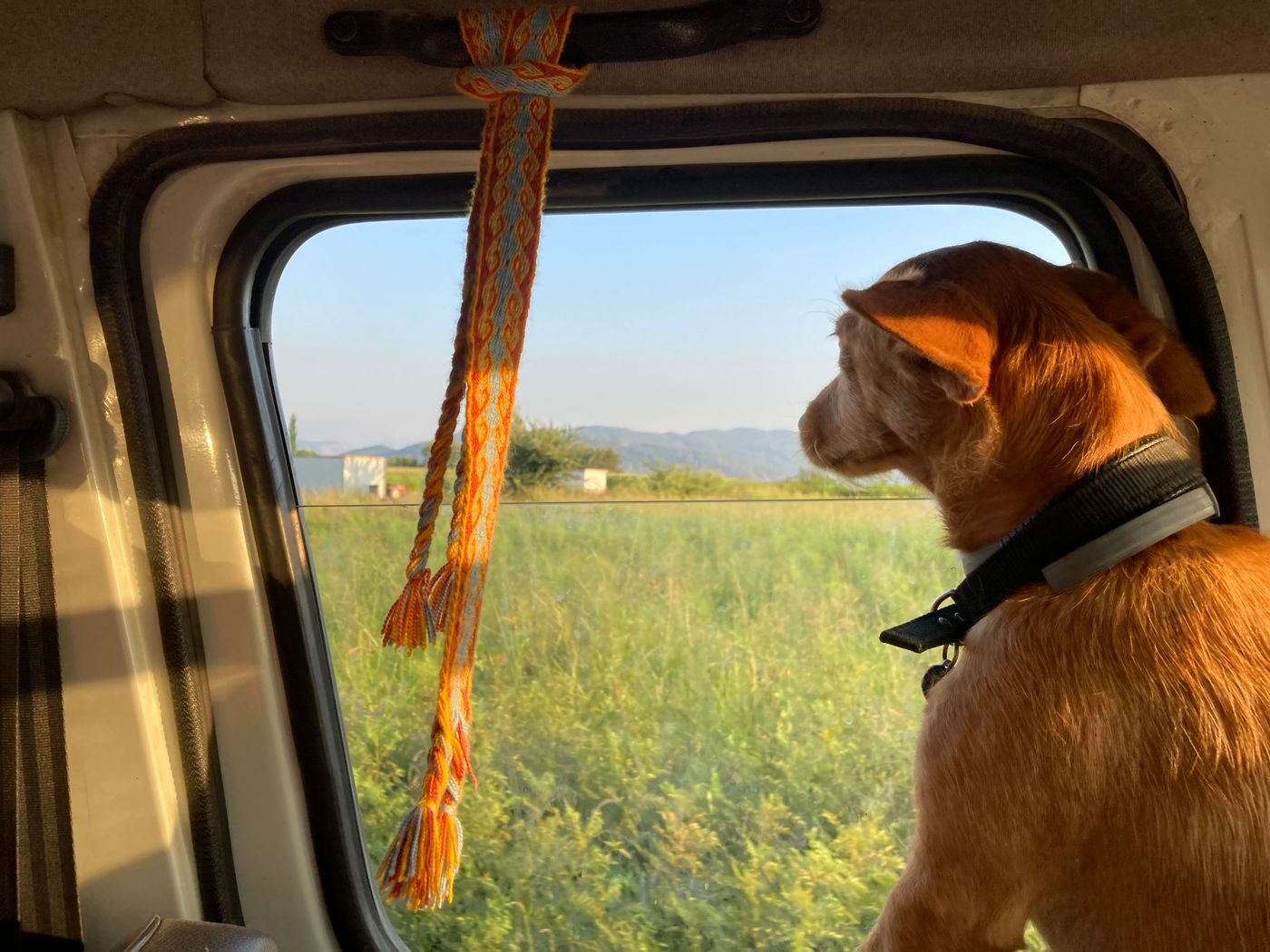
Yes, You Can Travel Italy With Your Dog. Here’s How.
Feature Photo by ela dalgın on Pexels
Italy runs on affection loud enough to hear from the street, and dogs get a generous share of it. If you’ve been wondering whether a medium or large dog can actually see Rome, Venice, and the coast without turning your trip into a logistics project, the answer is yes. It takes a little planning, and that’s what this guide covers.
Italy Genuinely Welcomes Dogs
Italians treat dogs as small, opinionated family members, and the country’s public spaces reflect that. Restaurants routinely let dogs curl up under the table without anyone glancing over.
Piazzas fill with dogs after the evening passeggiata, functioning as informal meetup spots. Shops post a paw-print sticker on the door in place of a sign, and that’s your cue to walk in, leash in hand.
Museums and archaeological sites are the exception. Expect signage barring pets except service animals at places like the Colosseum or the Vatican Museums. Check ahead so your dog doesn’t end up waiting outside while you tour alone.
Beaches deserve their own mention. Many public beaches ban dogs entirely during peak summer months, a rule that catches first-time visitors off guard.
The workaround is a “spiaggia per cani,” a designated dog beach found along most coastlines, from the Ligurian Riviera down through Tuscany and into Puglia. These run the leash off, and some even have dog showers to rinse off the salt.

Finding a Place to Stay
Pet-friendly lodging in Italy ranges from free to a modest nightly fee:
- Budget hotels and B&Bs often waive pet fees entirely, especially outside the major cities.
- Boutique hotels and countryside agriturismos typically charge €10 to €35 per night per dog, sometimes with a welcome kit: bed, bowls, a mat.
- Larger dogs occasionally mean a refundable deposit instead of a nightly charge, usually €20 to €200 depending on the property.
- Vacation rentals on Airbnb or Booking.com list pet policies upfront. Filter for it rather than emailing every host and hoping.
If you’re staying a while, TrustedHousesitters is worth a look too: swap free lodging for looking after someone else’s pet, and you’re guaranteed a dog-loving host on the other end.
A few questions to ask before you confirm any booking: is there a weight cap on the pet policy (some properties draw the line at 10-15kg and quietly exclude bigger dogs), is the fee per stay or per night, and does the room have direct outdoor access.
That last one matters more in a fourth-floor walkup in Naples than it ever will back home. Historic buildings in city centers rarely have elevators, and a large dog on a spiral staircase three times a day gets old fast.
RELATED: 10 Days Sicily Itinerary Road Trip
Transportation Tips
Getting around Italy with a dog can be surprisingly straightforward, especially when traveling by train.
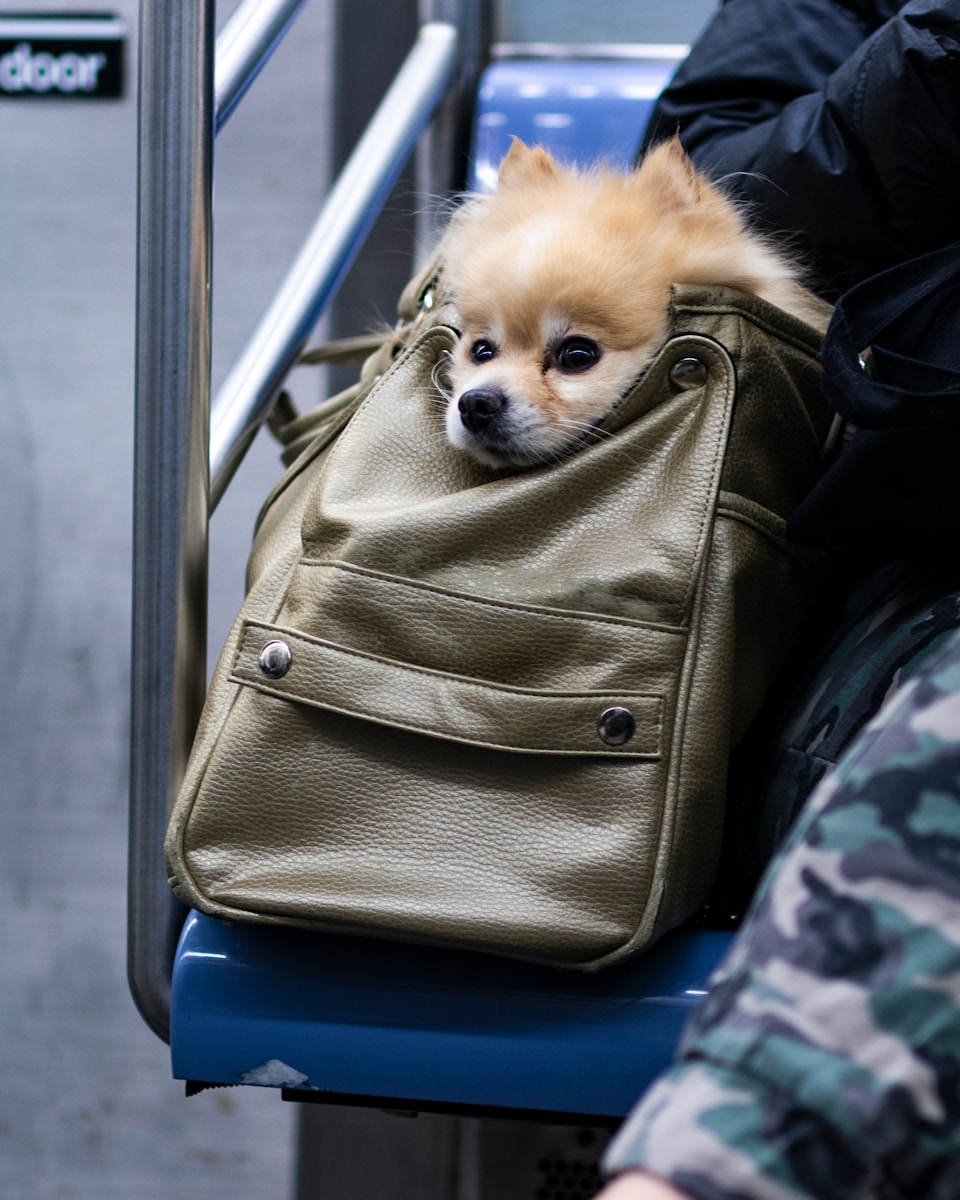
Italo, Italy’s private high-speed rail operator, allows small dogs and cats to travel free, as long as they stay in a carrier that fits under a seat or on your lap. Italo does not weigh your dog at check-in, but plan on something in the 5-10kg range if you want a genuinely free ride.
Medium and large dogs need a ticket, a leash, and a muzzle for boarding and disembarking, though the muzzle usually comes off once everyone’s settled. On board the train, you will receive a comfortable mat for your dog, ensuring they can relax and travel alongside you in complete comfort.
If you’re planning to travel with your dog by taking an Italo high speed train, routes like Rome to Venice make the extra ticket worth it. Book the pet fare through the Italo app or by phone ahead of time, since it’s not available on every fare class.
Buses and Metro
Regional buses vary by operator more than by any national rule. Assume the same small-dog-free, big-dog-ticketed logic applies, and check with the specific company (ATAC in Rome, ATM in Milan) before you show up at the stop. Metro systems tend to follow the same pattern, so a small carrier gets you onto the Rome or Milan metro without a second look, while a bigger dog on a leash may need to stick to off-peak hours depending on the city.
Ferries to the Islands
Ferries connecting the mainland to Sicily, Sardinia, and the smaller islands almost universally welcome dogs. Moby, Tirrenia, and GNV all sell pet cabins with linoleum floors instead of carpet, a small detail that matters if your dog gets seasick. Outside those cabins, dogs stay on open decks and out of the passenger lounges, so build a walk into your ferry schedule.
RELATED: Countries Where Bringing Your Pet Is (Relatively) Easy
One More Option: Flying With a Medium-Sized Dog
Air travel is usually the weak link for anyone with a dog over 8kg, since most European carriers cap in-cabin pets at that weight and send anything bigger to cargo. Italy broke from that pattern first.
Since 2025, Italy’s civil aviation authority, ENAC, has allowed airlines to bring pets weighing up to 30kg into the cabin on domestic flights, seated beside their owner in a secured carrier instead of the hold. ITA Airways was first to roll this out on select routes. It’s still limited mostly to flights within Italy, so confirm directly with the airline before booking if your dog falls in that 10-30kg range.

Before You Go
Arriving from outside the EU means bringing an EU Animal Health Certificate, not a pet passport (that document is reserved for EU residents). Get it from a USDA-accredited vet within ten days of travel, and don’t skip the rabies paperwork. It’s the one document every official actually checks.
Build your timeline backward from your flight date:
- 3-4 weeks out: confirm your dog’s microchip is ISO-compatible and rabies vaccine is current, then book the vet appointment for the health certificate.
- 10 days before travel: get the EU Animal Health Certificate signed and USDA-endorsed.
- 1 week before: reserve pet space on your train, ferry, or flight. These fill up faster than human seats since airlines cap the number per cabin.
- Day of travel: pack the certificate, vaccination record, a printed copy of your accommodation’s pet policy, a collapsible water bowl, and something familiar-smelling for the crate or carrier.
None of this makes Italy difficult for dog owners. It makes the trip exactly as easy as any well-organized trip with a dog should be: know the rules for your dog’s size before you land, and everything after that is Rome, Venice, and gelato with your best friend beside you.
