
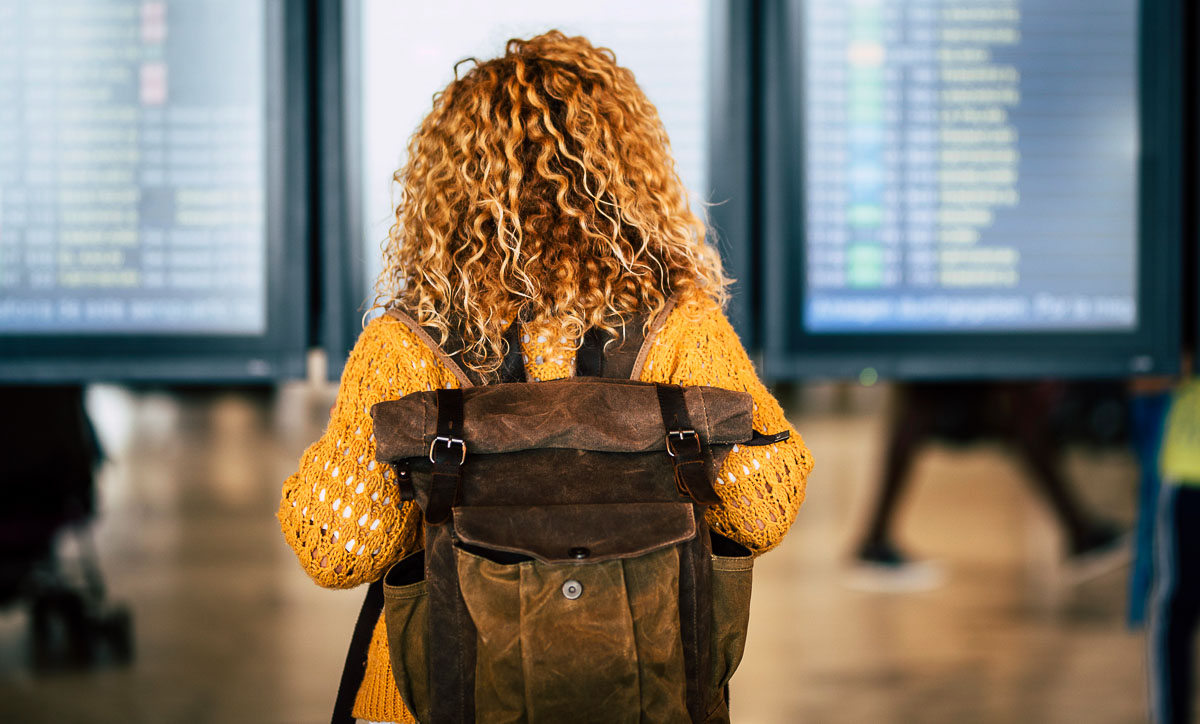
The culture shock nobody warns you about doesn’t happen abroad — it happens when you move back home
You already know the culture shock lecture. Grocery stores that don’t stock what you’re used to, a language you fumble through, jet lag that wrecks your sleep for a week straight. Everyone preps you for that one.
Almost nobody preps you for the version that shows up after you’ve adjusted, built a life somewhere new, and then come back. Researchers gave it a name decades ago, and the numbers behind it are bigger than most people would guess.

It has a name, and it’s older than you’d think
In 1963, researchers John and Jeanne Gullahorn studied over 5,300 returning scholars and found something that surprised even them: readjusting to your own country follows the same dip-and-recover pattern as adjusting to a foreign one in the first place.
They called it the W-curve. Two U-shaped dips instead of one, and the second one hits on the way back home, not the way out.
Funny, right? The homecoming that’s supposed to feel like relief turns out to be its own documented adjustment curve, complete with a dip.
Why the second dip catches people off guard
Outbound culture shock gets talked about constantly. You expect it, you prepare for it, everyone warns you before you even book the flight.
The return trip almost never gets framed as its own adjustment. Friends and family generally expect you to just slot back in, because to them, nothing changed.
Except something did. Research from 2024 puts the share of repatriates who experience reverse culture shock at over 80%. That’s not a fringe reaction — that’s basically everyone who stayed away long enough to change.
If you ask me, that’s the part that actually stings. It’s not missing the place you left. It’s grieving a version of “home” that quietly moved on without you.
What it actually looks like
Feeling like a stranger in your own hometown is the big one. Restlessness, boredom with routines that used to feel normal, and friends who ask “how was the trip?” like you were gone for a long weekend instead of a different life.
Ever notice how that question is exactly the wrong one after two years abroad? It’s not a trip. There’s no five-minute answer for it.
There’s a career angle too — researchers have tied reverse culture shock to higher job turnover, since a returnee’s changed perspective often doesn’t fit back into their old work environment as neatly as everyone assumed it would.
Timelines vary a lot. Some people shake it off in a few months. For others it drags past a year, and clinical research suggests kids and teens tend to feel it more intensely than adults do.
What actually helps
Give it a real timeline instead of expecting to snap back within a week of landing. Treating reentry like an actual adjustment period, not an inconvenience to push through, changes how it feels.
Find other people who’ve done a real reentry, not just a sympathetic friend who’s never left the state. A returnee who gets it, without you needing to explain it, does more for the readjustment than most pep talks.
And don’t pack away the identity you built abroad just because you’re back on familiar soil.
No, seriously — don’t just white-knuckle it and wait for the feeling to pass on its own. It usually needs more than time alone.
Anyone who’s actually done the reentry knows the leaving was never the hard part. So if the return hit you harder than you expected, you’re not imagining it, and you’re definitely not the only one.
