
That ATM asking if you’d rather pay in dollars? It’s the priciest question abroad
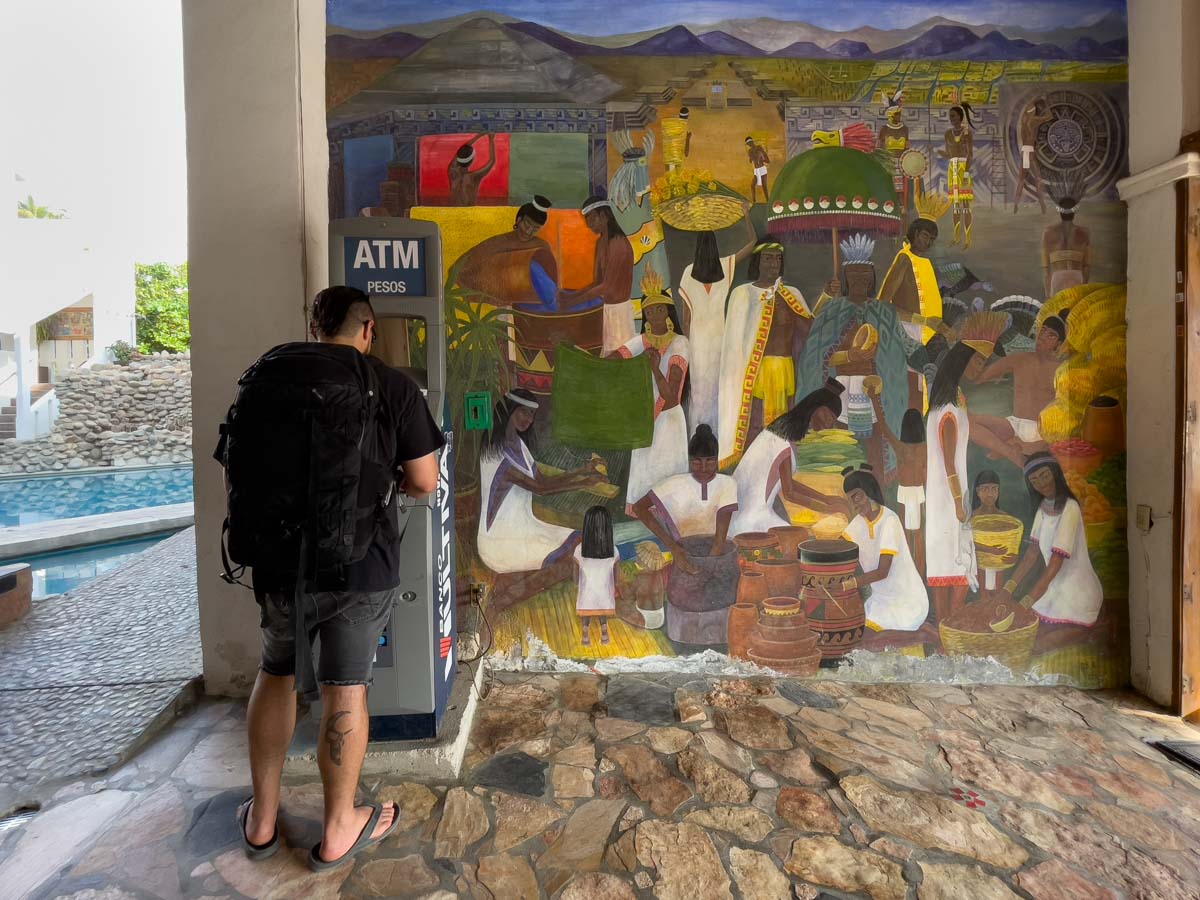
The most expensive question you’ll get asked abroad has two buttons and takes about four seconds to answer. An ATM or card reader pops up and asks if you’d like to be charged in your home currency instead of the local one. Sounds helpful, right?
It’s called dynamic currency conversion, and it’s less a favor than a sales pitch. Here’s how to spot it, why it costs you, and what to tap instead.
Before you keep reading: if “moving abroad” has been a someday thought, I turned everything I wish I’d known into one guide. Visas, jobs, country picks — check it out.
What the screen is actually offering
Visa describes dynamic currency conversion as letting you pay in your home currency instead of the local one, with an exchange rate and additional fees baked into the transaction. Read that again: fees, baked in. You’re not being offered a better deal, you’re being offered a different price.
The pitch works because it feels safe. Seeing a number in dollars is comforting when you’re jet-lagged and staring at a screen full of zeros. But comfort and value are two very different things (yes, really).
How big is the bite?
It varies, and nobody publishes one official number. One Mile at a Time shares an example of a 12.95% conversion fee offered on an ATM withdrawal in Europe, and says the markup at merchants is usually lower, in the range of 1 to 5%, depending on the payment processor and the merchant.
Even the low end of that range is a fee you never had to pay. Would you knowingly hand a stranger a few extra percent for the privilege of reading a familiar currency symbol? Neither would I.
Your ATM has a second fee, and it doesn’t care what you pick
Some ATMs charge a flat fee just for using a foreign card. The Chiang Rai Times reported in September 2026 that most major Thai bank ATMs commonly charge about 220 baht per foreign-card withdrawal. Their advice for those machines: choose Thai baht and decline the conversion.
Here’s the catch worth knowing: declining conversion doesn’t erase that flat ATM fee. It only stops the markup from piling on top. Because a flat fee hits every withdrawal, my confident opinion is that taking out fewer, larger amounts beats popping in for cash every other day.
What to tap instead
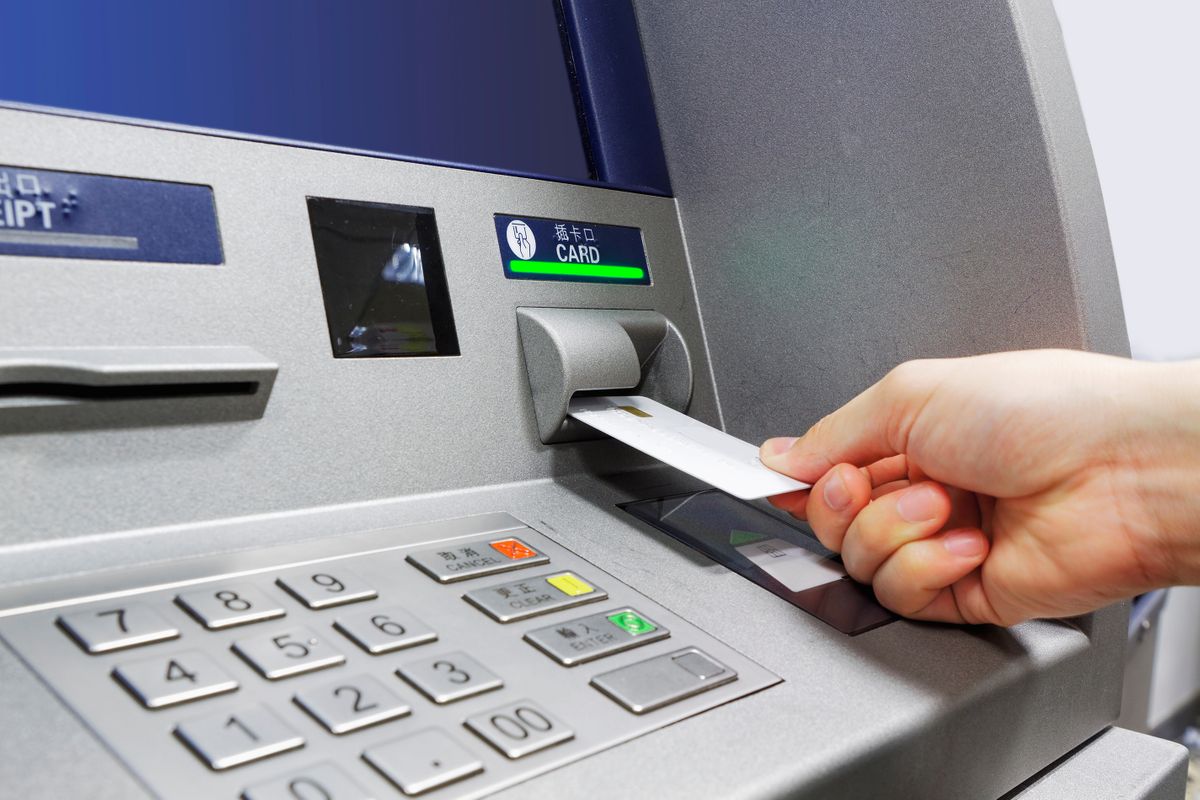
Always choose the local currency. Visa says merchants and ATMs should give you a choice to accept or decline conversion and must not choose for you, and that the exchange rate and any additional fees or markup should be displayed on the screen and receipt.
If you can’t see those details, or you feel pushed toward one option, Visa’s advice is to decline and report it to your card issuer. One Mile at a Time also suggests carrying a credit card with no foreign transaction fees, so your bank isn’t adding its own cut.
Tiny habit, real payoff: slow down at the payment screen. The button that looks like the easy one is usually the one working for the machine, not for you.
If sorting out life abroad, money and all, has you curious, the Live Abroad archive has more.
So, be honest: how many times have you tapped “pay in dollars” without thinking about it? Tell me I’m not the only one who’s done it.
