
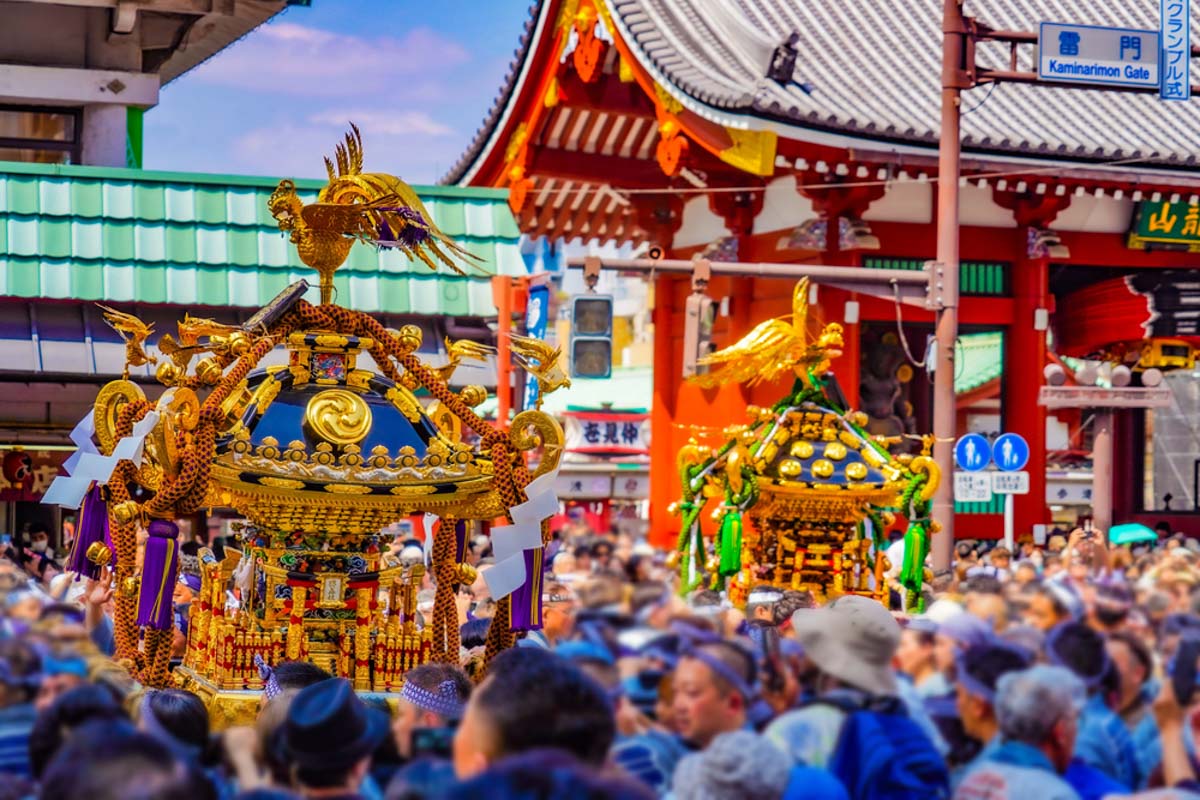
Japanese Summer Festivals: Your Guide to a Natsu Matsuri Summer!
For decades now, summer in Japan see’s festivals after festival. Natsu Matsuri is a celebration of seasonal joy and communal spirit, held annually from June to August.
Japan’s streets are buzzing with excitement; each weekend, there’s a reason for anyone and everyone to be out celebrating! From Tokyo’s mainstream festivals to Yosakoi Matsuri (Kochi) on one of Japan’s smallest islands – We’re going to break down where, when and why these festivals are taking place for you!
So, why are there so many summer festivals in Japan?
You may think Japan’s love for hosting elaborate street parties with taiko drums, glowing lanterns, and cheerleaders in yukata, every summer, is just for fun. But it turns out these celebrations are actually a ritual to warn of unwanted spirits.
Many large-scale festivals are held in July due to deep-rooted traditions. Historically, this month was seen as a time to ward off illness, protect against misfortune, and pray for a successful harvest.
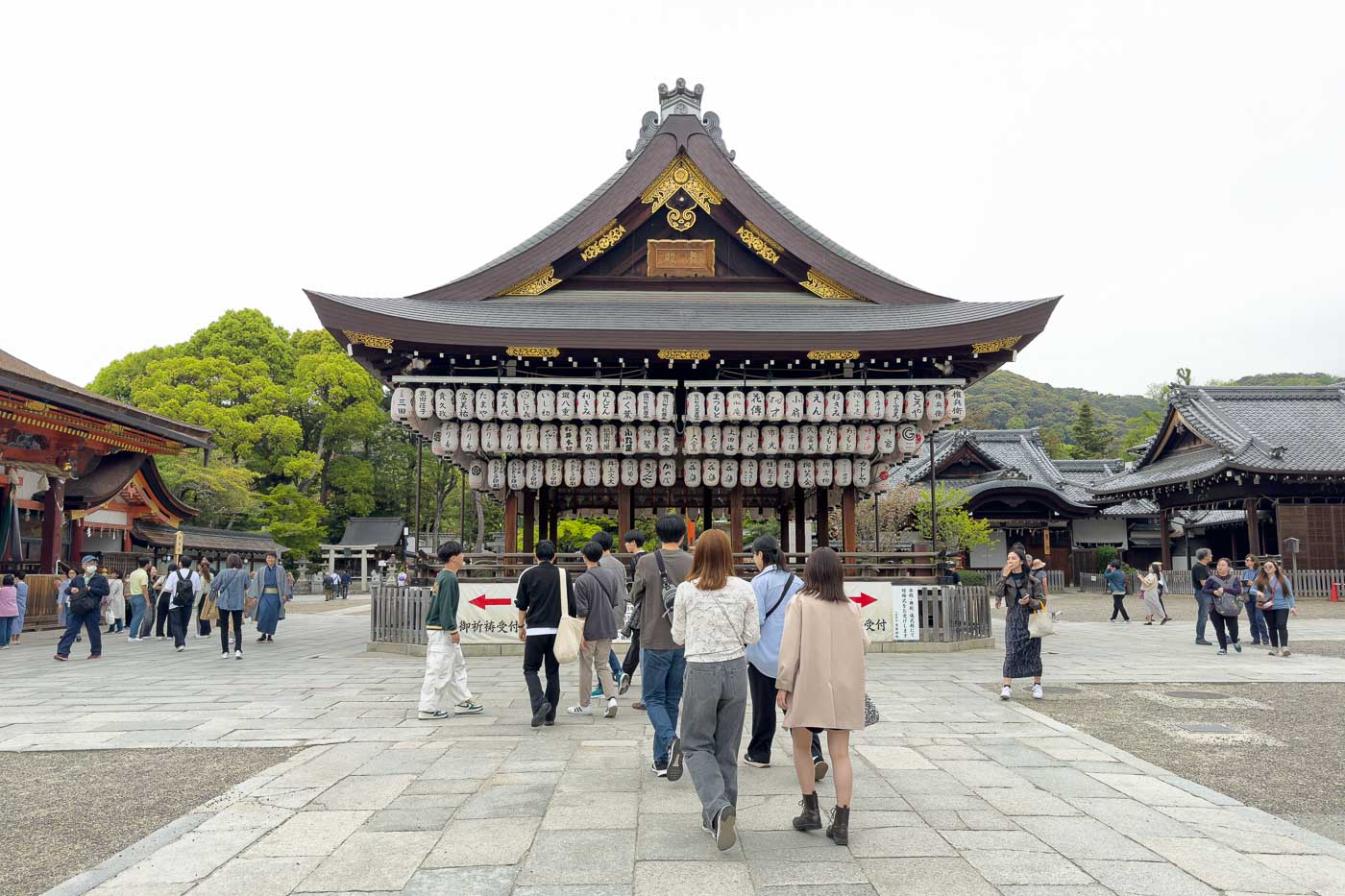
As summer’s heat and humidity intensified, so did the risk of disease, posing a serious threat to communities. To combat this, people organized spiritual rituals to protect the health and well-being of residents.
One of the most iconic examples is Kyoto’s Gion Matsuri, which began as a purification ceremony to prevent epidemics.
July also coincides with a crucial stage in rice cultivation—a staple of Japanese life. However, this period also invites pests and crop diseases. As a result, many summer festivals in July carry a dual purpose: seeking divine protection and praying for agricultural prosperity.
Let’s get into it! Here is Japan’s 2025 summer festival lineup from July onwards.
1. Gion Matsuri (Kyoto, July)
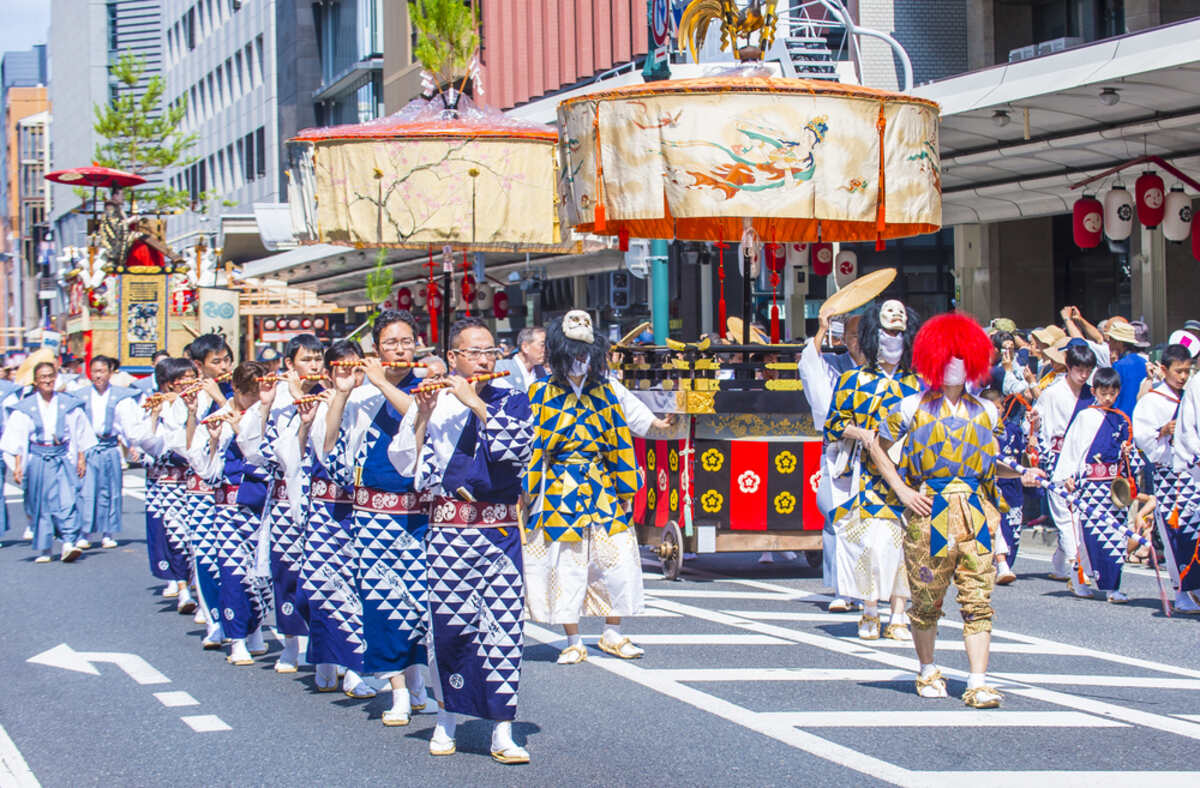
One of Japan’s most highly anticipated festivals is centred around the Yasaka Shrine. Expect Sky-high 12 m floats pulled through the historic Gion district, nightly yatai food stalls, and the grand Yamaboko Junko parade during this July parade.
When:
- Runs throughout July
Where:
- Central Kyoto along Shijō, Kawaramachi, Karasuma, Oike streets and at the Yasaka Shrine (Gion Shrine)
History:
Gion Matsuri began in 869 CE as a purification ritual to stop a deadly plague in Kyoto. It was organized by the emperor, with mikoshi (portable shrines) and 66 halberds representing Japan’s provinces. Over time, it evolved into a grand annual festival featuring elaborate ornate floats, symbolizing protection, community pride, and tradition.
More Information: Gion Festival | Travel Japan – Japan National Tourism Organization (Official Site)
2. Sumidagawa Fireworks Festival (Tokyo, Last Saturday in July)
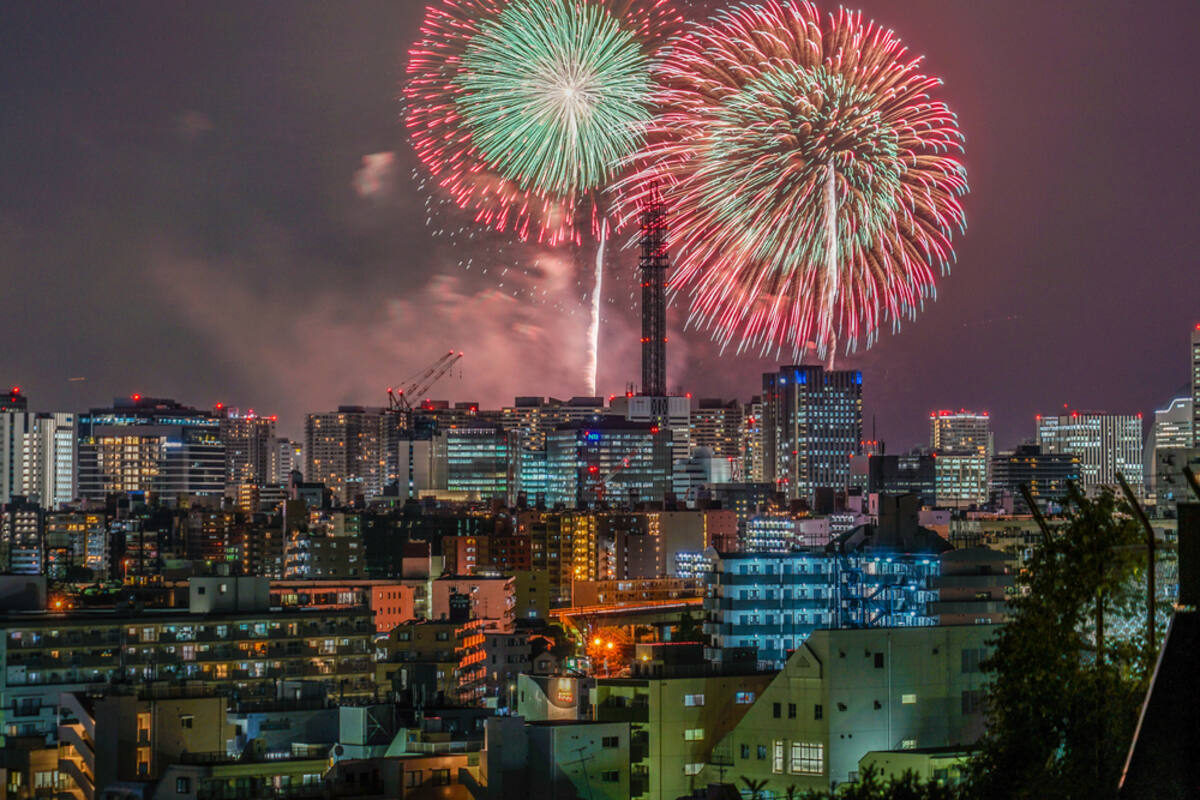
The oldest fireworks display in Japan dates back to 1732. With up to a million visitors each year spectating by the Sumida River to see dazzling competitive fireworks lighting up the night sky.
Date & Time:
- Held on Saturday, (the last Saturday of July).
- Fireworks launch from 7:00 PM to 8:30 PM usually.
Location:
- Along the Sumida River in Tokyo’s Taitō and Sumida wards, with two launch sites:
- Between Sakura Bridge and Kototoi Bridge, about 9,350 fireworks;
- Between Komagata Bridge and Umaya Bridge, around 10,650 fireworks.
Total ≈20,000 fireworks
History:
The Sumidagawa Fireworks Festival began in 1732 during the Edo period as a memorial to honor victims of famine and disease. Fireworks were launched over the Sumida River to appease spirits and pray for protection. It later evolved into a competitive display between rival pyrotechnic guilds like Tamaya and Kagiya, whose names are still shouted by crowds today.
Though paused during World War II, the festival was revived in 1978 and is now held every last Saturday of July, blending tradition with spectacular modern fireworks.
More Information: Sumidagawa Fireworks Festival | Travel Japan – Japan National Tourism Organization (Official Site)
3. Tenjin Matsuri (Osaka, July)
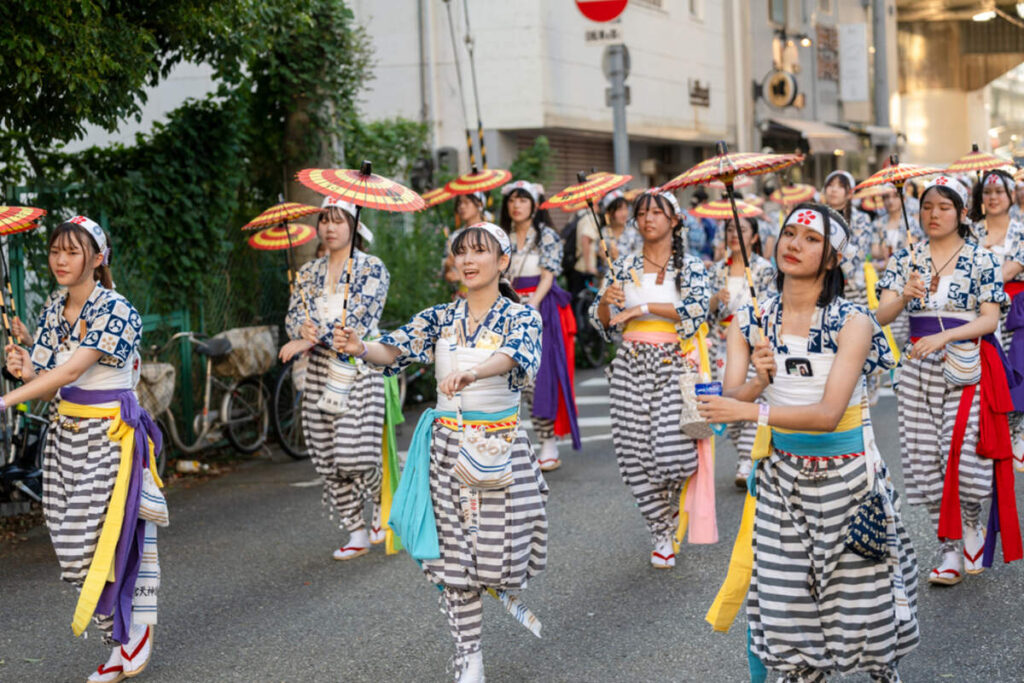
A thousand-year-old festival with a dynamic dual procession – a land parade followed by a boat procession. Thousands gather nightly, to witness the midnight blue skies of Osaka and it’s celebrations.
Dates: July
📍Location: Centred around Osaka Tenmangū Shrine and the Okawa River, Kita Ward, Osaka
History:
Tenjin Matsuri, is one of Japan’s oldest and most revered festivals, traces its origins back over a millennium to the Tenryaku era in 951—when a sacred halberd from the gods washed ashore near Osaka’s Tenmangū Shrine. This discovery inspired the inaugural purification ceremony, during which the divine spirit of Sugawara no Michizane was honored and escorted by boat to a sacred resting place (otabisho).
More Information: Tenjin Festival | Travel Japan – Japan National Tourism Organization (Official Site)
4. Aomori Nebuta Matsuri (August)
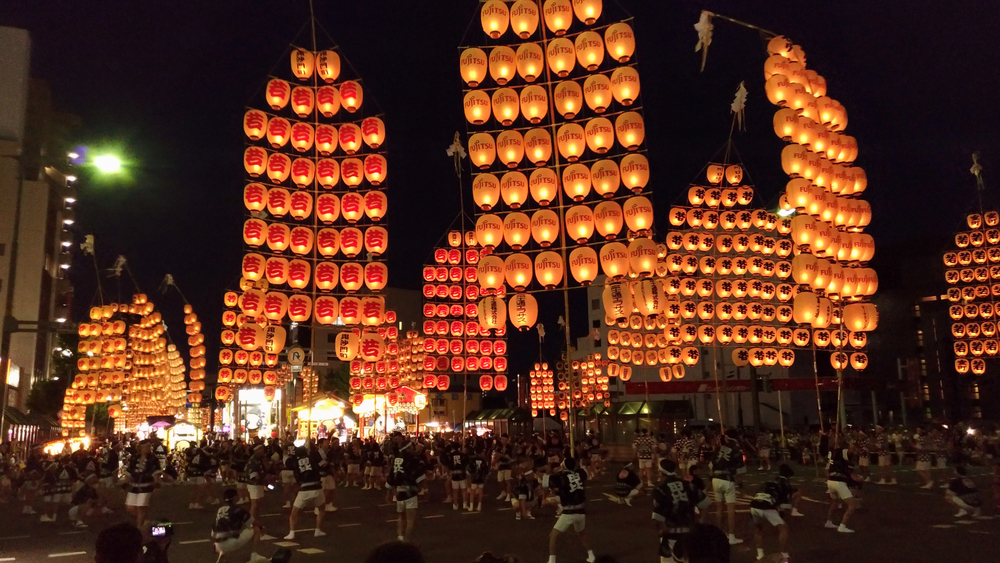
Witness massive illuminated floats, crowds dancing, and roaring drums. September’s version was declared national heritage, but early August keeps the magic alive in the summer heat.
When
- Dates: August
- Evening parades: August – starting around 18:45–19:00
- Daytime parade: August – from about 13:00
- Bonfire finale & fireworks: Starting around 19:15, August
Where
- In the streets of Aomori City, covering major routes: Shinmachi-dōri, Heiwa Park-dōri, National Routes 4 & 7, Hakko-dōri
History:
- The Aomori Nebuta Matsuri has its origins in ancient Tanabata traditions and regional customs meant to ward off evil spirits and sleepiness during midsummer. Dating back to at least the 8th century, it evolved into a grand event featuring massive illuminated floats (nebuta) depicting warriors, gods, and mythical scenes. Originally made from bamboo and paper, these floats were paraded to the sound of drums and flutes to cleanse the spirit and energise the community. Over time, it became one of Japan’s most vibrant summer festivals, blending folklore, art, and celebration.
More information: Aomori Nebuta Festival | Travel Japan – Japan National Tourism Organization (Official Site)
Before you go: Stay connected in Japan
Getting a hold of reliable data in Japan is crucial to enjoying your Natsu Matsuri Summer. Staying connected is essential—for navigation, translations, booking trains, and even sharing your best festival moments in real time.
Rather than dealing with SIM cards or relying on pocket Wi-Fi, consider using an eSIM—a digital SIM you can install instantly. Choosing an eSIM for your trip to Japan means:
- Instant set-up, before you head to Japan or once you have landed,
- Reliable coverage with,
- Flexible plans,
- No contracts, cancel anytime,
- And English customer service.
READ MORE: Best International SIM Cards & How to Keep in Touch When Traveling
Here are some other festivals in Japan this summer!
Akita Kantō Matsuri
- When: August
- Where: Akita City, main Kanto Odori Street
- Significance: Dating back to the Edo period, this festival is a prayer for a rich harvest and good health. Participants balance 5–12 meter bamboo poles adorned with up to 46 lanterns.
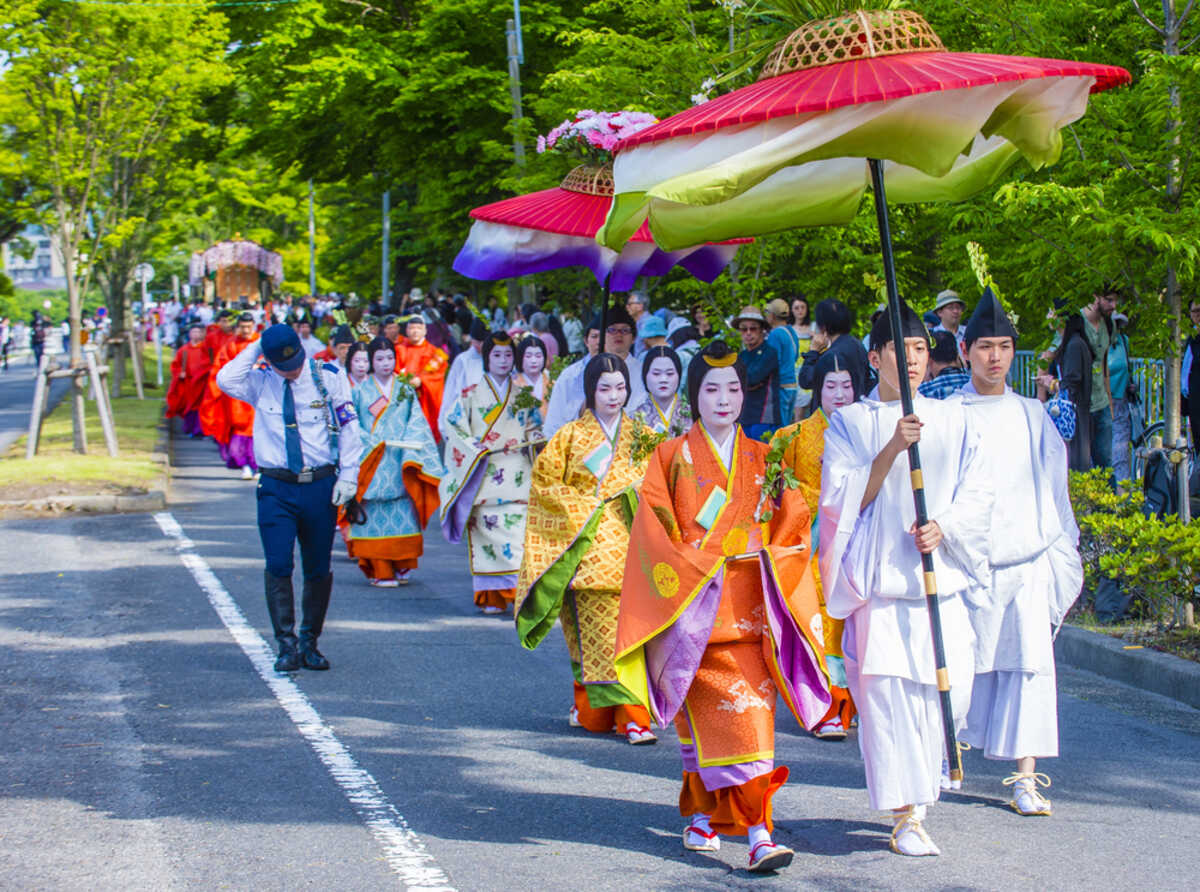
Sumiyoshi Festival (Ōharae)
- When: July – August
- Where: Sumiyoshi Taisha, Osaka
- Significance: Rooted in ancient Shinto purification rituals (Ōharae) from the Nara and Heian periods. It features the purification of mikoshi in Osaka Bay and shrine processions meant to spiritually cleanse the city.
Obon & Toro Nagashi
- When: Mid-August
- Where: Nationwide (notably in places like Arashiyama, Kyoto)
- Significance: Based on a Buddhist rite honoring ancestral spirits who return home during Obon. On the final evening, lit lanterns (toro nagashi) are floated on water to guide the spirits back.
What else to expect at a Japanese Summer Festival?
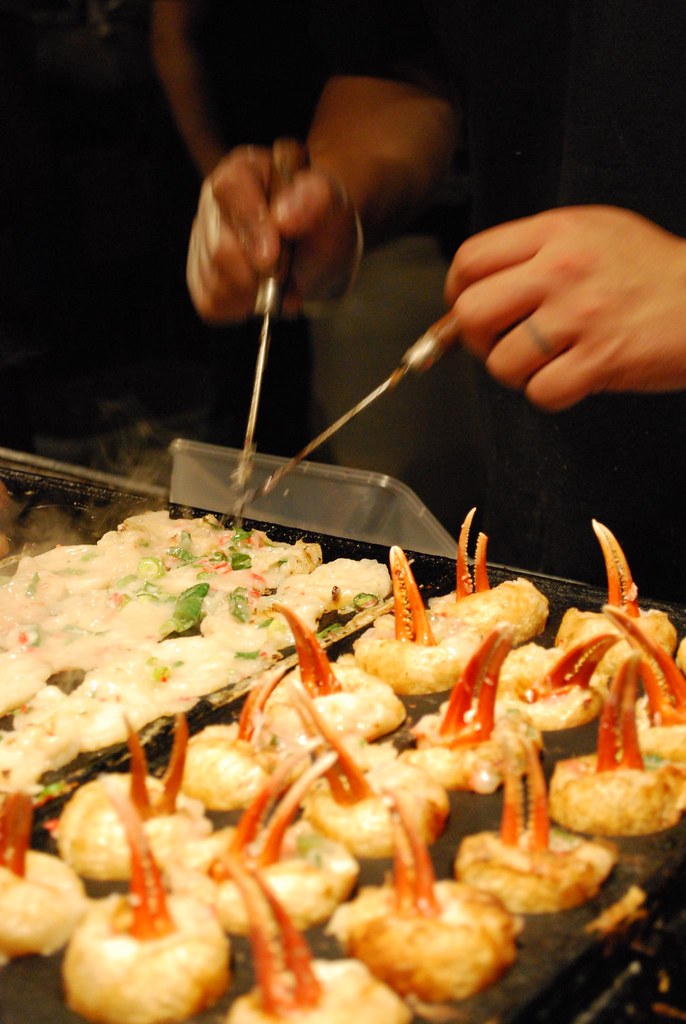
A crucial element to Japanese festivals is the Japanese festival food; Takoyaki (たこ焼き) , Yakisoba (焼きそば) , and Ikayaki (いか焼き). These can all be found on the streets of Japan throughout day-to-day life, but expect them a little more during the summer months.
Japanese festival games are also a big part of these events. Japanese games evolved during a time of religious evolution, social and culture- For example during the Edo Period, (1603–1868) Matsuri (祭り) was originally centered around Shinto or Buddhist ritual that took place at shrines to honour deities (kami) and spirits (ancestral or natural).
Participants of the celebrations would set up stools with food and toys or host games, which held amusement or game-chancing.
Traditional Japanese festival games:
Shateki (射的) – Cork Gun Shooting
- Similar to any other fair outside of Japan, this game allows you to win prizes but shooting the one you want of the shelf.
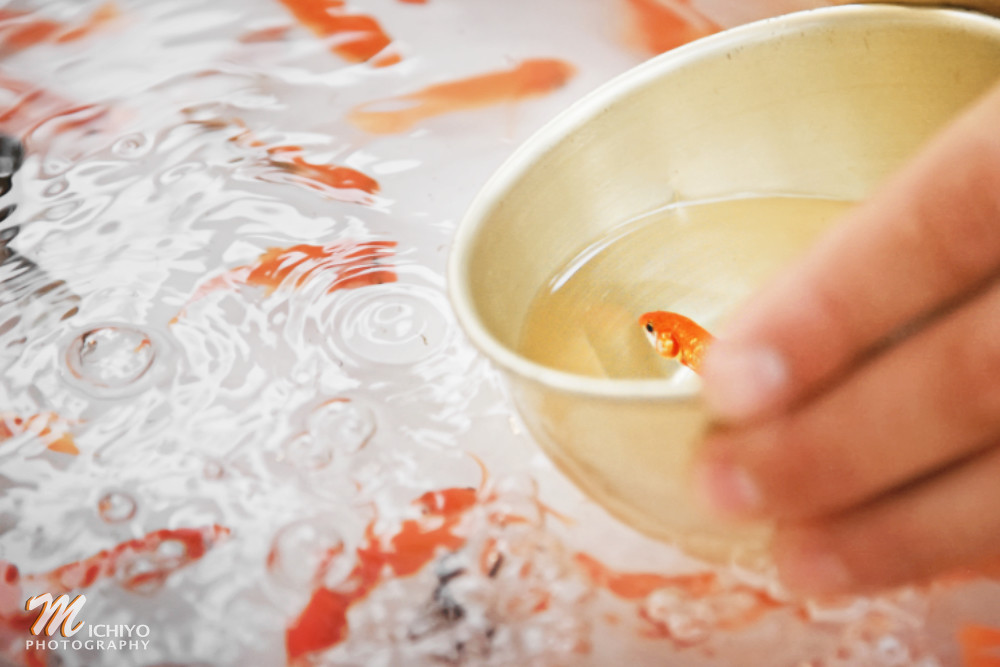
Goldfish Scooping (金魚すくい, Kingyo-sukui)
- This game practices patience and precision – using a paper scoop you have to catch the fish before your scoop tears from the water damage. In exchange for your goldfish, you win a prize.
FAQS:
Do eSIMs offer coverage throughout all of Japan?
Yes, most Japan eSIMs offer nationwide coverage across Japan. Japan’s main network providers operate on an excellent mobile infrastructure, providing coverage to most areas.
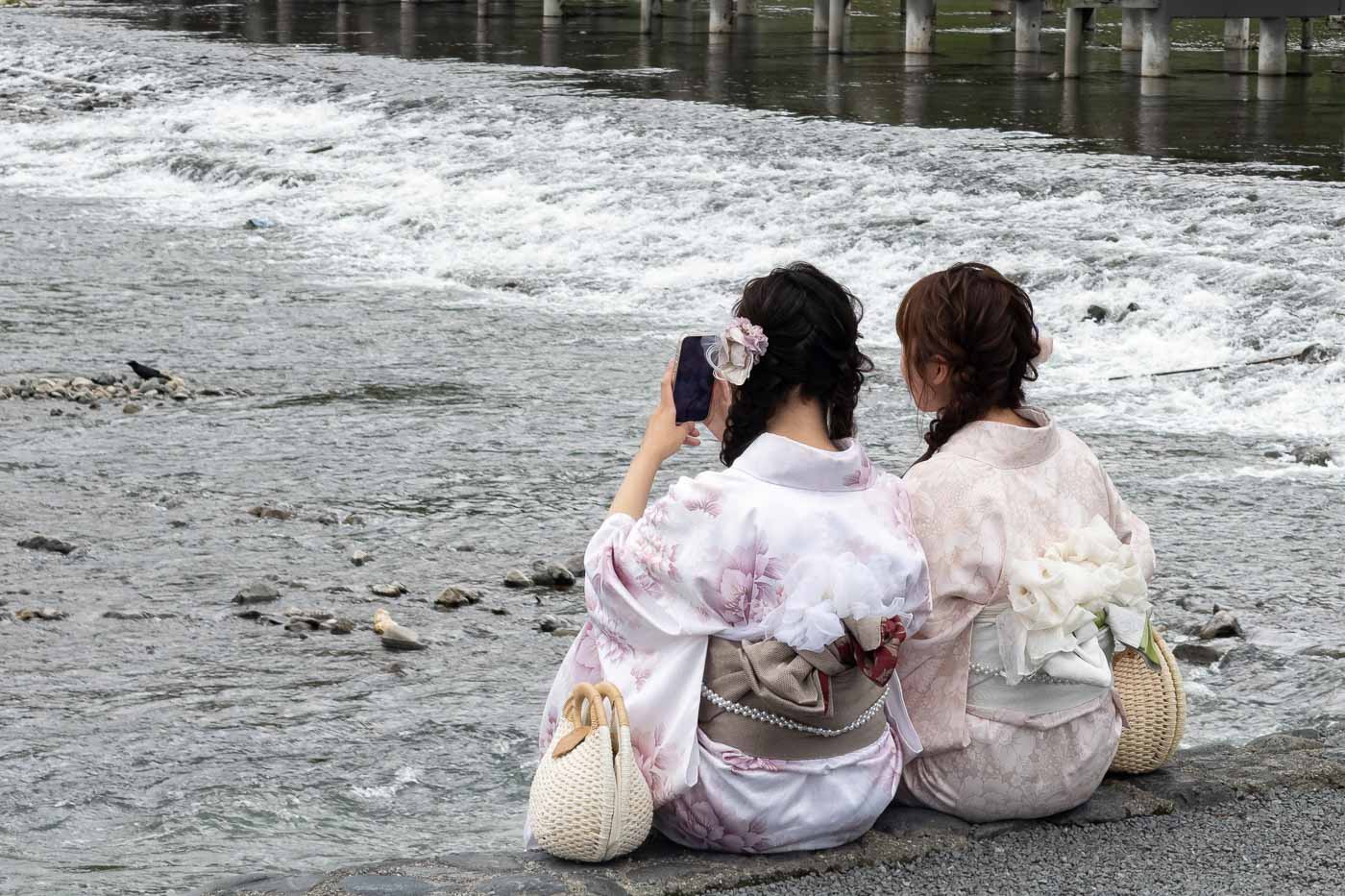
What should your Japanese festival outfit be?
This is completely up to you, the only advice to keep in mind is the temperature! Japan is known for its hot summers – to combat this, you could go full Japanese style and carry an umbrella with you to stay cool and protect your skin from the UV rays.
What’s the easiest way to get around Japan?
When planning your trip during these summer months, it’s great to plan ahead. JRailpass is a great way to travel Japan budget-friendly. It will help you save time, aby ordering online and only needing one ticket your whole trip.
Japan Rail Pass: How to Buy JR Pass | JRailPass
More Japan:

Read more of my guides to Japan:
- Kinosaki—Japan’s Tattoo-Friendly Onsen Town
- 13 Things to Do in Shimoda, Japan in 2 Days
- Mount Fuji During Cherry Blossom Season: Best Spots + Tips
- 7 Things to Do at Mount Fuji in 2 Days
- 9 Things to Do in Lake Kawaguchi at Mount Fuji
- Tea Ceremony in Kyoto: A Must-Do Experience!
- What to Do in Arashiyama in Kyoto, Japan—In 1 Day!
- Fushimi Inari Hike in Kyoto, Japan—What to Know!
- Kyoto Itinerary—What to Do in 3 Days
- 9 Rainy Day Activities in Kyoto, Japan
>>> Author Bio:
Beau is a dedicated travel writer, dedicating most of her articles to helping others enjoy Japan seamlessly. Sharing clear and helpful information for all, Beau loves helping readers plan unforgettable trips — from navigating transportation and cultural etiquette to finding the best ways to stay connected while travelling in Japan.
