
How To Explore New Cities Without Renting a Car — One E-Bike Ride at a Time
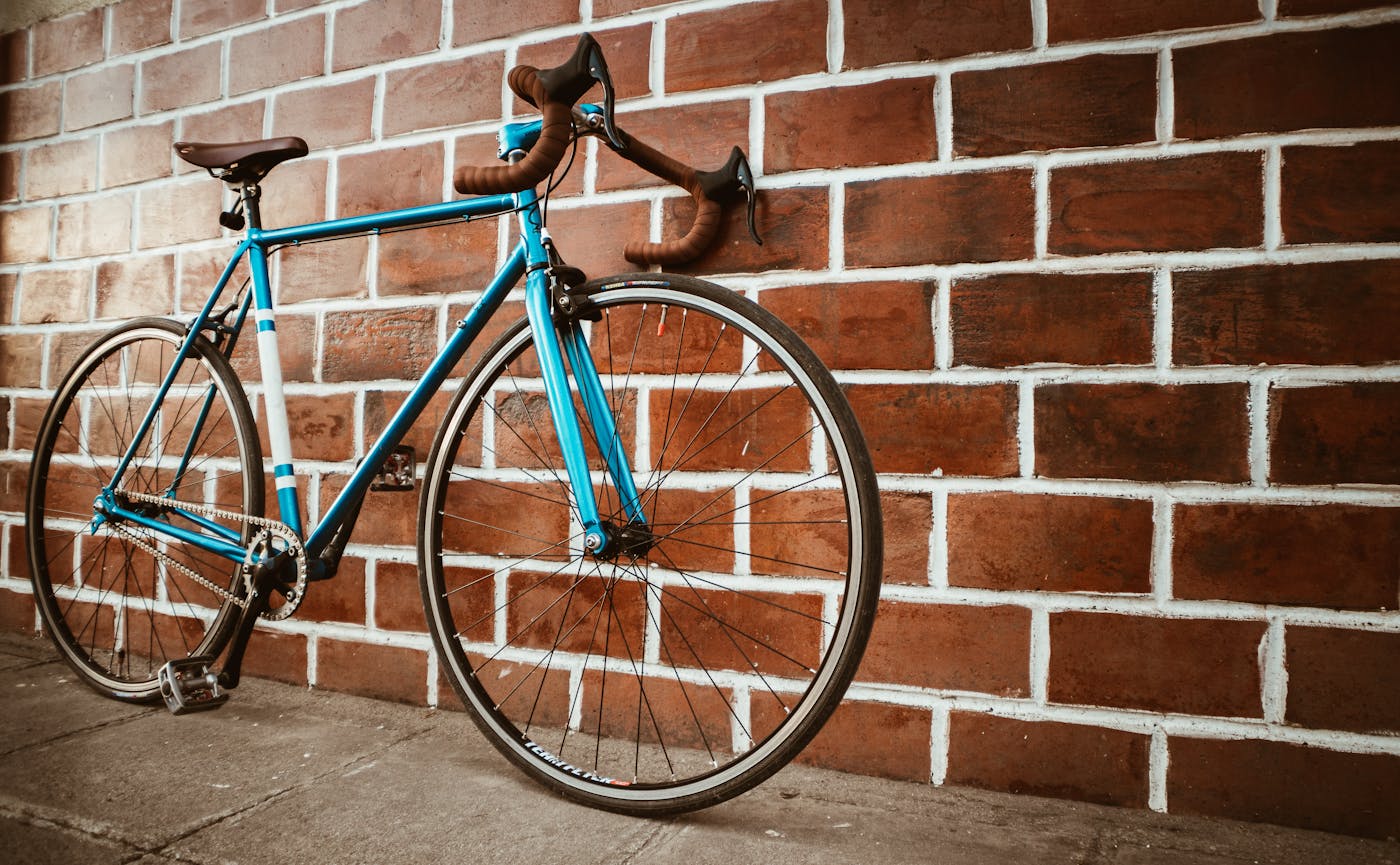
Photo credit by Leandro Boogalu on Pexels
For many travellers, landing in a new city triggers the same routine: pick up luggage, find the rental desk, queue for paperwork, and drive off into unfamiliar streets while trying not to miss exits.
But for a growing number of experienced travellers, that routine no longer makes sense. Instead of renting a car, they choose to explore cities on an e-bike — and once they do, they rarely go back.
This approach didn’t come from ideology or environmental pressure. It came from experience. Cities are dense, complex, and often hostile to cars. Exploring them requires flexibility, not horsepower. An e-bike offers exactly that.
Seeing Cities at the Right Speed
Walking is immersive but slow. Cars are fast but disconnected. E-bikes sit perfectly in between.
When exploring a new city, pace matters. Too slow and the day disappears. Too fast and the city becomes a blur. Riding allows travellers to cover serious ground while staying connected to their surroundings. Streets feel alive. Neighbourhoods blend into one another. The city reveals its rhythm instead of hiding behind windscreens.
This balance is why assisted riding works so well for urban exploration. It moves fast enough to feel efficient, but slow enough to feel human.
RELATED: 100+ Best Travel Tips After Over a Decade of Traveling
Driving in unfamiliar cities often means constant navigation stress. One wrong turn leads to traffic, restricted zones, or parking nightmares. The mental load is high, even on short trips.
On an e-bike, navigation becomes fluid. Riders can turn around easily, take side streets, stop without pressure, and adjust routes on the fly. Missed turns don’t matter. Detours become discoveries rather than mistakes.
This flexibility encourages exploration instead of rigid planning. The city becomes something to wander through, not something to conquer.
Accessing Places Cars Can’t
Some of the best parts of cities aren’t car-friendly. Old districts, narrow streets, waterfront paths, laneways, and quiet residential zones often restrict or discourage vehicles.
E-bikes slip naturally into these spaces. Riders can explore historic areas, riverside paths, park networks, and backstreets that cars simply can’t reach. What would require multiple parking stops by car becomes a seamless ride.
For travellers, this means seeing the parts of the city that locals actually use — not just the places designed for traffic.
The Freedom to Stop Anywhere
One of the most underrated advantages of exploring by e-bike is stopping freedom. There’s no hunt for parking, no worry about meters, no anxiety about fines. If something looks interesting, riders simply stop.
A café catches the eye. A market appears around the corner. A view opens up unexpectedly. These moments define great travel experiences, yet they’re often missed when movement is constrained by vehicles.
E-bikes turn curiosity into action instantly.
Physical Engagement Without Exhaustion
Traditional cycling can be demanding, especially for travellers unfamiliar with a city’s terrain, heat, or distances. Electric assistance removes that barrier.
Riders still pedal, still move, still engage physically — but effort becomes adjustable. Hills don’t end the day early. Long distances don’t require elite fitness. This makes exploration sustainable over multiple days instead of exhausting after one.
For travellers who want to see more without burning out, this balance is critical.

Feeling the City Instead of Passing Through It
Cars isolate. Even with windows down, they separate travellers from the environment. Riding does the opposite.
On an e-bike, travellers feel temperature shifts, smell food from street stalls, hear conversations, and notice changes in architecture block by block. These sensory details create memory. They anchor experiences in a way that driving never does.
This sensory connection is often what travellers remember most long after the trip ends.
Time Efficiency Without Rushing
Exploring by foot limits range. Exploring by car limits spontaneity. E-bikes avoid both problems.
Riders can cover large sections of a city in a single day without feeling rushed. Morning might be spent along the waterfront, afternoon through inner neighbourhoods, evening back near the centre — all without fatigue or logistical friction.
The day feels full without feeling packed.
RELATED: 7 BEST International eSIMs for Data Abroad
Adapting Easily to Local Infrastructure
Many modern cities now support cycling with dedicated lanes, shared paths, and calmer traffic zones. E-bikes integrate naturally into this infrastructure.
Instead of fighting traffic, travellers follow routes designed for human-scale movement. They gain access to green corridors, river paths, and urban trails that cars never touch. The city feels layered rather than linear.
Even in cities without perfect infrastructure, e-bikes remain easier to manage than cars due to their size and flexibility.
Reducing the Cost of Exploration
Car rentals add up quickly — rental fees, fuel, insurance, parking, tolls. For travellers moving mostly within a city, those costs often outweigh the benefits.
E-bike rentals or short-term access options are usually cheaper and simpler. There’s no deposit stress, no refuelling routine, no hidden charges. Money saved often goes toward experiences instead of logistics.
For longer stays, this difference becomes significant.
Safety Through Visibility and Control
Exploring unfamiliar streets can feel risky when drivers are unpredictable. Riding offers a different kind of control.
E-bike riders are more visible than pedestrians and more manoeuvrable than cars. They can adjust speed instantly, avoid congested zones, and choose calmer routes. This situational awareness often feels safer than navigating traffic from behind the wheel.
Confidence grows quickly once riders realise they’re not at the mercy of the road.
A More Sustainable Way to Travel
While sustainability may not be the primary motivation, it becomes a welcome side effect. E-bikes reduce emissions, noise, and congestion — especially important in cities already under pressure from tourism.
Travellers using lighter forms of transport leave a smaller footprint and integrate more respectfully into urban life. That alignment feels increasingly important as cities rethink tourism’s impact.
Why the Experience Changes How They Travel Everywhere
Once travellers experience a city this way, it reshapes how they approach future trips. Car rentals feel unnecessary. Rigid itineraries feel restrictive. Exploration becomes more fluid, more responsive, and more personal.
E-bike travel encourages curiosity over efficiency and experience over convenience. That mindset often carries into how travellers choose accommodation, routes, and even destinations.
The Long-Term Shift in Urban Travel
What started as an alternative has become a preferred method. Cities are growing denser, not more car-friendly. Exploration methods are adapting accordingly.
E-bikes align with how modern cities actually function — compact, layered, and dynamic. They offer a way to explore that feels natural rather than forced.
RELATED: How to Travel on a Budget: My Best Budget Travel Tips
Final Reflection
Exploring new cities without renting a car isn’t about rejecting convenience. It’s about redefining it. One e-bike ride at a time, travellers discover cities at the speed they were meant to be experienced — close enough to feel alive, fast enough to feel free.
For those who try it once, it rarely feels like an experiment. It feels like the obvious way forward.
