
The Ultimate Guide to Planning a Road Trip You’ll Never Forget
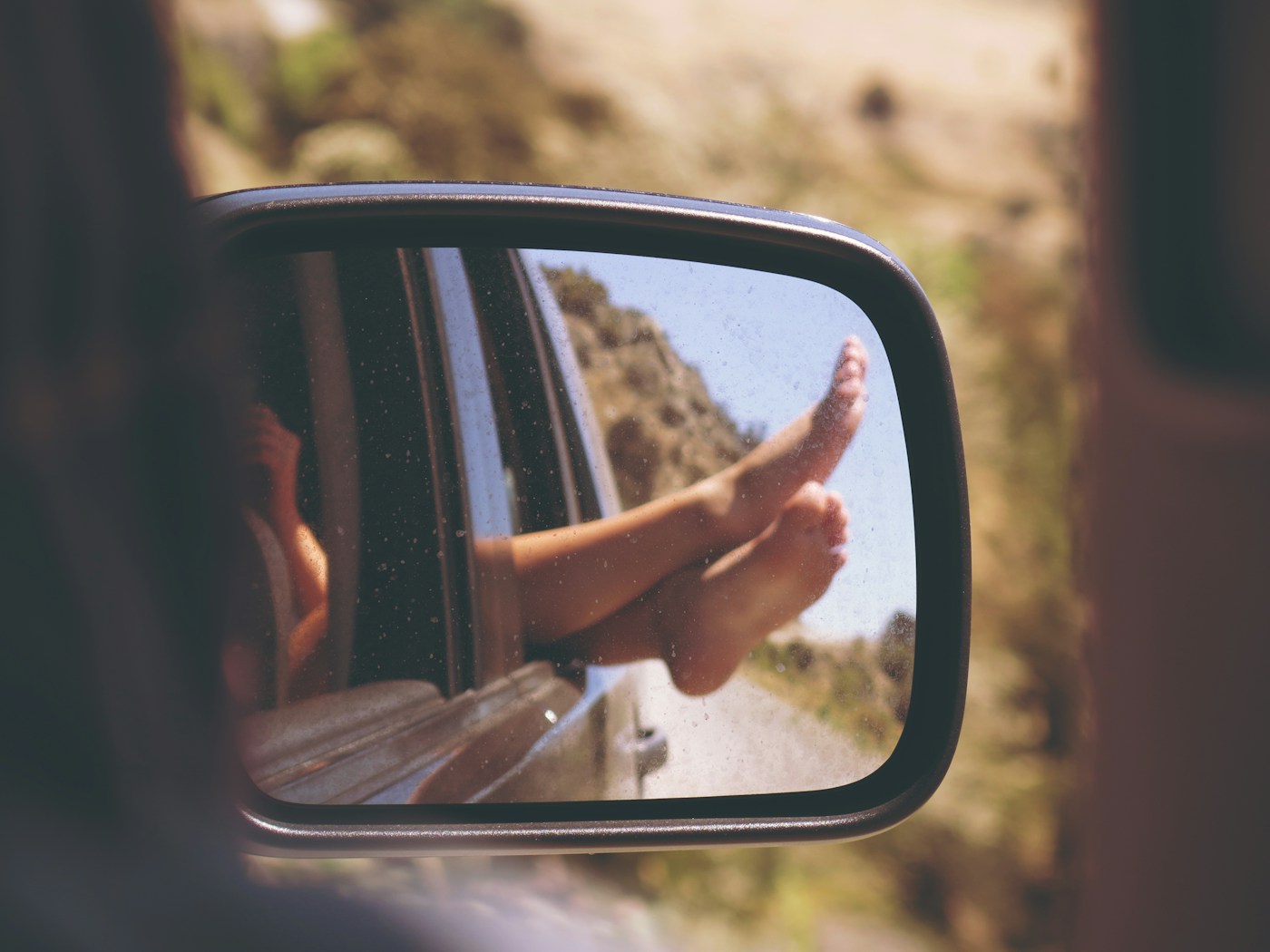
Feature Photo by anja. on Unsplash
There’s something timeless about packing up, plotting a map, and chasing the open road. Whether tracing winding routes through the Rockies or heading for the coast, the appeal remains the same: freedom, discovery, and interesting things you can’t predict.
But behind every successful road trip lies careful preparation, thoughtful choices, and more than a little creative planning.
Before you chart your course or fill the cooler with snacks, one of the key things is to buy a used car for a road trip and check the vehicle’s history.
Use a reliable VIN checker to uncover any hidden accidents, title issues, or odometer discrepancies with VIN database access. This step protects your trip, your wallet, and your family, ensuring safety before adventure.
Start Planning Your Road Trip with Purpose
So where to begin? Start planning not with destinations but with time. How much time do you actually have? Whether you’ve carved out two weeks or just a long weekend, that timeframe becomes the foundation for your itinerary. Don’t overstuff it—spend wisely. A tight plan can feel like work. A flexible outline? Now that’s fun.
Choosing the Right Destination and Route
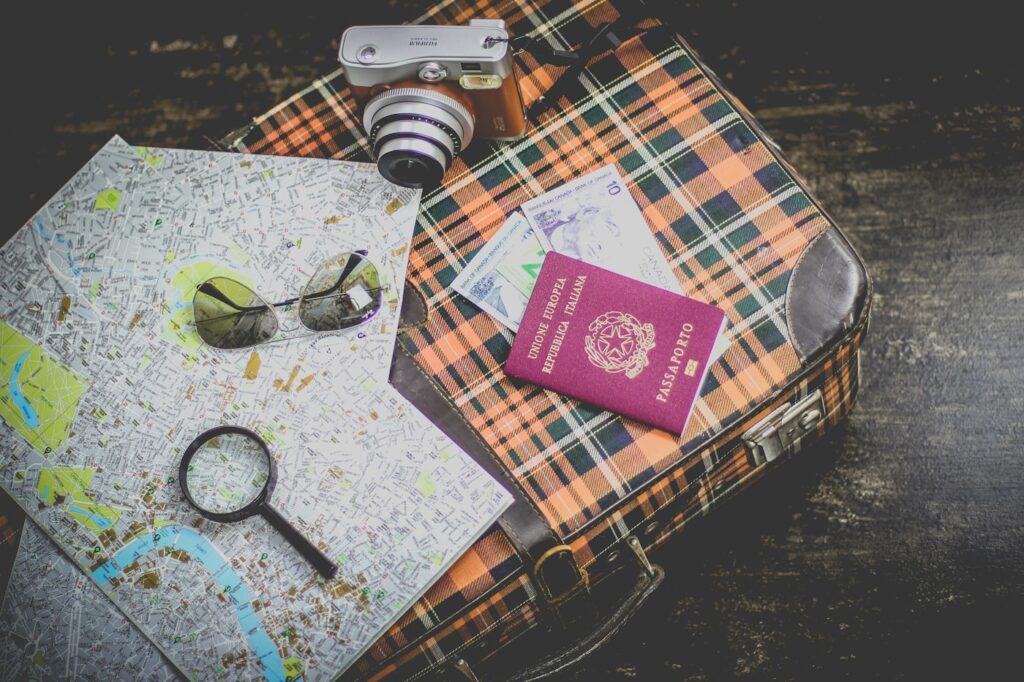
A destination is more than a dot on the map—it’s your magnetic north. Think about why you’re going. Do you crave mountain solitude, bustling cities, or desert silence? Are you aiming for Devil’s Tower, San Diego, or Mount Rushmore? Your goals shape your route.
After locking in your destination, sketch your route. Will it be scenic, fast, or packed with quirky stops? Google Maps helps visualize the plan, but don’t ignore a good paper map—especially when a signal disappears in remote areas.
Don’t Skip These Planning Essentials
Even seasoned road trippers make mistakes. Consider these musts:
- Download turn by turn directions before entering a dead zone.
- Bookmark gas stations across long rural stretches.
- Book accommodations early in busy areas—hotels near national landmarks fill quickly.
- Build in buffer hours for detours, weather, or lingering at hidden gems.
- Add some roadside attractions, from the world’s largest ball of yarn to UFO museums.
READ MORE: Your Road Trip Packing List—Tips + PRINTABLE Checklist!
Driving a Safe and Reliable Car
That sense of freedom on a road trip only lasts if your car keeps humming along. Perform a pre-trip check that includes:
- Oil level
- Tire tread (and that crucial spare tire)
- Brake function
- Coolant and windshield wiper fluid
- Headlights and indicators
- Aid kit, jumper cables, and a roadside emergency kit
Small oversights can become trip-ending headaches. A blown tire with no jack, or failing to check brake pads—these are avoidable hiccups with just 30 minutes of preparation.
Map Out Your Stops, But Stay Open to Spontaneity
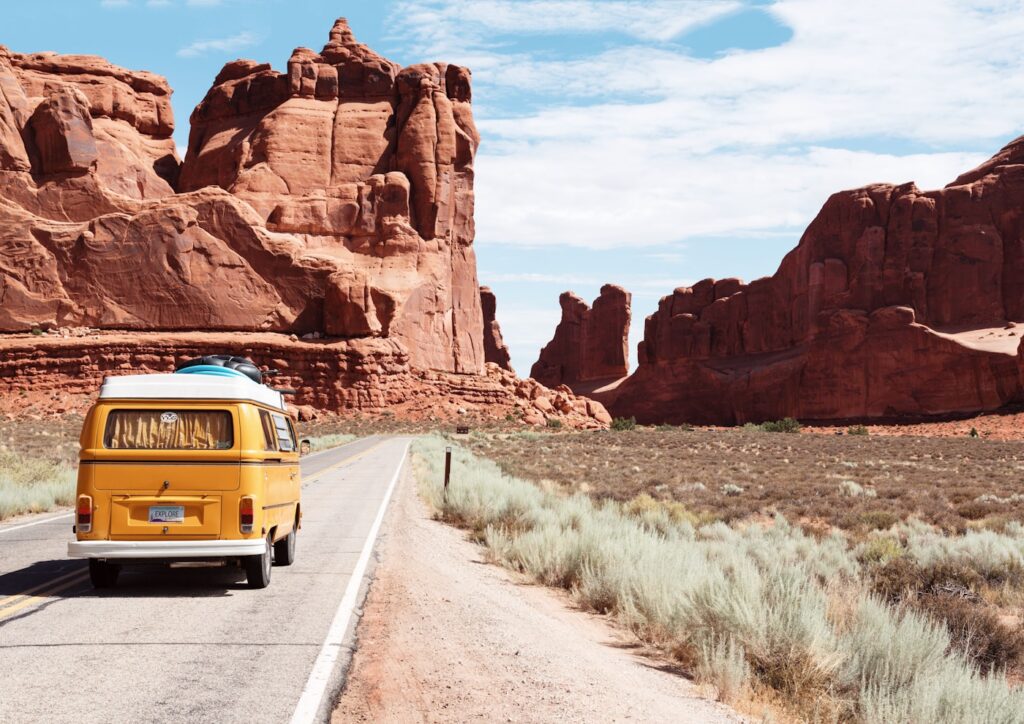
Yes, plot your map. Yes, follow your route. But leave breathing room. The most memorable moments come from the unexpected: a local diner with homemade pie, a state park you didn’t know existed, or a late night meteor shower near an empty campground.
Incorporate just two or three major points per day into your itinerary. That leaves space for bathroom breaks, weather delays, or exploring side trails and unplanned national parks.
Fuel, Food, and Functionality: Key Stops That Matter
You don’t want to run out of gas or granola in the middle of nowhere. Mark gas stations, picnic areas, hotels, and rest areas along the way. Factor in driving time between these essentials. Nothing kills momentum like hunger or exhaustion.
Even better, keep a list of 24-hour diners and 24/7 gas pumps. You never know when night driving turns from necessity into preference.
Let Google Maps Guide You, But Not Rule You
Google Maps is indispensable. Use it for ETA calculations, terrain awareness, and finding scenic routes. But it’s not infallible. It can’t tell you about a closed trail or a better viewpoint just off the paved road.
Sometimes following your gut—or asking other trip experts—leads to better discoveries than an algorithm ever could.
The Joy of the Journey, Not Just the Point
Don’t chase your destination so hard you forget the journey. The real prize is the journey itself—the laughs in the car, the wrong turns, the sunrise you didn’t plan to see. A perfect road trip doesn’t go perfectly. It flows.
Next, we’ll explore how to add rhythm and variety to your trip, balance driving and downtime, and find joy in every unexpected point on your course.
READ MORE: California Road Trip Itinerary: 19 Must-Visit Stops!
Balancing Driving Time with Rest and Relaxation
Long stretches of driving can wear down even the most enthusiastic traveler. Plan breaks every two to three hours—not just for fuel or food, but to stretch, breathe, and enjoy the country rolling past your window.
A quick walk through a shaded state park, or even a pull-off for sunset photos, recharges the spirit and adds emotional depth to your trip.
For those wondering how to divide up a day, aim for 5–6 hours of actual drive time. That leaves space for meal stops, exploring, and getting lost without panic.
How to Add Camping or Lodging Comfortably
Sometimes you want stars above your tent. Other times, you want a hot shower and warm bed. The perfect road trip lets you mix both. Camping at national parks offers serenity and budget-friendliness. But always have a backup plan—hotels nearby can save the day when weather changes or fatigue hits hard.
Apps and platforms help you scout safe, well-rated lodging. Booking ahead helps, especially near major tourist magnets.
Tech Tips for the Modern Road Tripper
Technology enhances comfort, safety, and discovery. Besides Google Maps, load your phone with offline playlists, podcast downloads, and a language translator if you’re crossing into many countries.
Install apps with crowd-sourced advice—roadside attractions, clean rest stops, gas stations, or even which local diner has the best pie on Highway 50.
And always bring a charger that works both in your car and at overnight spots.
Avoid Toll Roads (Unless You Want Them)
Want to avoid tolls? Most GPS apps include toggles to reroute. Sometimes toll roads offer the fastest ride, but often, the real adventure lies off them—through hidden gems, weathered towns, and scenic routes that few others use.
If you’re planning a trip west, open spaces reward those who meander.
Connect with the Spirit of the Country
No matter where you travel, every country holds its own soul along backroads. In the U.S., that might mean stumbling on a Civil War battlefield. Or watching antelope graze in Wyoming. It might be talking to a retired trucker in a dusty bar or watching sunrise over a quiet plain.
The beauty lies in slowing down enough to feel it.

Final Checks for a Smooth Journey
Before departure, double-check these essentials to ensure a smooth journey:
- Print backup directions
- Refill windshield wiper fluid
- Pack snacks, reusable bottles, and wet wipes
- Check your aid kit
- Bring jumper cables
- Confirm all bookings
- Sync music and podcasts
- Confirm your itinerary with someone back home
Little details prevent big disasters.
READ MORE: Planning a Road Trip—6 Steps!
What Other Travel Experts Say About Road Trips
Experienced travelers emphasize one truth: it’s not the destination, it’s the journey. Other trip experts suggest saying yes to side roads, chatting with strangers, and stopping at weird museums.
Their best tips? Keep a handwritten map handy. Talk less. Listen more. Let curiosity guide the wheel.
A Memory Worth Planning
Every epic road trip starts as a scribble on a napkin. Then comes the research, the bookings, the spreadsheets… and the butterflies. Yet in between all that, magic happens. You bond with your companions. You get lost in the rhythm of tires on pavement. You find pieces of yourself scattered across the route.
To plan a road trip isn’t just logistics—it’s the art of giving space for the unexpected to happen.
Conclusion
How to plan a perfect road trip? Balance structure and spontaneity. Respect the road, honor the car, and stay curious. Whether tracing maps to Mount Rushmore, chasing sunsets over Devil’s Tower, or listening to jazz on back roads near San Diego, each moment has weight.
Use tools like VINinspect early in your prep. Trust your gut. Follow the signs—both literal and metaphorical. And above all, allow your trip to be more than transportation. Let it become a transformation.
FAQ
1. Should I trust Google Maps completely when planning a route?
No. While Google Maps is an excellent guide, always carry a paper map as backup. GPS fails in remote areas. Having physical maps and written directions can be a lifesaver.
2. What if I’m planning a road trip in a rental car?
Definitely check the VIN via VINinspect to avoid hidden risks. Even rental agencies miss details. This helps ensure the car is safe for long distances.
3. Are quirky roadside attractions worth the stop?
Absolutely. Some of the most memorable moments come from quirky stops—be it a shoe tree, ghost town, or alien-themed gas station. These add character and create stories you’ll tell for years.
4. How can I estimate how much time each destination deserves?
Ask yourself: do I want to explore this place or just pass through? For major parks or historic landmarks, allot at least half a day. For national parks, a full day or overnight camping works best.
5. What are overlooked essentials people forget to bring?
- Refillable water jug
- Extra phone charger
- Spare tire and jack
- Small aid kit
- Trash bags
- Search bar apps preloaded with gas, food, restrooms
AUTHOR BIO:
Isabella Davis is a travel writer and road trip enthusiast, always looking for a fun adventure out on the open road!
