
Everyone’s chasing Portugal’s digital nomad visa — these two countries just made a stronger case
Portugal’s digital nomad visa now wants close to $4,000 a month in income before it’ll even look at your paperwork. Two countries most Americans couldn’t point to on a map just went the opposite direction — cheaper, faster, and in one case, five times longer.
If your mental list of digital nomad visas still starts and stops at Lisbon, you’re missing where the real movement happened in early 2026. Bulgaria and Sri Lanka both rewrote their rules in the last seven months, and neither one is getting anywhere near the attention it deserves.
Portugal and Spain keep raising the bar
Portugal’s D8 visa requires proof of at least €3,680 a month in income for 2026, tied to a minimum wage that just ticked up again. Bring a spouse and that number jumps 50%. Add a kid and it climbs another 30% on top of that.
Spain isn’t much of an escape hatch either. Its digital nomad visa sits at €2,850 a month for 2026, up from €2,763 the year before, legally locked to double the Spanish minimum wage so it moves every time that does. Neither country is doing anything wrong here — they’re just not the deal they used to be, and good luck finding anyone who enjoyed the paperwork wait.
Bulgaria just quietly became the affordable EU option
Bulgaria launched its own digital nomad visa on December 20, 2025, and the income bar is refreshingly low for the EU: about €31,000 a year, which works out to roughly €2,583 a month. That’s below Spain’s requirement and nowhere close to Portugal’s.
The bigger win shows up after you land. Bulgaria taxes residents at a flat 10%, among the lowest rates in Europe, and the visa’s launch lined up neatly with the country’s Schengen accession and euro adoption, both completed in early 2026 — meaning Schengen mobility from day one, no waiting period tacked on. You can’t take local work for a Bulgarian employer, but for a flat European tax rate and instant Schengen access? I’d take that trade every time.
Psst — thinking about actually doing this? I put everything I know about leaving the U.S. for good into one no-fluff guide: visas, jobs, country picks, the works — grab it here.
Sri Lanka slashed its bar even further
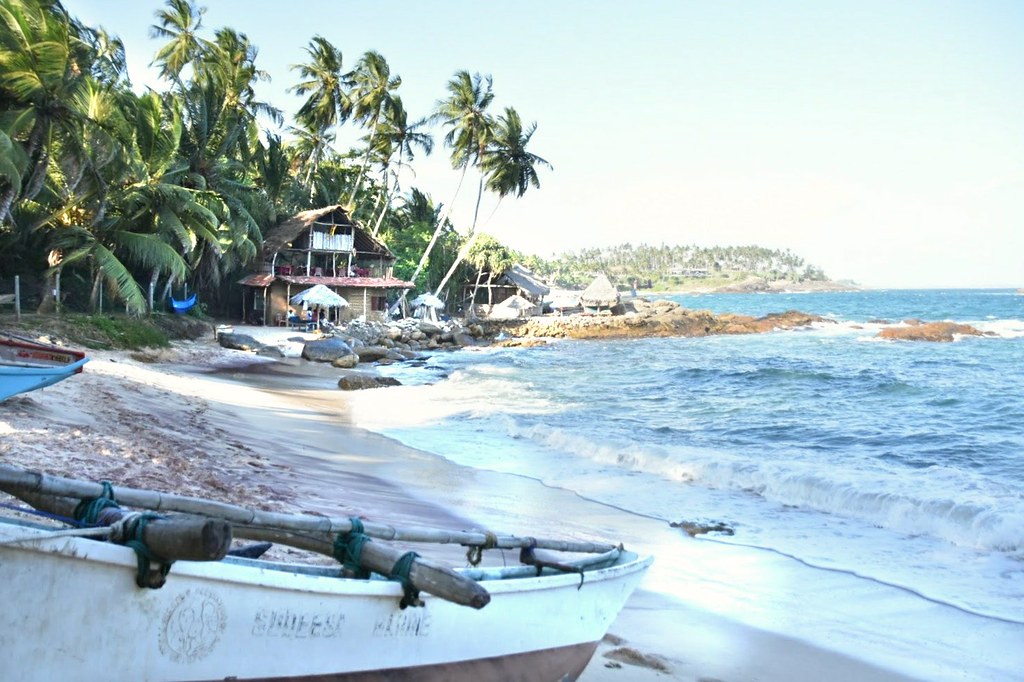
Sri Lanka’s Remote Work Visa dropped its income requirement from $2,000 a month to just $1,500, effective January 15, 2026, and stretched its maximum validity from one year up to five. Five years on a single visa beats what you’ll currently get out of Thailand or Malaysia.
Bring a spouse or kids under 18 and they’re included without extra income proof — try getting that from Portugal or Spain for free. The cost of living backs up the pitch too: a one-bedroom in Colombo or Galle runs $400 to $700 a month, with total monthly expenses (rent, food, coworking, transport) landing somewhere between $900 and $1,400. Stay under 183 days in a given year and your foreign-earned income isn’t taxed there at all.
The real math nobody’s doing
Here’s the part that gets skipped in most comparisons: Portugal’s other big draw is gone too. The NHR tax break that used to hand American expats a flat 20% rate closed to new applicants back in January 2025, and a lot of the advice still circulating hasn’t caught up.
None of this makes Portugal a bad choice — it’s still gorgeous, and plenty of people will make it work regardless of the math. But if the visa itself, not the country’s charm, is what’s actually driving your decision, Bulgaria and Sri Lanka are doing more with less right now. Which one would actually fit your life better: cheap Schengen access, or five years in South Asia for a fraction of the income requirement?
