Everyone says Mexico is the easy place to move. Its residency visa now wants about $4,400 a month.
Mexico is the move-abroad answer Americans reach for first: close, familiar, and easy to picture yourself in. The residency paperwork has stopped matching that picture. Under the 2026 figures, a single applicant who wants the temporary resident card needs roughly $4,400 a month in income, or roughly $74,000 sitting in the bank.
That’s a stiff entry ticket for a country people treat like a budget escape hatch. So who is the visa actually built for?
Before you keep reading: if “moving abroad” has been a someday thought, I turned everything I wish I’d known into one guide. Visas, jobs, country picks — check it out.
What Mexico actually asks for now
In July 2025, Mexico switched its residency thresholds from minimum-wage math to a measure called the UMA, set at 117.31 pesos a day for 2026. According to Mexperience’s 2026 breakdown, the temporary resident card now calls for about US$4,400 a month in income over the last six months, though some consulates ask for twelve. The savings route is about US$74,000, held for a full twelve months.
Those dollar figures assume 18 pesos to the dollar, so the number you’re quoted will wobble with the exchange rate. The same source says consulates land within roughly 5% to 10% of those figures, which means your local office sets the real bar. Call or email before you start collecting bank statements (yes, really).
Government fees doubled on January 1, 2026 too. One 2026 residency guide, from Expat Insurance, puts a one-year card at about US$600 and a four-year card at about US$1,370.

The permanent route has a trap for remote workers
Permanent residency sounds like the obvious prize, and the numbers are bigger: roughly $7,300 to $7,400 a month in income, or roughly $294,000 to $298,000 in savings, depending on the source. Here’s the part the “just get permanent residency” crowd skips. Per the Expat Insurance guide, since July 2025 only retirees and pensioners can apply directly from abroad on financial grounds.
Remote workers and freelancers have to complete four years of temporary residency first. My plainly stated take: if you earn your money online, treat the temporary card as the real goal and permanent status as a destination you reach in year four, not a shortcut you buy on day one.
Who this actually fits
If you’re a remote worker with steady, documentable pay near that $4,400 mark, this is a workable path with no job offer needed. If you’ve got a lump sum you can park for twelve straight months, the savings route does the same job. The common thread? Paper proof, held for months, not a good feeling about your freelance pipeline.
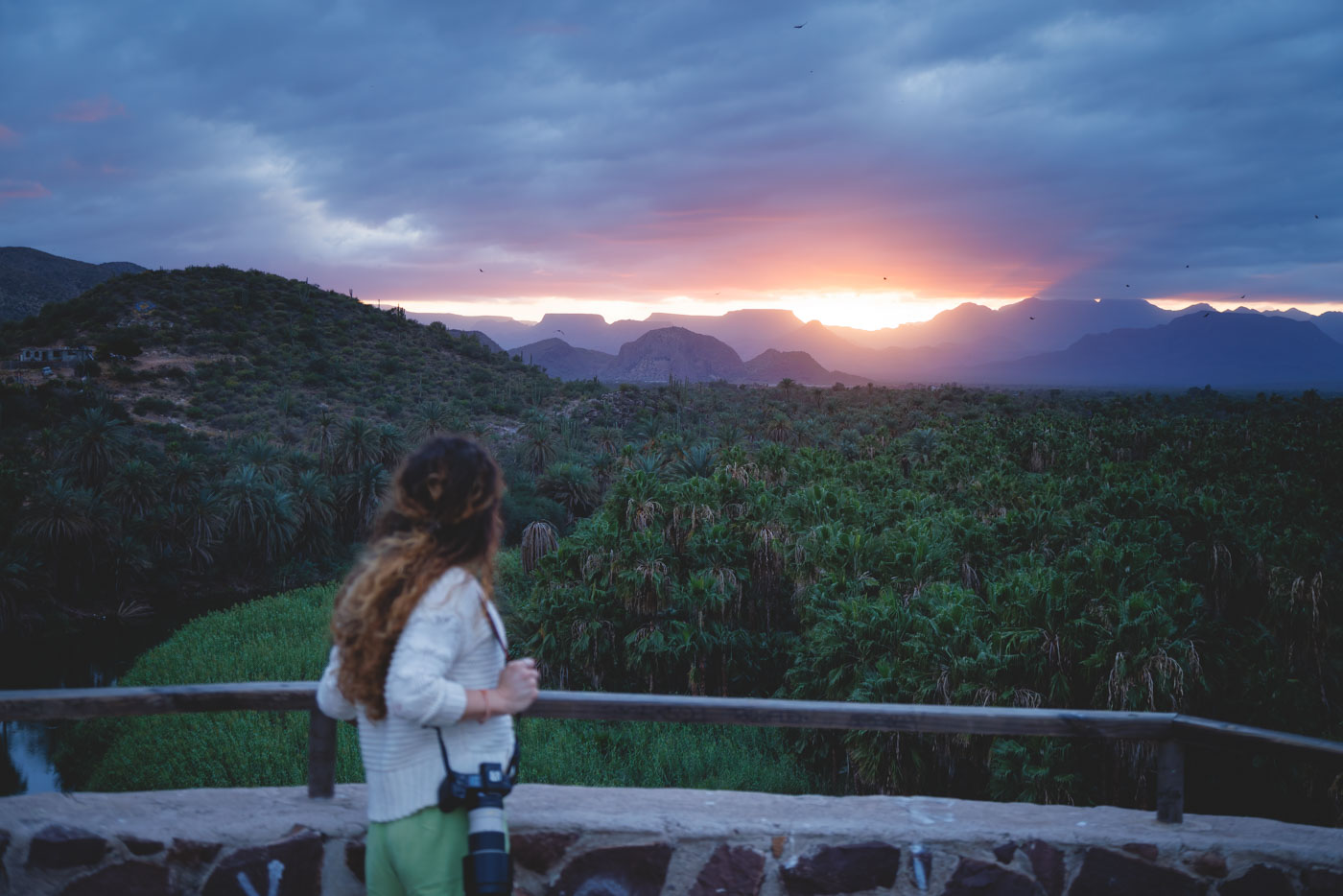
If you’re scouting before you commit, my three-day Mexico City itinerary is a low-stakes way to test the vibe. Just don’t confuse a great weekend with a residency strategy.
The honest bottom line
Mexico is still a great place to land, and the wording “easy” just got a lot more expensive. The smart move is to price the residency before you price the apartment. Would your income clear the bar today, or would you need a plan B first?
If Mexico has you curious, my Mexico guides have more.
