
Europe just killed passport stamps — and the oldest Schengen trick along with it
For years, the move was simple: hit day 89 in the Schengen zone, hop across to London or Tirana for a coffee, and come back with a fresh 90-day clock. It worked because a human with a rubber stamp is easy to fool. A biometric database is not.
That’s the real story behind the EU’s Entry/Exit System (EES), which became fully operational on April 10, 2026 after a six-month phased rollout. It’s not just a new gate to walk through — it’s the end of the border-bounce trick that a huge chunk of long-stay travelers, digital nomads included, have quietly relied on for a decade.

What actually changed at the border
EES replaces the old ink-and-passport system with fingerprints and a facial scan, taken once and matched every time you cross. Every entry and exit into the Schengen area gets logged automatically, and the system calculates your remaining days in real time.
Passport stamps are gone for short-stay travelers at crossings running the full system. No more squinting at faded ink trying to remember if you left on day 87 or day 91 — the database already knows, down to the hour. (Yes, really. Down to the hour.)
The trick that just stopped working
Here’s the part that should actually worry frequent Schengen flyers: EES treats the entire Schengen area as one zone, not a patchwork of separate countries. Flying from Portugal to Croatia doesn’t reset anything, because you never left the system’s jurisdiction in the first place.
Exiting to a non-Schengen country and popping back in used to buy you a clean slate. Under EES, it just buys you a very precisely logged trip. The system had already flagged more than 4,000 overstayers within its first few months of partial rollout, according to figures a European Commission official presented to EU lawmakers in February 2026 — and that was before it was even running everywhere.
Who’s actually exempt
If you’re living somewhere on an actual long-stay visa or residence permit, none of this changes your situation. Spain and Portugal’s digital nomad visas, for example, aren’t subject to the 90-day short-stay cap, and EES is built to recognize a valid permit rather than flag it.
That’s a meaningful distinction, and it’s one reason moving to Portugal on an actual visa keeps looking better than gambling on tourist-stay math every few months. You’ll likely still deal with longer lines at the border in the meantime, since the system is still working out its kinks — more on that below.
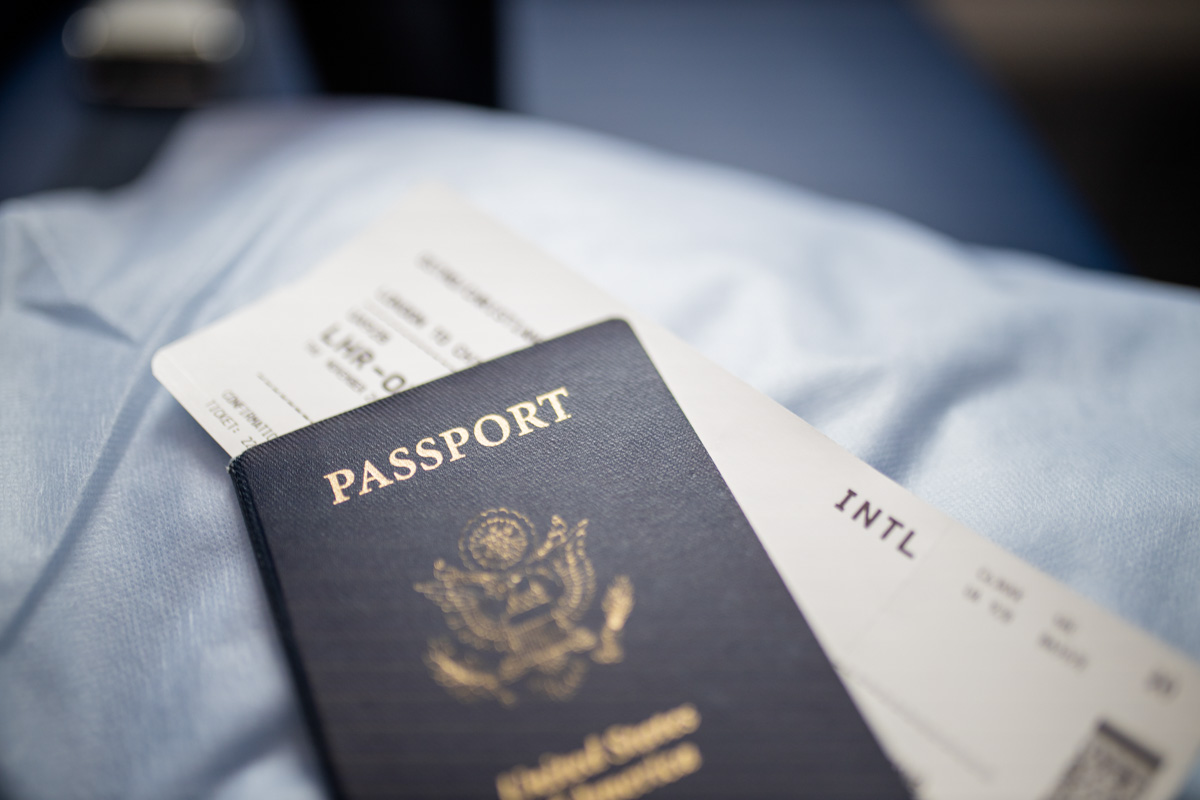
The airports are not handling it gracefully
Rolling out a biometric system across dozens of countries at once was never going to be seamless, and it hasn’t been. Paris Charles de Gaulle has dealt with delays tied to faulty kiosks, software hiccups, and understaffing, and Lisbon’s airport briefly reverted to manual stamping when biometric lines backed up too far to manage.
Some operators have warned that processing times could run as much as 70% longer at affected crossings, with travelers reporting waits up to three hours at peak periods. If you’re connecting through a major EU hub any time soon, building in extra buffer isn’t paranoia — it’s just math.
What actually happens if you get flagged
Overstaying isn’t an automatic disaster, but EES makes it a lot harder to talk your way around. Fines vary by country (France, for instance, cites a flat €198), and a flagged overstay can complicate future visa applications well after the fact.
In more serious or repeat cases, authorities can issue removal orders or entry bans, though officials describe that outcome as rare rather than standard. The bigger risk isn’t the fine — it’s that the system quietly removed the plausible deniability people used to lean on.
What to do instead
The easiest fix is also the most boring one: know your actual Schengen math before you fly, not after. Free 90/180 calculators exist for exactly this reason, and treating them as gospel matters more now than it used to, since there’s no border agent left to make a judgment call in your favor.
If you’re planning to spend real time in Europe rather than squeezing out every legal day, a proper visa is worth a second look — the math has genuinely shifted. Are you actually tracking your Schengen days right now, or just hoping it works out like it always has?
