
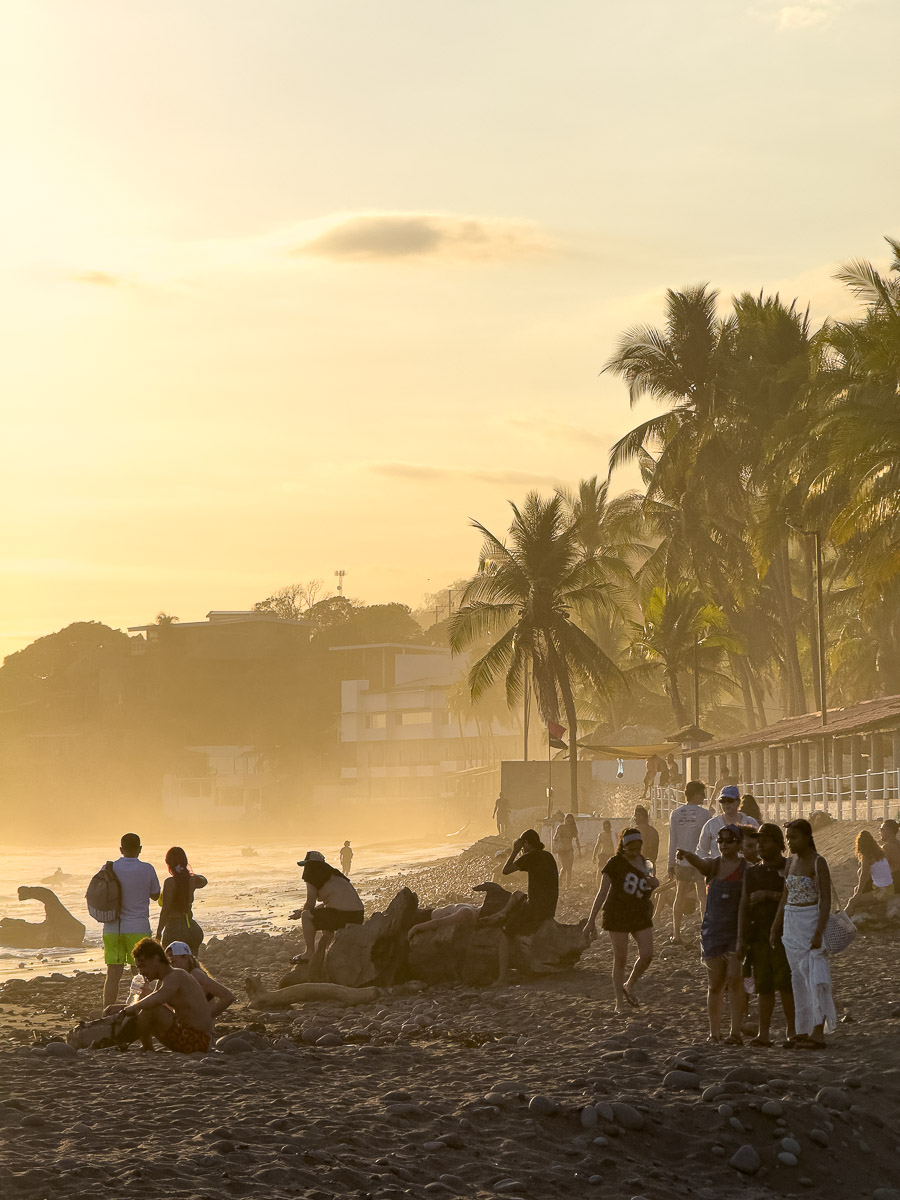
El Salvador’s buses cost under $1. My 10-day solo trip still spent $325 just getting around — here’s why.
El Salvador gets pitched as one of the cheapest trips in Central America, and on paper, that reputation holds up. Pupusas cost less than a dollar. Chicken buses charge you pocket change to cross entire regions. So when my 10-day solo trip landed at $1,243, I wasn’t surprised by the number — I was surprised by what actually drove it up.
It wasn’t my hotel. It wasn’t the volcano hike or the beach days. The single biggest reason my budget crept past the shoestring version wasn’t really about El Salvador being expensive at all — it was a gap in the country’s transportation options that catches a lot of solo travelers off guard.
The full number: $1,243 for 10 days, completely solo
Here’s the honest breakdown, no rounding: accommodation ran $545, transportation came to $325, food and drinks totaled $238, and activities landed at $135. That’s about $125 a day, on average, for a solo trip through some of the country’s most-visited spots.
I didn’t travel like a backpacker. I stayed in private rooms with air conditioning and an attached bathroom the entire trip, skipped hostels and shared dorms, and picked convenient locations over cheap ones. If comfort matters to you as much as it does to me, this is roughly what it costs.
Could you spend less? Considerably less, actually. Split lodging with a travel partner, sleep in hostels, and lean harder on public transit, and you could probably cut this number by a third or more without missing much.
Why transportation ate almost as much as my hotel bill
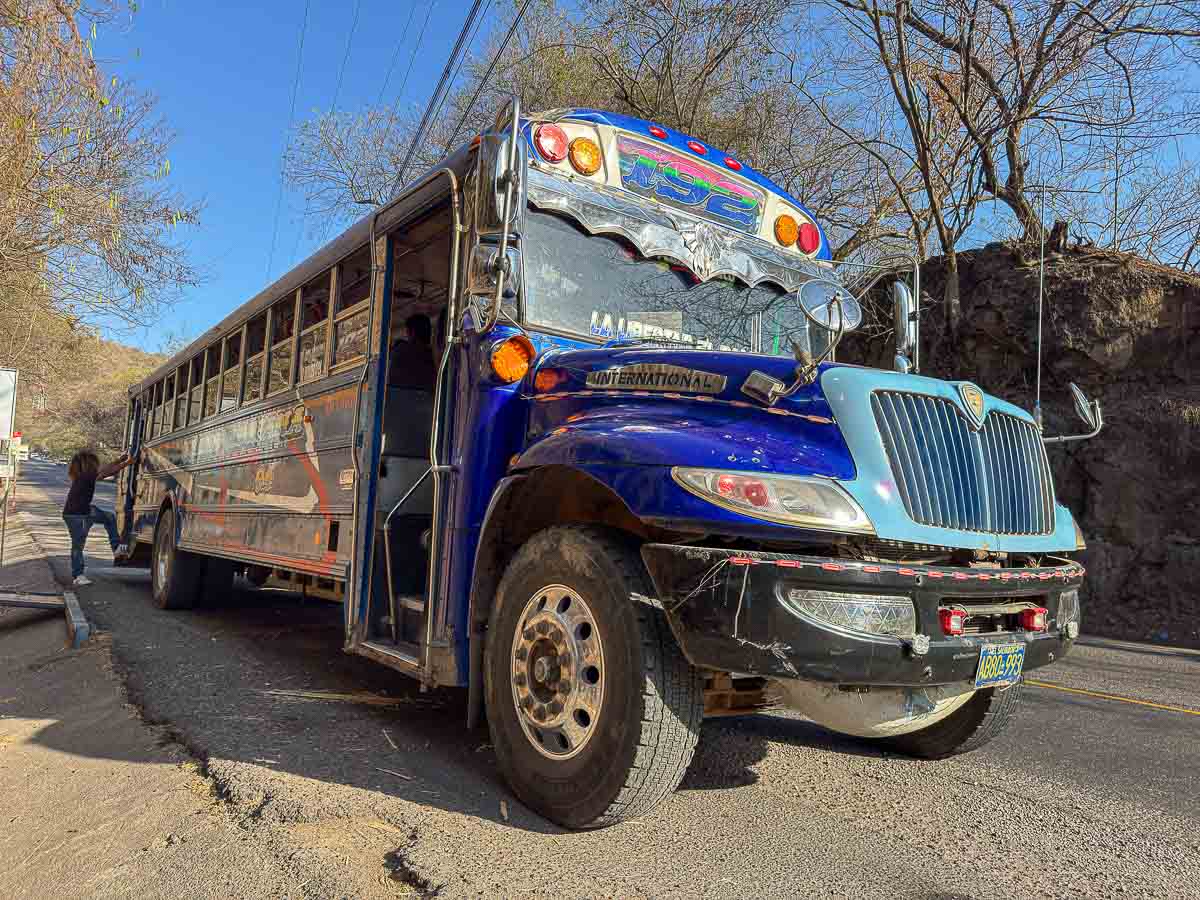
This is the part that actually surprised me. Chicken buses — the old American school buses repurposed as El Salvador’s public transit — cost under a dollar between most stops. I once handed a driver too much change by mistake, and he handed it right back without me even asking. That’s not the expensive part of this country.
The expensive part is what happens between the chicken bus and everything else. There’s no real middle option — no shared shuttle, no mid-tier van service, nothing bridging the gap between a dollar bus ride and a private tourist shuttle that costs many times more. I ended up booking private shuttles for most of my longer travel days, partly to save time and partly because I got sick one day and didn’t want to gamble on public transit.
That single choice is most of why transportation landed at $325 instead of a fraction of that. Honestly, that’s the real budgeting lesson from El Salvador, not the dollar pupusas. El Salvador’s international airport sits in Comalapa, about an hour from San Salvador and about an hour from the coast — arranging an airport taxi in advance saves you the on-arrival scramble, and it’s what I used to get to the coast without dealing with rideshare uncertainty.
The money quirks nobody mentions: coins, cards, and a Bitcoin beach
El Salvador officially runs on the US dollar, so there’s no exchange rate math to do before you land. The one thing that catches people off guard is how often that dollar shows up as a coin instead of a bill — get used to handfuls of $1 coins as everyday change, because that’s standard here, not a scam.
Cards work more places than you’d expect for a Central American country, especially in tourist-facing restaurants and shops, and I rarely ran into the surcharges that pop up elsewhere in the region. Still, carry cash for chicken buses and smaller local spots that don’t take plastic.
Then there’s the Bitcoin thing. El Salvador became the first country in the world to make Bitcoin legal tender, though the mandatory-acceptance law behind that got rolled back in 2025. You’ll still find it accepted at spots around El Zonte, nicknamed Bitcoin Beach, but don’t plan a trip around it — USD is still the safe bet everywhere else.
Was it worth doing the comfortable way?
For $1,243, I got air conditioning every night, a private bathroom, faster transport on the days that mattered, and zero regrets about how I spent the money. I also felt genuinely at ease traveling solo as a woman, which matters more to my budget decisions than people probably assume — comfort and safety usually cost something, and I was happy to pay for both.
If you want the shoestring version, it exists, and it’s a very different number. Ride the chicken buses, split a room, eat where the locals eat, and you’ll spend a fraction of what I did. Towns along the Ruta de las Flores, like Ataco and Apaneca, make that version especially easy since everything sits close together and cheap.
Either way you do it, the country isn’t the expensive part. The decisions you make between towns are.
So which version would you actually take — the shoestring trip, or the one where you just pay for the shuttle and move on with your day?
