El Salvador had the world’s highest murder rate a decade ago. The US just gave it its lowest-risk travel rating.
In 2015, El Salvador had the highest homicide rate of any country on the planet — worse than Honduras, worse than pretty much anywhere else being tracked that year. A decade later, the US State Department quietly filed it under Level 1: Exercise Normal Precautions, the same rating it hands out across huge swaths of Western Europe. That’s not a typo, and it’s not Salvadoran government spin. The numbers behind it genuinely stunned analysts who’d been watching the region for years.
The number that made this the deadliest country on Earth
El Salvador’s homicide rate hit somewhere around 103 to 106 per 100,000 people in 2015, depending on whose year-end count you trust. A rate above 10 per 100,000 is generally treated as a public health crisis. San Salvador didn’t just have a rough year — international outlets flatly called it the murder capital of the world, a title it had just taken from Colombia.
Ten years later, the number nearly disappeared
By 2025, El Salvador’s government reported just 82 homicides for the entire year — a rate of about 1.3 per 100,000, down from 1.9 the year before. Go ahead and reread that: eighty-two, in a country of about six million people. Officials wasted no time calling it the safest nation in the Western Hemisphere, and for once, the underlying math actually backs up the bragging.
The State Department made it official
In April 2025, the US State Department moved El Salvador to Level 1: Exercise Normal Precautions — the lowest of its four travel risk tiers, and the same category assigned to countries most Americans wouldn’t think twice about booking. That’s a genuine downgrade in official risk classification, not a marketing line. Tell a backpacker this back in 2016 and they’d have laughed you out of the hostel.
What the safety rating doesn’t say out loud
Here’s the part worth sitting with: this drop in violence traces directly back to a State of Exception the government declared in March 2022, which suspended normal due-process protections and let authorities detain people on suspicion of gang ties alone. Nearly 91,000 people have been arrested under it, and roughly 8,000 were later released after reviews found no gang involvement at all. Human rights groups have documented arbitrary arrests, mistreatment in detention, and, in some cases, deaths in custody.
Even the State Department’s own advisory acknowledges that several US and other foreign citizens are still sitting in Salvadoran prisons without having faced trial. So no, this isn’t a clean good-news story. It’s a genuinely safer country to walk around in, built partly on a justice system most Americans would find alarming if it were happening at home.
Normal precautions still means precautions
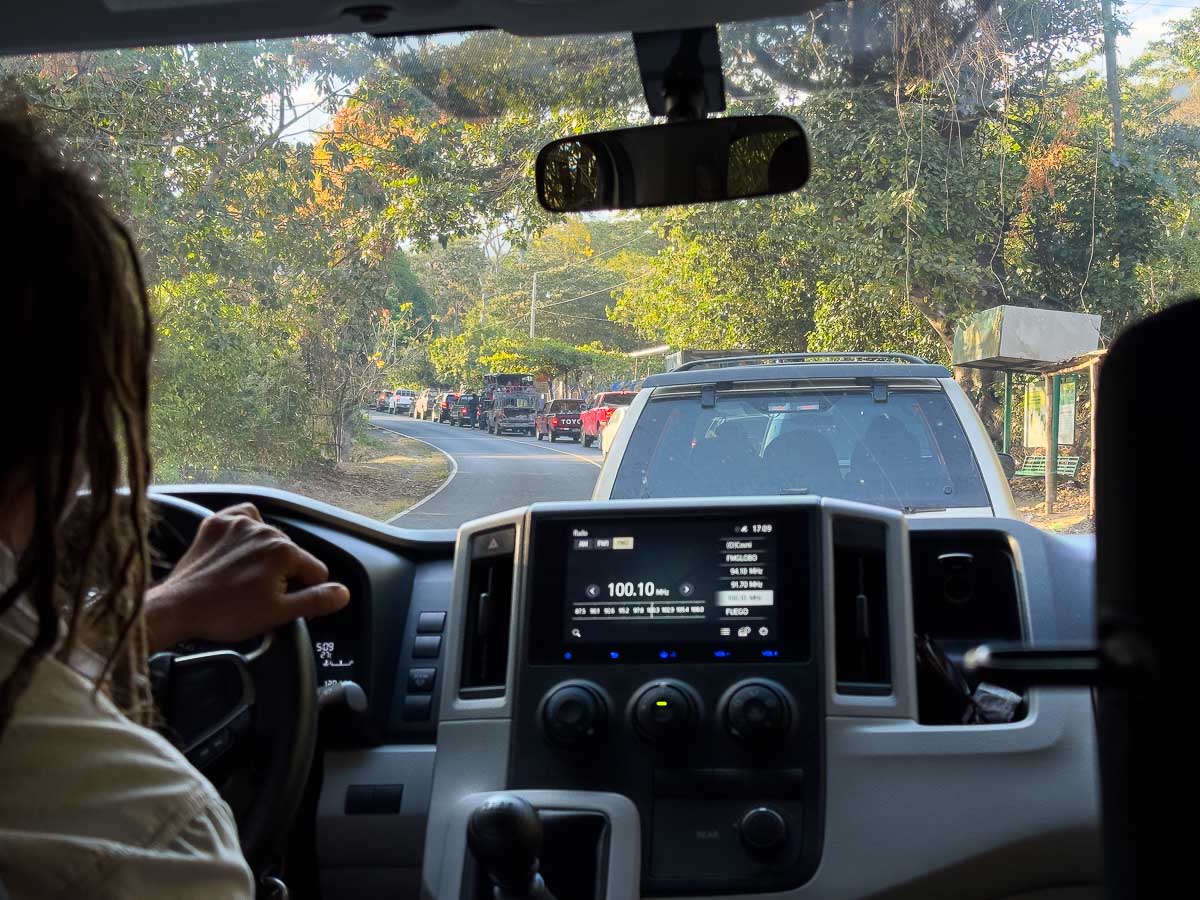
Level 1 doesn’t mean El Salvador turned into a resort with zero rules. The State Department’s own guidance is straightforward: stick to major roads, don’t flash expensive gear, travel in pairs on rural routes, and use caution around ATMs. None of that reads any different than advice you’d get for plenty of other Level 1 countries — it’s baseline travel sense, not a red flag.
What it’s actually like if you go
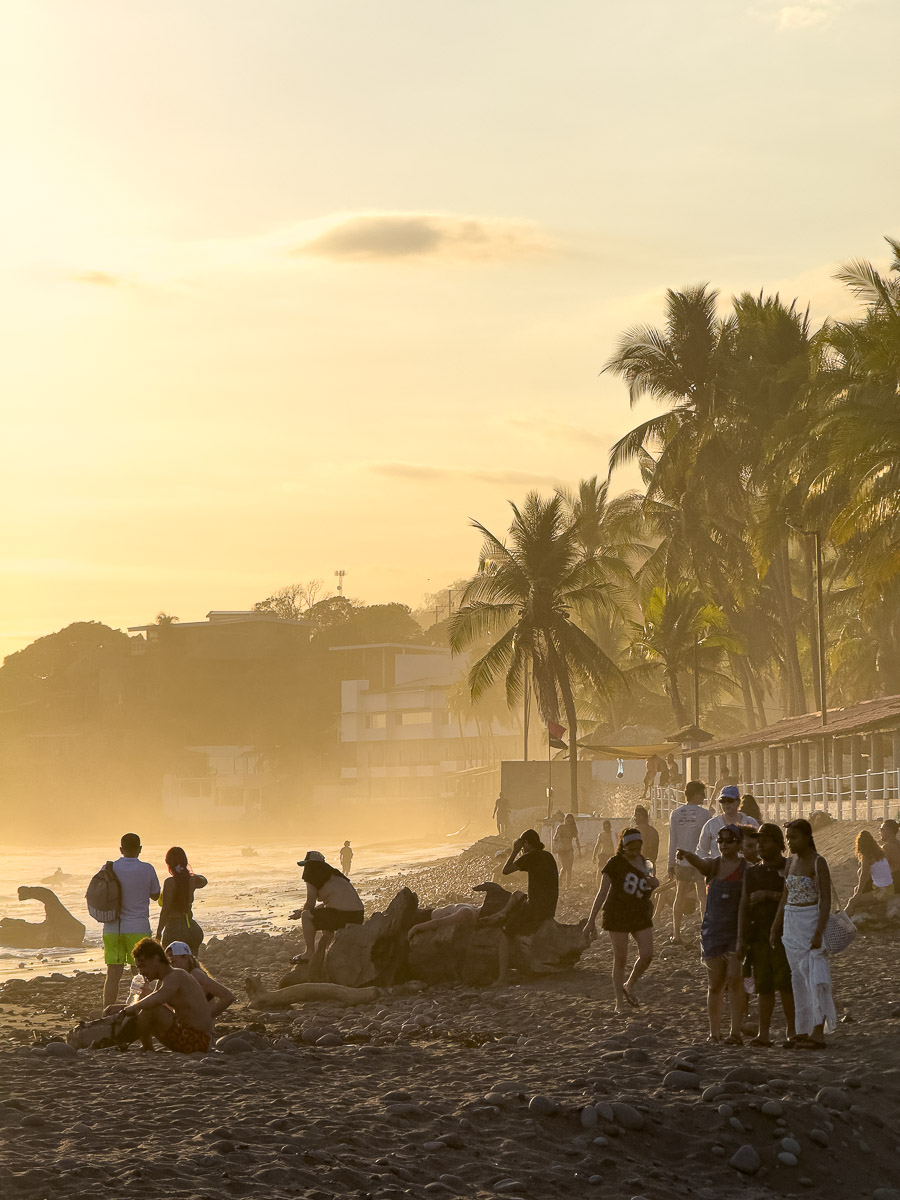
I spent time recently on El Salvador’s Ruta de las Flores and along its Pacific coast, and the gap between the country’s old reputation and what’s actually happening on the ground is honestly jarring. Tuk-tuks run through town squares, murals cover walls that used to mark gang territory, and nobody so much as glanced twice at a solo traveler wandering around with a camera. If you’re weighing an actual trip, my rundown of what to know before you go covers the details that matter more than the crime stats — money, transport, and where to base yourself.
Whether a rating from Washington is what finally gets you on a plane is a fair question, and only you can answer it. But the country that scared off an entire generation of travelers ten years ago isn’t the country sitting there now. So what’s actually keeping you away — the old headlines, or the new numbers?
