
Common Travel Photography Mistakes and How the Right Travel Camera Helps
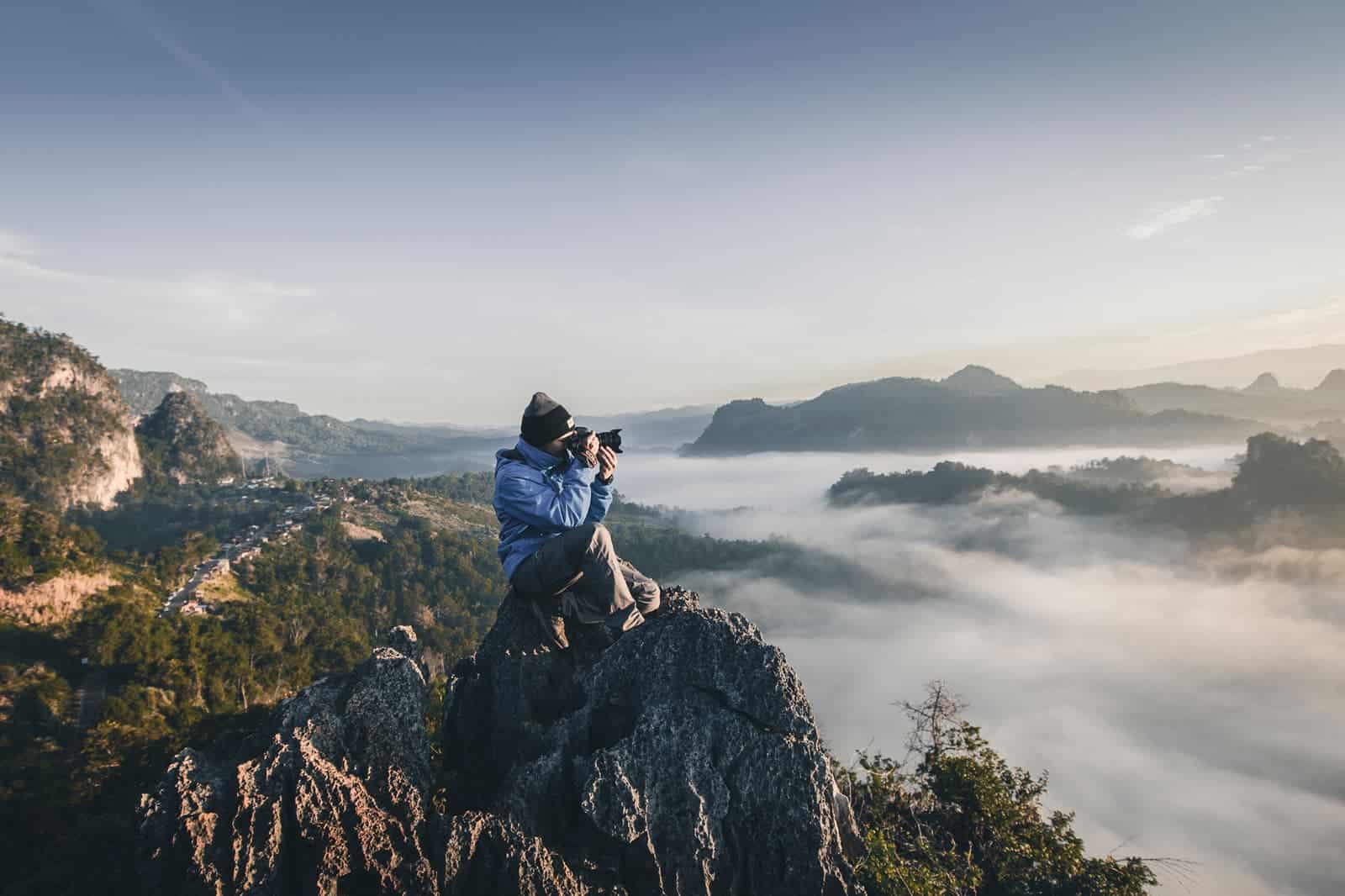
After months of planning and rescheduling, you finally arrive at your much-awaited holiday destination. The sun is shining brightly over a lush mountain range.
The markets are buzzing with locals and tourists, and every corner seems worthy of your attention. Excited to capture everything, you click away, convinced you have captured the real essence of the place.
Then you get back to your hotel. Your excitement turns into disappointment. Most images are blurry, while others are poorly lit. You missed out on some incredible moments because your camera was not fast enough.
Great, now what?!
Why Many Tourists Face Travel Photography Blunders
Good travel pictures are not just about being in the right place at the right time. It’s also about having the right tools, like travel cameras.
Travel photography goes wrong for many reasons: relying on auto mode, not using a tripod, frequent lighting changes, or subjects moving quickly. The good thing is that most of these issues are preventable. Here are the most common mistakes people make that you shouldn’t.
RELATED: 7 Steps on How to Become a Travel Videographer + Tips
Missing “the Moment”
Some of the best travel moments occur in seconds. It could be a dolphin jumping from the water, a street performer striking a famous pose, or a local kid sharing a pleasant moment with their pet. Slow camera response times can cause you to miss these fleeting moments and leave you with blurry or “touristy” pictures.
How Travel Cameras Help
Modern travel cameras feature advanced capabilities, including the following:
- Continuous shooting modes
- Fast autofocus systems
- Accurate subject tracking
- Quick shutter response
- Instant capture buttons
- Zone focusing
You can customize the settings and act quickly on unique moments before they disappear.
Relying Too Much On Digital Zoom
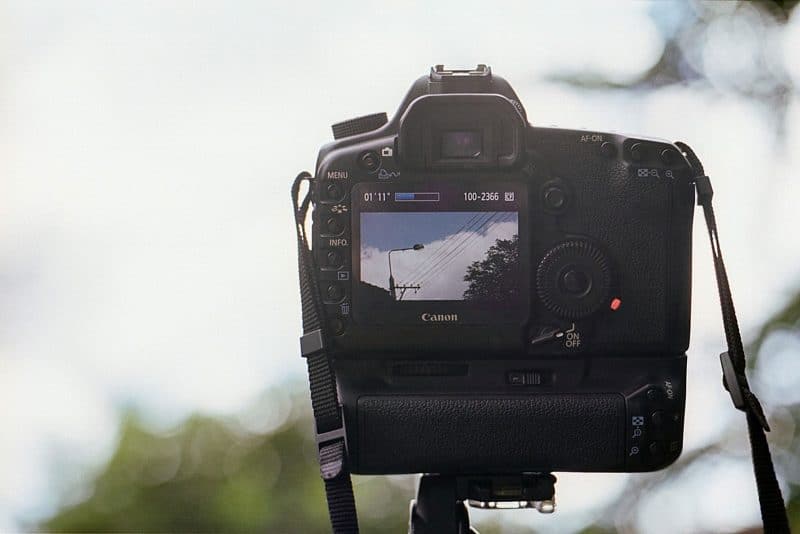
Whether you are hiking Santa María Volcano or exploring the local markets of Hanoi, you want to capture your journey in the best resolution. But one mistake most travelers make is relying heavily on digital zoom. Digital zooming crops and enlarges a portion of your photo. It increases hand movement and permanently damages your photo with pixilation.
How Travel Cameras Help
Travel cameras typically come with high-resolution sensors, better image processing, and powerful optical zoom with a dedicated telephoto lens. You can adjust the lens, bring the object closer, and capture it without sacrificing its clarity and detail.
Ignoring Low-Light Conditions
While most travelers enjoy exploring cities at night or visiting attractions during sunset or sunrise, low light ruins the ambiance of a travel photo. To compensate for dimly lit places, some photographers rely on auto-ISO. This creates excessive image noise (grain), which becomes difficult to fix in post-processing. They cut through the noise and capture sharper and more detailed photos, even in low-light conditions.
How Travel Cameras Help
Photography enthusiasts shoot some of the most iconic travel scenes after sunset. Modern travel cameras include several unique mechanisms that give you sharp images even in the dark.
- Larger sensors (Micro Four Thirds, APS-C, or full-frame)
- Fast apertures (f/1.8 or f/2.8) to physically open the lens wider
- In-body image stabilization (IBIS)
- Built-in multi-frame stacking algorithms
Overexposed Skies and Dark Shadows
Most cameras possess a limited dynamic range, leaving the image looking unnatural and unbalanced. When you take pictures of a bright object and a shaded subject simultaneously, the difference in brightness can affect the sensor’s capability.
How Travel Cameras Help
Great travel cameras use advanced features to overcome dynamic range limitations. Features like RAW format, exposure bracketing (AEB), high dynamic range (HDR), physical filters, and histograms help balance the picture and preserve detail throughout the image.
RELATED: 14 Essential Travel Blogger Accessories & Equipment
Overcome Photography Mistakes With the Right Travel Camera
Just because you are at a beautiful location doesn’t guarantee you’ll take beautiful pictures. You should focus on avoiding these photography mistakes and choosing cameras that guarantee speed, image quality, and battery durability. Only then can you click pictures that preserve experiences, emotions, and stories from places you explored and show how those moments felt.
