
Austria hands Americans a real ski-season work visa — but only 100 people a year get one
Every winter, someone posts a video of themselves ripping down a groomer between espresso shifts at a mountain café, and thousands of Americans quietly start Googling how to make that happen. Here’s the part that video skips: getting hired doesn’t make it legal. Most of the Alps will not let an American take that job, no matter how badly a resort needs the staff.
Austria actually built a real program — and then capped it hard
In February 2024, Austria and the US launched a genuine working holiday visa, officially the “Professional Development and Cultural Exchange” program. It lets Americans live and work in Austria for up to 12 months, with no extension possible.
The catch, because there’s always one: you have to have graduated from a US degree, diploma, or certificate program within the past 12 months. Miss that window and you’re not eligible, no matter how good your resume looks.
Even qualified applicants are competing for one of the smallest allocations in Europe — Austria only issues 100 of these visas to Americans per year, for an entire country full of ski towns. Worth applying anyway? If Austria’s genuinely the place you want, yes — just don’t wait until October to start the paperwork.
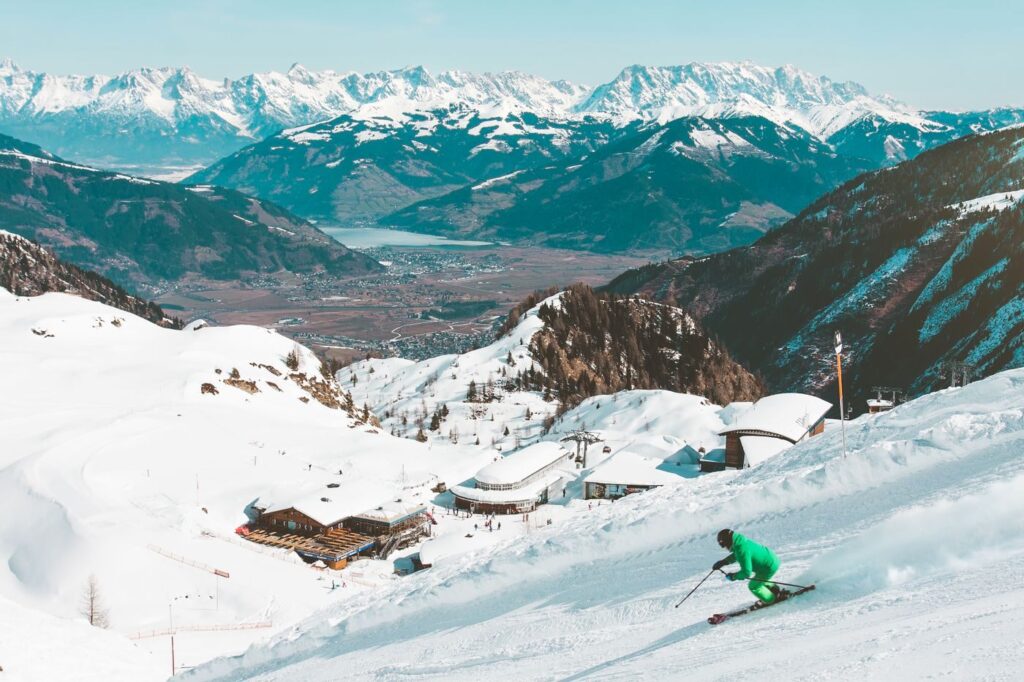
Switzerland says yes too, but it’s not the freewheeling season you’re picturing
Switzerland is one of the few non-EU countries with a reciprocal work-and-travel agreement that actually includes American citizens, alongside Australia, Canada, Japan, and a short list of others. The visa runs 18 months and can’t be extended.
Here’s what trips people up: Switzerland’s version isn’t built for resort-hopping. It’s structured as a trainee exchange, and applicants are generally expected to stay with a single employer for the whole stay, not bounce between three chalets in one winter.
So it’s less “work a season, then wander to the next valley” and more a structured placement that happens to be on a mountain. Still a real, legal path in — and one most Americans planning a ski season have never even heard of.
Psst — thinking about actually doing this? I put everything I know about leaving the U.S. for good into one no-fluff guide: visas, jobs, country picks, the works — grab it here.
France, Italy, and basically everywhere else: normal work visa or nothing
Outside Austria and Switzerland, there’s no seasonal carve-out waiting for Americans. A US passport gets you 90 days in the Schengen Area as a tourist, and working while on that clock, even informally, even for cash at a chalet, isn’t covered.
That leaves the standard route: an employer willing to sponsor a full work visa, which is a heavier lift for a four-month ski season than most resorts want to take on. Skiing doesn’t buy you a shortcut around the same bureaucracy as any other job abroad.
It’s the gap between forum advice from a decade ago and how tightly this actually gets enforced now. If a legitimately legal ski season abroad is the goal, Austria and Switzerland are the real answer — and they’re not the only jobs that come pre-loaded with a visa. 6 jobs that come with a visa built right in covers a few more.
What you’re actually working toward once you’re in
Major Alpine resorts typically bundle more than an hourly wage into the deal: shared staff housing, meals, and a season lift pass that would otherwise run 500 to 1,500 euros if bought privately, according to seasonal-job site Anywork Anywhere. Entry-level ski instructor pay tends to land around $12 to $18 an hour before those perks are factored in.
With housing and a lift pass covered, a lot of seasonaires still walk away having saved a few thousand euros by spring, per multiple seasonal recruiters. Not life-changing money, but not nothing for a few months at 6,000 feet.
Would I trade a winter of remote work for a winter of early lift lines and shared dorm rooms? Depends on the day, honestly.
If the ski-season fantasy has been sitting in your head, Austria and Switzerland are where to actually start looking — everywhere else, you’re negotiating with an employer’s legal team, not a job board. Which mountain would you pick if the visa weren’t the hard part?
