
5 restaurant habits that give you away as an American in Europe
Your server isn’t ignoring you. Nobody is coming with the check, and in a lot of European restaurants, nobody will unless you ask.
Americans tend to give themselves away at the table long before they open their mouths. The tells are small: a rushed meal, a startled look at the receipt, a request to rearrange half the dish. Here are five habits that quietly flag you as a visitor, and what to do instead.
1. Waiting for the check to show up
Back home, a check landing on your table mid-dessert counts as good service. In much of Europe, bringing it unprompted is seen as rude, almost as if the waiter is pushing you out the door. Meals are built for lingering, not for flipping the table.
So catch your server’s eye and ask for the bill when you’re ready. That’s the whole fix. My take: it’s the best part of eating out in Europe, and once you get used to it, the American rush feels bizarre.
2. Getting ambushed by the coperto
Italy’s coperto is a fixed per-person charge on top of your food and drinks, and it applies to seated diners. At standard restaurants it averages around €2 to €4 per person, while prime spots near landmarks like Venice’s Piazza San Marco or Milan’s Duomo can run €10 to €15. Think of it as the price of the chair.
Restaurants can legally charge it as long as it’s shown on the menu or a price board, so scan before you sit. Rome is the odd one out: the Lazio region banned the charge in 2006, though restaurants there reportedly get around it by relabeling it as a bread or service fee. Sneaky? A little.
3. Assuming the bread is free
In Spain, a basket of bread lands on your table without you asking, which feels like a gift. It isn’t. It’s not complimentary, and you’ll see it on the bill, so ask staff to take it away if you don’t want the charge.
Same table, same lesson: servers are professional but hands-off, and nobody will drift over to ask how your food tastes. That’s a cultural norm, not bad service, and tipping isn’t expected. Need something? Wave someone down, no apology required.
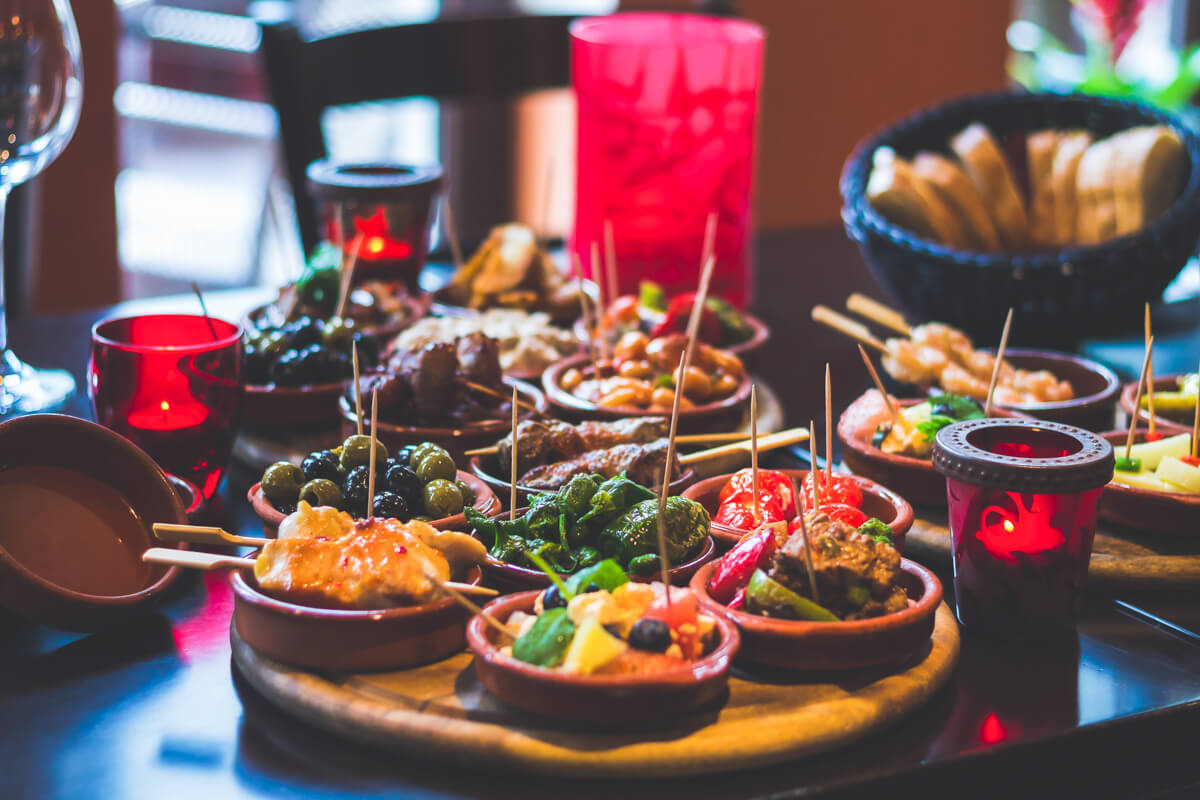
4. Eating dinner at 6 p.m.
Spaniards typically eat lunch at 2 or 3 p.m., and dinner can slide as late as 10 p.m. Most of Europe, by comparison, does midday lunch and a 6 p.m. dinner. In many Spanish places, kitchens close somewhere between 4 and 8 p.m., so the early-bird plan can leave you wandering hungry.
Madrid’s regional president has even urged restaurants in tourist-heavy spots like Plaza Mayor and Gran Vía to offer lunch from midday and dinner from 6 p.m. (officials stressed they weren’t imposing the timetable). Translation: the locals aren’t changing, the tourist strip is adapting to you. Want the real thing? Eat when the Spanish do.
Swapping sides, holding the sauce, or splitting one entrée between two people is routine in the US. In Italy and France, requests to modify a dish can come across as disrespectful to the cook’s craft, and in Italy you should expect each diner to order their own.
So ask yourself: are you ordering what the kitchen does well, or what you’d order at home? Also, “menu” in Europe often means a fixed-price, multi-course meal rather than the list of dishes. Look for terms like “menu du jour” in France or “menú del día” in Spain so you know what you’re actually ordering.
None of this is a rulebook, and nobody’s going to kick you out for asking for the bill with a smile. Which restaurant habit caught you off guard abroad?
If restaurant etiquette has you curious about the rest of the rulebook, my 100+ best travel tips has more.
