5 countries where Americans can own property outright abroad, no trust or shell company required
Buy beachfront property in Mexico as an American, and the title doesn’t actually go in your name. It goes into a fideicomiso, a bank trust that holds it for you while you pay an annual fee to keep the arrangement alive. A lot of people assume that’s just how buying property abroad works everywhere.
It isn’t. In a surprising number of countries, foreigners get the exact same deed a local citizen gets — no trust, no local partner, no company required just to hold a house. Here are five of them, and the one or two catches worth knowing before you start browsing listings.
1. Uruguay
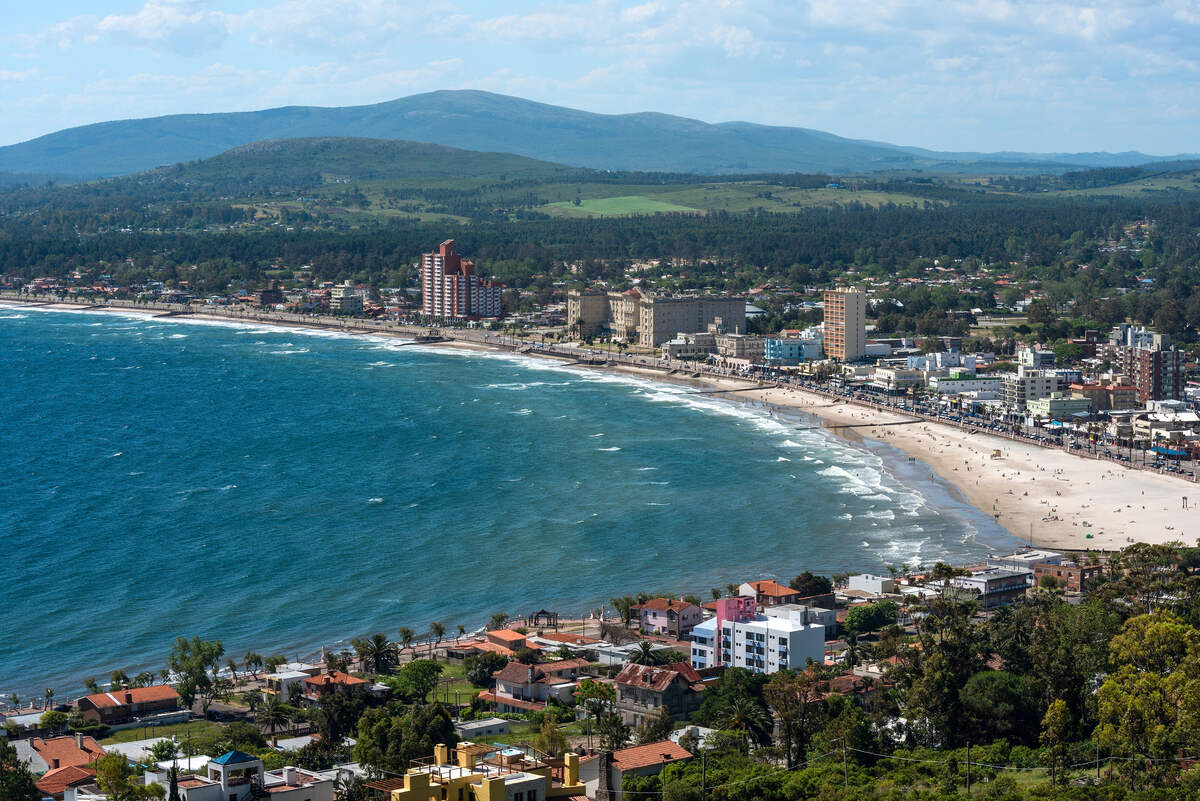
Uruguay hands foreign buyers the exact same property rights as its own citizens, full stop. There’s no minimum investment, no residency requirement, and no approval process based on where your passport is from — you can buy an apartment in Montevideo or a beach house in Punta del Este and hold full freehold title, same as anyone born there.
The one restriction on the books targets foreign governments and sovereign wealth funds buying up large stretches of farmland, not individual buyers. No trust, no shell company, no fine print buried on page twelve — does that sound too easy? It kind of is.
2. Georgia
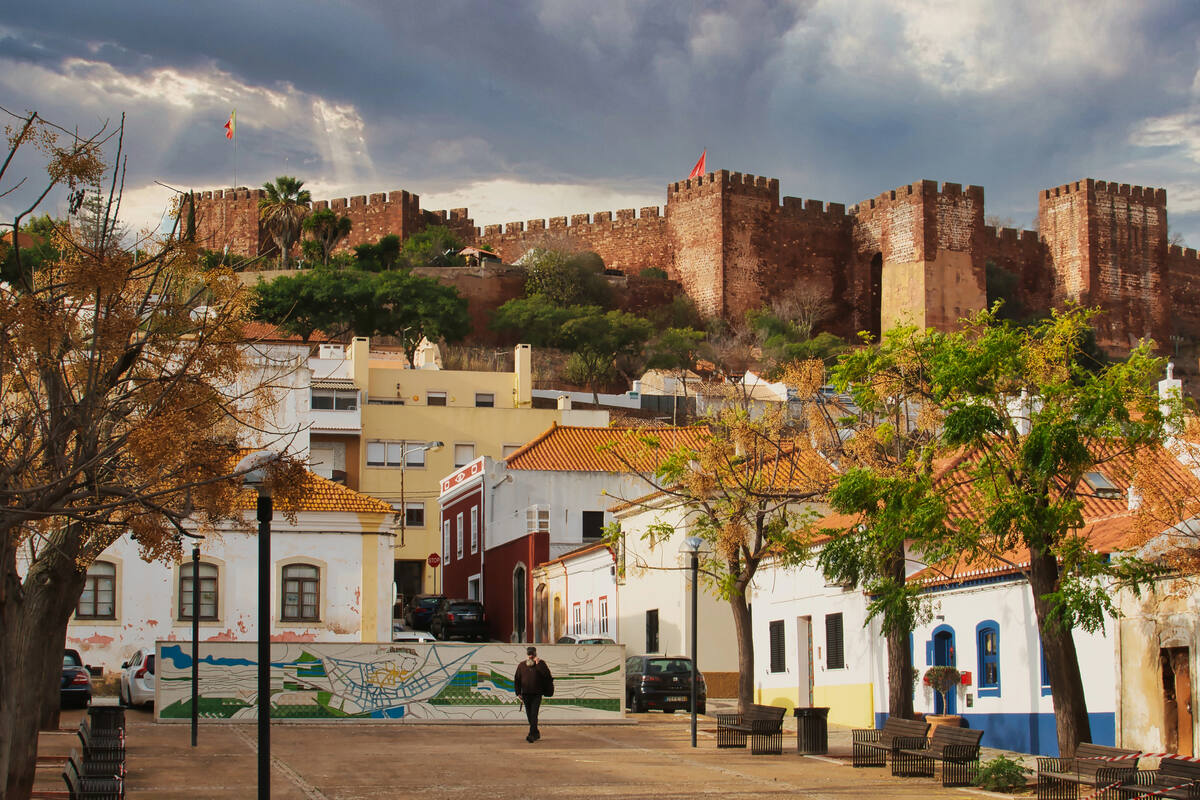
Buy an apartment in Tbilisi or a house outside Batumi, and it’s yours outright, no local partner needed to hold the title for you. Georgia puts zero restrictions on foreigners buying residential or commercial property, which is a big part of why it’s become such a magnet for remote workers chasing an easy landing spot.
The one hard no is agricultural land: the constitution blocks foreigners, and companies with any foreign ownership, from buying farmland directly. Even inheriting a farm comes with a catch — you’re required to sell it to a Georgian citizen within a set window, no exceptions for sentimental value.
3. Portugal
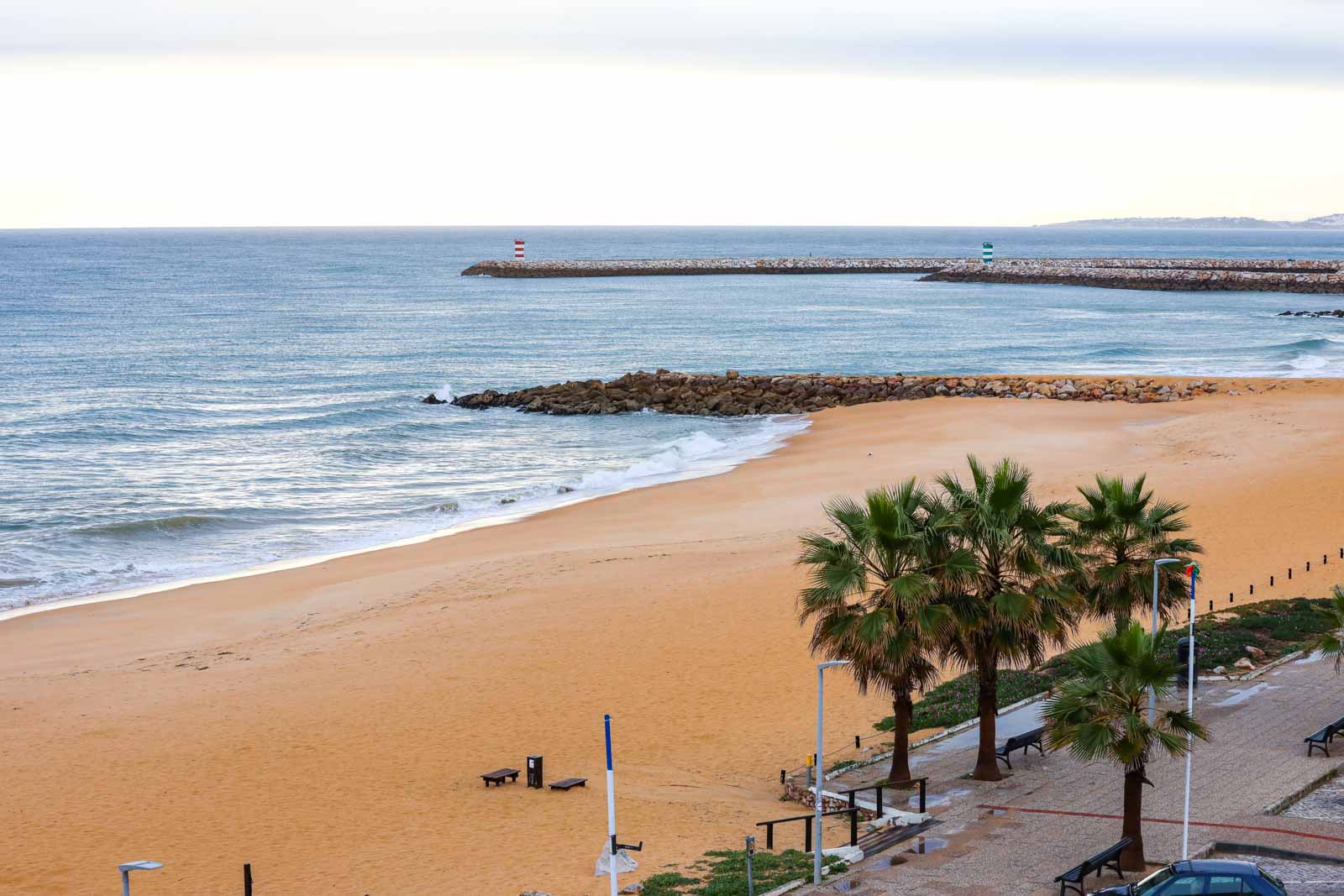
Portugal killed the property path to its golden visa back in 2023, specifically to cool housing costs — and the Algarve’s price numbers three years later tell you exactly how well that worked. That shutdown, though, never touched the basic right to just buy a house.
Non-EU buyers need a NIF (Portugal’s tax ID number) and a fiscal representative to file paperwork on their behalf, but once that’s sorted, ownership is outright and identical to what a Portuguese citizen gets. Two forms and a tax number standing between you and a title deed in southern Europe — not exactly the nightmare people picture. The only real limits sit around a handful of military and protected zones, which is not exactly where most people are house-hunting anyway.
Psst — thinking about actually doing this? I put everything I know about leaving the U.S. for good into one no-fluff guide: visas, jobs, country picks, the works — grab it here.
4. Costa Rica
Costa Rica gives foreigners the same property rights as its own citizens for roughly 95% of the country’s land — full fee-simple title, the kind you can sell, mortgage, or leave to your kids without asking anyone’s permission. The exception lives right on the coast: the first 200 meters from the high-tide line is a maritime zone, where the first 50 meters is public land and the next 150 meters runs on a concession system instead of a deed.
Foreigners can hold a concession, they just can’t be the majority owner of one — unless they’ve lived in Costa Rica for at least five years, at which point that restriction lifts too. In plain terms: don’t buy the literal beach, buy the house behind it, and none of this applies to you.

5. Colombia
Colombia’s constitution puts foreign buyers on equal footing with its own citizens, and that rule covers the overwhelming majority of the country — apartments in Medellín, houses in Cartagena’s old town, all of it. The catch shows up only in border zones, the strip of land within roughly 80 kilometers of Colombia’s land borders, where foreign buyers need sign-off from the Ministry of Defense before a purchase goes through.
Unless a house-hunting trip has you eyeing land near the Venezuelan or Ecuadorian border, that rule will probably never even cross your radar — most buyers never touch it. For everything else, it’s the same paperwork a Colombian buyer would file.

None of this means buying property abroad is as simple as buying a coffee. Taxes, inspections, and a good local lawyer still matter no matter which country’s deed ends up with your name on it. But the myth that every country makes foreigners jump through a trust or a shell company just to hold real estate? That one’s just not true — so which deed are you actually curious about?
