
5 countries besides Italy where a grandparent can be your ticket to an EU passport
Everybody knows about the Italian passport trick. Fewer people realize Italy is just the loudest door in a hallway full of them.
Several EU countries will recognize you as a citizen based on where your grandparent came from, and some of the rules are friendlier than you’d guess. Here are five, and what each one actually asks of you.
Before you keep reading: if “moving abroad” has been a someday thought, I turned everything I wish I’d known into one guide. Visas, jobs, country picks — check it out.
1. Ireland
Ireland is the easy-mode version of this whole game. If your parent was born in Ireland, including Northern Ireland, you’re automatically a citizen. If a grandparent was born there, you may still qualify.
The catch is paperwork, not language or residency. You register your birth in Ireland’s Foreign Births Register before you apply for anything else. Got a surname like Murphy and a vague family legend? Start hunting for that grandparent’s birth record.

2. Poland
Poland’s rule is all about continuity. A parent or grandparent must have lived in Poland after 1920, and that ancestor can never have lost their citizenship. Losing it can happen by holding elected office abroad or serving in a non-Polish army, though serving with Allied forces in World War II is an exception.
So “my grandmother was Polish” isn’t enough on its own. The story has to hold together on paper. If it doesn’t, there’s a separate route called a presidential grant, but it’s a far more complicated one.
3. Portugal
Portugal can open the door if a parent or grandparent was Portuguese. You may need to prove you speak the language, through either an exam or a course from a reputable instructor. Other ties, like frequent visits or owning property, can help your case.
Yes, you might have to actually learn Portuguese. No, that’s not a terrible price for a passport. If you’re weighing Portugal more broadly, my guide on how to move to Portugal as an American covers the other routes.
4. Hungary
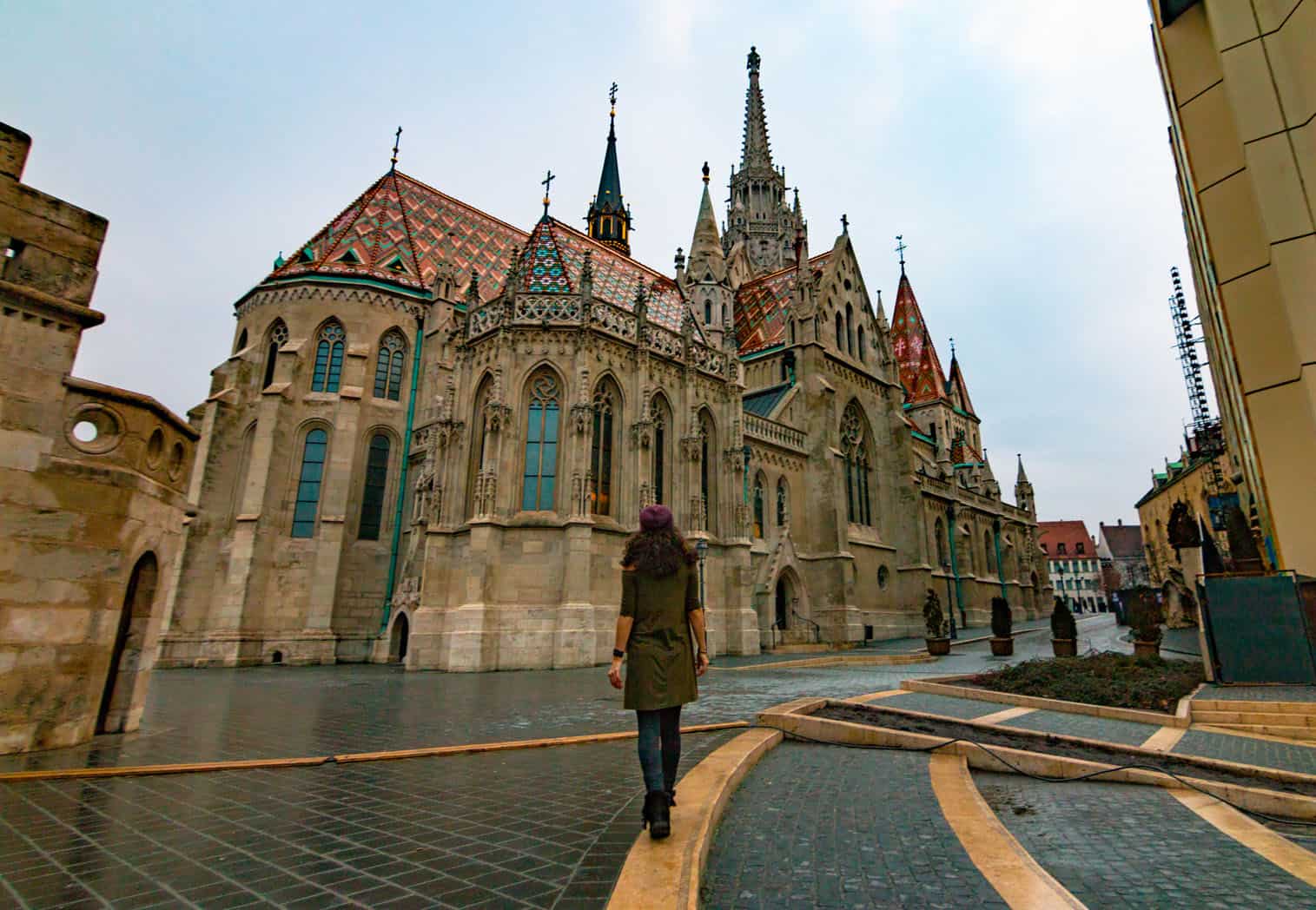
Hungary lets a grandparent qualify, with no cap on how many generations back you can go. The twist is a Hungarian-language interview covering conversation, culture, and the national anthem. This is not a form-and-stamp process.
Citizenship could also have been lost along the way. A grandparent who left before 1929 and spent more than 10 years abroad is one example, and a woman who married a non-Hungarian before October 1, 1957 is another. Think of your family tree as a puzzle where every piece has a date on it.
5. Czech Republic
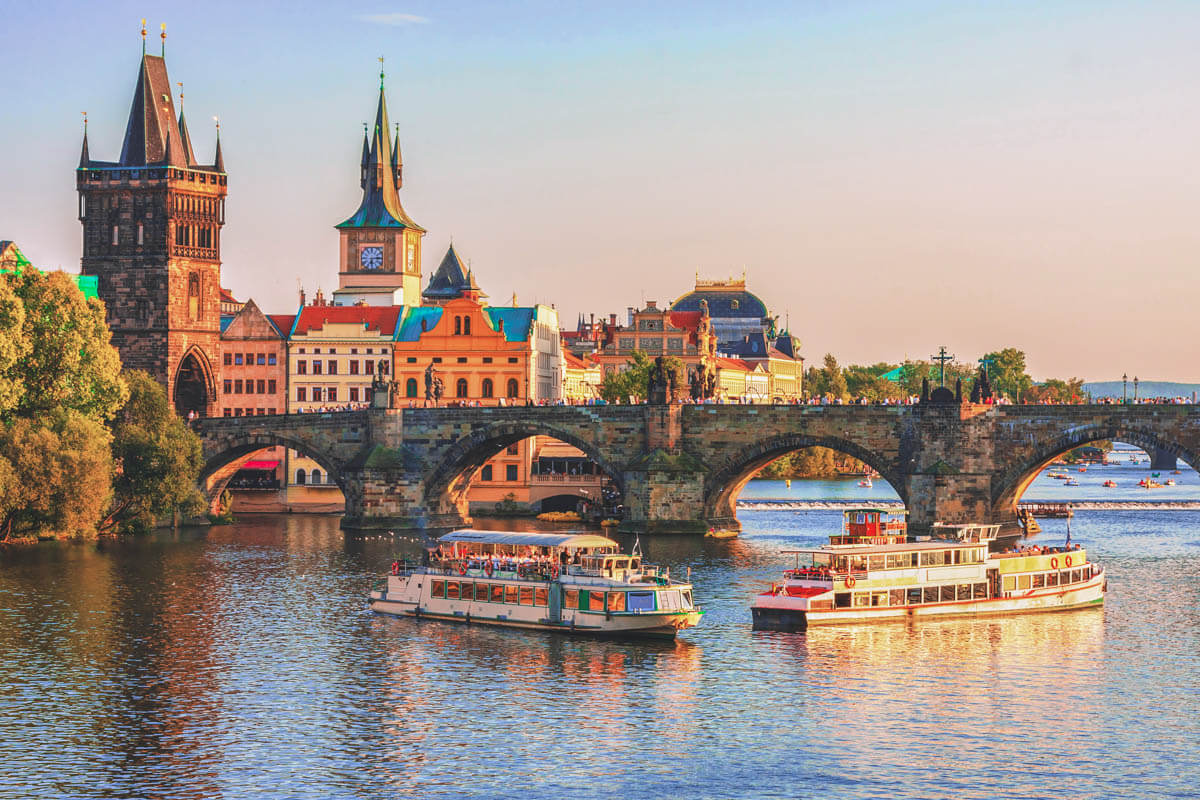
The Czech rule is oddly specific. Your grandparent must have been born in the Czech Republic and lived there until at least 1918, and they can’t have obtained Slovak citizenship.
It’s a narrow window, and most people won’t fit through it. But if your grandparent does, you’re looking at an EU passport, so check before you rule it out.
These rules shift, and every case turns on small details. Treat this as a map of where to look, then check the official requirements before you pay anyone to dig up records.
So which grandparent is hiding a passport in your family tree? Tell me where yours came from in the comments.
If this has you curious about the bigger picture, my move abroad start page has more.
