

Why the U.S. Is One of the Hardest Countries to Save Money
Americans work hard, but saving money feels almost impossible. Between high costs of living and systemic issues, the U.S. makes it uniquely difficult compared to other countries. Here’s why building a cushion is such a struggle.
1. Sky-High Health Care Costs

Even with insurance, Americans spend thousands on premiums, deductibles, and surprise bills. A single ER visit can wipe out months of savings. In countries with universal health care, those costs don’t exist, giving people far more breathing room in their budgets.
2. Housing Is Out of Control

Rents and home prices have soared in nearly every major U.S. city. Many Americans now spend over 30% of their income just on housing, far above the recommended threshold. Compare that to countries where rent can be under $500, and it’s clear why saving is so tough in the States.
3. Student Loan Debt

Over 43 million Americans carry student loan debt, with many paying hundreds—or even over $1,000—a month toward loans. That’s money that could go to savings or investing, but instead it keeps people trapped in repayment cycles for decades.
4. Low Vacation Days (and Burnout Spending)

The average American gets just 10–15 days of paid vacation per year, far less than the 25–30 days common in Europe. Less time off means more stress, which often leads to burnout spending—splurging on shopping, takeout, or entertainment just to cope.
5. Lack of Affordable Public Transportation
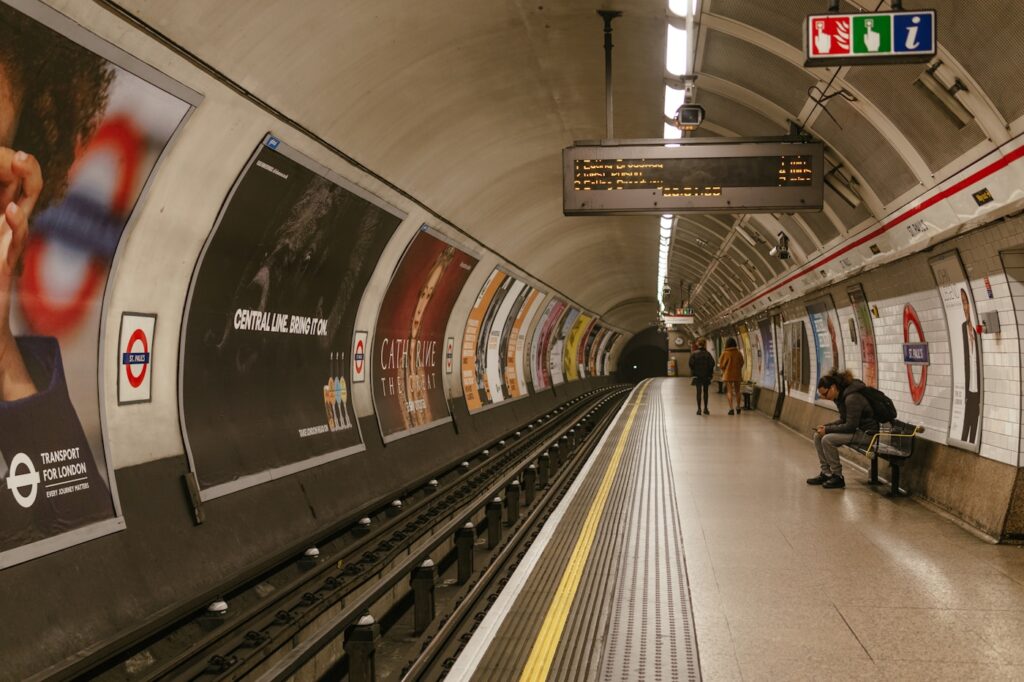
Most U.S. cities aren’t designed for efficient public transit, forcing people to own cars. Between car payments, insurance, gas, and repairs, transportation becomes one of the biggest expenses in an American household. In many other countries, cheap and reliable public transit slashes this cost.
6. Tipping Culture Adds Up

While tipping a few dollars might not seem like much, America’s reliance on tipping means dining out, rideshares, and services all come with hidden costs. For families or frequent travelers, this adds up quickly, making everyday expenses higher than in countries where service charges are already included.
7. Health Insurance Tied to Jobs

Not only is health care expensive, but it’s also tied to employment. Lose your job, and you lose your insurance—sometimes forcing people to dip into savings just to stay covered. This lack of security makes it much harder to build long-term wealth.
8. Wage Stagnation vs. Inflation

While costs for housing, food, and services have risen dramatically, wages haven’t kept up. Many workers are earning roughly the same as they did a decade ago, but their bills are far higher. The math simply doesn’t leave room for saving.
More on Moving Abroad:

- How To Move Out of The USA ASAP—7 Ways to Leave
- 21 Visas to Help Americans Move Abroad (That You Haven’t Heard of)
- How to Make Money While Traveling—73 Travel Jobs
- Easiest Countries for Americans to Move To
WANT TO MOVE ABROAD BUT OVERWHELMED BY OPTIONS?
GRAB THE GUIDE that gives you the exact steps, visa options, and decision tools to pick the best country for you.
No fluff. No BS. Just straight-up ✨virtual hand holding✨ so you can stop dreaming and get out of the US! Let’s GO!
