
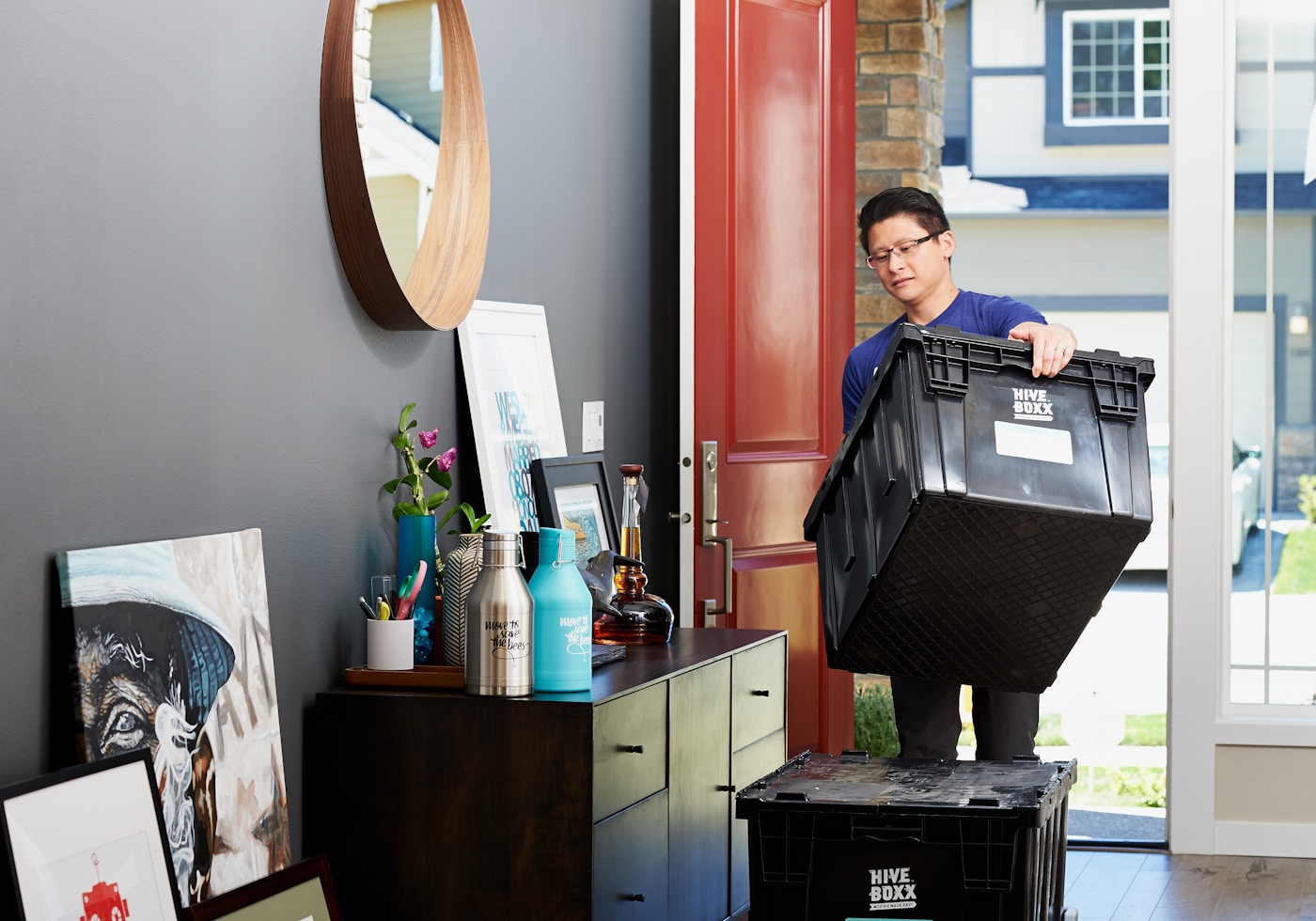
The old trick of mailing yourself a box of stuff abroad just got a lot more expensive
You move abroad, get settled, and a few months later decide to mail yourself a box of stuff you left behind — a winter coat, the good headphones, kitchen gadgets you didn’t want to pack in a suitcase. For years, that box could slide through customs untaxed as long as it stayed under your destination’s low-value import threshold. That workaround just shrank dramatically, and in two of the biggest shipping markets on the planet, it’s gone completely.
Why the trick was so common in the first place
Full-service international movers can run $6,500 to $16,500 for a full household, and shipping a container alone averages roughly $4,150 to $9,100. Mailing yourself boxes over a few months, by contrast, could cost a few hundred dollars total. That gap is exactly why so many people used it as their moving budget’s escape hatch — and exactly why closing it matters.
The US closed its own version first
On August 29, 2025, the US suspended the $800 de minimis exemption that used to let low-value packages — including the one you’re mailing yourself — into the country duty-free. Every import now gets assessed for duties and fees regardless of value or what’s inside. Mailing yourself something for a short trip home counts too, yes, really.
Europe followed less than a year later
The EU ran a similar exemption for shipments valued at €150 or under, and it ended that on July 1, 2026. Cross into the bloc with a mailed box now and it gets the same customs review as a shipment worth thousands, just with a lot less value to show for the trouble. If your move timeline landed you on the wrong side of that date, that’s an expensive coincidence.
Not every country pulled the exemption
The UK still lets shipments valued at £135 or less skip customs duty entirely. Australia’s threshold sits even higher, at AUD 1,000. Route your move through either of those and the math genuinely hasn’t changed much — worth confirming before you assume the worst everywhere.
Psst — thinking about actually doing this? I put everything I know about leaving the U.S. for good into one no-fluff guide: visas, jobs, country picks, the works — grab it here.
The exemption most people don’t think to ask for
Here’s the part that actually saves money: mailing a box under the low-value radar was never the best option to begin with. Most countries run a separate program for people who are genuinely relocating, built specifically for used personal effects, and it skips the de minimis math altogether. It’s usually called a transfer-of-residence exemption, and almost nobody asks about it before they start taping boxes shut.
The catch: it typically only covers goods you’ve actually owned and used for a set stretch of time, often a year, and it usually needs to arrive within 6 to 12 months of when you establish residency. Customs generally wants some proof it’s really yours too — old receipts, photos, anything that shows prior use. Show up with a suspiciously new espresso machine in the box and expect questions. It’s paperwork, sure, but it’s paperwork that can wipe out the duty bill entirely.
What to do before you tape anything shut
If you’re moving with more than a suitcase, look up your destination’s transfer-of-residence program before you ship a single box, not after customs already has it. It’s designed for exactly what you’re doing, and skipping it means defaulting into the exact rules that just got stricter. Ten minutes of research now beats an unexpected bill on the other end.
Have you shipped stuff to yourself after a move? The real customs numbers people actually get charged are always more useful than the official fine print — I’d love to hear what you paid.
