

The Biggest SCAMS Travelers Fall For Abroad
No matter how experienced you are, travel scams can catch you off guard. They’re designed to target tourists who don’t know the local rules, currency, or customs. From taxi tricks to fake police officers, here are the most common scams travelers still fall for—and how to avoid them.
1. The Overpriced Taxi Ride
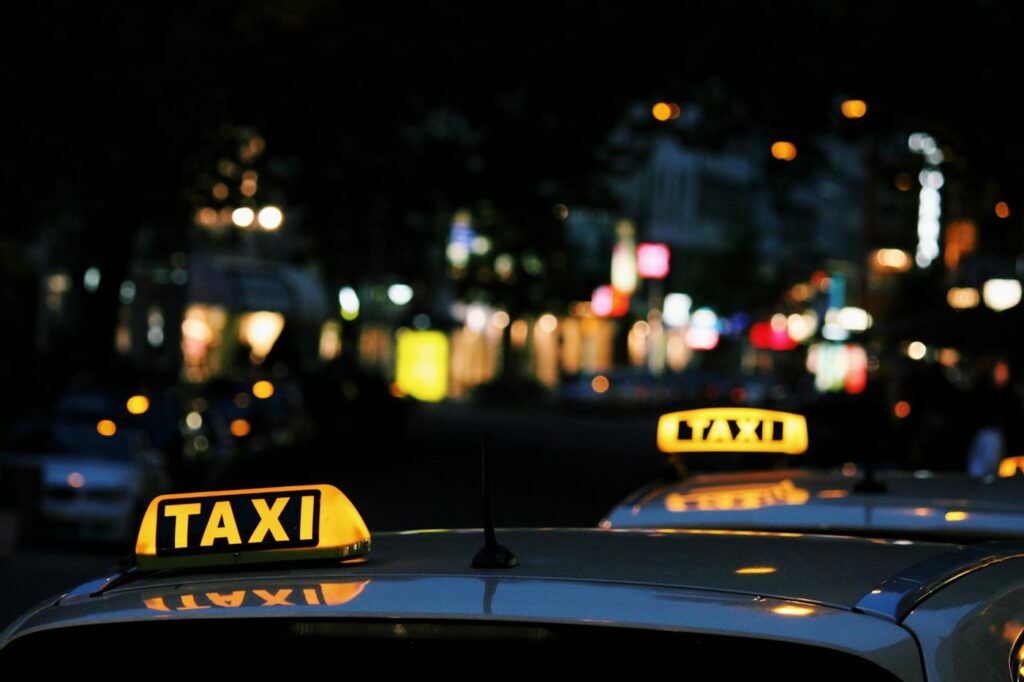
One of the oldest scams in the book. Drivers “forget” to turn on the meter or claim it’s broken, then charge outrageous flat fees. This is common in airports from Bangkok to Cairo. The fix: always ask for the meter, agree on a price before getting in, or use ride-hailing apps where available.
2. Fake Police Officers
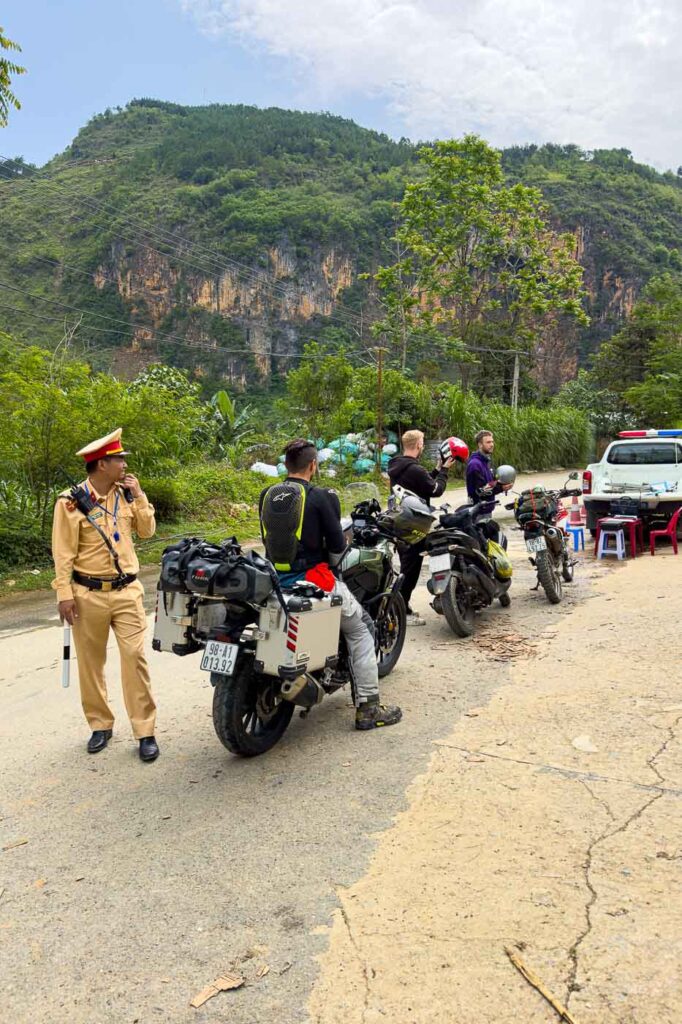
In some cities, scammers pose as police and demand to see your documents, then fine you for bogus violations. They may insist you pay on the spot. Real police rarely demand immediate cash. If this happens, ask to go to the nearest station—scammers usually back off fast.
3. The Friendship Bracelet Trick
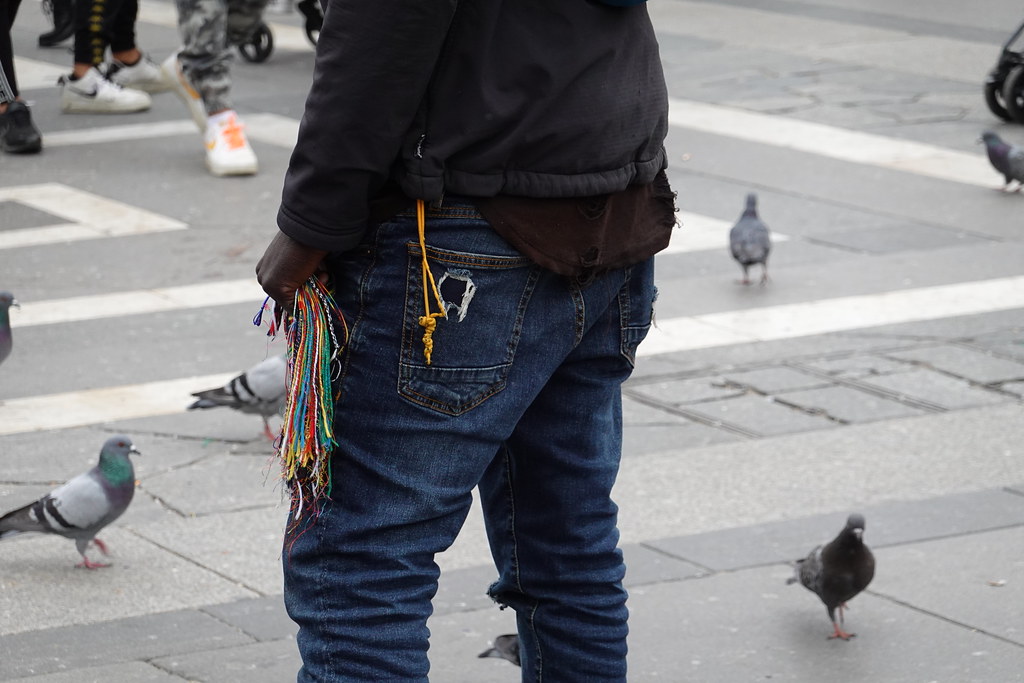
Common in Paris, Rome, and other tourist spots, someone will tie a bracelet on your wrist “for free” while chatting. Suddenly, they demand payment and won’t leave you alone until you cough it up. Best defense: keep your hands in your pockets and walk away.
4. ATM Tampering
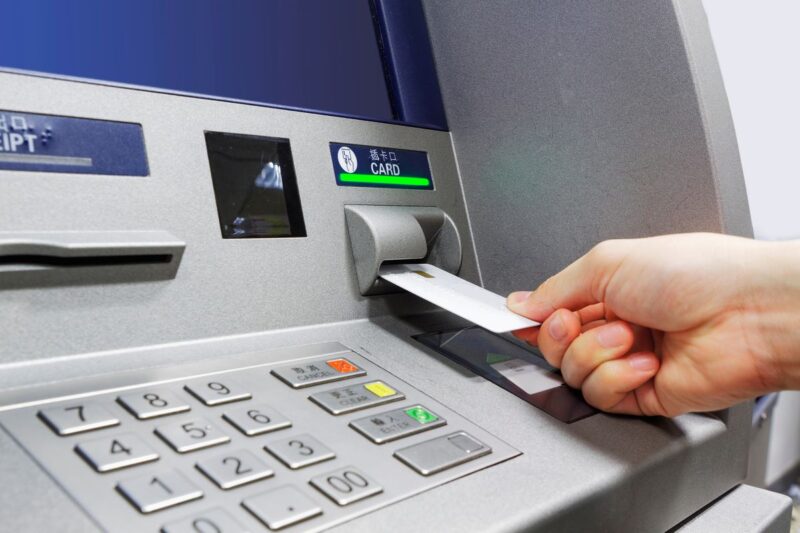
Card skimmers and fake keypads are widespread. Scammers attach devices to ATMs to steal your card data. They often target machines in tourist areas. Use ATMs inside banks or reputable buildings, and always cover your PIN when typing it.
5. Currency Confusion

Some scammers take advantage of unfamiliar money, giving the wrong change or slipping in expired bills. This is especially common in countries with multiple currencies in circulation (like Cambodia, which uses both U.S. dollars and riel). Always double-check your change and learn what local notes look like.
6. “Closed” Hotel or Attraction

A tuk-tuk driver or taxi might tell you your hotel or a major sight is “closed” and then conveniently take you to a “better” one where they earn commission. The real spot is almost always open. Double-check online or call ahead instead of taking their word for it.
7. The Rental Damage Scam
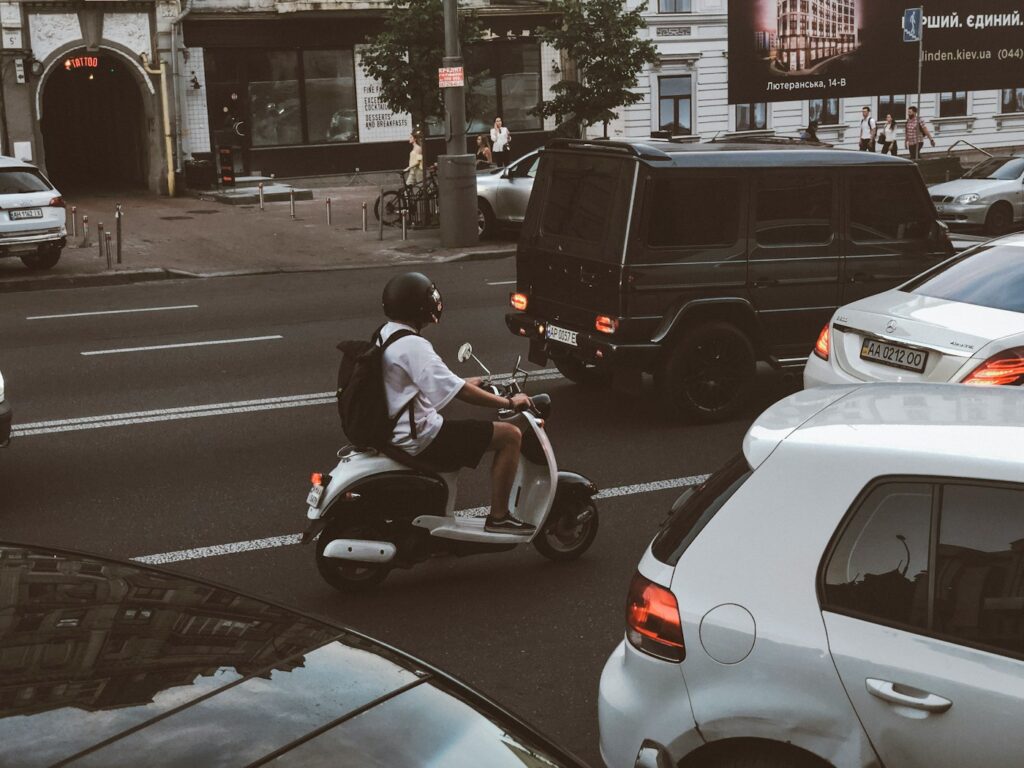
Whether it’s scooters in Southeast Asia or cars in Europe, some rental companies claim you damaged the vehicle—even if you didn’t. Without proof, you’re on the hook. Always take timestamped photos before leaving with any rental to avoid false charges.
8. The Free Sample Trap

Vendors in markets sometimes hand you a free snack or product sample, only to pressure you aggressively into buying more. In some cases, they won’t take the sample back, forcing you to pay. Stay polite but firm—if you don’t want it, hand it back and walk away.
9. The Fake Wi-Fi Network
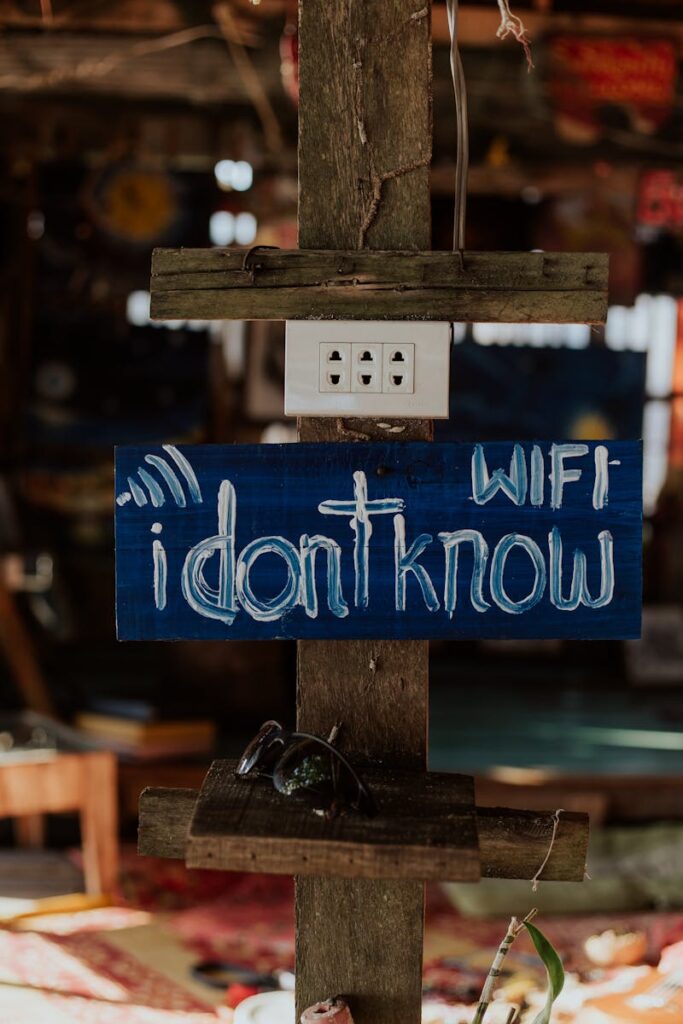
In busy tourist areas, scammers set up free Wi-Fi networks with names like “Airport WiFi” or “Cafe Free.” Connect, and they can steal your data. Always use official networks, and consider a VPN for extra safety.
10. The Pickpocket Distraction
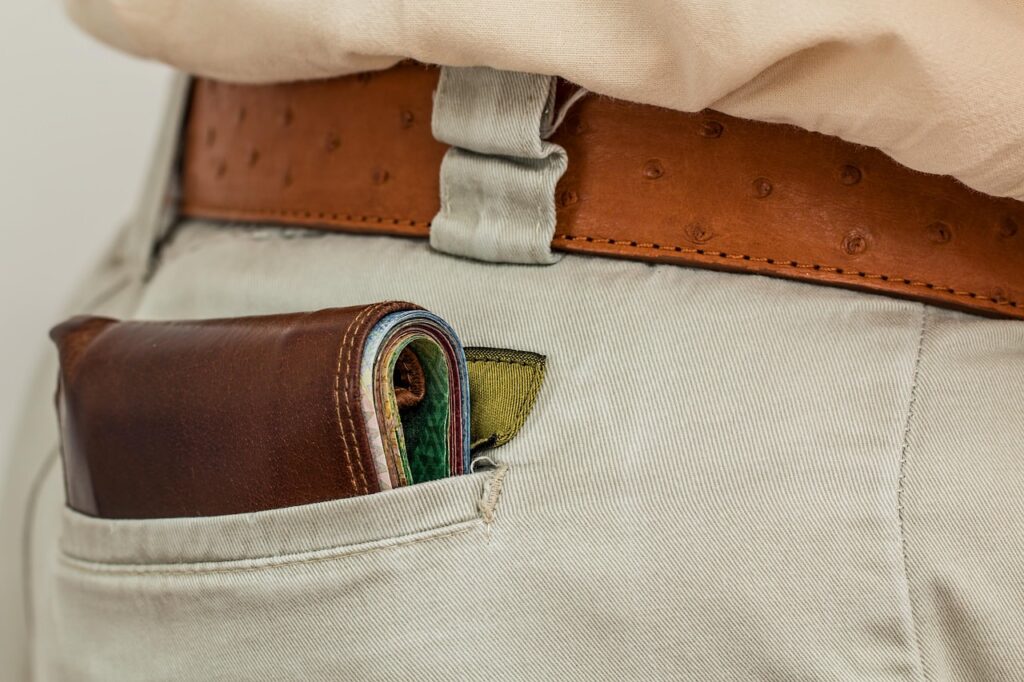
Classic but effective: someone spills something on you, asks for help, or creates chaos while an accomplice lifts your wallet. It happens in crowded metros and tourist squares worldwide. Keep valuables zipped up and avoid carrying all your cash in one spot.
More on Moving Abroad:

- How To Move Out of The USA ASAP—7 Ways to Leave
- 21 Visas to Help Americans Move Abroad (That You Haven’t Heard of)
- How to Make Money While Traveling—73 Travel Jobs
- Easiest Countries for Americans to Move To
WANT TO MOVE ABROAD BUT OVERWHELMED BY OPTIONS?
GRAB THE GUIDE that gives you the exact steps, visa options, and decision tools to pick the best country for you.
No fluff. No BS. Just straight-up ✨virtual hand holding✨ so you can stop dreaming and get out of the US! Let’s GO!
