Thailand’s five-year remote work visa has one rule that trips people up: no Thai clients
Thailand’s five-year visa for remote workers is a better deal than most people realize, right up until the moment it isn’t. The Destination Thailand Visa, or DTV, comes with a 10,000 baht fee and a stay that actually lets you settle in.
But there’s a catch hiding in the fine print, and it has nothing to do with the savings requirement everyone argues about. It’s about who pays you. Ready for it?
Before you keep reading: if “moving abroad” has been a someday thought, I turned everything I wish I’d known into one guide. Visas, jobs, country picks — check it out.
What 10,000 baht actually buys you
The DTV is valid for five years and lets you enter as many times as you like. Each stay can last up to 180 days, and you can extend once for another 180, though approval at the immigration office isn’t automatic. The government fee is 10,000 baht per applicant, plus whatever a visa service charges if you hire one.
Compare that with hopping between short tourist stays and it’s a different universe. No monthly border dance, no counting days on your phone. Seriously, that alone is worth the paperwork.
The 500,000 baht question
You’ll need to show around 500,000 baht in savings on a bank statement. There’s no fixed monthly income minimum, which surprises people who expect a Portugal-style income test. Each embassy decides how long the money has to sit there, so check with yours before you move a single dollar.
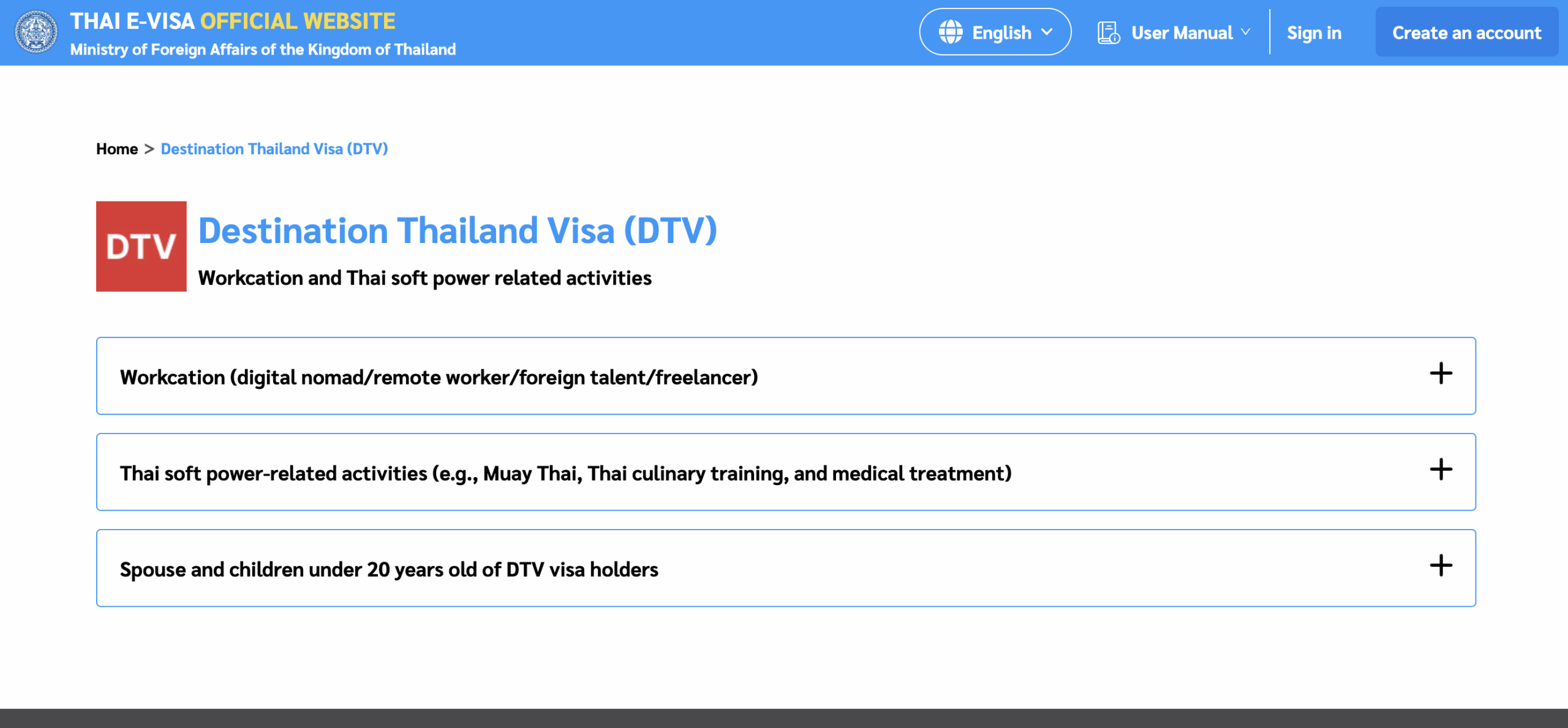
You also have to be at least 20, and you apply from outside Thailand through a Royal Thai embassy or consulate or the Thai e-Visa portal. Qualifying routes include remote employees, freelancers, business owners, and “soft power” activities like Muay Thai or Thai cooking. Yes, you can get a five-year visa for learning to kick things.
The rule that trips people up
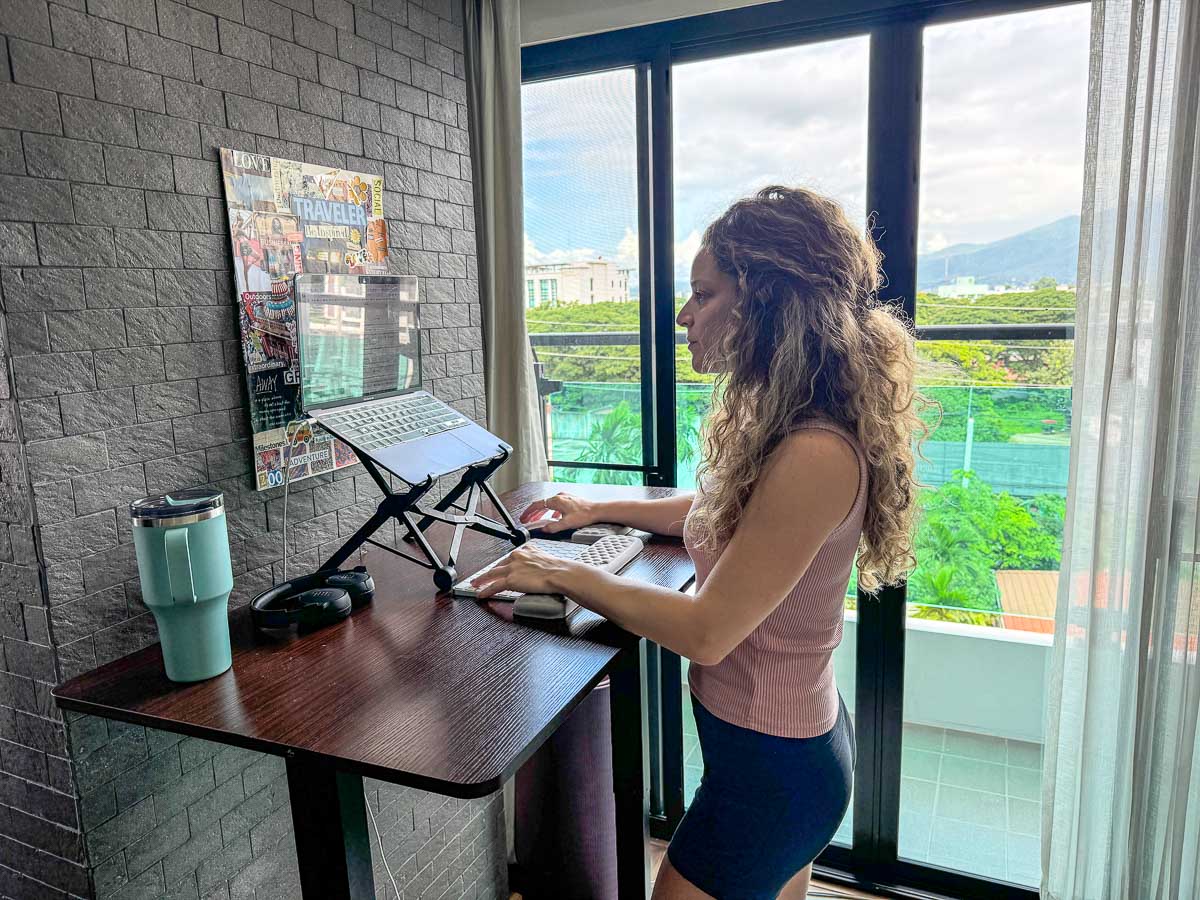
Here’s the line to read twice: the DTV is for remote work for employers and clients outside Thailand. You can’t take a job with a Thai company, you can’t freelance for Thai clients, and you can’t apply for a Thai work permit on it.
Picture the classic move: land in Chiang Mai, pick up a friendly local café as a design client, and call it a day. Not on this visa. Does that feel strict? Sure, but in my opinion it’s a fair trade for five years of stability, as long as your income already lives somewhere else.
What changed on August 31
The paperwork got heavier this year. From 31 August 2026, applicants need to submit proof of permanent residence, which replaces the old document showing where you currently are, plus a criminal record certificate from their home country. Applications submitted before that date were processed under the earlier rules.
Translation: this is no longer a book-it-from-the-couch-in-a-weekend visa. Embassies vary on the details, so read your post’s checklist first. And while you’re sorting documents, remember that your US obligations don’t pause when you change countries, so Taxes as a Nomad is a good place to start.
So, is it worth it?
If your paycheck comes from outside Thailand, you have the savings, and you want a long runway instead of monthly border math, the DTV is hard to beat. If your plan involves Thai clients or a local job, look at a different visa entirely. Confirm the current details with the embassy handling your application before you book anything.
So which camp are you in: remote worker with foreign income, or someone hoping to earn locally? Drop your plan in the comments.
If Thailand has you curious, my Thailand archive has more.
