

Raja Ampat Liveaboard Snorkeling as a Non-Diver: Is It Worth It?
Photo by david henrichs on Unsplash
Raja Ampat is famous for scuba diving, but what if you have no interest in strapping on a tank? Spending several nights on a boat with divers might sound like an expensive way to wait around while everyone else gets the good stuff.
Thankfully, Raja Ampat has plenty to offer from the surface. The catch is that not every dive-focused liveaboard runs a proper snorkeling program. Choosing the right boat and route is far more important than choosing the fanciest cabin.
What can you actually see while snorkeling?
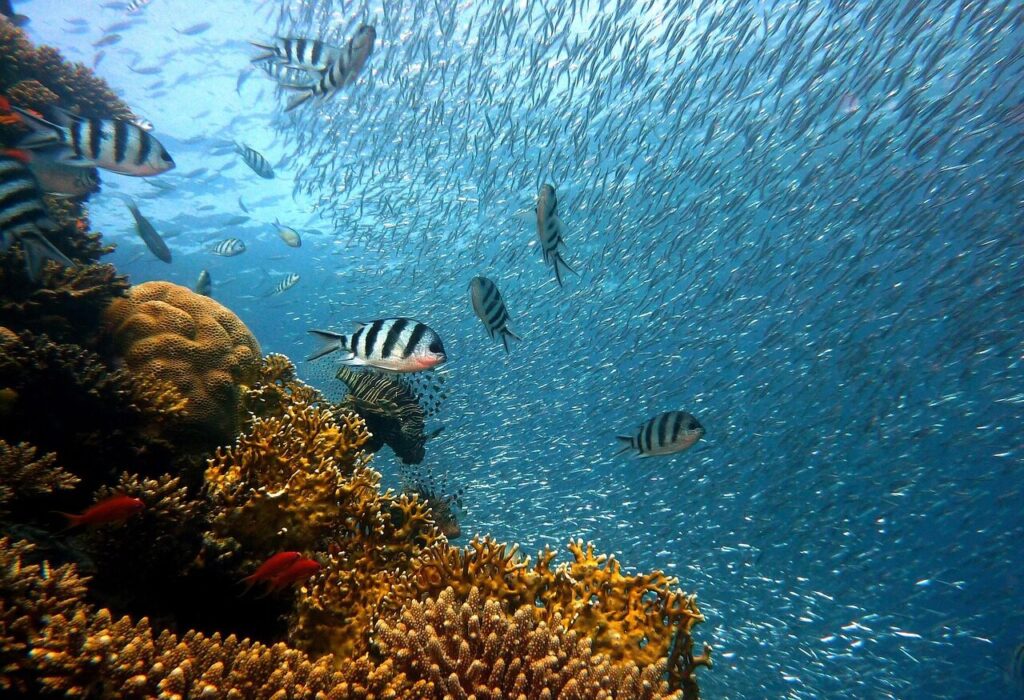
The shallow coral gardens are a huge part of Raja Ampat’s appeal. Depending on the location and conditions, snorkelers may encounter colorful reef fish, sea turtles, schools of fish, and sometimes reef sharks or manta rays. Marine wildlife sightings are never guaranteed, and not every famous dive site is suitable for snorkeling.
UNESCO describes Raja Ampat as an area with remarkable reefs, islands, and marine biodiversity. The scenery above the water is nearly as memorable as what you see beneath it.
Places around Arborek, Kri, and parts of the Dampier Strait can offer beautiful shallow reef experiences when the guide chooses an appropriate site and tide. Conditions should determine where you enter the water, not the postcard photo on a brochure.
Why the liveaboard itinerary matters
A boat built entirely around three or four scuba dives each day may be a poor match for a non-diver. Some dive sites are deep, current-exposed, or simply not interesting from the surface. If the boat cannot send snorkelers to a separate shallow reef, you might spend a lot of time watching dive gear get loaded.
A better match has snorkeling-specific excursions, knowledgeable guides, safe entry and exit procedures, and clear expectations about how the day works for non-divers.
When reviewing operators such as Neptuneliveaboards.com, ask whether the specific departure welcomes snorkelers and how snorkeling sessions are arranged alongside the dives. Do not assume every trip offers the same experience.
Ask if snorkelers get their own guide or tender
This might be the most important booking question. A dedicated guide and a separate small boat, when available, can make it easier to visit shallow sites while the divers are farther offshore. Ask whether a tender is shared and whether snorkelers are dropped off at suitable reefs or expected to remain near the dive group.
Also ask how many non-divers typically join. One snorkeler on a boat of dedicated divers can have a very different experience from a group of friends booking a mixed snorkeling and diving trip.
What about manta rays and other famous animals?
Mantas sometimes appear at sites visited by snorkelers, but sightings depend on conditions and the animals themselves. A manta cleaning station that is excellent for scuba may be too deep, too current-exposed, or temporarily restricted for surface swimmers.
Keep a respectful distance from animals and avoid touching reefs. Your guide should explain local wildlife rules and safe positioning before anyone gets in the water. If you are promised specific wildlife on a fixed day, be skeptical.
There is more to do than swim
Many Raja Ampat routes combine time in the water with village visits, beach stops, short walks, and viewpoints. Piaynemo and Wayag are known for dramatic limestone island scenery, although which places you can reach depends on your exact route and the weather.
For someone who gets tired of being in the water all day, these land stops are an important reason to pick one itinerary over another. Ask how many excursions are actually scheduled and whether they are included.
Liveaboard or homestay: which is better for non-divers?
A liveaboard covers more distance and lets you wake up near different reef systems. It can be fantastic if you want multiple locations without repacking every night. The trade-offs are cost, fixed schedules, small cabins, and limited flexibility.
A village homestay may be better if you want a slower pace, more independence, and the chance to revisit a good house reef. You can sometimes arrange snorkeling day trips separately, but the most distant islands may be impractical from a single base.
Neither option is automatically better. A non-diver traveling with a keen diver may love a good mixed-activity boat, while a group of dedicated snorkelers could prefer a homestay with local guides.
Practical things to know before going
- Most visitors route through Sorong; check onward transfers and allow flexibility if flights are delayed.
- Ask about park and conservation permits instead of assuming they are included.
- Do not count on reliable mobile signal or working internet at sea.
- Bring reef-safe sun protection, a rash guard, and any mask you already know fits well.
- Ask about current, flotation equipment, guide ratios, and the minimum swimming ability required.
Before visiting remote eastern Indonesia, check the U.S. State Department travel advice and CDC Indonesia travel health information, including whether you should discuss malaria prevention with a travel-health professional.
Questions to send before paying a deposit
- Is this exact sailing suitable for guests who will not scuba dive?
- How many guided snorkeling sessions are planned on most days?
- Will snorkelers have their own guide and, when needed, a separate tender?
- What happens when dive sites are too deep or currents are too strong?
- Which land excursions and permit fees are included?
- Can you share examples of actual snorkeling sites used on this route?
So, is Raja Ampat worth it for a non-diver?
Yes, if you choose a trip designed to let you enjoy the reefs from the surface. Raja Ampat is not a place where snorkeling has to feel like the second-best activity. Just do not book a scuba-focused liveaboard blindly and expect the crew to invent a separate itinerary once you arrive.
Get the snorkeling plan in writing, make sure you are comfortable with the boat’s schedule, and then enjoy one of Indonesia’s most remarkable island regions without needing a dive certification.
