
Liveaboard Komodo vs. Raja Ampat vs. the Banda Sea: Which Is Worth It?
Indonesia has some extraordinary diving, but choosing a liveaboard route can be surprisingly confusing. Komodo has powerful currents and iconic scenery. Raja Ampat is famous for its sprawling reefs. The Banda Sea offers remote islands and the possibility of bigger pelagic encounters, with plenty of open-ocean travel in between.
They are not interchangeable trips. How experienced you are, how many days you have, and how comfortable you feel on a boat matter just as much as the underwater wish list.
The quick comparison
- Komodo: easiest of the three to pair with a shorter Indonesian trip; current-sensitive dive sites and land excursions.
- Raja Ampat: ideal for reef lovers with more time and patience for getting to remote islands.
- Banda Sea: best suited to confident divers who are happy with long passages and flexible plans.
Komodo: big scenery and action-packed diving
Most Komodo trips depart from Labuan Bajo on Flores. It is a practical starting point because you can stay in town, book day dives, or join a multi-night cruise depending on your schedule. The landscapes are a major attraction too: think dry hills, turquoise bays, and viewpoints that look nothing like the junglier parts of Indonesia.
UNESCO recognizes Komodo National Park for its dramatic landscapes, marine ecosystems, and famous dragons. Underwater, well-known sites can have strong and changeable currents. Operators should match sites and entry times to conditions and the group’s ability, rather than promising every famous dive site on a fixed schedule.
Komodo is often a smart first liveaboard destination, but do not mistake “shorter trip” for “beginner dive sites.” Ask directly which dives are suitable for your certification, recent experience, and comfort level.
For a look at local options and trip planning, Komodoresort.com is one starting point. Compare the actual itinerary, guide-to-diver ratio, cancellation terms, and included park fees before paying.
Raja Ampat: a dream destination for reef enthusiasts
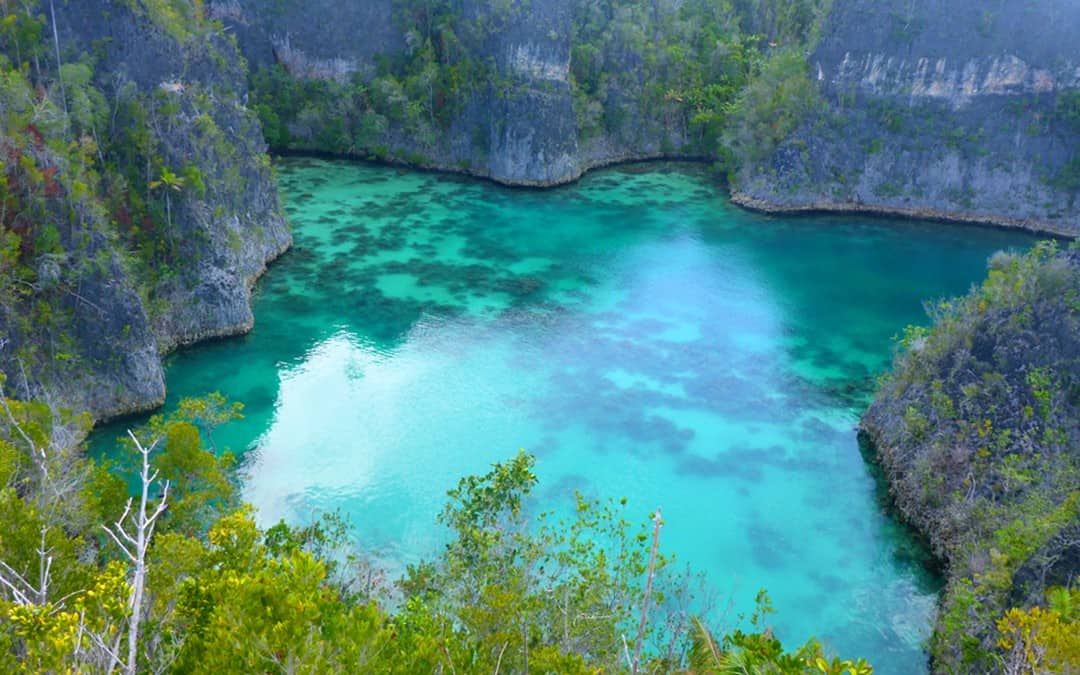
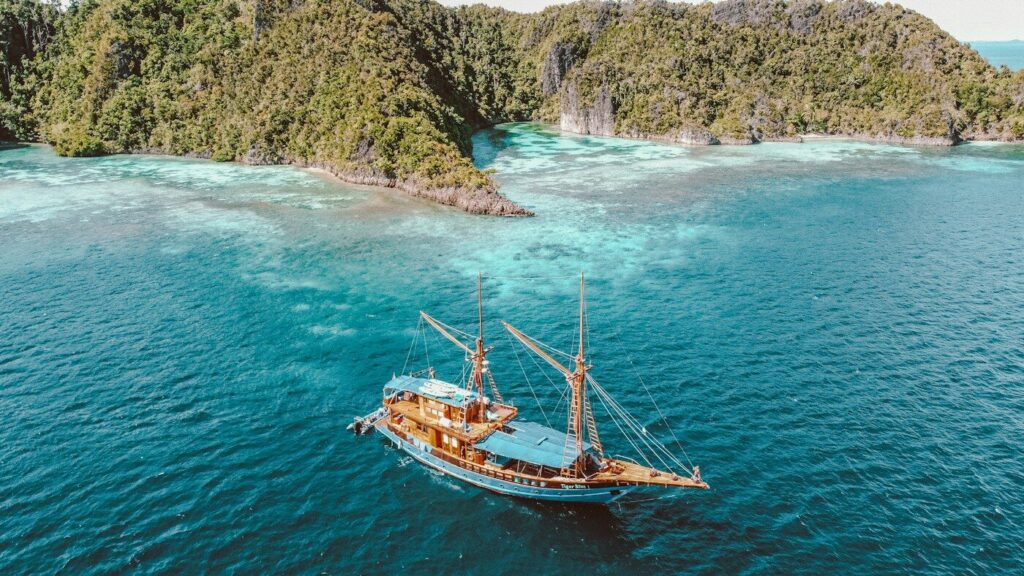
Raja Ampat sits off the western tip of New Guinea, with common liveaboard departures from Sorong. Reaching the boat may take several flights and a hotel night, so this works better when you can devote more time to the trip. Central routes often explore the Dampier Strait, while other itineraries head toward Misool or farther-flung islands.
UNESCO’s Raja Ampat Global Geopark information highlights the area’s remarkable marine and geological diversity. Coral gardens, reef fish, and striking island scenery are major draws. Visibility, current, and manta sightings all vary; no operator can guarantee wildlife encounters.
Raja Ampat is not universally “easy water.” There are sheltered snorkeling bays as well as current-exposed dive sites. Look at the specific itinerary and how guides select alternatives when conditions do not cooperate.
The Banda Sea: remote travel with longer crossings
Banda Sea routes may connect distant islands, reefs, and historic ports, often during seasonal repositioning between other Indonesian dive regions. That remoteness is part of the appeal, but it also means longer passages, fewer options to disembark, and a greater need for flexible expectations.
Some itineraries are marketed around possible hammerhead sightings at sites such as Suanggi or around the Banda region. These encounters are never assured. If seeing a particular animal is the sole reason for your booking, there is a real chance of disappointment.
Check how much of the trip involves sailing versus diving, where weather-related changes are likely, and whether you can comfortably cope with seasickness or several days away from shore.
Which route is best for beginners?
None of the three should be chosen by destination name alone. Some Komodo and Raja Ampat sites suit relatively new divers, while others require strong buoyancy control and current experience. Remote Banda itineraries often make more sense for experienced divers. Ask the operator about minimum logged dives, recent activity, advanced certification, and what happens if a guide decides a site is inappropriate for you.
If you are very new to diving, a few shore or day-boat dives first can be a better investment than committing immediately to a long liveaboard.
How much time do you really need?
- Short trip: Komodo is usually the simplest to arrange around a stay in Labuan Bajo.
- Longer dedicated dive holiday: Raja Ampat can justify the extra flights and travel days.
- Long exploratory voyage: the Banda Sea makes sense when the journey itself is part of the reward.
Seasonality is another consideration. Some boats operate Komodo-focused itineraries during drier months and head toward Raja Ampat at other times. The best months depend on the exact route and weather patterns, so check the departure itinerary rather than treating an entire region as having one perfect season.
What to ask before booking any Indonesian liveaboard
- What is the planned route and how often does it change because of weather?
- How many dives and non-diving excursions are actually included?
- What certification and recent experience do you recommend?
- How many divers are assigned to each guide?
- Are park permits, equipment, Nitrox, and transfers extra?
- What medical, emergency oxygen, evacuation, and insurance arrangements are in place?
Check the latest U.S. State Department Indonesia guidance before traveling, and build a safe pre-flight surface interval into your plans using Divers Alert Network guidance.
So, which one is worth it?
Choose Komodo for a shorter adventure with dramatic landscapes and varied diving, Raja Ampat for an extended reef-focused trip, or the Banda Sea if you are an experienced diver who genuinely enjoys remote travel. The best liveaboard is the one that fits your experience and schedule, not necessarily the one with the most spectacular promotional photos.
