
A Guide to Staying Connected While Travelling Abroad: Everything You Need to Know About eSIMs
In today’s digital world, staying connected while travelling is no longer just a convenience—it’s a necessity. Whether you’re navigating unfamiliar streets, translating foreign languages, booking transportation, or sharing updates with friends and family, reliable internet access plays a vital role in shaping your travel experience. But managing connectivity abroad has always come with challenges. Roaming fees can be expensive, local SIM cards require visiting stores, and traditional methods often lead to unnecessary complications.
This is where eSIM technology has become a game-changer for travellers. Unlike traditional SIM cards, a travel eSIM can be activated instantly, offers flexible data options, and works seamlessly across different regions. In this comprehensive guide, we’ll explore everything you need to know about eSIMs, including how they work, their advantages, how to choose the right one, and why regional-specific eSIMs—like those designed for Europe or the United Kingdom—are becoming increasingly popular.
What Is an eSIM and How Does It Work?
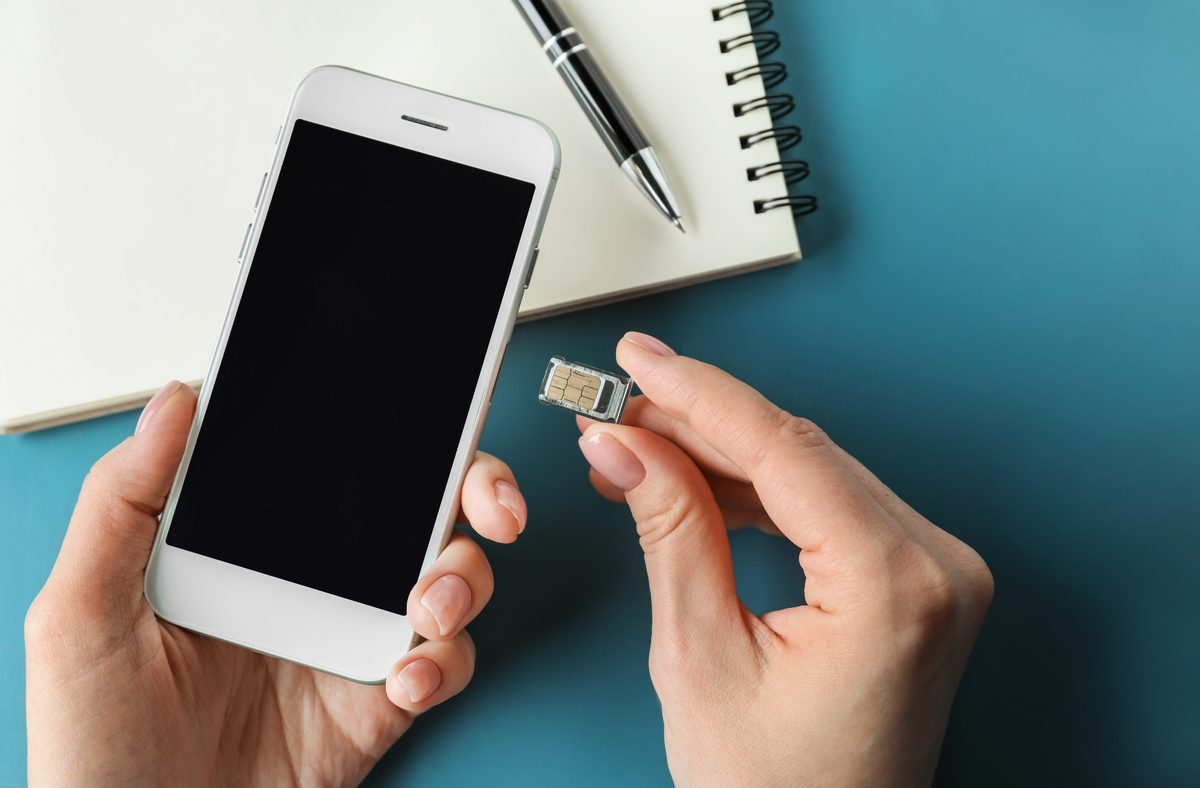
An eSIM, or embedded SIM, is a digital version of the physical SIM card we’ve used for decades. Instead of inserting a physical chip into your device, the mobile plan is downloaded digitally through a QR code or direct installation. This makes the entire process incredibly convenient, especially when travelling.
When you activate an eSIM, your device essentially saves the mobile plan in a secure chip built into the phone. You can store multiple plans simultaneously, switch between them easily, and avoid the need to swap physical SIM cards. All major smartphone brands—Apple, Samsung, Google, and others—now support eSIM technology on most modern devices.
The technology works by letting your device connect to local networks in the country you’re visiting, similar to how a physical SIM operates. You get local data rates, stable connectivity, and a seamless experience without the hassle of physically managing SIM cards.
Why Are Travellers Switching to eSIMs?
Travel eSIMs offer significant benefits, especially for international travellers. Here are the main reasons behind the shift:
1. Instant Activation and Convenience
One of the biggest advantages is how quickly you can get connected. Instead of finding a SIM shop at the airport or paying high roaming fees, you simply scan a QR code and your eSIM is ready. Many travellers activate their plan before boarding their flight, so data works the moment they land.
2. No More Lost or Damaged SIMs
Traditional SIM cards are small, easy to lose, and sometimes require special tools to remove. With an eSIM, everything is digital—nothing to insert, remove, or risk misplacing during a busy itinerary.
3. Cost Savings Compared to Roaming
International roaming fees from home carriers can be extremely expensive. Travel eSIMs offer far more affordable plans tailored specifically for tourists, often with generous data allowances that cost a fraction of traditional roaming fees.
4. Flexibility for Multi-Country Travel
Many travel eSIMs cover multiple countries under one plan. This is particularly useful in regions like Europe, where travellers often cross borders frequently. Instead of buying multiple SIMs, a single eSIM keeps you connected everywhere.
5. Works Alongside Your Primary SIM
Your physical SIM remains intact, meaning you can still receive OTPs, banking alerts, and messages linked to your main phone number. This dual connectivity is extremely helpful for business travellers and anyone who relies on secure verification processes.
6. Environmentally Friendly
eSIMs eliminate plastic SIM cards, packaging, and distribution waste. They are a more sustainable option for modern travel.
Important Factors to Consider Before Choosing a Travel eSIM
Not all eSIM plans offer the same quality or features. Before purchasing one, consider the following:
1. Device Compatibility
Most modern smartphones support eSIM, but not all. Ensure your device is compatible by checking your manufacturer’s official list or device settings.
2. Network Coverage in Your Destination
A good eSIM should partner with reliable local carriers to ensure strong coverage. A weak network can lead to slow speeds, dropped connections, or disruptions in navigation apps.
3. Data Usage Needs
Travellers have different habits:
- Light users need small plans for messaging and maps.
- Content creators, students, and digital nomads need larger or unlimited data packages.
- Business travellers may require stable high-speed networks for video calls and remote work.
Choose an eSIM that matches your expected usage.
4. Validity Period and Expiry
Plans range from short 3-day passes to monthly or even yearly options. Pick based on your travel duration.
5. Hotspot/Tethering Availability
Some eSIMs restrict hotspot usage. If you plan to use your laptop or share data with family, choose a plan that allows tethering.
6. Customer Support
A provider with responsive support can quickly help solve any activation issues. This is especially important if you’re travelling alone or depend on your phone for navigation.

Travel eSIMs for Global Connectivity
International travel often involves crossing multiple countries, and switching SIM cards every time can be frustrating. This is where a Travel eSIM becomes extremely useful. A global travel eSIM is designed for multi-country coverage, allowing you to stay connected without changing cards or buying new plans for every stop.
These types of eSIMs usually offer:
- Coverage in 50+ countries
- Strong networks through regional partnerships
- Affordable data bundles for worldwide use
A Travel eSIM is especially helpful for:
- Backpackers touring several countries
- Remote workers travelling frequently
- Students taking multi-country holiday trips
- Cruise travellers visiting multiple ports
This single-plan approach simplifies connectivity and reduces overall travel disruptions.
The Best eSIM for Travelling in the United Kingdom
The United Kingdom attracts tourists, expatriates, business visitors, and students from all around the world. Whether you’re exploring London’s rich culture, attending a business conference, or touring the countryside, connectivity is essential. The UK International eSIM is built specifically for visitors who want stable and fast internet across England, Scotland, Wales, and Northern Ireland.
Why a UK-Specific eSIM Helps Travellers
- The UK has a strong digital infrastructure, including widespread 4G and increasing 5G availability.
- A regional eSIM ensures better coverage because it is optimised for local networks.
- Navigating underground systems like the London Tube requires reliable maps and live directions.
- Travellers save time and avoid the hassle of visiting stores in busy areas like Heathrow, Gatwick, or central London.
Whether you’re using your device for Google Maps, translating signs, accessing hotel bookings, or streaming during travel, an International eSIM UK ensures you stay connected throughout your trip.
Why You Should Consider an eSIM for Europe
Europe is unique because it combines dozens of countries with open borders, making it extremely easy to travel from one country to another. But this also makes connectivity complicated if you depend on local SIM cards. A European eSIM plan solves this issue by offering coverage across multiple European nations under one package.
Major Benefits of a Europe-Focused eSIM
- Works across popular destinations like France, Italy, Germany, Spain, Switzerland, the Netherlands, and more.
- No need to buy a new SIM when crossing borders.
- Ideal for train travellers, backpackers, and people on road trips covering multiple cities and countries.
- Many Europe-specific plans provide excellent speeds with no restrictions on essential apps.
If your itinerary includes visiting several European countries, an eSIM Europe makes your journey significantly easier by providing uninterrupted connectivity from one border to another.
How to Install and Activate a Travel eSIM
If you’re new to eSIM technology, don’t worry—the activation process is simple and user-friendly.
Step 1: Purchase Your Travel eSIM
Choose the plan that suits your destination—whether it’s a global Travel eSIM, an International eSIM UK, or an eSIM Europe.
Step 2: Check Your Email for the QR Code
After completing the purchase, you’ll receive a QR code along with step-by-step installation instructions.
Step 3: Open Your Phone Settings
Go to:
- Settings
- Mobile Data or Cellular
- Add eSIM
Step 4: Scan the QR Code
Scan the code using your phone’s camera. The device will begin downloading the mobile plan.
Step 5: Assign the eSIM to Your Data Line
Most travellers set the eSIM as:
- Primary for mobile data
- Secondary for receiving calls on their original number
Step 6: Enable Data Roaming
This activates your eSIM when you arrive at your destination. Since you’re using the travel eSIM, your home carrier won’t charge roaming fees.
Tips to Maximise Your eSIM Data While Travelling
As you travel, data management becomes important. Here are ways to extend your eSIM plan and improve connectivity:
1. Turn Off Background App Refresh
Apps like Instagram, Facebook, and cloud backup services sync in the background and consume data quickly. Disable auto-sync to save data.
2. Download Offline Maps Before Travelling
Google Maps allows you to download entire cities or regions offline, which drastically reduces data usage.
3. Use WiFi Whenever Possible
Hotels, restaurants, airports, and cafés often have free WiFi. Connect whenever possible to save your mobile data for essential tasks.
4. Optimise Social Media Usage
Uploading high-resolution videos consumes large amounts of data. Lower the upload quality if you’re using mobile data.
5. Monitor Your Data Within Settings
Most phones provide data usage statistics per app. Use these tools to manage consumption.
Who Benefits the Most from Travel eSIMs?
Travel eSIMs are versatile and suitable for different types of travellers:
Solo Travelers
Safety and convenience are crucial when exploring alone. With stable connectivity, solo travellers can rely on maps, rideshare services, hotel apps, and emergency contacts.
Business Travelers
Meetings, remote work, email, and online communication require fast and uninterrupted data. eSIMs help professionals stay connected without worrying about roaming costs.
Families on Vacation
Parents often use navigation tools, communication apps, and entertainment options to manage family travel. eSIMs ensure everyone stays online.
Students Studying Abroad
Students frequently take holiday trips across Europe or Asia. A multi-country eSIM simplifies connectivity by eliminating the need for new SIMs at each stop.
Adventure Travelers
Hikers, cyclists, and outdoor enthusiasts depend on GPS and map apps to stay on track. eSIMs keep them connected even in rural areas (depending on network availability).
Conclusion
The rise of eSIM technology has significantly enhanced how travellers stay connected globally. Instead of relying on expensive roaming or hunting for local SIM cards, travellers can now enjoy convenient, cost-effective, and stable mobile connectivity through digital eSIM plans. Whether you’re travelling to multiple countries, touring Europe, or planning a trip to the United Kingdom, options like Travel eSIM, International eSIM UK, and eSIM Europe offer reliable solutions tailored to modern travel needs.
Staying connected is now easier, smoother, and more intuitive than ever—making eSIMs an essential tool for every traveller.
