
Foreigners can’t legally own that Tulum condo outright — here’s the workaround nearly everyone uses instead
Nearly every dream beach house in Mexico comes with a catch that never makes it into the listing: you can’t actually own it, not directly. The Mexican constitution has barred foreigners from holding direct title to coastal land since 1917, and more than a century later, that rule still hasn’t budged.
Cancún, Tulum, Los Cabos — they’re all inside the same invisible line
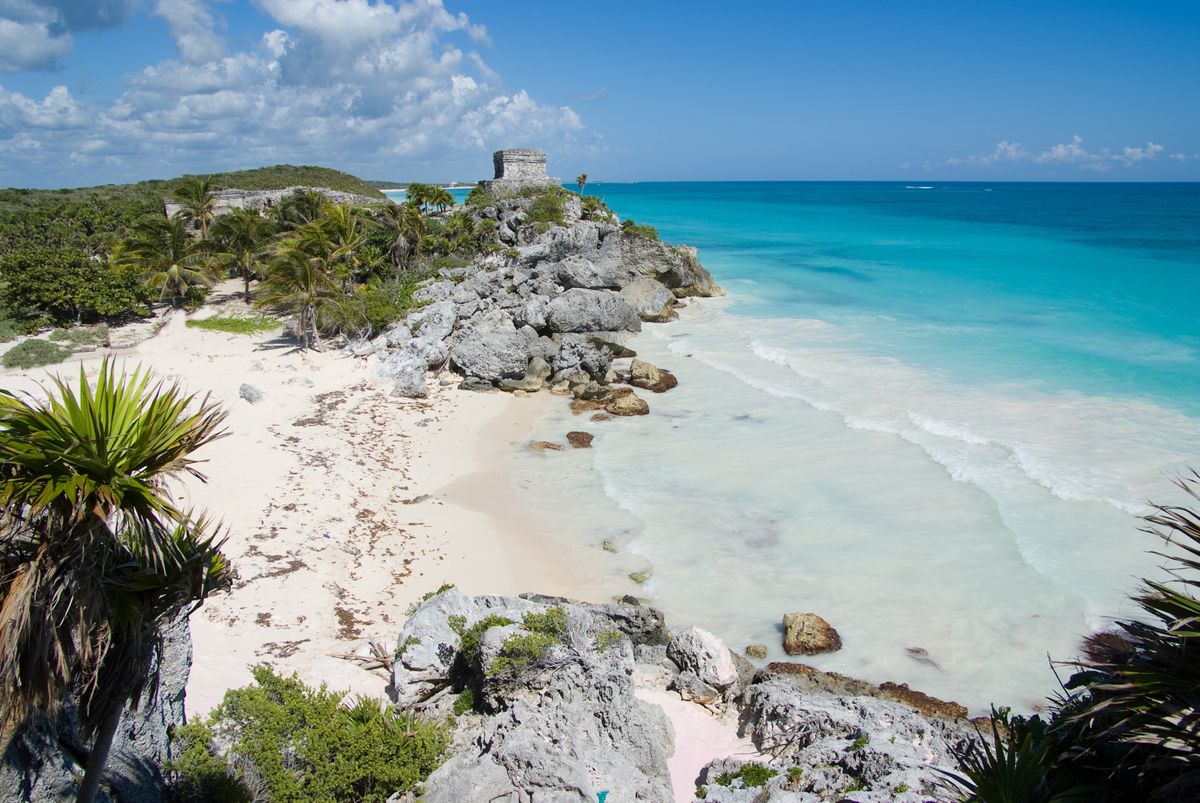
Article 27 of the constitution carves out what’s called the restricted zone: every stretch of land within 100 kilometers of an international border, and every stretch within 50 kilometers of the coast. That single line quietly swallows nearly every beach town foreigners actually want — Cancún, Tulum, Puerto Vallarta, Los Cabos, Playa del Carmen, all of it.
Ask an agent in any of those markets and they’ll tell you the same thing upfront: nobody’s buying “direct title” here, because nobody legally can. It catches a lot of buyers off guard mid-search, usually right after they’ve already fallen for a listing.
A bank holds the deed, you get everything else
The workaround is called a fideicomiso, and it’s been the standard fix for decades. A Mexican bank steps in as trustee and holds the legal title on your behalf, while you keep every practical right that matters: living in the place, renting it out, renovating it, selling it whenever you want.
Setting one up takes a permit from Mexico’s Ministry of Foreign Affairs and a notary public to finalize the deed. The trust itself runs in 50-year terms, a length set back in 1995, and it’s renewable indefinitely as long as you file for the next 50 years between 180 and 365 days before the current one runs out.
It sounds bureaucratic because it is. But day-to-day, living in a fideicomiso property looks identical to ownership — you just don’t hold the one piece of paper that technically says so.
Psst — thinking about actually doing this? I put everything I know about leaving the U.S. for good into one no-fluff guide: visas, jobs, country picks, the works — grab it here.
What the trust actually costs you
Setup runs roughly $1,000 to $3,000 once you add up the government permit and the bank’s paperwork. After that, the bank charges an annual fee, typically somewhere between $500 and $2,000, for as long as you hold the property, and it’s not optional.
That’s a genuinely modest bill next to a US HOA, if you want the honest comparison. It’s still money you’d never spend on a house you owned outright back home, though, and it doesn’t stop the day you finish paying off the property.
The IRS wants its own paperwork, and it’s not about your bank account
Because a fideicomiso is legally a foreign trust, the IRS treats American buyers accordingly: you owe Form 3520 every year you hold one, separate from anything else you’re already filing from abroad. Skip it, and the penalty starts at $10,000 or 35% of the trust’s value, whichever number is bigger.
Yes, really — on an average beach condo, that math turns ugly fast. Most buyers don’t hear about the requirement until their accountant brings it up after closing, which is exactly the wrong time to find out.
The way around all of it: buy somewhere inland
Step outside the restricted zone and none of this applies. Mexico City, San Miguel de Allende, Guadalajara, and Oaxaca all sit far enough inland that foreigners can hold the deed in their own name, the same way a Mexican citizen would: no trust, no bank fee, no extra IRS form.
If Mexico City is anywhere on your radar, even just for a scouting trip before you go house-hunting, it’s worth building in a few extra days for the city itself.
The beach view costs more than money here — it costs a bank’s permission, more or less forever. Inland cities hand you full ownership and skip the paperwork entirely, so the real question isn’t which option is cheaper. So, worth the paperwork to you, or would you rather trade the view for a deed with your own name on it?
