
A Complete Beginner’s Guide to Hiking on a Budget
Hiking gets sold as a gear-heavy hobby, with $300 boots, ultralight tents, and a wall of jackets at every outdoor store. Almost none of that is needed to walk a trail well.
A beginner who already owns sneakers and a water bottle can start this weekend for close to nothing. Most first hikes happen on trails less than an hour from home. The hard part is knowing which few things matter and which ones the catalog only wants you to buy.
The One Thing Worth Buying
If any money goes toward gear first, it should go to the feet. Footwear is the difference between a good hike and a limp back to the car, and it is the hardest thing to improvise with what you own.
The good news is that decent trail shoes start around $60, and a pair of lightly used boots from a thrift store can cost a third of retail.
For most beginner hikes on dry, even trails, the running shoes already in your closet are enough to begin. Fit matters more than price or brand, so try shoes on at the end of the day when feet are at their largest, and wear the socks you plan to hike in.
Break a new pair in on short walks first, since stiff soles and tight toe boxes cause most early blisters. A pair of synthetic or wool socks does more to spare your feet than any expensive boot.
Gear From Home
Most of what a day hike needs is already in the house. Comfortable clothes that let you move, a refillable water bottle, and a small backpack cover the basics. An old school backpack carries a day’s water and snacks without complaint, and a purpose-built hiking pack can wait until the trips get longer.
Cotton is the one fabric to leave at home on cold or wet days because it holds water and pulls heat from the body, so reach for the synthetic or wool layers you may already own from the gym.
Dress in layers you can add or shed as the day warms and cools. A trash bag weighs almost nothing and works as a pack liner and a dry place to sit, while a gallon freezer bag keeps a phone and snacks dry in the rain.
A Multipurpose Blade
A knife is one of the cheapest multipurpose tools a hiker can carry, and most people already own one. An everyday carry knife opens a food pouch, cuts tape and cord, trims a strip of moleskin, and handles the small gear fixes that come up on almost any trail.
One blade in a pocket replaces several single-use gadgets and the money they cost. A modest folding knife with a locking blade is plenty, and it doubles for kitchen tasks if a day hike turns into a night out.
A blade that locks open is far safer for a beginner than one that can fold shut on a finger under load, and a quick sharpen at home keeps a dull edge from slipping.
The Cheap Version of the Essentials
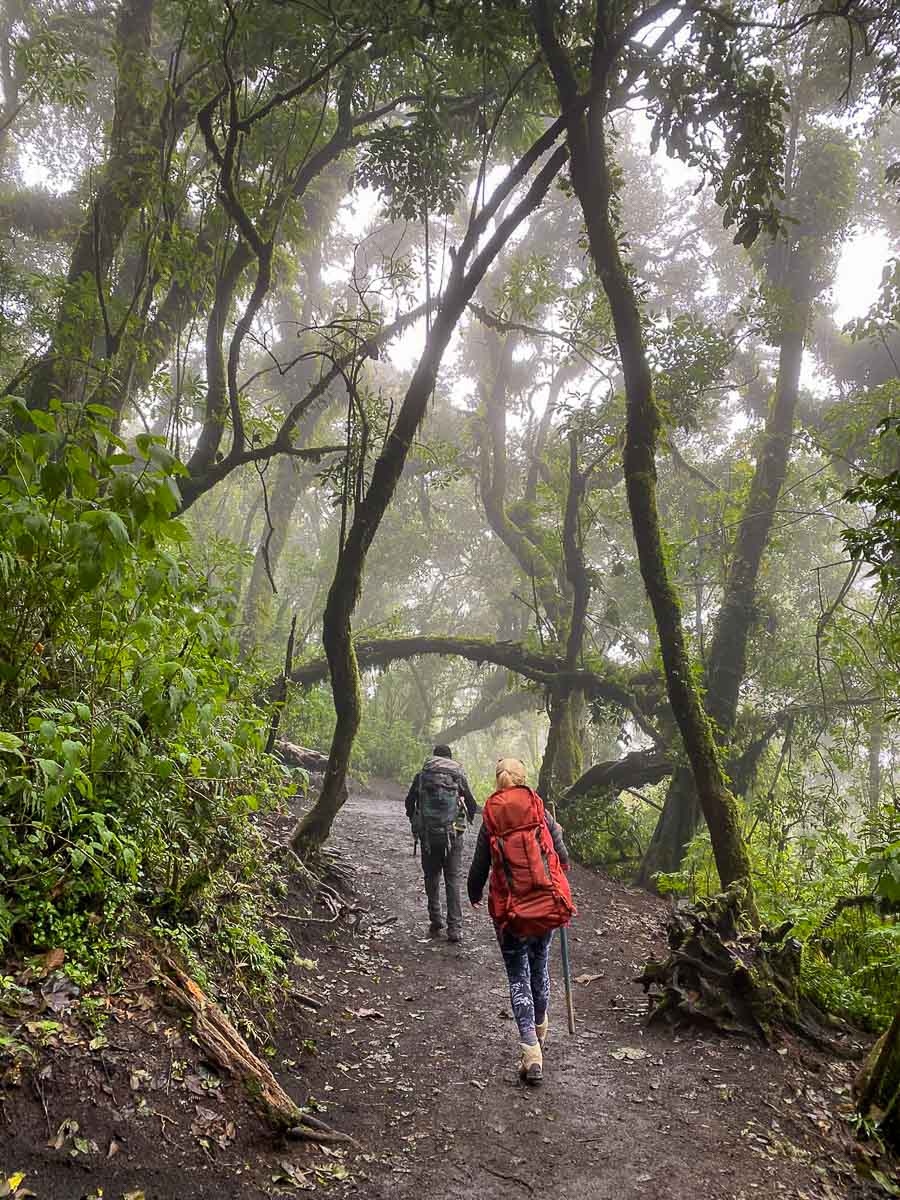
Safety on a budget comes down to the ten essentials, the short list of items that cover the common ways a day goes wrong. Most of them are cheap or already in the house.
Water, extra food, a warm layer, a small first-aid kit, a headlamp, sun protection, a fire starter, and something to cut with make up the bulk, while a paper map and a whistle round it out for a few dollars.
None of it has to be the newest model. A $10 headlamp lights the trail as well as a $60 one when a hike runs past dark, and a granola bar from the pantry beats a $4 trailhead snack.
Borrowing is cheaper still, since a friend who hikes often has spare gear gathering dust, and some libraries and outdoor shops now lend packs and trekking poles for a weekend. The point is to cover the basics with whatever does the job.
Free Places to Put Boots Down
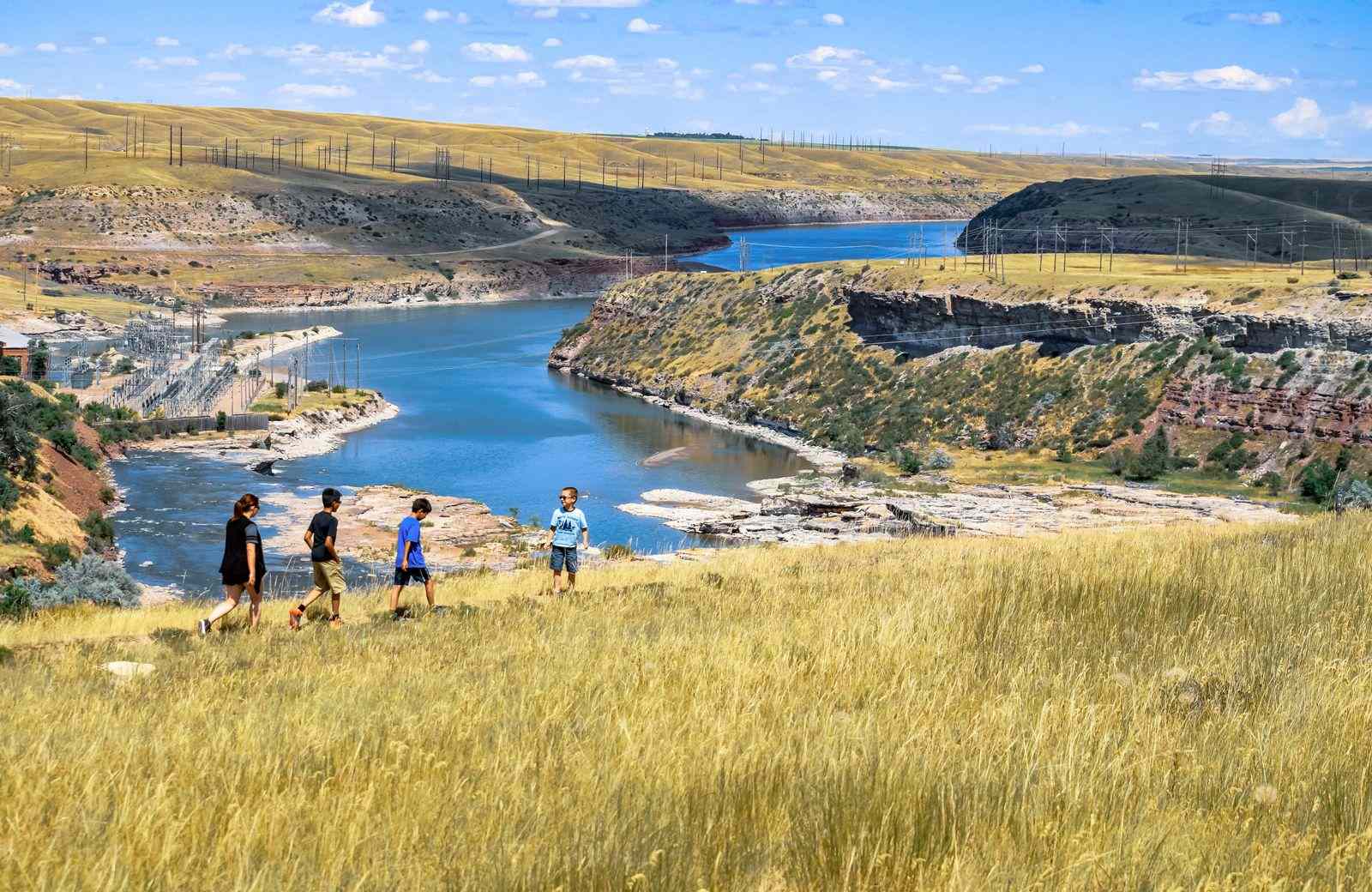
The trail itself is usually free. Local and county parks, state forests, and public land near most towns cost nothing to walk, and they are where most hiking actually happens.
About a third of the country’s national parks are free to visit every day of the year, and the ones that charge a fee waive it on a handful of set days.
Rail-trails and reservoir loops are within a short drive of many cities and never charge a cent. Free trail directories online list thousands of hiking routes by distance and difficulty, so a guidebook is rarely worth buying for a first hike.
Visiting right before or after the summer rush means emptier trails and, at fee parks, the same views without the peak crowds. Starting close to home also trims the biggest expense of a hike, which is usually the gas to reach the trailhead.
Water and Finding Your Way
Two cheap habits prevent most of the trouble beginners run into. The first is water. Carry more than you think you need because the effects of dehydration show up as fatigue and poor decisions before thirst even feels urgent, and a refill from the kitchen tap costs nothing.
A pinch of salt or a cheap electrolyte tab in one bottle helps on a hot, long climb, and freezing a bottle the night before keeps water cold for hours.
The second habit is finding your way without leaning entirely on a phone that can die in the cold. A paper map and a basic compass cost a few dollars, and building your sense of direction by picking out far landmarks and looking back over your shoulder is free. A free phone map saved for offline use is worth setting up before the trailhead since cell service vanishes in most canyons and valleys.
Tell someone your route and expected return before you leave, which costs nothing and shortens any search if a plan goes wrong.
A Full Day for the Price of Gas
The outdoor store wants hiking to look expensive. The trail charges nothing. A beginner who already owns the basics can spend a full day outside for the price of the drive there. Buy the better boots when the old pair gives out and the trips get longer, and add gear as needs show up on the trail.
Until then, the cheapest hiking kit is the one already in the closet, and a first hike this weekend costs about a tank of gas.
