
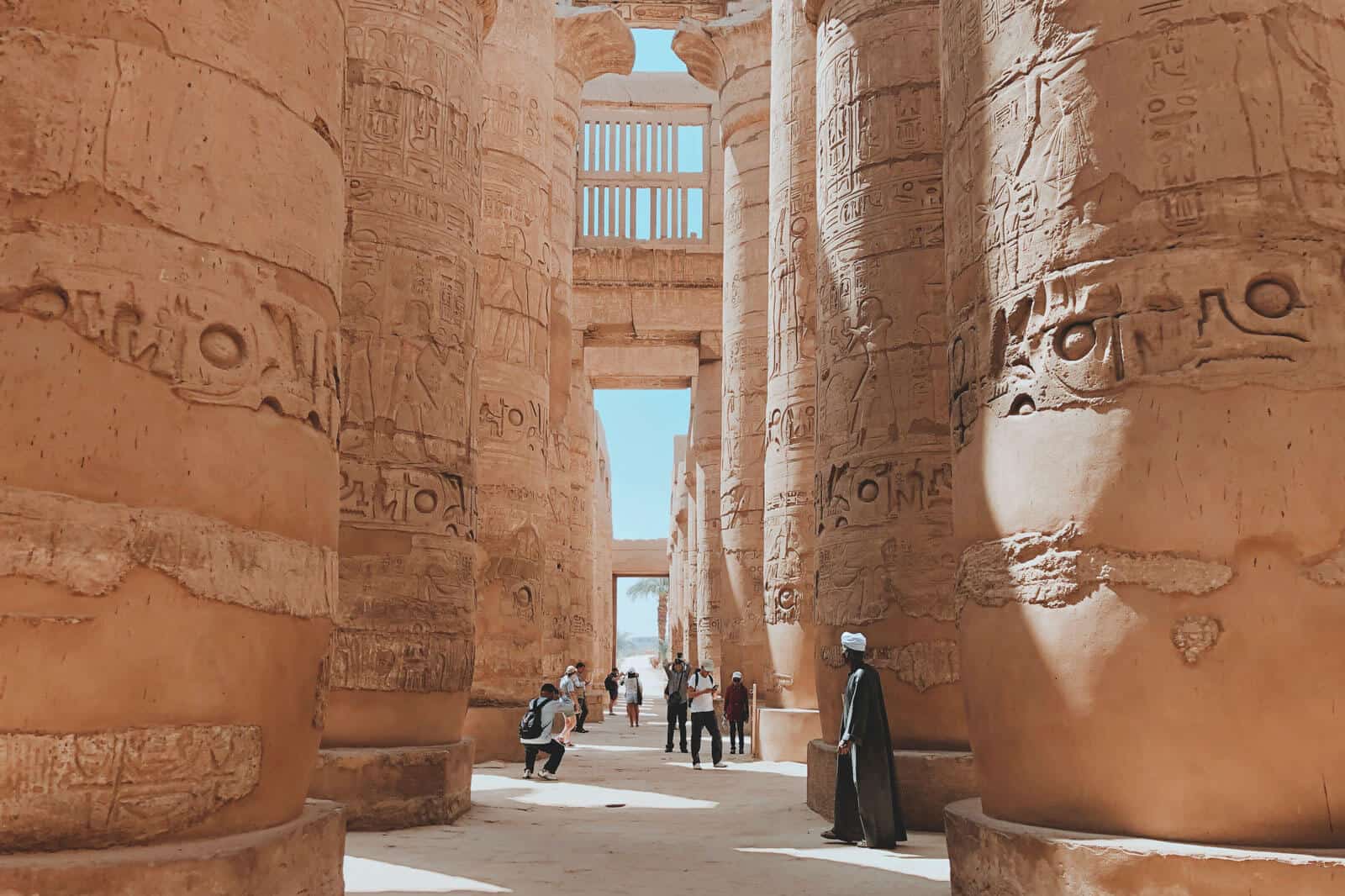
Ancient Wonders Await: Must-Visit Historical Sites on a Riyadh – Cairo Trip
Time travel may still be a figment of science fiction, but if you want to go back in time, a trip through the Middle East is the next best thing.
Picture a single trip that takes you from the amber-colored mud-brick palaces of the Arabian Peninsula to the huge stone structures built by the pharaohs. A trip that combines the rich history of Saudi Arabia with the stunning ancient sites of Egypt is one you’ll never forget.
If you want to follow in the footsteps of kings, sultans, and pharaohs, here is the ultimate guide to the historical landmarks you have to see on an epic trip from Riyadh to Cairo.
Part I: Riyadh (Where the Desert Meets the Royal Roots)
Saudi Arabia’s capital is often praised for its modern architecture, but it is also full of historical narratives. Riyadh is where the tale of the current Saudi kingdom started. Its preserved cultural sites provide us a fascinating look at life in the Arabian desert hundreds of years ago. Here are some of the Marvels worth exploring on your trip:
- At-Turaif District in Diriyah
This UNESCO World Heritage site stands on the northwestern edge of Riyadh and is a great place to start your historical adventure. Diriyah was the first capital of the First Saudi State and the initial residence of the Saudi royal family. It was founded in the 15th century.
The At-Turaif region, which has been magnificently renovated, is now a huge open-air museum. Walk through the twisting alleys lined with typical Najdi mud-brick buildings, be amazed by the Salwa Palace, and watch as the sun creates long, dramatic shadows over the ruins of the geometric courtyard.
- Al Masmak Fortress
A stronghold from the 19th century made up of clay and mud-brick rises right in the midst of downtown Riyadh. Al Masmak Fortress was highly significant in the history of the kingdom. It was the location of the famous fight in 1902 when King Abdulaziz took back control of Riyadh.

The museum within has a great collection of historical objects, antique weapons, and traditional farming tools that help explain how quickly the country has evolved.
- The National Museum of Saudi Arabia
This isn’t an old landmark, but it’s an important place to learn about the region’s history. The museum is part of the King Abdulaziz Historical Center and has eight huge “exhibition halls” that cover everything from the beginning of the world and the ancient Arabian kingdoms to the rise of Islam and the unification of Saudi Arabia.
It is a meticulously designed, interactive experience that sets the tone for the remainder of your journey.
RELATED: 39 Cheapest Countries in the World
Going across the Red Sea
Now that you’ve learned about the beginnings of the Arabian Kingdom, it’s time to leave the Najdi desert and go to the lush banks of the Nile.
Moving from one of these quite distinct historical periods to the other is really easy. There are several Riyadh to Cairo flights every day, making it easier to travel between these two historical giants. You can have breakfast among the palaces of Diriyah and your dinner in the shadow of the Pyramids.
Part II: Cairo (The Mother of the World)
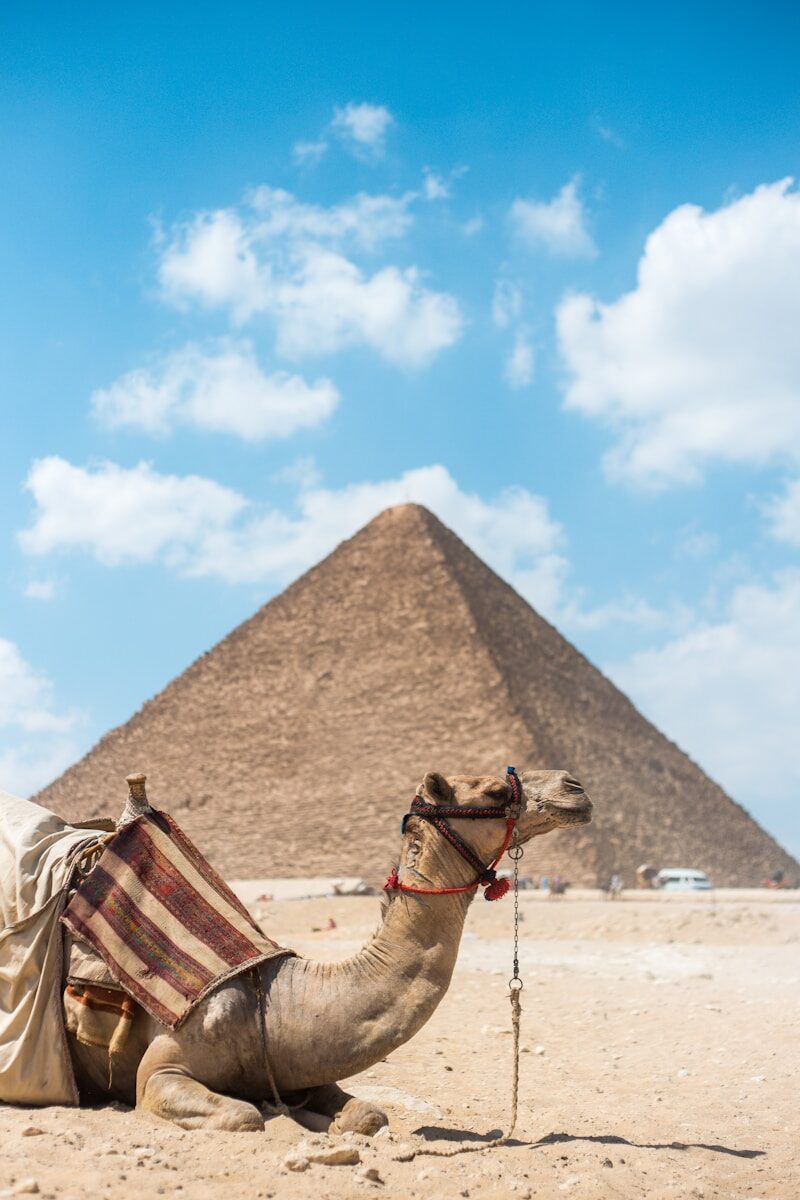
Cairo is a chaotic, colorful city full of history. The Egyptian capital, which locals call Umm al-Dunya (Mother of the World), is like a living museum where layers of history, including Pharaonic, Coptic, and Islamic, come together in a beautiful harmony. These are the ancient wonders you should not miss on your trip here:
- The Giza Necropolis
Standing at the base of the final surviving Wonder of the Ancient World, the Giza Necropolis, is an essential part of every Cairo trip. For more than 4,500 years, the Pyramids of Giza, Khufu, Khafre, and Menkaure, have ruled the desert plateau.
Get a local guide to show you how these limestone giants were built. Don’t forget to go down the plateau to see the Great Sphinx, the legendary protector with the body of a lion and the face of a pharaoh that has been watching over the sands since the Old Kingdom.
- The Grand Egyptian Museum (GEM)
The Grand Egyptian Museum (GEM) is the biggest archeological museum in the world that focuses on a single civilization. It is quite close to the Giza Pyramids. The GEM’s most important piece is the full collection of King Tutankhamun’s wealth, which is all on exhibit together for the first time.
The GEM has everything from huge sculptures of Ramses II to detailed gold death masks. It’s a great example of ancient Egyptian art and ambition.
- Historic Cairo (Islamic Cairo)
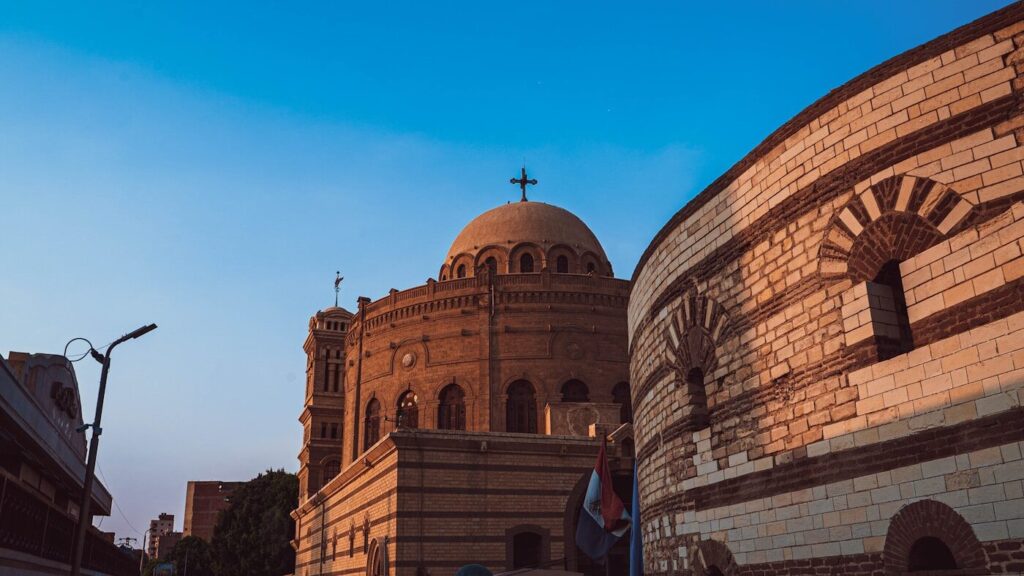
A UNESCO World Heritage site, Islamic Cairo, or Historic Cairo is a maze of alleyways that takes you away from the pharaohs and into the past. There are a lot of historic monuments in this region.
Visit the Citadel of Saladin, a huge historic Islamic fort that gives you a great perspective of the city below. Also explore the Mosque-Madrassa of Sultan Hassan, which is a huge and unique example of Mamluk architecture.
Finally, get lost in Khan el-Khalili, a big souk that has been trading goods since the 14th century. The smell of cardamom and frankincense, the sound of brass lamps clanging, and the bright colors of the fabrics make you feel like you are in the story of One Thousand and One Nights.
RELATED: How To Plan a Trip: 13 Step-by-Step Instructions
A Journey Through Time
An adventure that includes both Riyadh and Cairo is more than simply a holiday; it’s a learning experience that connects two very different but equally fascinating worlds.
This trip will give you a deep appreciation for how smart our predecessors were, from the silent strength of mud-brick forts in the Arabian desert to the huge stone pyramids that stretch toward the Egyptian sun. Be ready to be humbled by the weight of human history. Bring your most comfortable walking shoes and have your camera ready.
Author bio: Tariq Al-Hassan is a travel writer and cultural historian from Cairo. He has been doing this for more than ten years and is an expert at uncovering ancient stories across the Middle East and North Africa.
