

Hot Take: Most Americans Aren’t Built to Move Abroad (Yet)
Cute montages and “just go!” captions make moving abroad look like a vibe. It’s not. It’s a project—equal parts paperwork, patience, and problem-solving.
I’m not here to tell you to do it or not. I’m here to show you why most people won’t last—and how to figure out if you’re the exception.
Plenty of Americans could do this. Most won’t, because the questions they ask reveal they’re not ready. “Should I move?” and “How do I find friends?” are vibes questions.
People who make it ask, “What was the hardest admin hurdle and how did you get through it?” and “What resources do I need when plans blow up at the airport?”
If that shift already clicks, keep reading. If not… bookmark this for later.
TL;DR Readiness Check (Be honest)
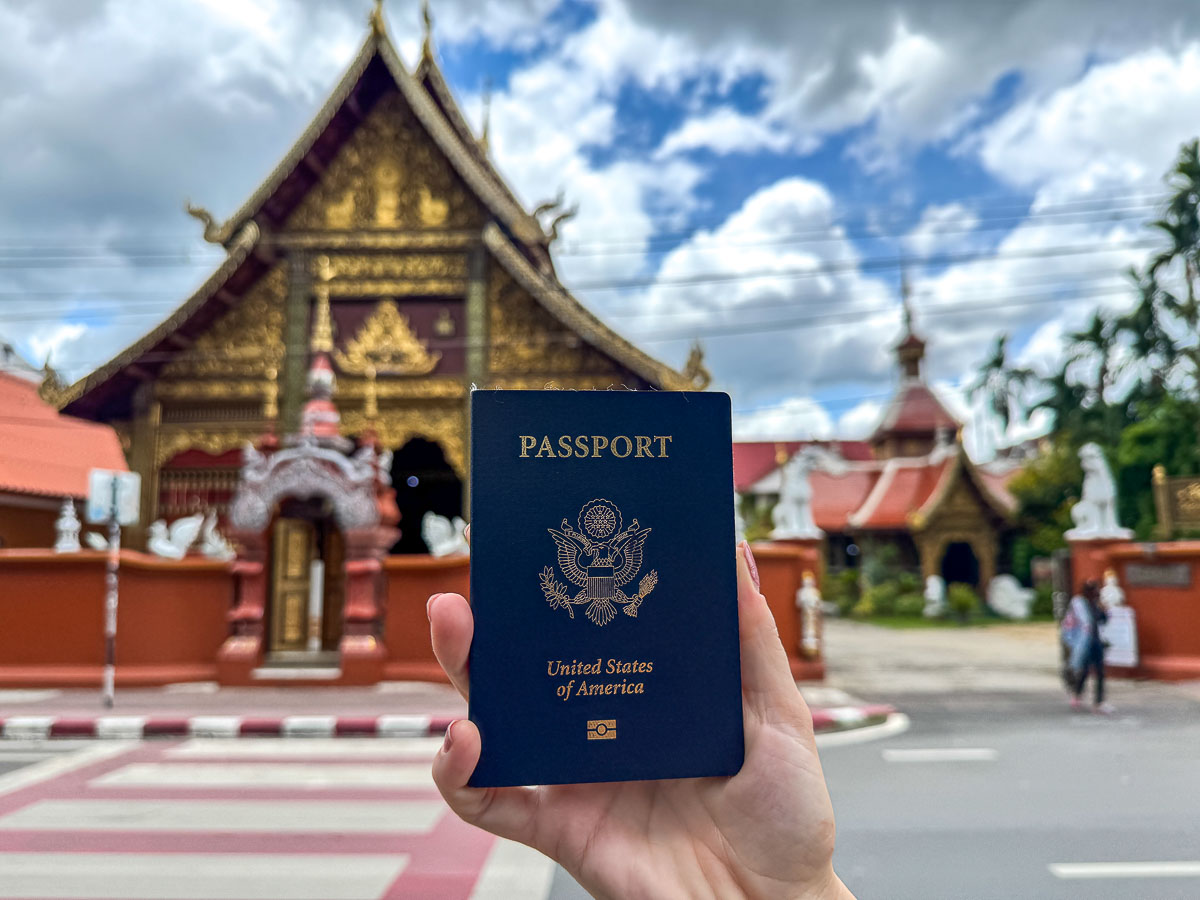
- I can name my exact visa path and requirements from the official government page.
- I have 6 months of living costs saved (over-estimated) plus a separate emergency fund for a last-minute flight and surprise fees.
- I’m ready to do boring tasks in another language (banking, landlord calls, clinic visits).
- I have digital + paper copies of everything (IDs, bank letters, apostilles, translations).
- I can spend a full day at immigration without spiraling.
- I understand my US tax situation (state residency plan, worldwide income, FEIE basics).
- I have a Plan B place to sleep for 2–4 weeks while I hunt long-term housing.
If you can’t tick most of these, you’re not built for it—yet. Deep breath. You can get there… but that part is on you.
1) Housing will humble you (regional—but very real)

You might’ve heard, “Housing is easy abroad!” Sometimes, yes. Sometimes the housing gods laugh:
- Western Europe (Portugal, Spain, France, Germany): Expect paperwork stacks: proof of income, tax numbers (NIE/NIF), registration hoops, and sometimes a local guarantor or extra months’ deposit. Germany often wants credit history (SCHUFA), and competition in big cities is no joke. France even has a state-backed guarantor program (VISALE) because guarantors are so standard.
- Japan: Beautiful apartments—and stunning upfront costs. Think agent fees, deposits, and key money (a non-refundable “gift” to the landlord), plus guarantor services.
- Australia & New Zealand: Low vacancy, high demand. Expect queues, multiple applicants, and rising rents in capitals—translation: even well-qualified newcomers compete hard.
- Mexico & popular LATAM cities (CDMX, Medellín, Buenos Aires): You might breeze in with a 1–2 month deposit—or slam into the fiador/aval wall (local property-owning guarantor) unless you prepay or use alternatives.
- Thailand, Vietnam, Indonesia/Bali: Often lighter on formal checks—passport + deposit and you’re in—but expect landlord-set rules, contracts in the local language, seasonal price spikes (Bali), cash-forward deals (Vietnam), and utility markups.
Things to think about:
- Arrive with digitized docs, translated income proofs, and budget to prepay 3–6 months if needed.
- Keep a Plan B (serviced apartment/long-stay hotel) so you don’t panic-sign a bad lease.
- Learn the local housing quirks before you land (guarantors, key money, agent fees, “póliza jurídica,” etc.).
2) Visas are not vibes

A tourist stamp is not a life plan. Long-stay visas want proof: income, insurance, background checks, apostilles, sometimes tax numbers or language certificates.
Renewals have their own timelines and traps. If your plan is “border runs until I figure it out,” you’re gambling with your life logistics.
Things to think about:
- Map the document chain in order (what blocks what).
- Which visas do you realistically qualify for now (not hypothetically “one day”)?
- Are you open to multiple pathways (student, work, family reunification, digital nomad, retirement) or are you clinging to one fairytale?
3) Bureaucracy is a full-time job
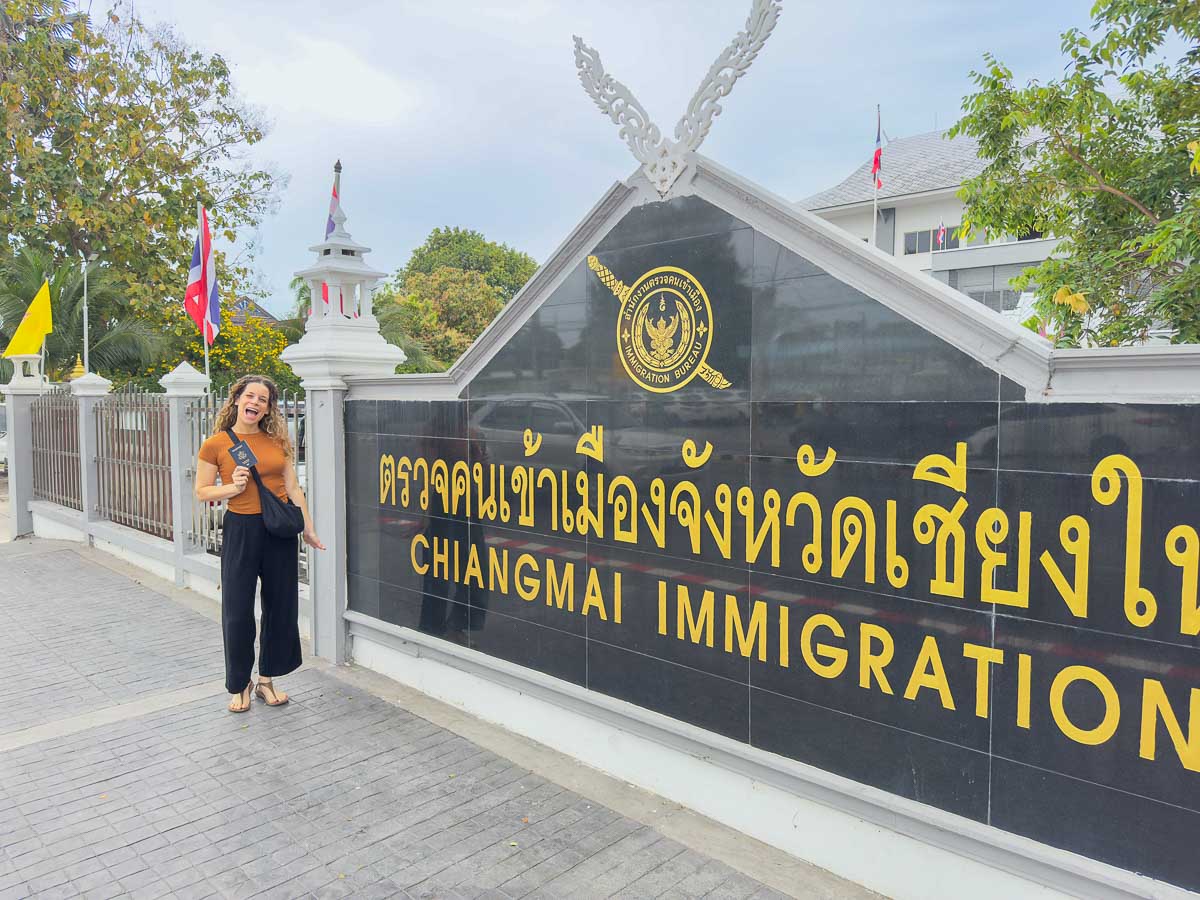
Appointments get canceled with no notice. Different clerks give different answers. A form is “wrong” because you used blue ink. This is the job. Winners keep a folder, smile, and try again tomorrow.
Things to think about:
- What’s your Plan B when an application is rejected—second office, lawyer, visa agent?
- Did you actually read the official site (in the local language, if needed) and cross-check with reputable sources—not just a random Reddit comment?
4) Money shocks & currency swings

Budget posts usually skip the ugly stuff: visa fees, big deposits, private insurance, key money, agent fees, emergency flights, and “oops” admin. Also, the dollar goes up and down.
Example: the U.S. Dollar Index (DXY) has swung notably this year; at points in 2025 it was down roughly ~9% YTD before recovering some—moves like that change your purchasing power fast.
Things to think about:
- Overestimate everything. Keep a “whoops” stash.
- Know how you’ll move money (and with which banks/cards) cheaply and quickly.
- Price in FX volatility if you earn in USD but spend in another currency.
5) Healthcare isn’t plug-and-play

You may need specific coverage to get/renew a visa. Preexisting conditions, prescriptions, and specialists can be tricky. Public systems can be excellent, but accessing them as a newcomer takes time and paperwork.
Things to think about:
- What insurance meets your visa rules right now if any?
- What’s your plan for a specialist or emergency before you’re fully in the local system?
- Will you pay cash for routine care and carry catastrophic coverage, or go fully private?
6) Work rights ≠ remote laptop life
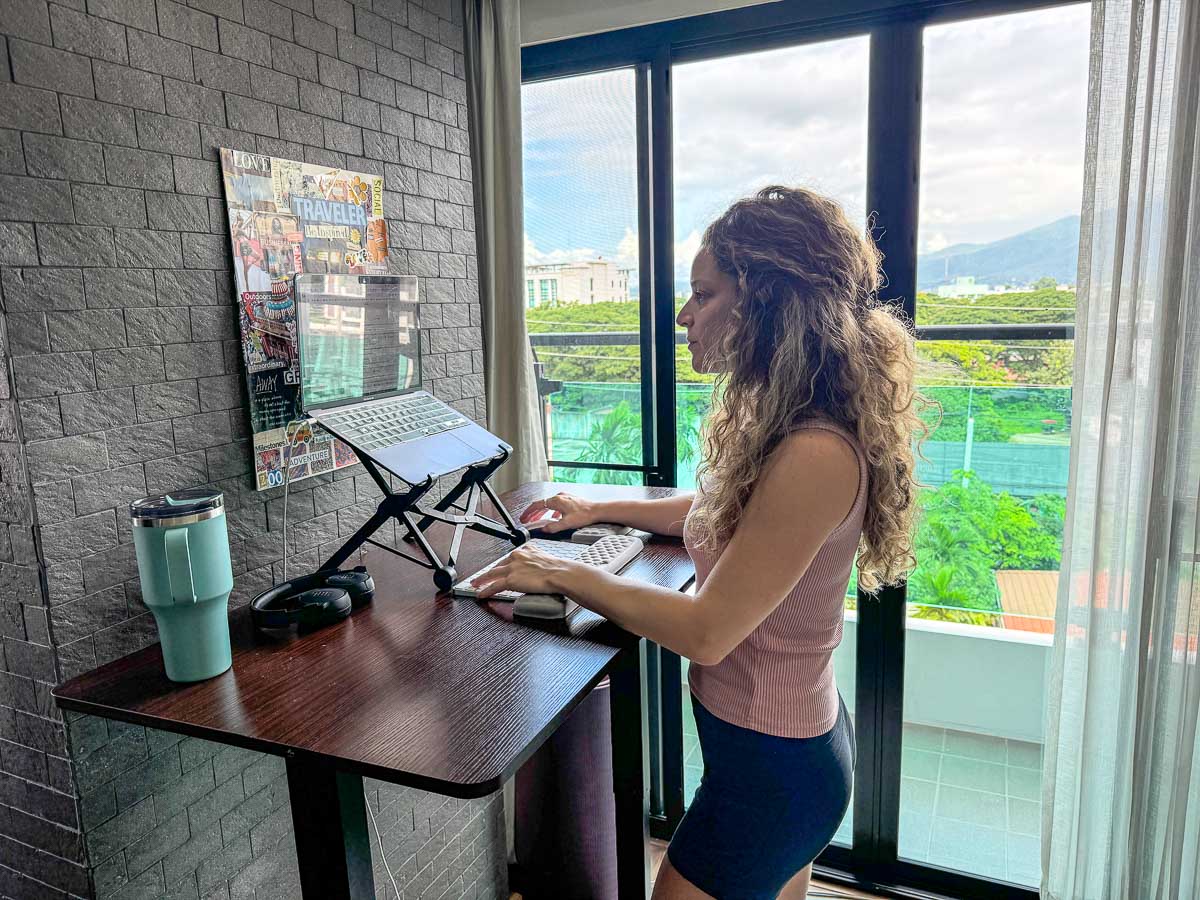
You can’t work locally without the right visa. Remote work still has U.S. (and sometimes host-country) tax implications. Banking for remote income can be its own side quest. Yes, gray areas exist; no, “I didn’t know” won’t save you.
Things to think about:
- What does your state residency look like? How will you prove residency or non-residency?
- Do you qualify for FEIE and do you still owe state tax?
- Are you prepared for employer compliance, PE risk, or contractor setups if needed?
7) Jobs & income: how will you actually sustain this?

Unsexy truth: unless you’re retired or living off savings, you need durable income that works with your visa and time zone.
Things to think about:
- Is your income location-independent (clients, employer permission, time-zone fit)?
- If you need local work, does your visa allow it—and can you speak enough of the language to be hireable?
- Do you have runway money (6 months+), so you’re not making desperate choices or bouncing home in month three?
8) Language fatigue is real
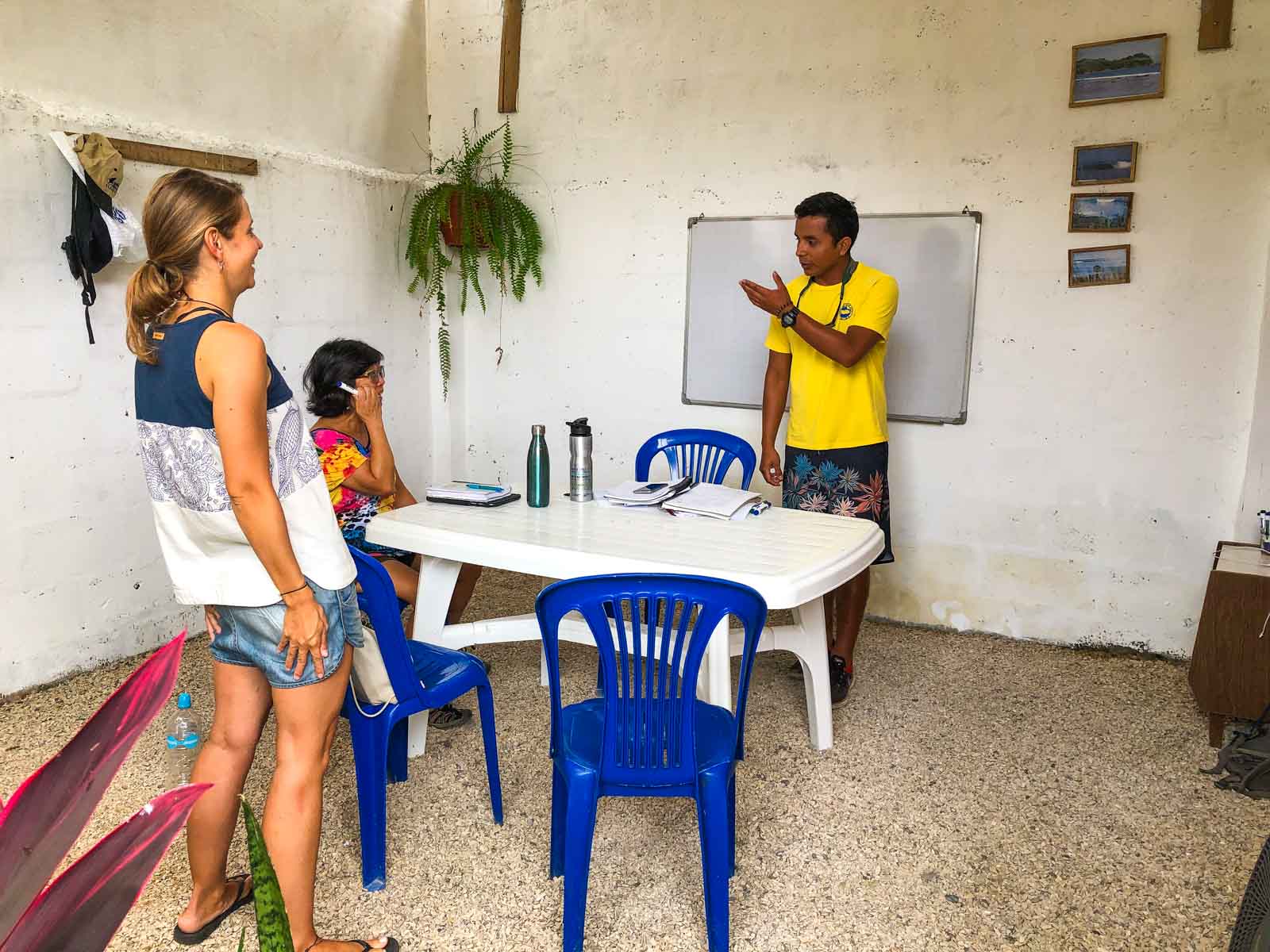
It’s not “hola/ciao/สวัสดี” and vibes; it’s calling the landlord, arguing an electric bill, and understanding a clinic intake. Translation apps help, and yes, many people speak English, but nuance matters. Aim for A2 basics—it’s respect and it’s self-preservation.
9) Your paper trail is your lifeline

Multiple copies of everything: passport, visas, bank letters, lease, insurance, immunizations, marriage/birth certs, plus translations and apostilles where needed. Store in the cloud and carry what matters to appointments.
Email key docs to someone you trust, so they can search and send in a pinch. I even keep a “Passports” favorites album on my phone—used it more times than I can count (because carrying your passport everywhere is not always smart).
10) Risk ownership: you’re the adult in the room

Accidents, scams, wrong addresses, landlord disputes—no cavalry is coming. You are the escalation department.
Two of my “admin happens fast” moments:
- Thailand overstay (2 days): I miscounted, got to the border without enough cash for the fine, no ATM, bus about to leave—panic. A kind Swede floated me the cash till town. Lesson: calendar your visa like rent and carry a little local cash ALL the time.
- Yellow-fever plot twist: Bangkok → South Africa via Ethiopia. Transit triggered the rule; I was denied until I got the shot at the airport, plus gross card fees. Lesson: transit rules count, and “travel-friendly” cards aren’t always friendly.
Mistakes happen. Survivors adapt fast. You can’t prevent every mess—but knowing where the holes form gives you a leg up when it hits the fan.
11) Culture, community, and loneliness

You’ll build community—but not instantly. Expat circles churn; locals don’t adopt you on Day 1. Holidays can sting. It’s a slow burn, and some people never get past the surface-level cycle.
Things to think about:
- Commit to showing up (language exchanges, hobby groups, volunteering).
- Expect friendships to take months, not weekends.
12) The wrong questions vs. better ones

Not helpful:
- “Should I move?”
- “How do I meet friends?”
- “What’s the cheapest country?”
Actually helpful:
- “Which visa fits my profile, and what’s the first document in the chain?”
- “What’s my housing Plan B if I can’t sign a lease in two weeks?”
- “What’s the biggest bureaucracy fail you had, and how did you fix it?”
- “Which expenses explode after arrival, and how do I buffer them?”
- “What’s my exit plan if a renewal is denied or family needs me next week?”
Ask better questions, get better outcomes.
13) Who is built for it?

- Self-starter energy (receipts: you’ve solved logistics alone before).
- High tolerance for ambiguity and slow progress.
- Calm in admin chaos.
- Money discipline (savings + buffers + realistic budgets).
- Language effort (A2 basics go a long way).
- Document ninja (copies, backups, timestamps, checklists).
If that’s you, you’re probably fine. If not, that’s okay—train for it.
14) How to train if you’re “not yet”

- Pick a country + visa path and read the government page end-to-end.
- Build a doc stack: passports, apostilles, translations, bank letters.
- Run a 30–60 day test in your target city and handle one admin task in the local language.
- Save 6 months of costs + a separate emergency fund and “admin chaos” kitty.
- Plan taxes: state residency strategy, U.S. filing, and how you’ll pay estimated taxes.
- Draft two housing plans: A) ideal lease, B) 4–8 weeks of flexible housing while you hunt.
- Write your exit plan (visa denied, family emergency, job change).
Do those, and you’re no longer asking strangers to decide your life—you’re steering it.
Final word

Most Americans aren’t built for moving abroad by default. But “built for it” isn’t DNA—it’s a toolkit. If you want this life, assemble the kit. Ask harder questions. Expect friction. Budget for chaos.
And yeah—sometimes you’ll end up crying at an airport clinic or borrowing cash at a border. You’ll live. You’ll learn. And you’ll have the backbone to stay.
The reality is, most of what I stated above won’t happen all at once, and some of it won’t happen to you at all, but you DO need to be prepared, aware, and have ideas and backup plans.
Once you move abroad, it’s not all sunshine and rainbows from there; it’s a whole new life to figure out. Simply being aware of the possibilities, knowing the right questions to ask, and having the right attitude is half the battle.
More on Moving Abroad:

- How To Move Out of The USA ASAP—7 Ways to Leave
- 21 Visas to Help Americans Move Abroad (That You Haven’t Heard of)
- How to Make Money While Traveling—73 Travel Jobs
- Easiest Countries for Americans to Move To
WANT TO MOVE ABROAD BUT OVERWHELMED BY OPTIONS?
GRAB THE GUIDE that gives you the exact steps, visa options, and decision tools to pick the best country for you.
No fluff. No BS. Just straight-up ✨virtual hand holding✨ so you can stop dreaming and get out of the US! Let’s GO!

This guide gives you the *exact* steps, visa options, and decision tools to pick the best country for *you*.
GRAB THE GUIDENo fluff. No BS. Just straight-up ✨virtual hand holding✨ so you can stop dreaming and get out of the US!