5 places that promise to pay you to move abroad — here’s which ones actually cut a check
Half of the “this place will pay you to move there” headlines going around right now are describing something else entirely, and it’s usually not a check with your name on it. Sometimes it’s a home renovation grant. Sometimes it’s a payout you can only unlock after you’re already a legal resident of that country.
I went through five of the internet’s favorite versions of this claim, one at a time, to find out which ones actually hand real money to an outsider and which ones are just good marketing. Two of these are legit. One requires paperwork most Americans don’t have. One isn’t really about moving at all.
Before you keep reading: if “moving abroad” has been a someday thought, I turned everything I wish I’d known into one guide. Visas, jobs, country picks — check it out.
1. Antikythera, Greece — free housing and €500 a month, if you’re one of five families picked
Antikythera is a speck of an island between Crete and the Greek mainland, and its year-round population has shrunk into the double digits. To reverse that, local officials are offering incoming families a free house, free land, free basic food, and roughly €500 a month for the first three years — close to €18,000 in cash alone, on top of the housing.
Here’s the part that doesn’t make the headline: only about five families are being chosen, after an actual interview process, and priority goes to people with skills the island actually needs. Think bakers, fishermen, builders, and farmers, not remote marketers hoping for a change of scenery. As of early 2026, reporting on the program noted that no families had moved in yet, because the homes being built for them weren’t finished.
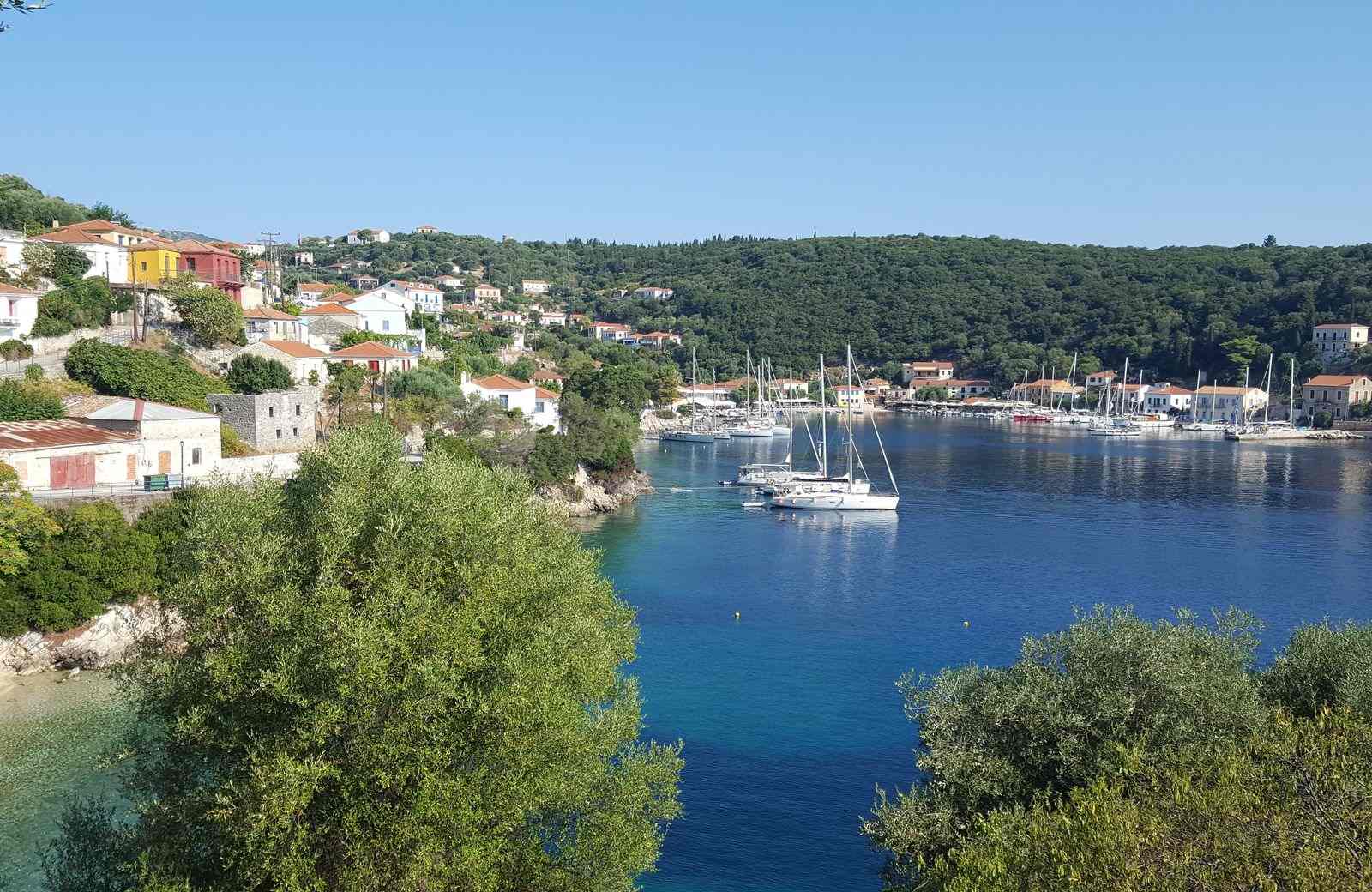
Yes, really — you can be approved for a free house on a Greek island and still be stuck waiting on a contractor. If the idea appeals to you, treat 2026 as the year to watch this one, not the year to pack.
2. Calabria, Italy — up to €30,000, if you’re under 40 and opening a business
Calabria, the toe of Italy’s boot, has spent years trying to reverse decades of young people leaving its small towns for Milan, Rome, or somewhere outside Italy entirely. A handful of its municipalities answer that with real cash: up to €28,000 to €30,000, paid out over several years, to people willing to move in and actually stay.
The requirements narrow the pool fast. Towns typically cap population at under 2,000 residents, applicants generally need to be under 40, and the money isn’t just for showing up — you’re expected to start a business, not simply rent an apartment and log into Zoom from a piazza.
In my opinion, that’s the most honest version of any of these programs: Calabria isn’t pretending this is free money, it’s paying for economic activity it actually wants in return. None of it replaces the visa you’d still need as an American moving to Italy long-term — the grant covers the incentive, not the paperwork that gets you legally living there in the first place.
3. Albinen, Switzerland — up to $78,000, if you already have a Swiss ID card
Albinen is a mountain village above the Rhône valley, and the pitch sounds incredible on the surface: 25,000 Swiss francs per adult and 10,000 francs per child to move there, meaning a family of four could collect somewhere around $78,000. Buy or build a home worth at least 200,000 francs, commit to staying ten years, and the village cuts the check.

Here’s the part that gets buried under every viral version of this story: you need Swiss citizenship or a Permit C, Switzerland’s permanent residency status, before you’re even eligible to apply. Getting a Permit C as an American typically takes five to ten years of already living in Switzerland first. This isn’t a program that gets you into the country — it’s a reward for foreigners who are already firmly settled there.
Break the ten-year residency commitment early, and the village doesn’t just ask nicely for the money back — the repayment obligation gets recorded against the property itself, like a lien. Would you commit to a decade in one mountain village for $78,000? I might, honestly, for those hot springs nearby. But it was never built as a shortcut into Switzerland, and it doesn’t work as one.
4. Ireland’s island grant — up to €84,000 that isn’t actually a moving check
Ireland’s version of this story is the one that goes viral hardest, usually with a headline promising close to $90,000 to move to a remote island. The Irish government has said, on the record, that this isn’t accurate — nobody is being paid to relocate there.
What actually exists is the Vacant Property Refurbishment Grant: up to €50,000 for a vacant home, €70,000 for a derelict one, and a higher €60,000-to-€84,000 tier specifically for properties on Ireland’s offshore islands. The catch is right there once you read past the headline — it’s a renovation reimbursement for a property you already own or are in the process of buying, not a relocation bonus for showing up empty-handed.
You still have to live in the finished home yourself or rent it out afterward, and bail before ten years are up and you owe some or all of the money back. Standard Irish immigration rules apply to non-EU citizens on top of all that. A renovation grant fixes up a house. It doesn’t hand you a visa.
5. Start-Up Chile — up to $100,000, equity-free, if you’re building a company
Start-Up Chile takes the opposite approach. Instead of dangling a renovation grant, it hands qualifying founders real, equity-free cash to build a company in Chile — anywhere from $15,000 up to $100,000 depending on the track, and Chile doesn’t take a single percentage point of your company in exchange.

The catch is that this is for entrepreneurs, not remote workers or retirees. At least one co-founder has to actually relocate to Chile for the length of the program, typically six to twelve months, and selected founders get a temporary work visa that runs two years. It’s explicitly open to founders from any country, Americans included.
If teaching abroad or an au pair placement sounds too structured, and a plain digital nomad visa sounds too passive, this is the version of “move abroad and get paid” built for people who actually want to build something while they’re there.
Out of five headlines promising free money to move abroad, two hand over real cash with real strings attached, one requires residency most Americans don’t have yet, and one isn’t a relocation payment at all. Worth remembering the next time one of these shows up in your feed with a screenshot and zero sourcing attached.
So, which one would actually get you on a plane — the Greek island with the three-year clock, or the Chilean visa that wants you building a company instead of just showing up?
If the real goal here is actually moving abroad, not just the free-money headline, my move abroad start page has the more grounded version of how people do it.
