

Why Americans Struggle With Culture Shock More Than Other Travelers
Culture shock hits everyone to some degree, but Americans often feel it harder than most. Used to a very specific way of life, many U.S. travelers find the differences abroad surprising, frustrating, or downright confusing. Here’s why Americans tend to struggle more than others when adjusting to life overseas.
1. Limited Vacation Time Back Home

Most Americans only get 10–15 vacation days a year, compared to 25–30 in Europe. This means U.S. travelers often take short, rushed trips, trying to pack everything in at once. Without time to adjust, every cultural difference feels more overwhelming—whether it’s language barriers, public transit, or dining customs.
2. Lack of Exposure to Other Languages

In many parts of the world, speaking multiple languages is normal. In the U.S., English dominates, and foreign language learning is minimal. Americans abroad can feel helpless when menus, signs, and conversations aren’t in English. Even small interactions—like ordering food—become stressful.
3. Different Food and Dining Norms

From smaller portion sizes in Europe to chopsticks in Asia, food culture is one of the first shocks. Add in differences like no free refills, slower service, or shared dishes, and many Americans struggle to adapt. What feels normal abroad—like leisurely two-hour dinners—can feel painfully slow to a U.S. visitor.
4. Reliance on Cars at Home

The U.S. is built around cars, while much of the world relies on public transit, walking, or biking. For Americans, figuring out trains, buses, and metro systems can feel intimidating. Add in crowded stations and schedules in another language, and transportation quickly becomes a major stress point.
5. Tipping Expectations Abroad

In the U.S., tipping is standard for nearly every service. Abroad, tipping ranges from unnecessary to rude. Americans often overtip, confusing locals, or feel guilty when they don’t tip enough. Navigating these norms adds another layer of stress to daily interactions.
6. Fast-Paced Culture vs. Slower Lifestyles
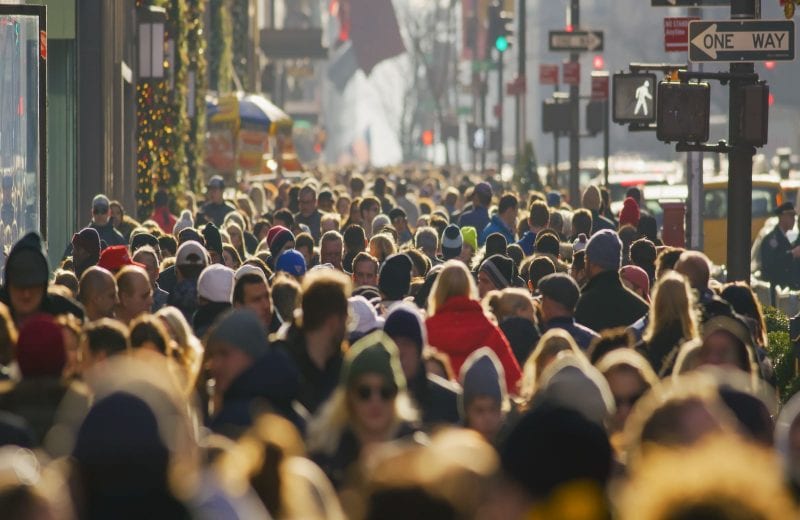
Americans are used to speed—fast food, quick service, efficiency everywhere. Abroad, many cultures value slow living, long meals, and less urgency. For U.S. travelers, waiting for the check in a café or experiencing a mid-day siesta can feel frustrating instead of relaxing.
7. Healthcare and Safety Differences

Americans are used to expensive healthcare and strict safety rules. Abroad, they’re often shocked by cheaper medical visits—or by looser regulations, like motorbikes without helmets or lax building codes. These differences can feel freeing to some, but nerve-wracking to others.
8. Expectations vs. Reality

Hollywood, social media, and marketing often give Americans a glamorized view of the world. When reality doesn’t match—like crowded tourist sites, small apartments, or squat toilets—culture shock hits harder. The mismatch between expectation and reality can make adjusting more difficult.
