
What If the “Greatest Country” Isn’t That Great for Everyone?
America loves to call itself the greatest country in the world. And for some people, that might feel true. But for many others—especially women, people of color, LGBTQ+ folks, disabled folks, and anyone without a trust fund—that statement doesn’t always match reality.
Living abroad makes you realize just how different life can feel when you’re not constantly navigating systemic inequality. That doesn’t mean other countries are perfect—far from it. But when your quality of life noticeably improves just by leaving, it’s worth asking some uncomfortable questions.
So let’s talk about who the “greatest country” really works for—and who’s been left behind.
Black Expats Report Feeling Safer and Seen
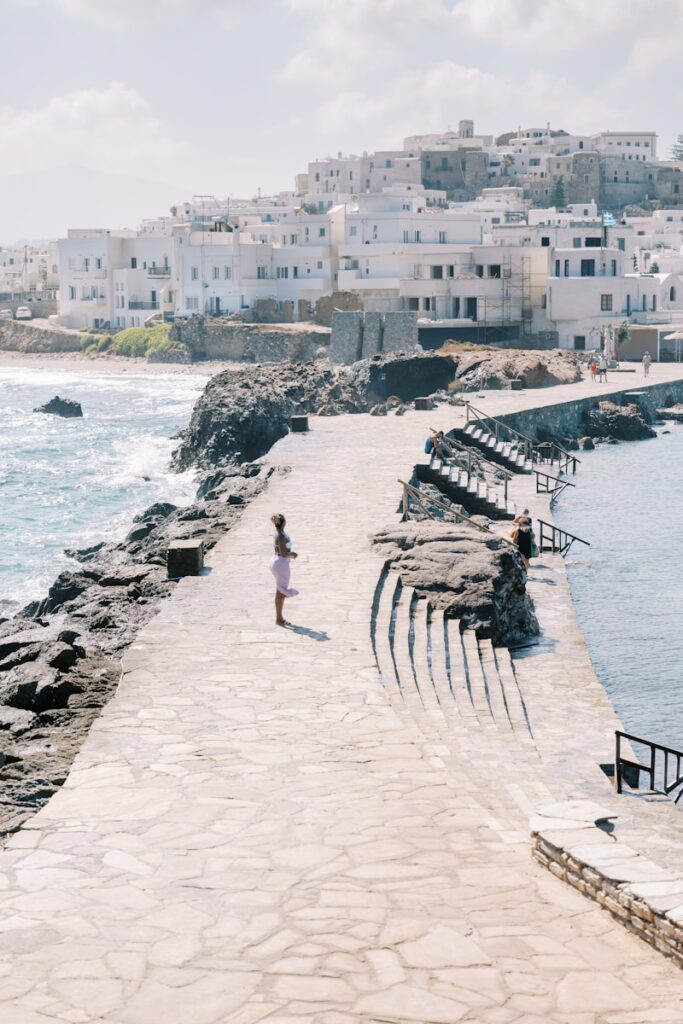
A growing number of Black Americans are moving abroad—not just for adventure, but for safety and peace of mind. In countries like Portugal, Ghana, and Japan, many report fewer daily microaggressions and less fear of police violence. It’s not a utopia, but the constant racial tension feels dialed down.
Outside the U.S., you may still face racism—but it’s often less baked into law enforcement or healthcare outcomes. And when your nervous system isn’t constantly in fight-or-flight mode, it becomes clear just how much stress you were carrying back home.
Of course, don’t take this from me, a white woman! This is just vibes from what others have said online. See more here.
LGBTQ+ Rights Vary—But Protection Is Often Stronger
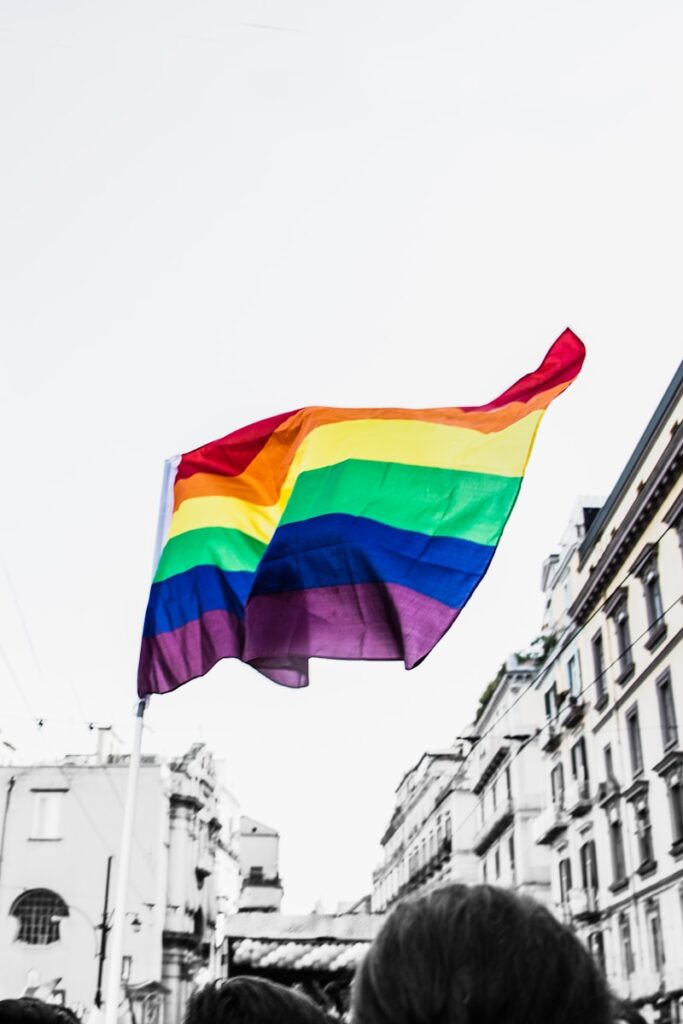
The U.S. has made progress on LGBTQ+ rights—but that progress is uneven and under attack in many states. Abroad, you might be surprised to find countries where same-sex marriage is legal, healthcare is inclusive, and queer visibility is normalized in public life.
Places like the Netherlands, Argentina, and New Zealand have national protections that go far beyond what’s available in parts of the U.S. And while cultural attitudes vary, many queer expats report feeling more free to live openly abroad than they did in “progressive” U.S. cities.
Being a Woman Feels Less Exhausting

In the U.S., being a woman often means managing safety, reproductive rights, unequal pay, and a relentless stream of judgment. In countries with strong gender equality policies—like Sweden, Iceland, or Spain—those battles don’t disappear, but they’re not your whole life.
Things like guaranteed parental leave, subsidized childcare, and better healthcare access make a massive difference in daily stress. You’re not constantly doing mental gymnastics to stay afloat. For many American women, that kind of structural support feels like a breath of fresh air.
Disabilities Aren’t Always an Afterthought

The U.S. has the ADA—and that’s important. But in practice? Accessibility is inconsistent, underfunded, and often treated as a personal burden. Abroad, some countries are taking a more proactive, inclusive approach.
Germany, Japan, and parts of Scandinavia have robust public transport systems with built-in accessibility. Housing, employment, and healthcare are often designed with more universal access in mind. It’s not perfect, but it feels less optional. That can be life-changing for disabled travelers and expats.
Class Isn’t Quite as Rigid

In the U.S., where you’re born often dictates where you end up. The cost of education, healthcare, and housing can trap people in cycles of poverty—while upward mobility is increasingly rare. Abroad, the playing field can be a bit more level.
Countries with universal healthcare, free or low-cost university, and strong labor protections create pathways that aren’t so dependent on wealth. Again, no system is flawless—but when you don’t need tens of thousands of dollars just to survive or move forward, your potential feels a lot less capped.
Featured photo: “very old glory” by frankieleon is licensed under CC BY 2.0
