
Underrated ‘Second Cities’ for Remote Workers (Skip Lisbon and Bali, Try These)
Everyone and their laptop is in Lisbon, Bali, or Mexico City right now. Great places, sure, but also: pricey, crowded, and one more café full of people filming “day in my life” content away from collapsing.
If you’d rather have decent Wi-Fi, a real life, and rent that doesn’t punch you in the throat, it’s time to look at second cities. These are places locals actually live in, expats quietly love, and TikTok hasn’t completely ruined yet.
Here are six underrated cities that still tick the remote-work boxes: solid internet, a community you can actually meet, reasonable costs, and long-stay or visa options that don’t require selling your soul.
1. Porto, Portugal: Lisbon’s Calmer, Cheaper Sibling
Lisbon gets the headlines, Porto gets the people who actually want to get work done.
Porto has:
- Fast internet and plenty of cafés and coworking spaces.
- A lower cost of living than Lisbon, with expat estimates often putting Portugal around 30–40% cheaper than the U.S. overall, especially outside the capital. A Little Adrift Travel Blog+1
- Access to Portugal’s various long-stay and remote-work options (D7, digital nomad visas, etc.), since those are national, not Lisbon-only. Global Citizen Solutions
Day to day, Porto feels like: river views, wine cellars, walkable neighborhoods, and fewer people screaming into their phones about “van life” even though they live in a T1.
👉 More on the city: Visit Porto official tourism site.
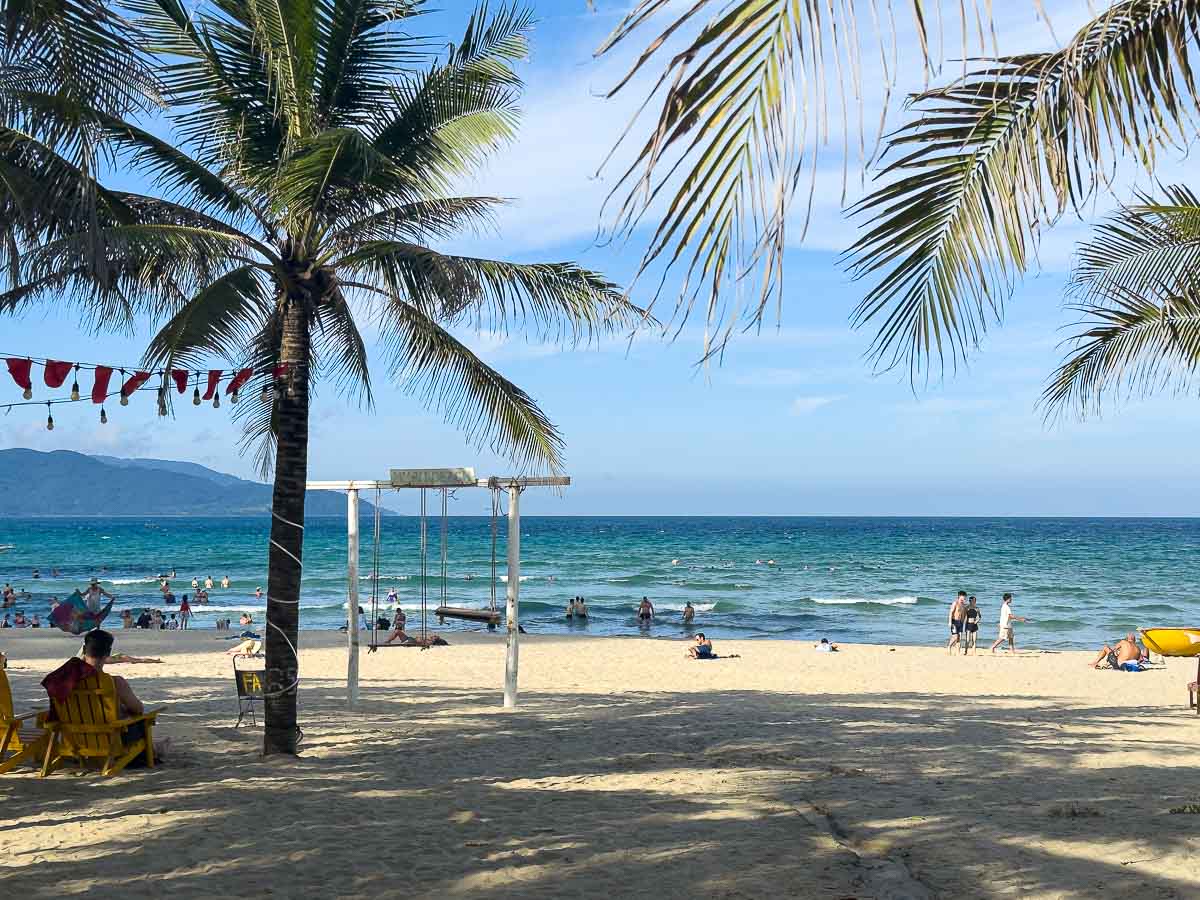
2. Da Nang, Vietnam: Beach City With Actual Work Energy
If you like the idea of working near the ocean but don’t want full-time party mode, Da Nang hits a very sweet spot.
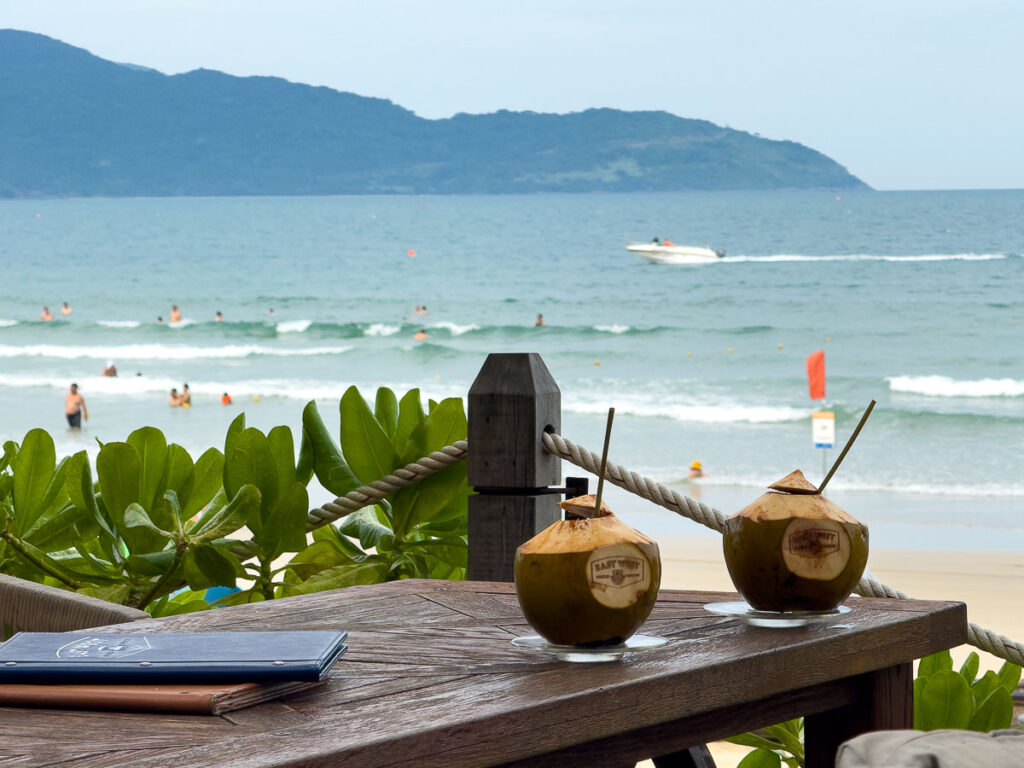
- Cost of living is low; recent estimates put a single person around $700–800 USD per month depending on lifestyle. Nomads.com
- Cafés are everywhere, with reliable Wi-Fi and prices that make U.S. coffee look like a scam. Johnny Africa+1
- You’ve got a big beach, a legit local food scene, and Hoi An and Hue as weekend playgrounds.
Visa-wise, Vietnam is constantly tinkering, but new longer e-visas and extensions have made it easier to stay past a quick tourist hop, especially for people willing to plan a little. Johnny Africa
👉 Trip planning and basics: Vietnam National Administration of Tourism.
3. Tbilisi, Georgia: One-Year Test Drive Without The Paperwork Drama
Tbilisi is one of those places people “try for a few months” and accidentally stay a year.
Here’s why:
- Citizens of many countries, including the U.S., can stay up to one year visa-free, which is wild in today’s visa climate. georgiabusinessandresidentiallaw.ge+1
- Co-working spaces, cafés, and a growing remote-worker crowd make it easy to plug in.
- Costs are still moderate compared to Western Europe, especially if you’re earning in dollars or euros.
Georgia’s dedicated digital nomad visa program has shifted and paused over time, but honestly, the visa-free regime already does a lot of the heavy lifting for long stays. VisaGuide World+1
👉 Official entry info: Ministry of Foreign Affairs of Georgia – Visa & entry rules.
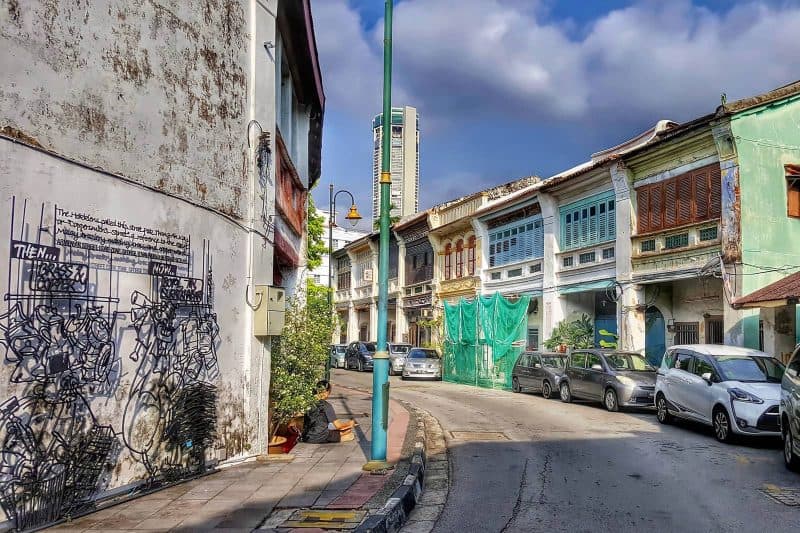
4. Penang, Malaysia: Food Heaven With Real Nomad Infrastructure
If your love language is eating, working, and then eating again, Penang (especially George Town) is your place.
- Malaysia is actively branding itself as a digital nomad hub with the DE Rantau program, which creates “nomad-ready” hubs with fast Wi-Fi and services. MDEC+1
- Co-working spaces and cafés are set up for laptop people, not confused by them. Common Ground+1
- Cost of living is very reasonable for city life, especially if you cook a bit and avoid trying to live like a luxury influencer.
Visa-wise, the DE Rantau Nomad Pass lets eligible remote workers live in Malaysia for up to 12 months, renewable, as long as your income comes from outside the country. The Digital Nomad Asia+1
👉 More on the program: MDEC’s DE Rantau page.
5. Tirana, Albania: The “Wait, Why Is This So Chill?” Option
If you want Europe without selling a kidney, Albania is having a moment, and Tirana is the base camp.
- Americans can stay up to one year visa-free, which is extremely rare in Europe. International Living+1
- Recent reports show Americans renting central apartments in Tirana for around $500/month, sometimes less, and living comfortably on a budget that would barely cover rent in many U.S. cities. Business Insider+1
- There’s a growing digital nomad and expat crowd, plus easy access to coastal towns and the rest of the Balkans.
Albania is still developing, so expect quirks and construction, not polished perfection. But that’s also why the costs are still sane, and why people who move here are like, “Oh. So I actually don’t have to be stressed all the time.”
👉 Basics for Americans: U.S. State Department – Albania country information.
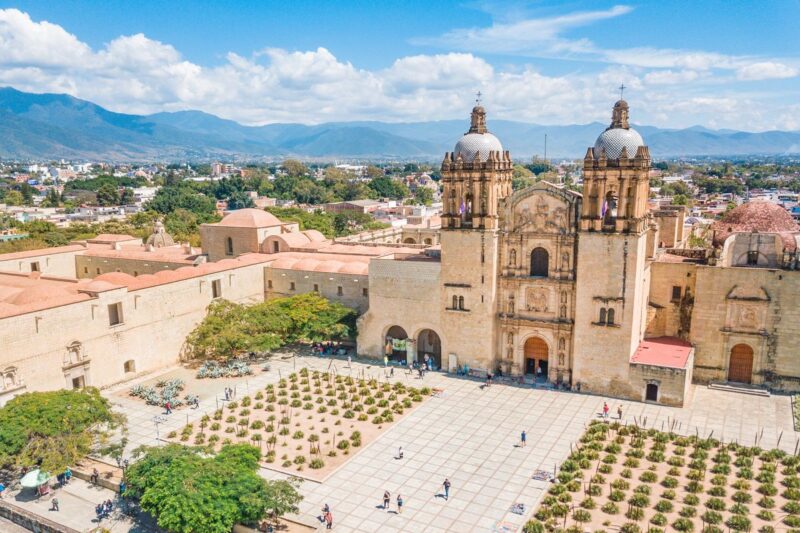
6. Oaxaca City, Mexico: Creative, Walkable, And Way Cheaper Than That One Beach Town
Oaxaca City doesn’t scream “nomad hub” on Instagram the way Mexico City or Playa do, which is exactly why it works.
- Expat and traveler reports describe it as comfortable for digital nomads with decent Wi-Fi, affordable rent, and cheap, ridiculously good food. Moontraveler Blog+1
- One recent breakdown estimates a single person’s cost of living around $1,100/month, including rent, if you’re not being feral with your spending. Nomads.com+1
- There’s a big creative scene: art, textiles, mezcal, markets, and cultural events all the time. You will not be bored.
For Americans, Mexico still offers relatively easy entry, with stays of up to 180 days possible, though it’s no longer guaranteed, and long-termers should look at proper residency instead of trying to border-run forever. Work From Anywhere+1
👉 Local overview: Visit Mexico – Oaxaca.
How to Pick Your Second City
Quick checklist when you’re trying to decide where to go that isn’t the obvious Instagram circus:
- Internet: search “[city] digital nomad Wi-Fi” and check real numbers, not just cute café photos.
- Costs: look at rent plus normal life stuff, not just “you can do it on $600 if you live like a ghost.”
- Stay length: tourist rules, long-stay visas, or digital nomad programs you actually qualify for.
- Community: are there coworking spaces, meetups, language exchanges, or is it just you and your thoughts?
You don’t have to chase the same three hotspots as everyone else. Second cities are where normal life happens, and surprise, that’s usually where your remote-work life fits best too.
