Things That Would Shock Most Americans About Life Abroad (But Shouldn’t)
Living abroad can feel like you’ve stepped into an alternate universe—one where things you always thought were “normal” suddenly seem kind of… ridiculous. You realize how deeply American culture shapes your expectations around work, money, safety, and even breakfast.
And honestly? The shock factor is less about how weird other countries are, and more about how normalized certain U.S. things have become. No, not every country refrigerates their eggs. Yes, healthcare can cost less than a latte. And no, tipping 20% isn’t universal.
This isn’t about saying one way is better—it’s about shaking off that cultural tunnel vision. Here are a few things that tend to blow Americans’ minds abroad… even though they really shouldn’t.
Grocery Stores Don’t Look Like Warehouses
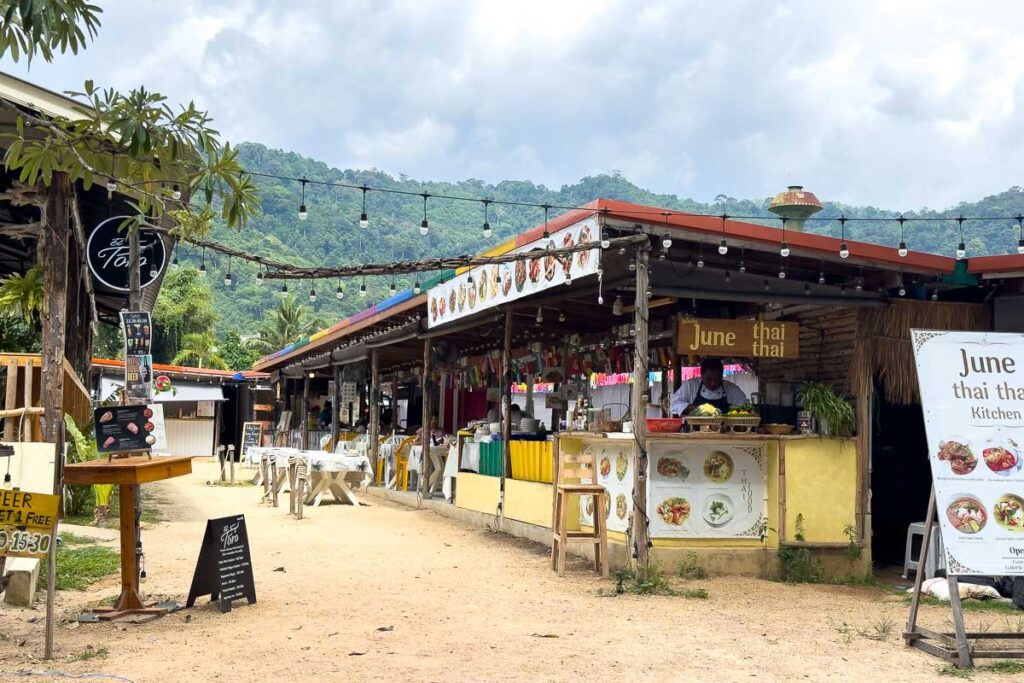
In many countries, you’ll find small, local shops where produce isn’t shrink-wrapped and cereal doesn’t come in 37 flavors. Milk is sold unrefrigerated in cartons. Eggs are just… on a shelf. The first few visits might feel like a scavenger hunt, but you’ll quickly get used to buying what’s fresh, seasonal, and local.
Grocery shopping becomes a more frequent, community-oriented experience—not a once-a-week bulk haul. And while you might miss the convenience of everything-in-one-place American stores, you’ll start to appreciate the simplicity and lower food waste. Plus, walking to the corner market every other day? Kinda charming.
Public Transport Is Actually… Usable
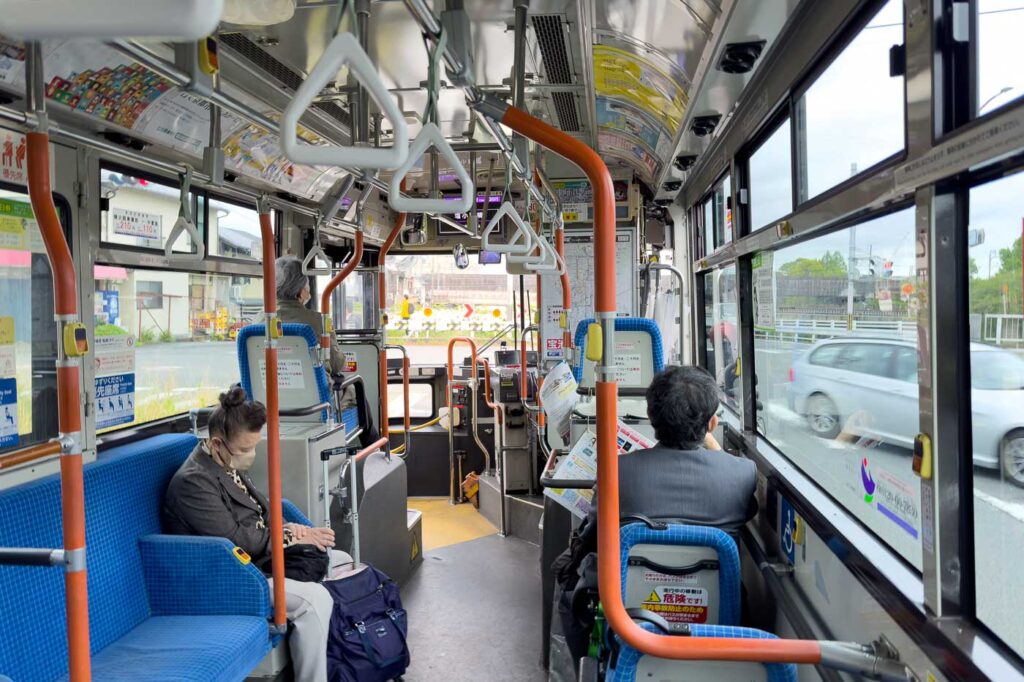
If you’re used to needing a car just to buy toothpaste, moving abroad might blow your mind. In many countries—especially in Europe and parts of Asia—buses, metros, trains, and trams are efficient, affordable, and widely used. You’ll probably find yourself asking, “Wait, people just… get around without driving?”
Owning a car isn’t a necessity in a lot of the world—it’s a choice. And that choice often comes with cheaper transit passes, fewer traffic headaches, and a lot less time spent filling up your tank. It’s not perfect everywhere, but compared to the U.S. car dependency, it’s a breath of fresh air (literally).
Healthcare Is Treated as a Right, Not a Reward

It’s hard to describe the moment you realize a doctor’s visit won’t cost you hundreds—or thousands—of dollars. In many countries, basic healthcare is covered or offered at a reasonable flat fee, even for foreigners. You’ll walk out of a clinic paying $10 for a checkup and think, “What is this sorcery?”
People abroad are often shocked to learn that medical bankruptcy exists in the U.S. In fact, Americans carry more medical debt than any other high-income country (source: Kaiser Family Foundation). Living somewhere where healthcare is accessible, not anxiety-inducing, will 100% change your relationship with the system.
Work Doesn’t Rule Everyone’s Life

In the U.S., overwork is practically a badge of honor. But abroad? People value living. Many cultures prioritize rest, family time, and socializing over endless hustle. It’s normal to close shop for lunch, to take all your vacation days, or to head to the beach on a Tuesday without guilt.
You’ll find countries with 30+ days of paid leave, siesta culture, and employers who encourage work-life balance. And while not every job abroad is dreamy, the cultural shift is real—and refreshing. You don’t need to “earn” rest. You’re just allowed to be a person with a life outside of work.
It’s Safer Than You Think—And Feels That Way, Too
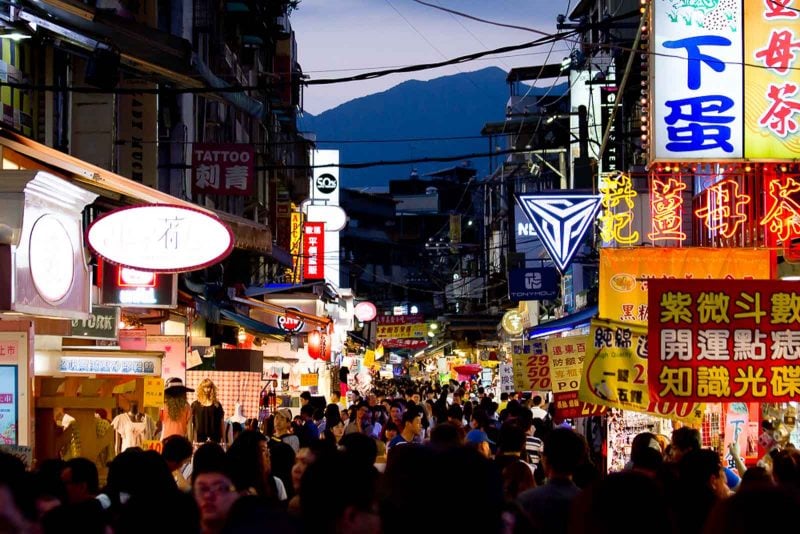
Some Americans are surprised to find out that walking alone at night, letting kids play outside unsupervised, or taking public transport after dark is totally normal in many places. Countries like Japan, Portugal, and Singapore routinely rank among the safest in the world.
Gun violence? Not really a thing. Mass shootings? Practically unheard of. That baseline sense of peace and safety—especially for women, queer folks, and parents—is something you can’t un-feel once you’ve experienced it. You don’t need to clutch your bag or scan every room. And honestly? That might be the most shocking culture shift of all.