
The U.S. Is Not the Center of the World (But It Sure Thinks It Is)
One of the first things you realize when you live abroad? Most of the world doesn’t care what’s happening in America 24/7. They’ve got their own news, elections, music, and scandals—and they’re not just sitting around waiting for the U.S. to weigh in.
And yet, Americans are often raised to believe that their country is the global main character. The default. The moral compass. The world police. But when you step outside that narrative, it becomes clear how insular the U.S. really is—and how much richer your worldview becomes when you stop assuming everyone else is just a background character in your movie.
Here’s what living abroad teaches you about America’s… oversized sense of self.
U.S. News Is Surprisingly U.S.-Only
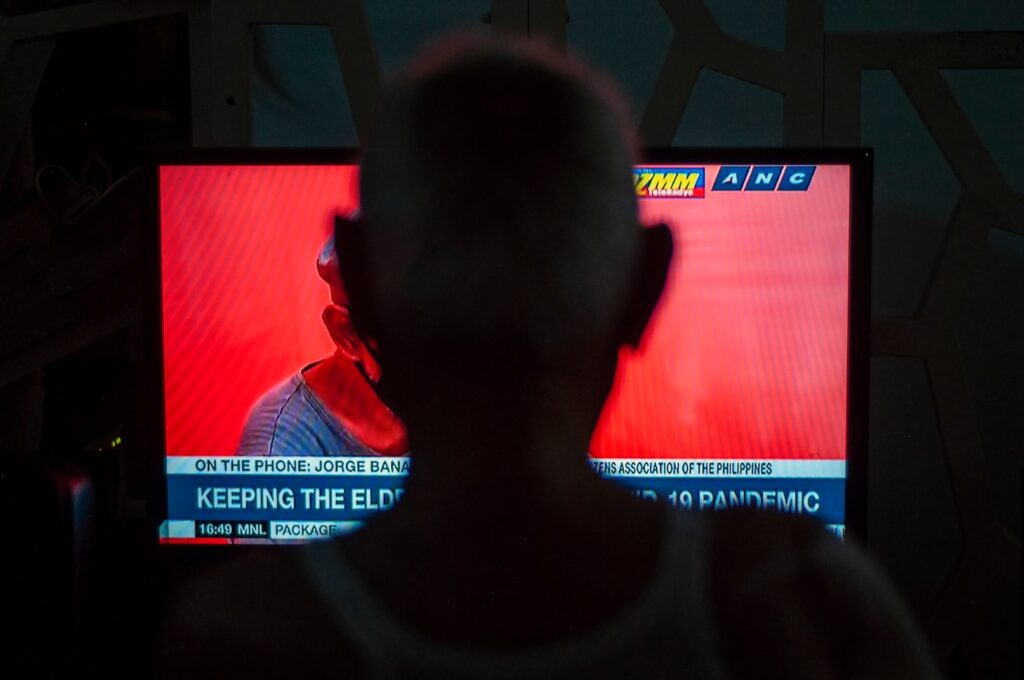
American news networks often treat global events like afterthoughts—or frame them through a U.S. lens. Abroad, it’s the opposite. In places like the UK, Germany, and even Thailand, international news is part of the daily rhythm. People regularly follow global politics, wars, elections, and climate events—because they understand they’re all connected.
Living abroad, you start to crave that perspective. You realize that not everything is about the U.S.—and that it doesn’t have to be to be important.
Other Countries Make World-Class Culture, Too

It’s easy to grow up thinking American TV, movies, and music dominate the globe. And sure, they’re influential—but abroad, people also watch Korean dramas, dance to Afrobeats, and line up for French films. There’s a whole world of creativity happening outside the Hollywood bubble.
You start to explore new genres, follow international artists, and realize that English isn’t a prerequisite for excellence. That cultural curiosity doesn’t just make you cooler—it makes you more open, period.
Your Passport Isn’t a Personality
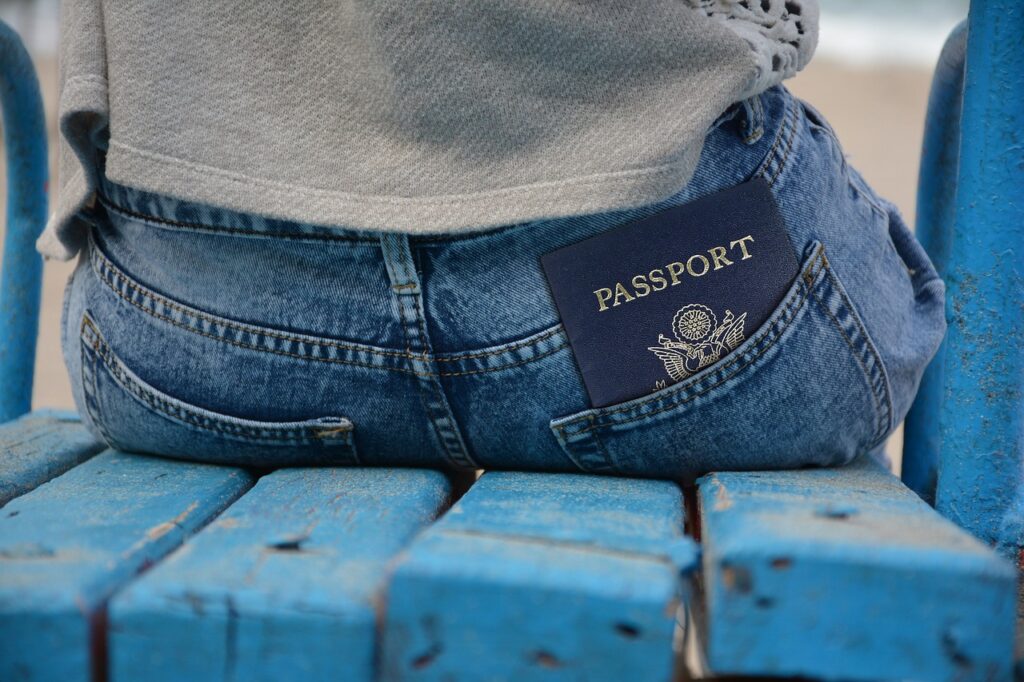
In the U.S., being American can feel like a core identity. But abroad? You’re just one of many nationalities. People might ask where you’re from, but they’re more interested in who you are—not what country is stamped on your passport.
That shift is humbling. You stop leading with where you’re from and start connecting over shared values, stories, and interests. And slowly, your identity expands beyond borders.
Global Problems Need Global Solutions

Living abroad puts you face-to-face with issues that don’t stop at any border: climate change, immigration, pandemics, inflation. It becomes obvious that no country—not even a superpower—can go it alone.
You start thinking less like a citizen of one country and more like a citizen of the world. And that doesn’t dilute your identity—it strengthens it. You become someone who cares about what happens in every corner of the map, not just your own.
It’s a Relief to Let Go of American Exceptionalism
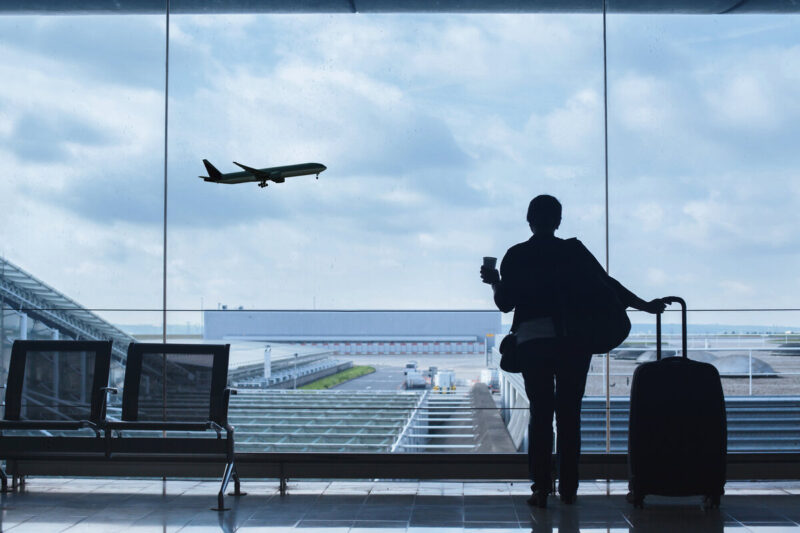
Being told your country is the best at everything gets exhausting—especially when it’s not true. Living abroad gives you permission to admit that other places do some things better. That doesn’t make you disloyal. It makes you aware.
Once you let go of the need to be #1 at all costs, you open yourself up to learning, growing, and participating in a more collaborative world. And that’s a mindset shift worth keeping.

Feature photo: “very old glory” by frankieleon is licensed under CC BY 2.0
